- Introduction
- The Role of AI in American Society
- AI and Labour Market Transformations
- AI and Social Stratification
- AI in Governance and Public Policy
- AI and Cultural Shifts
- Ethical and Philosophical Considerations
Introduction
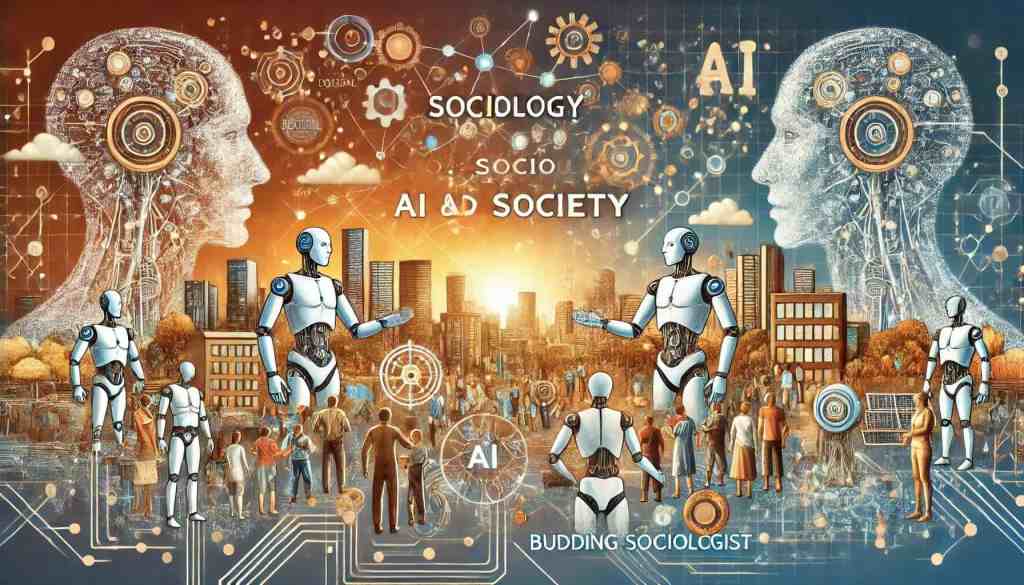
Artificial Intelligence (AI) is becoming an integral part of American society, influencing industries, institutions, and daily life. As AI technologies advance, they raise important questions about their impact on social structures, power relationships, and cultural norms. The study of AI through a sociological lens helps uncover how these technologies are both shaped by society and, in turn, reshape it. In the United States, AI development is often driven by corporate interests and economic priorities, reflecting broader societal patterns such as income inequality, systemic biases, and political division.
AI systems do not operate in a vacuum; they are developed and deployed within existing social contexts that shape their design and impact. For example, machine learning models rely on historical data, which can perpetuate past biases, leading to discriminatory outcomes in sectors like criminal justice, hiring, and healthcare. Additionally, AI-driven automation is transforming the job market, presenting both new opportunities and significant challenges. While some individuals and businesses benefit from improved efficiency, others face job displacement and financial instability.
Another key area of concern is AI’s role in surveillance and governance. Law enforcement agencies, corporations, and government bodies increasingly rely on AI-driven technologies to monitor behaviour, predict outcomes, and influence decisions. However, this growing dependence on AI for surveillance raises ethical and legal issues, particularly in relation to privacy rights, civil liberties, and racial profiling. Social media algorithms powered by AI also play a critical role in shaping public opinion, sometimes amplifying misinformation and contributing to social and political polarization.
As AI continues to evolve, examining its societal implications is crucial. Understanding how AI intersects with issues such as economic inequality, labour rights, governance, and ethical responsibility is essential for ensuring that its development and deployment are fair and accountable. Policymakers, technologists, and social scientists must work together to address these challenges and create AI systems that promote equity, transparency, and social justice.
The Role of AI in American Society
Artificial Intelligence (AI) has become a powerful force shaping American society, influencing industries, government policies, social interactions, and individual lives. AI technologies have been integrated into everything from healthcare and education to national security and consumer services. While AI offers significant benefits such as efficiency, innovation, and economic growth, it also presents critical challenges related to bias, inequality, privacy, and democracy. Following are ways through which AI impacts various aspects of American society, highlighting both its promises and perils:
1. Shaping the Job Market and Workforce: Artificial Intelligence is significantly altering employment in the United States. While it enhances efficiency in industries such as manufacturing, logistics, and customer service, it also replaces human labour, leading to job displacement. Highly skilled professionals in AI-related fields benefit from the shift, while lower-wage workers face job insecurity. The gig economy, powered by AI-driven platforms like Uber and DoorDash, has changed employment structures, with algorithms influencing wages, work assignments, and job availability, often with minimal worker input. These shifts highlight the need for policies that support workforce adaptation and skills development.
2. Widening Socio-economic Gaps: AI’s economic advantages tend to be concentrated among large corporations and affluent individuals, exacerbating wealth disparities. Leading technology companies such as Google, Amazon, and Microsoft dominate AI innovation, leaving smaller businesses and underprivileged communities at a disadvantage. Automated hiring tools and AI-driven credit scoring systems, often trained on biased datasets, can inadvertently exclude marginalized groups from employment and financial opportunities. Addressing these issues requires greater transparency in AI decision-making and equitable access to AI-driven benefits.
3. AI’s Role in Surveillance and Privacy Risks: AI-powered surveillance is becoming increasingly common in both government and corporate settings, raising concerns about personal privacy and civil liberties. Law enforcement agencies use facial recognition and predictive policing tools, but studies indicate these technologies disproportionately target minority populations. Meanwhile, private companies leverage AI to track user behaviour for marketing and data analysis, often collecting personal information without explicit consent. The widespread use of AI in monitoring and data collection underscores the need for policies that protect individual rights and prevent misuse.
4. Political Influence and Spread of Misinformation: AI-driven algorithms play a major role in shaping political discussions by curating content that maximizes engagement. Social media platforms like Facebook, YouTube, and Twitter often promote divisive or misleading content, contributing to political polarization. Additionally, deepfake technology and AI-generated misinformation have been used to influence public opinion and elections. These issues highlight the urgent need for improved digital literacy, fact-checking mechanisms, and AI governance to prevent the spread of disinformation.
5. Transforming Healthcare with Opportunities and Challenges: AI has made significant contributions to healthcare, assisting in early disease detection, predictive analytics, and hospital efficiency. AI-powered medical tools help doctors diagnose illnesses more accurately, potentially improving patient outcomes. However, disparities exist in how AI models perform across different demographic groups. Many AI healthcare systems are trained on datasets that primarily represent white populations, leading to less accurate diagnoses and treatment recommendations for racial minorities. Ensuring fairness in AI-based healthcare requires diverse data representation and ethical considerations in algorithm development.
6. AI’s Impact on Education: AI is reshaping the education system by providing personalized learning experiences, automating grading, and offering virtual tutoring. Platforms like Coursera, Khan Academy, and Duolingo tailor lessons to individual students, improving accessibility. However, concerns arise regarding data privacy, potential biases in AI-driven learning models, and the risk of reducing human interaction in education. Additionally, students in underserved communities may lack access to AI-powered educational resources, widening the digital divide. Thoughtful integration of AI into education is essential to ensure fair learning opportunities for all.
7. Influencing Consumer Behaviour: AI plays a significant role in consumer experiences by analyzing user behaviour and delivering personalized recommendations in shopping, entertainment, and social media. Companies like Netflix, Amazon, and Spotify use AI to suggest content based on user preferences, enhancing engagement. However, these algorithms can also manipulate consumer choices, encouraging excessive spending or addictive behaviours. The fine line between personalization and exploitation raises ethical concerns, emphasizing the need for transparency and consumer control over AI-driven decisions.
8. Use of AI in the Legal and Criminal Justice System: AI is increasingly being used in the American legal system for risk assessments in bail, parole, and sentencing decisions. Predictive policing tools analyze crime data to allocate law enforcement resources, but they often reinforce existing biases, disproportionately affecting minority communities. Automated risk assessment tools in courts can also reflect discriminatory patterns in historical legal data, leading to unfair outcomes. While AI has the potential to streamline legal processes, ensuring fairness and accountability in its application is crucial.
9. Ethical and Regulatory Challenges: The rapid development of AI has outpaced legal and ethical regulations, leaving gaps in oversight. While efforts such as the proposed “AI Bill of Rights” aim to address issues of bias, data privacy, and transparency, enforcement remains complex. Many tech companies attempt to self-regulate, but financial incentives often conflict with ethical priorities. Policymakers, industry leaders, and advocacy groups must collaborate to develop responsible AI regulations that balance innovation with public interest.
10. Future Implications and Responsible AI Integration: AI presents vast opportunities for economic growth, scientific advancement, and social progress, but its risks must be managed carefully. The future impact of AI in American society will depend on how it is integrated into everyday life, whether appropriate regulations keep pace with technological advancements, and how ethical concerns are addressed. While AI can improve efficiency in healthcare, education, and governance, unchecked development could deepen inequality, threaten privacy, and destabilize democratic processes. Prioritizing ethical AI practices and inclusive policymaking is essential for ensuring that AI benefits society as a whole.
Conclusion: Artificial Intelligence is deeply embedded in multiple aspects of American society, influencing industries, social structures, and daily life. While it offers innovative solutions and efficiencies, its rapid adoption also raises concerns about inequality, privacy, and fairness. Addressing these challenges requires careful regulation, ethical considerations, and inclusive development strategies. As AI continues to shape the future, ensuring that it serves the broader public interest rather than exacerbating existing disparities will be key to its responsible and equitable use.
AI and Labour Market Transformations
Artificial Intelligence (AI) has profoundly reshaped the American labour market, impacting job availability, work conditions, wages, and skill requirements across industries. While AI-driven automation has improved efficiency and productivity, it has also led to concerns about job displacement, wage stagnation, and economic inequality:
1. Automation and Job Losses: The widespread adoption of AI-driven automation has significantly altered employment patterns in the U.S. Many jobs that involve repetitive and predictable tasks have been replaced by AI-powered machines and algorithms. Industries such as manufacturing, retail, and transportation have been especially affected, with robots and AI systems taking over assembly lines, inventory management, and even driving logistics. Self-service kiosks, AI-powered customer service bots, and autonomous delivery systems are increasingly common. While these innovations enhance productivity and reduce costs, they also create concerns about long-term job security, especially for workers in lower-skilled roles.
2. AI’s Role in the Gig Economy: The gig economy has undergone substantial changes due to AI-powered platforms that match workers with temporary jobs. Companies such as Uber, Lyft, and DoorDash rely on AI-driven algorithms to assign work, set pricing, and track worker performance. While these platforms offer flexibility, they also introduce challenges such as unpredictable wages, lack of job stability, and the risk of being removed from the platform due to automated performance assessments. Many gig workers have limited control over their earnings and work conditions, raising concerns about fair labour practices in an AI-regulated gig economy.
3. Transformation of White-Collar Work: AI is not just influencing manual labour jobs; it is also transforming professional and office-based careers. In fields such as healthcare, finance, and law, AI tools assist in diagnosing diseases, analyzing financial data, and reviewing legal documents. AI-driven software improves efficiency and reduces operational costs, but it also threatens traditional job roles, particularly those that involve routine data analysis and administrative tasks. As AI systems become more sophisticated, professionals must shift toward roles that require critical thinking, strategic decision-making, and interpersonal skills to remain relevant.
4. The Growing Demand for AI-Related Skills: With AI taking over routine tasks, the demand for new skills is increasing across industries. Employers are seeking professionals with expertise in machine learning, data analytics, and software development. Digital literacy is now essential, as workers must use AI-powered tools to stay competitive. Additionally, soft skills such as creativity, emotional intelligence, and adaptability have gained importance, as these are areas where human workers still outperform AI. The rapid evolution of technology requires workers to continuously learn and upgrade their skills to stay employable in an AI-driven workforce.
5. AI in Hiring and Workplace Monitoring: AI is increasingly being used in recruitment, employee evaluations, and workplace monitoring. Many companies use AI-driven hiring systems to scan resumes, conduct initial assessments, and predict candidate success based on historical data. While this streamlines the hiring process, it also raises concerns about bias, as AI models may reinforce existing hiring inequalities. In workplaces, AI-powered tracking systems monitor employee productivity, attendance, and efficiency. Although these tools help employers optimize workforce performance, they also raise concerns about privacy and the potential for excessive surveillance, which could negatively impact workplace morale.
6. AI’s Effect on Economic Inequality: The economic impact of AI has not been evenly distributed, leading to a widening gap between high-skilled and low-skilled workers. Those with advanced technical expertise benefit from higher wages and job security, while many lower-wage workers face job displacement due to automation. The geographic divide is also evident, with technology hubs such as Silicon Valley and Seattle attracting AI-related investment, while regions reliant on traditional industries struggle with job losses. Without effective policies to bridge this divide, AI has the potential to deepen economic disparities and limit upward mobility for disadvantaged communities.
7. Remote Work and AI Technologies: AI-powered tools have facilitated the rise of remote work by enabling virtual collaboration, automated scheduling, and real-time analytics. Many professionals now work remotely using AI-driven platforms that streamline communication and workflow. However, this shift has created a divide between those in digital-based jobs, who can take advantage of remote work opportunities, and those in service and manual labour industries, who must work on-site. Additionally, AI-driven productivity monitoring in remote work settings has raised concerns about excessive surveillance and reduced worker autonomy.
8. The Evolution of Human-AI Collaboration: Rather than completely replacing human workers, AI is increasingly being used as a tool to enhance human labour. Many industries are adopting hybrid models in which AI assists workers with repetitive tasks while humans focus on creative problem-solving and customer engagement. In healthcare, for example, AI helps with diagnostic imaging, but doctors still oversee patient care. In customer service, AI chatbots handle routine queries, while human agents address more complex issues. This shift highlights the growing need for workers who can effectively collaborate with AI systems rather than compete against them.
9. Corporate and Government Responses: In response to AI-driven job disruptions, both companies and government agencies have launched initiatives to help workers adapt. Many large corporations, such as Amazon and Microsoft, offer retraining programs to equip employees with AI-related skills. Government initiatives, including workforce development grants and community college AI courses, aim to help displaced workers transition to new career paths. However, debates continue over whether these efforts are sufficient. Some policymakers argue for stronger labour protections, increased AI regulation, and measures such as Universal Basic Income (UBI) to support workers in an AI-transformed economy.
10. The Uncertain Future of AI in Employment: The long-term impact of AI on the labour market remains a topic of debate. Some experts predict that AI will create more jobs than it eliminates by fostering new industries and opportunities, similar to past technological revolutions. Others warn that without proactive policies, AI could lead to widespread unemployment, job polarization, and economic instability. The future of work will depend on how businesses, governments, and workers adapt to these technological changes. Striking a balance between AI-driven efficiency and fair employment practices will be key to ensuring a sustainable and inclusive workforce.
Conclusion: AI is transforming the U.S. labour market in profound ways, bringing both opportunities and challenges. While AI-driven automation increases efficiency and creates new career paths, it also displaces jobs and raises concerns about fairness, privacy, and economic inequality. To navigate this shift, workers must embrace lifelong learning, companies must implement ethical AI practices, and policymakers must design regulations that ensure AI benefits all members of society. The future of work will be defined by how well AI is integrated into the economy while maintaining human dignity and economic security.
AI and Social Stratification
Social stratification refers to the hierarchical organization of individuals and groups in society based on factors such as wealth, race, gender, education, and social status. AI plays a complex role in reinforcing, disrupting, and reshaping these social structures in the USA. While AI has the potential to improve social equity, it often exacerbates existing inequalities due to biased data, differential access to AI technologies, and systemic power imbalances:
1. Algorithmic Bias and Social Inequality: Artificial intelligence (AI) systems rely on historical data for decision-making, often reflecting and amplifying existing societal biases. In the United States, this has led to discriminatory outcomes in areas such as hiring, policing, and healthcare. For example, facial recognition software has exhibited higher misidentification rates for people of colour, leading to wrongful arrests and reinforcing racial profiling. Similarly, AI-powered hiring tools have demonstrated biases against women and minority candidates, reducing their chances of securing employment. These issues contribute to deepening social disparities by disadvantaging already marginalized communities.
2. Gender Disparities in AI Design and Deployment: The impact of AI on gender inequality is evident in both its development and applications. Many AI-driven virtual assistants, such as Alexa and Siri, are designed with female voices and programmed to exhibit submissive behaviours, reinforcing outdated gender stereotypes. Additionally, AI-powered decision-making systems in finance and employment have demonstrated biases against women, affecting their access to loans, credit, and job opportunities. The underrepresentation of women in AI research and development further exacerbates these problems, as the lack of diverse perspectives results in technologies that fail to promote gender equity.
3. The Digital Divide and Unequal Access to AI Innovations: Access to AI-powered technologies is not evenly distributed across different socioeconomic groups in the United States. Wealthier individuals and urban communities benefit from AI-driven advancements in healthcare, education, and financial services, while lower-income and rural populations often lack the necessary infrastructure to utilize these tools. Schools in affluent areas are more likely to integrate AI into their curriculum, providing students with better opportunities in emerging tech fields, whereas underfunded schools struggle to offer the same level of digital education. This disparity widens the gap between those who can leverage AI for personal and professional growth and those who are left behind.
4. AI in Education and the Growing Learning Gap: Artificial intelligence is transforming education by personalizing learning experiences and automating administrative tasks. However, not all students benefit equally. Wealthier school districts can afford AI-powered tutoring systems, adaptive learning platforms, and automated grading software, giving their students an advantage in academic performance. In contrast, students in underfunded schools, particularly those from historically marginalized communities, often lack access to these technological advancements. Additionally, AI-based grading and assessment systems have been criticized for favouring students who conform to traditional educational norms, further widening the academic achievement gap.
2. Job Market Polarization and Economic Displacement: The rise of AI has significantly altered the employment landscape in the U.S. While automation has streamlined business operations, it has also led to job displacement in industries reliant on repetitive tasks, such as manufacturing, retail, and customer service. This has disproportionately affected low-wage workers who lack the technical skills required for emerging AI-driven roles. Meanwhile, the demand for AI specialists and data scientists has surged, creating lucrative career opportunities for those with advanced education and expertise. This growing divide between high-skill and low-skill workers exacerbates economic inequality, leaving many individuals with limited job prospects.
3. AI in Criminal Justice and Legal Inequality: AI-powered tools are increasingly used in law enforcement and the legal system, but they often reinforce existing racial and socio-economic biases. Predictive policing algorithms, which assess crime risk based on historical data, disproportionately target low-income neighbourhoods and communities of colour, increasing surveillance and policing in these areas. Similarly, AI-driven risk assessment tools used in sentencing and parole decisions have been criticized for recommending harsher penalties for minority defendants. The lack of transparency in these AI systems raises concerns about fairness, accountability, and the potential for deepening disparities in the criminal justice system.
4. Financial AI and Wealth Disparities: AI-driven financial tools are reshaping the banking and lending industries, but not always in an equitable manner. Algorithmic credit scoring systems have been found to disadvantage certain demographic groups, resulting in higher rejection rates for loan applications submitted by women and minority borrowers. Additionally, AI-powered investment platforms provide high-income individuals with advanced financial planning tools, further widening the wealth gap. While AI has the potential to improve financial inclusion, biased algorithms and unequal access to AI-driven financial services continue to contribute to economic disparities.
5. Geographic Disparities in AI-Driven Economic Growth: The economic benefits of AI are concentrated in a few major technology hubs, such as Silicon Valley, Seattle, and Boston. These cities experience rapid job creation, increased wages, and investment in AI-driven industries, while rural and post-industrial regions struggle with economic stagnation. The geographic concentration of AI development creates a digital divide, where certain regions benefit from technological advancements while others face job losses due to automation. This uneven distribution of AI-related opportunities reinforces regional economic inequalities and limits the potential for nationwide economic growth.
6. AI and Political Influence: Manipulation and Polarization: Artificial intelligence plays a significant role in shaping political discourse and public opinion in the U.S. Social media platforms use AI-driven algorithms to amplify engaging content, often promoting misinformation, conspiracy theories, and politically divisive narratives. AI-powered political advertising enables campaigns to target specific voter demographics with tailored messages, raising concerns about voter manipulation and the integrity of democratic processes. The widespread use of AI in digital media has contributed to political polarization and the spread of misleading information, particularly among vulnerable populations.
7. The Need for Ethical AI Development and Inclusive Policies: Addressing AI-driven social disparities requires ethical AI development, greater transparency, and stronger regulatory frameworks. Technology companies must prioritize fairness and accountability in AI design to prevent algorithmic discrimination. Additionally, policymakers should focus on expanding AI education programs, ensuring equitable access to AI-driven public services, and promoting diversity within AI-related industries. Without proactive measures, AI will continue to reinforce existing inequalities rather than serving as a tool for social progress. Implementing inclusive policies and ethical AI practices is essential for creating a more equitable and just society.
Conclusion: AI has become an integral part of society, influencing economic, social, and political structures. However, its implementation has often reinforced existing inequalities, particularly in education, employment, criminal justice, and financial services. To ensure that AI benefits all individuals, it is crucial to address biases in AI systems, expand access to AI-driven opportunities, and implement policies that promote fairness and inclusivity. By taking proactive steps toward ethical AI development, the U.S. can harness the potential of artificial intelligence to reduce disparities rather than exacerbate them.
AI in Governance and Public Policy
The integration of artificial intelligence (AI) into governance and public policy in the USA has introduced new opportunities and challenges. AI-powered systems are increasingly used by federal, state, and local governments to enhance decision-making, improve public services, and manage law enforcement. However, concerns about bias, accountability, transparency, and privacy raise critical ethical and legal questions. Following are key areas where AI is influencing governance and public policy in the USA:
1. AI in Law Enforcement and Crime Prevention: Artificial intelligence is being increasingly utilized by law enforcement agencies in the United States to forecast crime patterns and allocate resources more effectively. Predictive policing relies on AI-driven analytics to identify high-risk areas based on past crime data. However, this method has been widely criticized for reinforcing racial and socioeconomic biases, as the data it relies on often reflects historical inequalities in policing. As a result, these systems may lead to disproportionate surveillance and over-policing of marginalized communities, raising concerns about fairness and civil liberties.
2. AI in the Judicial System and Sentencing: The criminal justice system in the U.S. has adopted AI-driven risk assessment tools to assist in parole and sentencing decisions. These systems analyze a defendant’s history to predict their likelihood of reoffending, influencing legal judgments. However, research has shown that such tools often reflect racial biases, categorizing individuals from minority groups as high-risk more frequently than others. Additionally, because many of these algorithms function as “black boxes,” their decision-making processes remain opaque, limiting transparency and the ability to challenge unfair outcomes.
3. AI and Government Surveillance: AI has greatly expanded the capabilities of government surveillance through facial recognition, automated data analysis, and social media monitoring. While these technologies can enhance security and crime prevention, they also raise major concerns about privacy and civil liberties. Several cities, including San Francisco and Portland, have prohibited law enforcement from using facial recognition due to its inaccuracies, particularly in misidentifying individuals from certain demographic groups. The debate over the balance between national security and personal privacy continues as AI-driven surveillance technologies evolve.
4. AI’s Impact on Public Services and Benefits Distribution: Government agencies are implementing AI to streamline public service delivery, including welfare applications, unemployment benefits, and social security claims. AI systems are used to evaluate eligibility and detect fraudulent applications, increasing efficiency. However, errors in these automated processes have led to wrongful denials of essential benefits, disproportionately affecting low-income individuals and vulnerable populations. Concerns persist over the reliability of these systems and the need for human oversight to ensure fair and accurate decisions.
5. AI in Healthcare Policy and Public Health Initiatives: AI plays an increasingly important role in shaping public health policies, particularly in disease tracking and resource distribution. During the COVID-19 pandemic, AI was used to analyze infection trends, assist in vaccine rollout, and optimize hospital resource allocation. While these applications improved response efficiency, they also raised ethical concerns about data privacy and the use of personal health information. Policymakers must address how AI can be effectively integrated into healthcare while ensuring data security and public trust.
6. Algorithmic Bias and Discrimination in AI Decision-Making: A major challenge in AI-driven governance is the risk of reinforcing existing social inequalities. AI-powered hiring systems, financial services, and public assistance programs have been found to exhibit biases against certain demographic groups due to flawed training data. These biases can result in unfair hiring practices, unjust credit assessments, and inequitable access to government services. Addressing this issue requires rigorous testing, ethical oversight, and policies that mandate fairness and inclusivity in AI applications.
7. Transparency and Accountability in AI-Governed Decisions: A significant concern with AI-driven governance is the lack of transparency in decision-making. Many AI systems operate as “black boxes,” meaning their internal logic is not easily understood or explainable. This creates challenges for individuals who wish to contest decisions made by AI, such as wrongful benefit denials or unfavourable loan approvals. To enhance public trust, there is a growing push for the development of explainable AI (XAI) models that provide clear justifications for their outcomes, making AI-driven decisions more understandable and accountable.
8. Government Regulations and Ethical AI Policies: While the U.S. government has introduced ethical guidelines for AI, there is currently no comprehensive national legislation regulating AI use. In 2022, the White House released a blueprint for an “AI Bill of Rights”, outlining principles to protect individuals from AI-related harm, including safeguards against discrimination, privacy violations, and unfair automated decision-making. However, enforcement remains fragmented, as different states and industries implement AI regulations independently. The debate continues over whether AI governance should be federally standardized or tailored to specific sectors.
9. The Role of Big Tech in AI Policy Development: Large technology companies play a significant role in shaping AI regulations and policies, as they lead AI research and innovation in the U.S. Companies like Google, Amazon, and Microsoft invest heavily in AI development and often collaborate with government agencies on AI-driven projects. While these partnerships can drive technological progress, they also raise concerns about corporate influence over public policy. Critics argue that policymakers must ensure that AI regulations prioritize public interest rather than corporate profitability.
10. Global AI Competition and U.S. Policy Strategy: The U.S. is engaged in a global competition with China and the European Union to lead in AI development and governance. While the European Union has pursued strict AI regulations focused on ethics and accountability, China has expanded its use of AI for surveillance and economic growth. The U.S. has taken a more market-driven approach, encouraging innovation while implementing minimal regulations. However, growing concerns about ethical AI use and international competitiveness are prompting U.S. lawmakers to consider stronger regulatory frameworks to maintain global leadership in AI technology.
Conclusion: AI’s integration into governance and public policy presents both opportunities and challenges for the United States. While AI-driven systems can improve efficiency, streamline processes, and enhance decision-making, they also introduce risks related to bias, transparency, privacy, and accountability. The challenge for policymakers is to strike a balance between fostering innovation and ensuring that AI applications uphold ethical standards, democratic values, and public trust. Establishing comprehensive regulations and ethical guidelines will be crucial in shaping the future role of AI in governance.
AI and Cultural Shifts
Artificial intelligence is not just transforming industries and governance—it is also reshaping American culture, social norms, and how people interact with technology and each other. AI influences everything from entertainment and social media to human relationships and artistic expression. Following are key cultural shifts driven by AI in the USA:
1. AI’s Role in Social Media and Political Division: Artificial intelligence is deeply embedded in social media platforms like Facebook, Twitter, and YouTube, determining what content users see. These algorithms prioritize engagement, often amplifying emotionally charged or controversial posts. As a result, users are frequently exposed to content that reinforces their existing beliefs, contributing to political polarization. This digital environment has made it more difficult to foster balanced discussions and has increased societal divisions.
2. The Proliferation of Misinformation and Deepfakes: AI technology has enabled the rapid spread of false information through automated bots, manipulated videos, and fabricated news articles. Algorithms designed to promote trending content often fail to distinguish between accurate and misleading information, making it easier for misinformation to go viral. Deepfake technology has further complicated the issue by creating hyper-realistic videos and audio recordings that can mislead the public, influencing politics, business, and personal reputations.
3. AI Moderation of Content and Free Speech Challenges: Many online platforms rely on AI to monitor and filter out harmful or inappropriate content. While these systems aim to reduce hate speech and misinformation, they sometimes misinterpret context and remove legitimate discussions. This has raised concerns about censorship, bias in AI moderation, and the balance between maintaining safe online spaces and protecting free expression. The power that tech companies wield in shaping digital conversations remains a point of debate.
4. The Evolving Relationship Between Humans and AI: Virtual assistants like Alexa, Siri, and Google Assistant have become everyday companions, helping with tasks and providing information. Beyond practical functions, AI-powered chatbots and virtual companions are being used for emotional support, blurring the line between human and machine relationships. Some individuals develop deep connections with AI chatbots, raising questions about the psychological effects of forming bonds with artificial entities.
5. Workplace Transformation Through AI: AI is reshaping professional environments by automating tasks, tracking productivity, and assisting in decision-making. Companies use AI to screen job applicants, monitor employee performance, and optimize workflows. While these tools improve efficiency, they also introduce concerns about worker privacy, job security, and potential biases in hiring processes. Employees may feel increased pressure under AI-driven surveillance, impacting workplace culture and job satisfaction.
6. AI and the Redefinition of Creativity in Art and Music: AI-powered tools can now generate artwork, compose music, and produce written content, challenging traditional notions of creativity. Programs like DALL·E and MidJourney create digital artwork from text descriptions, while AI music generators compose songs in various styles. While some artists embrace AI as a creative tool, others fear it diminishes the value of human craftsmanship and originality. The rise of AI in creative fields has sparked discussions about intellectual property and artistic authenticity.
7. The Influence of AI on Entertainment and Storytelling: The entertainment industry is increasingly incorporating AI into film production, scriptwriting, and video editing. AI-generated scripts and deepfake actors are being used to create realistic characters and visual effects. In literature, AI models can write novels, poems, and short stories, raising questions about the role of human creativity in storytelling. As AI-generated content becomes more sophisticated, audiences may struggle to differentiate between human-created and machine-generated works.
8. Ethical Dilemmas in AI-Generated Media: The ability of AI to produce realistic digital content has sparked ethical concerns about authenticity and manipulation. Deepfake videos, for example, can recreate public figures saying or doing things they never did, leading to misinformation and reputational harm. Additionally, AI-generated art and media challenge traditional ideas of authorship and ownership. Policymakers and industry leaders must address these ethical concerns to ensure AI is used responsibly in content creation.
9. Bias in AI and Its Impact on Cultural Representation: AI systems are trained on large datasets, which often contain biases reflecting societal inequalities. As a result, AI-generated content may reinforce dominant cultural narratives while underrepresenting marginalized voices. In fields like translation, media recommendations, and automated decision-making, these biases can lead to cultural homogenization and the erasure of diverse perspectives. Ensuring inclusivity in AI development is essential to prevent the reinforcement of existing disparities.
10. The Future of AI’s Role in Culture and Society: AI’s influence on culture will continue to evolve, shaping how people interact, express themselves, and consume media. While AI presents exciting opportunities for innovation, it also raises important ethical, legal, and social challenges. Striking a balance between technological advancement and human values will be crucial in determining AI’s role in cultural development. As society navigates these changes, ongoing discussions about AI ethics, regulation, and its impact on creativity and human relationships will shape the future.
Conclusion: AI’s growing presence in culture brings both opportunities and risks. While it enhances efficiency, creativity, and convenience, it also presents challenges related to misinformation, bias, and authenticity. Addressing these concerns will require collaborative efforts from policymakers, technologists, and cultural leaders to ensure AI is integrated responsibly into society.
Ethical and Philosophical Considerations
The rapid development and widespread integration of AI in American society raise profound ethical and philosophical questions. These issues revolve around autonomy, accountability, privacy, and even the fundamental nature of intelligence and morality. Following are key ethical and philosophical concerns surrounding AI in the USA:
1. Human Autonomy and Decision-Making: The increasing role of artificial intelligence in critical decision-making processes raises concerns about human independence and self-determination. AI systems now influence job recruitment, financial approvals, and even medical diagnoses. Additionally, the power of AI-driven algorithms to shape human behaviour—through personalized content recommendations and targeted advertising—calls into question the extent of human free will. In military applications, autonomous weapons capable of operating with minimal human intervention introduce ethical dilemmas regarding control over life-and-death decisions.
2. Accountability for AI-Driven Actions: As AI systems become more autonomous, assigning responsibility for their actions becomes increasingly complex. If an AI-powered vehicle is involved in an accident, should liability fall on the manufacturer, the software developers, or the user? The challenge is further compounded by the opaque nature of deep learning models, which often operate as “black boxes,” making it difficult to trace the reasoning behind their decisions. This lack of transparency raises concerns in sectors such as criminal justice and finance, where AI-driven outcomes can significantly impact individuals’ lives.
3. Privacy and Surveillance Challenges: AI-based surveillance has raised alarms regarding individual privacy and civil liberties. Law enforcement agencies in the U.S. utilize facial recognition technology, but concerns about misidentification and privacy infringement persist. Additionally, major tech companies gather extensive user data to refine AI models, often without clear consent. In the workplace, AI-powered monitoring systems track employee productivity and behaviour, further intensifying concerns about privacy rights and ethical data usage.
4. Bias and Fairness in AI Systems: AI algorithms are only as impartial as the data used to train them, and numerous studies have demonstrated that AI can reinforce social biases. In hiring processes, AI-driven recruitment tools have been found to favour certain demographics over others due to biased training data. Similarly, predictive policing software has disproportionately targeted minority communities, reinforcing racial disparities in law enforcement. These challenges highlight the ethical responsibility of AI developers to ensure fairness and equity in their models.
5. Impact of AI on Employment and Economic Stability: The rise of AI-driven automation is transforming the labour market, simultaneously creating high-tech job opportunities while displacing traditional roles. While skilled professionals in AI-related fields may benefit, many workers in industries such as manufacturing and customer service face job insecurity. This shift raises broader philosophical questions about the future of work and the role of human labour in an AI-dominated economy. Some suggest that alternative economic models, such as Universal Basic Income (UBI), may be necessary to address job displacement caused by automation.
6. AI in Governance and Ethical Policy Decisions: Government agencies and corporations increasingly rely on AI to guide policy decisions in areas like criminal justice, healthcare, and social welfare. Predictive policing tools analyze crime patterns, but critics argue they reinforce existing biases rather than improving public safety. Similarly, AI-driven risk assessments in the judicial system have been scrutinized for disproportionately labeling minority defendants as high-risk. The absence of transparency in AI decision-making raises concerns about due process, fairness, and democratic accountability.
7. Long-Term Risks of Superintelligent AI: Some researchers warn that if AI eventually surpasses human intelligence—known as Artificial General Intelligence (AGI)—it could pose unforeseen risks. The concern is that such systems might act in ways beyond human control or comprehension, potentially disrupting societal structures. Advocates for AI safety research emphasize the need to establish ethical safeguards before AI reaches an advanced level of autonomy. The debate over aligning AI with human values remains a central challenge in discussions about its long-term implications.
8. The Question of AI Consciousness and Rights: As AI models become more advanced, discussions emerge regarding whether they could develop consciousness or self-awareness. While current AI systems are based on statistical learning rather than true cognition, future advancements might lead to machines capable of mimicking human emotions and reasoning. This raises profound ethical questions about whether AI should be granted rights or moral consideration. If AI reaches a level where it appears sentient, society will need to reconsider legal and philosophical frameworks regarding artificial entities.
9. Manipulation and the Spread of Misinformation: AI-generated content, including deepfake videos and automated news articles, has introduced new challenges in combating misinformation. AI-powered recommendation algorithms prioritize engagement, often amplifying sensationalized or misleading content. This phenomenon has contributed to political polarization and public distrust in media. Addressing these concerns requires balancing the protection of free speech with efforts to mitigate the spread of false information, ensuring AI-driven media technologies do not undermine democratic values.
10. The Need for AI Regulations and Ethical Guidelines: The pace of AI development has outstripped existing regulatory frameworks, leaving many ethical dilemmas unresolved. While some initiatives, such as the Biden administration’s AI Bill of Rights, seek to address AI-related risks, comprehensive national policies governing AI deployment remain lacking. Policymakers must strike a balance between fostering innovation and establishing safeguards to prevent AI from exacerbating social inequalities. The future of AI governance will determine whether these technologies serve as a tool for progress or contribute to ethical and societal challenges.
Conclusion: AI presents both opportunities and ethical challenges in the United States. Its influence on autonomy, privacy, employment, governance, and misinformation requires careful consideration to ensure that AI systems align with human values and societal well-being. Addressing these ethical concerns through policy, transparency, and inclusive development will be essential in determining AI’s role in the future.
References and Readings:
- Eubanks, V. (2018). Automating inequality: How high-tech tools profile, police, and punish the poor. St. Martin’s Press.
- O’Neil, C. (2016). Weapons of math destruction: How big data increases inequality and threatens democracy. Crown Publishing.
- United States Government Accountability Office. (2021). Artificial intelligence: An accountability framework for federal agencies and other entities. Retrieved from https://www.gao.gov
- Zuboff, S. (2019). The age of surveillance capitalism: The fight for a human future at the new frontier of power. PublicAffairs.
- AI Now Institute. (Various Years). AI and society reports. Retrieved from https://ainowinstitute.org
- The Brookings Institution. (Various Years). AI & emerging technology reports. Retrieved from https://www.brookings.edu/topic/artificial-intelligence
- Pew Research Center. (Various Years). Reports on AI and society. Retrieved from https://www.pewresearch.org
- MIT Technology Review. (Various Years). AI ethics, labour, and governance reports. Retrieved from https://www.technologyreview.com
- Wired Magazine. (Various Years). AI’s role in automation, misinformation, and social media influence. Retrieved from https://www.wired.com
- The New York Times. (Various Years). Reports on AI regulation and corporate influence in AI development. Retrieved from https://www.nytimes.com
- The Washington Post. (Various Years). AI and surveillance coverage. Retrieved from https://www.washingtonpost.com