- Introduction
- Economic Impact and Social Inequality
- Environmental Justice and Vulnerable Communities
- Public Health Implications
- Political and Social Responses to Climate Change
- Climate-Induced Migration and Urban Planning
- Role of Environmental Sociology in Understanding Climate Change and Society
Introduction
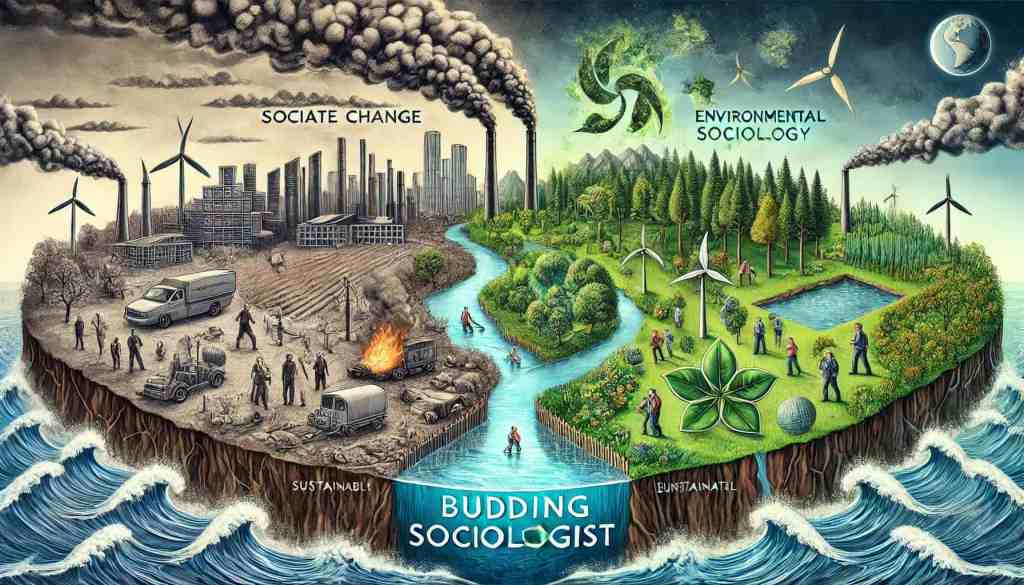
Climate change presents one of the greatest challenges for the United States, influencing nearly every aspect of daily life, from economic stability and public health to infrastructure and social equity. Rising global temperatures, frequent extreme weather events, and long-term shifts in climate patterns pose significant threats to communities across the country. Coastal cities face the dangers of rising sea levels and hurricanes, while inland regions experience prolonged droughts, heatwaves, and wildfires. These environmental changes not only disrupt ecosystems but also impact jobs, housing, and the overall well-being of American society.
However, the consequences of climate change are not experienced equally. Vulnerable communities, including low-income households, Indigenous groups, and people of colour, often face the harshest impacts due to limited access to resources, inadequate infrastructure, and systemic inequalities. Environmental justice movements emphasize the need for fair and inclusive policies that protect these populations from climate-related risks. In response, grassroots organizations, activists, and policymakers are working to advocate for stronger environmental protections and sustainable practices.
The field of environmental sociology provides a framework for understanding the relationship between human societies and environmental change. It explores how social structures, economic systems, and political institutions influence environmental policies, resource distribution, and public attitudes toward climate issues. By examining these dynamics, environmental sociologists help identify patterns of inequality, corporate influence, and policy gaps that hinder effective climate action. Additionally, this discipline sheds light on the role of media, misinformation, and cultural beliefs in shaping how different groups perceive climate science and environmental responsibility.
Addressing climate change requires a broad approach that incorporates scientific research, technological advancements, and social change. Reducing carbon emissions alone is not enough; long-term solutions must include shifts in energy systems, economic models, and urban planning. Federal, state, and local governments play a key role in developing policies that promote climate resilience, such as investing in renewable energy, strengthening disaster preparedness, and improving environmental regulations. Education and community engagement are also essential in fostering a culture of sustainability and collective responsibility.
As climate-related challenges continue to grow, the U.S. must make critical decisions on how to mitigate future risks and adapt to unavoidable changes. Whether through proactive strategies like green infrastructure or reactive responses to natural disasters, the nation’s approach to climate change will shape its future social and economic landscape. Environmental sociology provides valuable insights into these complex issues, helping to ensure that solutions are not only effective but also just and equitable for all communities.
Economic Impact and Social Inequality
Climate change affects the U.S. economy at multiple levels, from labour markets and infrastructure costs to insurance premiums and agricultural losses. However, its effects are not felt equally across society. Low-income communities, rural areas, and marginalized populations often bear the brunt of economic hardships resulting from climate-related disruptions:
1. Workforce Shifts and Employment Challenges: The shift from fossil fuels to renewable energy is transforming the U.S. job market. Industries reliant on coal, oil, and natural gas are shrinking, leading to job losses in regions dependent on these sectors, such as parts of Texas and Appalachia. While renewable energy jobs are increasing, they often require specialized skills, making it difficult for workers from traditional energy sectors to transition. Without significant investments in workforce training programs, many will struggle to adapt, exacerbating regional economic hardships.
2. Unequal Financial Burden on Low-Income Households: Communities with fewer financial resources bear the brunt of climate change-related costs. Many individuals in low-income neighbourhoods struggle to afford the rising expenses associated with climate adaptation, such as home repairs after extreme weather events or higher energy bills due to extreme temperatures. These communities are also often located in areas more vulnerable to flooding, pollution, and other environmental risks, increasing their financial and health burdens.
3. Infrastructure Damage and Recovery Disparities: Natural disasters such as hurricanes, wildfires, and floods inflict billions of dollars in damages each year. While wealthier communities typically have better access to financial resources for rebuilding, lower-income areas face significant challenges in recovering due to a lack of insurance, delays in federal assistance, and limited savings. Past disasters, such as Hurricane Katrina and Hurricane Harvey, have demonstrated the stark contrast in recovery speed and government response between affluent and marginalized neighbourhoods.
4. Rising Home Insurance Costs and Housing Instability: As climate-related risks escalate, insurance companies are raising premiums or pulling out of high-risk areas altogether. Homeowners in regions vulnerable to wildfires, hurricanes, and flooding—such as Florida and California—are struggling to secure affordable coverage. For those in low-income brackets, these rising costs can force them to move to less desirable areas, increasing homelessness and displacement rates.
5. Community Displacement Due to Climate Gentrification: As wealthier individuals seek safer areas with lower climate risks, property values in higher-elevation urban neighbourhoods have surged. This trend, known as climate gentrification, is occurring in cities like Miami, where historically lower-income communities are experiencing an influx of wealthy residents. The result is higher rent and home prices, pushing out long-term residents who cannot afford the rising cost of living.
6. Energy Poverty and High Utility Costs: Extreme weather leads to increased electricity usage, particularly for heating and cooling. Households with limited income often struggle to afford higher utility bills, forcing them to reduce their energy use to unsafe levels. Many older homes in disadvantaged communities also lack proper insulation and energy-efficient appliances, making them more susceptible to extreme temperatures and further increasing their utility expenses.
7. Food Production Disruptions and Rising Costs: Agriculture is facing significant challenges due to droughts, heatwaves, and unpredictable weather. Farmers in regions such as the Midwest and California’s Central Valley are experiencing reduced crop yields, which in turn leads to higher food prices nationwide. Rising costs disproportionately impact low-income households that already struggle with food insecurity, making access to fresh and nutritious food even more difficult.
8. Health Costs and Medical Strains: The economic impact of climate change extends to public health, increasing the number of heat-related illnesses, respiratory conditions due to air pollution, and vector-borne diseases like Lyme disease. These health crises create additional financial strain on individuals and healthcare systems. Communities with limited access to medical services face increased vulnerability, as they often lack the resources to afford preventative care and treatments for climate-related illnesses.
9. Disparities in Disaster Recovery and Aid Distribution: Federal and state disaster aid programs often favour wealthier property owners over renters and low-income families. Homeowners typically receive larger grants and faster assistance from programs like FEMA, whereas renters, who may have lost all their belongings in a disaster, struggle to receive comparable financial support. Additionally, communities with stronger political influence and legal advocacy tend to secure more funding for rebuilding, while historically marginalized groups face delays or inadequate relief.
10. Long-Term Economic Uncertainty and Climate Migration: Rising sea levels, frequent wildfires, and severe storms are causing many Americans to relocate. Cities like New Orleans, Miami, and Norfolk are seeing residents leave due to increased flooding and economic instability. Many of those forced to migrate are lower-income individuals who cannot afford to rebuild after repeated disasters. This migration pattern places strain on the infrastructure and resources of cities receiving displaced populations, potentially worsening economic disparities across different regions.
Conclusion: Climate change is deepening economic inequalities across the United States, affecting jobs, housing, healthcare, and overall financial security. While wealthier individuals and communities have the resources to adapt, marginalized groups face the greatest hardships. Addressing these disparities requires comprehensive policies that prioritize workforce training, affordable housing, equitable disaster relief, and financial assistance programs, ensuring a fair transition to a more climate-resilient society.
Environmental Justice and Vulnerable Communities
Environmental justice focuses on the unequal burden of environmental hazards faced by marginalized communities, particularly low-income groups, people of colour, and Indigenous populations. In the U.S., these communities are more likely to experience pollution, climate disasters, and inadequate environmental protections. Problems such as contaminated air and water, urban heat islands, and a lack of climate adaptation resources contribute to worsening health and economic inequalities. Although advocacy efforts and policy reforms aim to address these issues, systemic challenges remain. Ensuring environmental justice requires inclusive policymaking, corporate responsibility, and community-led initiatives to create a more sustainable and equitable future:
1. Unequal Exposure to Environmental Hazards: Disadvantaged communities, particularly low-income neighbourhoods and communities of colour, often reside near industrial sites, highways, and waste disposal areas. This proximity increases their exposure to harmful pollutants, contributing to respiratory illnesses, heart conditions, and higher cancer rates. For example, Louisiana’s “Cancer Alley,” an area with a high concentration of petrochemical plants, has led to significantly elevated health risks for local residents.
2. Heat Disparities in Urban Areas: Urban heat islands disproportionately affect low-income communities due to a lack of green spaces and the prevalence of heat-absorbing infrastructure like asphalt and concrete. These neighbourhoods experience higher temperatures, increasing the risk of heat-related illnesses such as dehydration and heatstroke. Many residents cannot afford air conditioning or face high electricity costs, making them even more vulnerable during heat waves.
3. Climate Disasters and Recovery Challenges: Natural disasters such as hurricanes, wildfires, and flooding impact disadvantaged communities more severely, both in immediate destruction and long-term recovery. During Hurricane Katrina, for instance, predominantly Black neighbourhoods in New Orleans suffered greater losses and received delayed aid compared to wealthier areas. In California, wildfires force low-income farmworkers and renters to flee without financial support, leaving them with few options for rebuilding their lives.
4. Water Contamination and Public Health Risks: Access to clean water remains a major issue in many marginalized communities. The Flint water crisis, where lead-contaminated water exposed thousands to serious health risks, highlighted systemic neglect toward low-income and predominantly Black populations. Similarly, Indigenous communities, such as those in Navajo Nation, continue to face persistent water quality issues due to inadequate infrastructure and pollution from nearby industries.
5. Indigenous Land Rights and Environmental Threats: Native American communities have long faced land disputes and environmental degradation due to government policies and industrial expansion. Protests against the Dakota Access Pipeline demonstrated Indigenous resistance to projects that threaten water sources and sacred lands. Additionally, rising sea levels are forcing coastal Indigenous populations, like those in Alaska and Louisiana, to relocate, making them some of the first climate migrants in the U.S.
6. Air Pollution and Respiratory Health Disparities: Many low-income and minority neighbourhoods suffer from poor air quality due to their location near highways, factories, and power plants. This exposure contributes to higher asthma rates and other respiratory illnesses. Studies indicate that Black children are more likely to be hospitalized for asthma than white children, largely due to environmental factors. Latino communities living in agricultural areas also face health risks from pesticide exposure and wildfire smoke.
7. Limited Representation in Environmental Policy: Many communities most affected by environmental hazards have little say in decision-making processes. Corporations with strong political influence often shape environmental regulations in ways that prioritize profit over community well-being. As a result, environmental laws are not always enforced equally, allowing pollution and hazardous developments to continue in areas with less political power.
8. Disparities in Green Infrastructure and Climate Adaptation: Wealthier neighbourhoods often benefit from investments in parks, sustainable transit, and energy-efficient housing, while low-income communities struggle with aging infrastructure and limited environmental initiatives. Without targeted efforts to expand access to green infrastructure, the gap between affluent and marginalized communities will continue to widen as climate change intensifies.
9. Community Advocacy and Grassroots Efforts: Despite systemic challenges, local organizations and activists are working to address environmental injustices. Groups such as the Sunrise Movement, Indigenous Environmental Network, and local environmental justice coalitions push for stronger regulations, pollution reduction, and climate resilience initiatives. Community-driven projects, such as urban farming and solar cooperatives, empower residents to improve their environment and advocate for sustainable solutions.
10. Policy Solutions and Future Steps: Federal and state governments have begun implementing policies to address environmental inequalities. The Justice40 Initiative, for example, seeks to direct a significant portion of federal climate investments to disadvantaged communities. Some states have enacted laws that prioritize pollution reduction in overburdened areas. However, ensuring effective enforcement, increasing public participation in environmental policy, and holding corporations accountable remain critical to achieving lasting environmental justice.
Conclusion: Achieving environmental justice is essential to ensuring that all individuals, regardless of socio-economic status or background, have access to a clean and healthy environment. Historically, marginalized communities have faced disproportionate exposure to pollution, climate-related disasters, and inadequate infrastructure. While advocacy efforts and policy measures have led to some improvements, stronger enforcement, corporate responsibility, and greater community participation are necessary for lasting change. Prioritizing these vulnerable populations in environmental decision-making and sustainability initiatives will help create a more equitable society where no group bears an unfair share of environmental burdens or risks.
Public Health Implications
Climate change has far-reaching effects on public health in the U.S., exacerbating existing health crises and creating new challenges. The impacts range from increased heat-related illnesses to the spread of infectious diseases, worsened air quality, and negative mental health effects. Vulnerable populations—including children, the elderly, low-income communities, and people with pre-existing health conditions—are disproportionately affected:
1. Rising Temperatures and Heat-Related Health Risks: As global temperatures increase, the frequency and intensity of heat waves have risen, posing a significant threat to public health. Certain populations, including older adults, young children, and individuals with pre-existing medical conditions, are more vulnerable to heat-related illnesses such as heatstroke and dehydration. Urban areas face an additional challenge known as the urban heat island effect, where buildings and pavement absorb and retain heat, making cities noticeably warmer than rural areas. Those without access to air conditioning or cooling centers are at greater risk, highlighting the need for better heat mitigation strategies.
2. Declining Air Quality and Respiratory Conditions: Climate change contributes to worsening air pollution, leading to respiratory issues and cardiovascular diseases. One of the major factors is an increase in ground-level ozone and fine particulate matter, which can exacerbate asthma, bronchitis, and lung disease. Additionally, wildfires—driven by hotter, drier conditions—produce harmful smoke, spreading toxins over vast distances. Poor air quality particularly affects children, the elderly, and low-income communities who may have limited access to healthcare or live in areas with high pollution levels.
3. Longer Allergy Seasons and Respiratory Irritants: Warmer temperatures and higher carbon dioxide concentrations have extended the growing season for plants that produce pollen, leading to prolonged allergy seasons. This intensifies conditions like hay fever and asthma, causing discomfort and respiratory distress for millions of people. Those already suffering from chronic respiratory diseases may experience more severe symptoms, increasing the demand for medical interventions.
4. Increase in Mosquito-Borne Diseases: Climate shifts have allowed disease-carrying mosquitoes to thrive in new regions, increasing the spread of illnesses such as West Nile virus, Zika virus and dengue fever. Higher temperatures and increased humidity create ideal breeding conditions, particularly in southern states like Florida and Texas. These diseases, once primarily confined to tropical areas, are becoming more common in the U.S., necessitating expanded disease monitoring and mosquito control efforts.
5. Expansion of Tick-Borne Illnesses: Warmer temperatures and shorter winters have contributed to the growing presence of ticks carrying Lyme disease and Rocky Mountain spotted fever. These parasites, which were once limited to certain regions, have expanded into new areas, increasing infection risks. The spread of tick-borne diseases is a growing public health concern, particularly for those living in rural and wooded regions of the Northeast and Midwest.
6. Water Contamination and Foodborne Illnesses: Extreme weather events, such as hurricanes and heavy rainfall, can lead to the contamination of water supplies. Flooding overwhelms wastewater systems, allowing harmful bacteria and chemicals to seep into drinking water sources. Additionally, warming ocean waters promote the growth of harmful algal blooms, which release toxins that can make seafood unsafe for consumption. This poses significant health risks, including gastrointestinal illnesses and neurological issues.
7. Mental Health Challenges and Psychological Strain: The increasing frequency of climate-related disasters, such as hurricanes, wildfires, and floods, has led to widespread emotional and psychological distress. People who experience loss of homes, livelihoods, or loved ones due to environmental catastrophes often suffer from anxiety, depression, and post-traumatic stress disorder (PTSD). Additionally, many individuals, particularly younger generations, experience climate anxiety, a growing concern about the long-term effects of climate change on the planet and future generations.
8. Higher Mortality and Hospitalization Rates: Extreme weather events and worsening environmental conditions have led to an increase in hospital visits and deaths. Heat waves result in spikes in emergency room admissions, particularly among people with existing health conditions like heart disease and diabetes. Poor air quality contributes to more cases of respiratory distress, while natural disasters such as wildfires and hurricanes lead to injuries, burns, and fatalities. These health crises place a growing burden on emergency medical services and hospitals.
9. Displacement and Health Risks from Climate Migration: As climate-related disasters intensify, more communities face the possibility of relocation due to rising sea levels, droughts, or wildfires. This forced displacement disrupts lives, causing stress and limiting access to healthcare services. Displaced individuals, particularly those from lower-income backgrounds, may face challenges in finding stable housing, employment, and medical care, further exacerbating existing health disparities.
10. Increased Strain on the Healthcare System: The growing prevalence of climate-related illnesses and injuries is placing immense pressure on healthcare systems across the U.S. Emergency departments face surges in patient numbers during heat waves and extreme weather events, often straining hospital resources. Additionally, disruptions to healthcare infrastructure, such as power outages and facility damage from storms or wildfires, can delay critical medical treatments. The rising costs associated with treating climate-related health conditions further add to the financial burden on hospitals, insurance providers, and patients.
Conclusion: The health effects of climate change in the U.S. are broad and deeply interconnected, impacting physical, mental, and social well-being. Addressing these challenges requires proactive policies, improved healthcare infrastructure, and climate resilience strategies. Investing in cleaner energy, sustainable urban planning, and healthcare preparedness will be crucial in mitigating the worsening health risks associated with climate change in the years ahead.
Political and Social Responses to Climate Change
Climate change in the United States is deeply intertwined with political ideologies, policy-making, activism, and corporate influence. Responses to climate change vary widely based on political affiliation, socio-economic factors, and regional priorities. The debate over environmental policies has contributed to a divided landscape, with conflicting approaches at federal, state and local levels:
1. Political Divide and Policy Disagreements: Climate change remains a highly contentious issue in U.S. politics, with differing views largely split along party lines. Democrats generally advocate for strong environmental regulations, renewable energy investments, and emissions reductions, while many Republicans express concerns over economic impacts and government overreach. This ideological divide influences federal policies, with each administration shaping its climate agenda accordingly. For example, the Trump administration rolled back environmental protections and withdrew from the Paris Agreement, whereas the Biden administration rejoined the accord and allocated significant funding for clean energy initiatives.
2. State and Local Leadership in Climate Action: Given the challenges of passing comprehensive federal climate policies, individual states and cities have taken the initiative to address climate change. States such as California and New York have implemented ambitious environmental policies, including clean energy mandates and emissions reduction targets. Meanwhile, states reliant on fossil fuel industries, like Texas and West Virginia, tend to resist regulations that could affect their economies. Cities, too, play a role in climate adaptation, developing sustainability programs, investing in green infrastructure, and preparing for extreme weather events.
3. Youth and Grassroots Movements: Climate activism, especially among young people, has gained momentum in recent years. Organizations like the Sunrise Movement and youth-led climate strikes have called for stronger policies to combat global warming. These activists push for initiatives such as the Green New Deal, which aims to transition the economy toward renewable energy while promoting job creation and social equity. Their efforts include protests, lobbying campaigns, and educational outreach to raise awareness and influence policymakers.
4. Indigenous Leadership in Environmental Protection: Indigenous communities have been instrumental in advocating for environmental conservation and resisting projects that threaten their lands. The Standing Rock Sioux Tribe’s opposition to the Dakota Access Pipeline became a defining moment in Indigenous-led environmental activism. Many Indigenous groups emphasize traditional ecological knowledge and sustainable land management, offering valuable insights into combating climate change. Their efforts continue to shape discussions on environmental justice and resource protection.
5. Climate Lawsuits and Legal Challenges: Legal action has become an important tool in holding governments and corporations accountable for their environmental impact. Lawsuits such as Juliana v. United States, filed by young plaintiffs, argue that government inaction on climate change violates constitutional rights. Additionally, cities and states have taken legal action against major oil and gas companies, alleging that they misled the public about climate risks while continuing to contribute to carbon emissions. These cases highlight growing efforts to address climate change through the judicial system.
6. Corporate Responses and Greenwashing: Many businesses have pledged to reduce their carbon footprint and adopt sustainable practices. However, some companies engage in “greenwashing”—making misleading claims about their environmental impact without making substantial changes. While corporations such as Apple and Microsoft have committed to achieving net-zero emissions, others in the fossil fuel industry continue to invest heavily in oil and gas production while promoting their limited clean energy efforts. The role of corporations in climate policy remains a subject of debate, with ongoing scrutiny over their actual contributions to sustainability.
7. Public Perception and Media Influence: The American public’s views on climate change are shaped by political affiliations, personal experiences, and media narratives. While awareness of climate issues has grown, misinformation remains a challenge. Some media outlets present climate change as a controversial issue rather than a scientific consensus. Conservative networks often downplay the urgency of climate action, while progressive platforms emphasize the need for immediate policy changes. Social media has further complicated the discussion, spreading both factual information and misinformation about climate science and policy.
8. Impact of Extreme Weather Events: Natural disasters such as hurricanes, wildfires, and heatwaves have intensified due to climate change, prompting more Americans to acknowledge the reality of global warming. These disasters have led to greater support for climate adaptation measures, such as infrastructure improvements and emergency preparedness programs. However, disparities in disaster response and recovery funding highlight social inequalities, as lower-income communities often struggle to rebuild and access assistance compared to wealthier areas.
9. Community-Led Adaptation and Resilience Efforts: Many communities are taking local action to mitigate and adapt to climate change. Cities are investing in green infrastructure, such as flood-resistant buildings and urban tree planting, to reduce climate risks. Community solar projects and food sustainability programs help lower-income neighbourhoods access clean energy and fresh produce. Localized efforts demonstrate that while national policies are important, smaller-scale initiatives play a crucial role in addressing climate challenges at the community level.
10. Challenges and Future Directions: As climate change continues to impact the U.S., addressing the crisis requires overcoming political gridlock, misinformation, and economic concerns. The transition to renewable energy presents opportunities for job creation and economic growth, but ensuring a just transition for fossil fuel workers and vulnerable communities remains a priority. Whether through policy, activism, legal action, or corporate accountability, sustained efforts will be needed to build a more sustainable and equitable future.
Conclusion: Tackling climate change in the United States requires bridging political divides, countering misinformation, and promoting science-based policies. While federal action faces obstacles, state governments, grassroots movements, and legal challenges are driving progress. The increasing frequency of extreme weather highlights the urgent need for sustainable solutions, though disparities in disaster recovery expose social inequities. Transitioning to clean energy offers economic opportunities, but it must be done equitably. Moving forward, cooperation among lawmakers, businesses, and communities will be crucial in building a more sustainable and resilient future, ensuring environmental and social stability for generations to come.
Climate-Induced Migration and Urban Planning
Climate-induced migration is a growing issue in the United States as extreme weather events, rising sea levels, droughts, and wildfires force people to relocate. This phenomenon affects both urban and rural populations and has major social, economic, and political consequences. Urban planning plays a crucial role in managing these shifts, ensuring sustainable development, and mitigating displacement impacts:
1. Displacement Due to Rising Sea Levels: Coastal communities in the U.S. are increasingly vulnerable to rising sea levels, particularly in states like Florida, Louisiana, and the Carolinas. Cities such as Miami and New Orleans frequently experience tidal flooding, prompting many residents to consider relocating. Entire communities, like Isle de Jean Charles in Louisiana, have been identified for planned relocation as land loss becomes irreversible. Additionally, declining property values in flood-prone areas are driving migration inland, affecting both homeowners and local economies.
2. Hurricane-Driven Relocation: Intensifying hurricanes have led to widespread displacement across coastal regions, with major storms such as Katrina (2005), Sandy (2012), and Harvey (2017) devastating entire communities. The aftermath of these disasters often highlights socio-economic inequalities, as lower-income families struggle to rebuild or relocate. Recovery efforts frequently take longer in marginalized neighbourhoods, leaving many without stable housing. The increased frequency of these extreme weather events continues to push more residents away from high-risk coastal areas.
3. Wildfires and Population Shifts in the West: The western United States, particularly California, has faced a surge in destructive wildfires due to prolonged drought and increasing temperatures. Entire towns, such as Paradise, California, have been destroyed, forcing thousands of residents to seek new homes. Many displaced individuals struggle with rising insurance costs and housing shortages in safer regions. The unpredictability of wildfires is prompting a growing number of people to leave fire-prone areas for states perceived as less vulnerable, such as Oregon and Washington.
4. Drought and Water Shortages Prompt Migration: Water scarcity is an escalating issue in states like Arizona, Nevada, Texas, and California. The shrinking Colorado River, a crucial water source for millions, has made it increasingly difficult for residents and agricultural workers to sustain their livelihoods. Drought conditions have led to job losses in farming communities, forcing many to relocate to areas with more stable water access. As water availability becomes a critical factor in settlement patterns, regions with reliable water sources are experiencing population growth.
5. Escaping Extreme Heat in Urban Centers: Cities such as Phoenix, Las Vegas, and Houston are experiencing prolonged and extreme heat waves, creating unsafe living conditions, particularly for vulnerable populations. The urban heat island effect, where concrete and asphalt retain heat, exacerbates temperature increases, disproportionately affecting low-income communities. Rising heat-related illnesses and concerns about long-term livability are driving some residents to seek cooler climates. Northern states and cities with more temperate weather are seeing an influx of climate migrants seeking relief from extreme temperatures.
6. Shifting Migration Patterns Within the U.S.: As climate risks grow, migration patterns show a trend of people moving away from high-risk coastal and desert regions to inland and northern cities. Metropolitan areas such as Atlanta, Denver, and Minneapolis have seen population increases due in part to climate migration. However, rapid population growth in these cities places strain on infrastructure, housing, and public services. Without proper planning, cities receiving an influx of climate migrants may face overcrowding and economic disparities.
7. Challenges in Sustainable Urban Development: Many cities are investing in infrastructure designed to withstand climate challenges, such as flood-resistant buildings, green spaces, and seawalls. Coastal cities like New York and Miami are implementing large-scale projects to mitigate rising water levels, while inland cities focus on sustainable urban planning to accommodate new residents. However, not all municipalities have the resources or policies in place to manage climate migration effectively, leading to unplanned expansion and increased pressure on public services.
8. Housing Affordability and Economic Inequality: One of the significant challenges of climate migration is ensuring access to affordable housing in destination cities. Many individuals who are forced to leave high-risk areas struggle to find housing, as demand in climate-resilient cities leads to rising rent and property prices. Low-income families, who often lack the financial resources to relocate, may be pushed into overcrowded or low-quality housing. Cities must adopt inclusive housing policies to prevent climate migration from worsening existing economic inequalities.
9. Social and Political Tensions in Receiving Areas: The arrival of climate migrants in certain regions has led to social and political tensions. Communities in states such as Idaho, Colorado, and Montana have seen an influx of residents from states like California and Texas, leading to cultural and economic shifts. Some long-term residents resist these changes, especially if migration contributes to increased housing costs and demand for public services. Addressing these tensions requires policies that balance local concerns with the necessity of accommodating climate-displaced populations.
10. Future Strategies for Climate Migration Management: As climate-related displacement continues, experts anticipate that millions more Americans will need to relocate in the coming decades. Currently, the U.S. lacks a national strategy for managing internal climate migration, resulting in inconsistent responses across states. To address this challenge, policies must focus on sustainable infrastructure development, equitable housing solutions, and climate adaptation strategies. Proactive planning can help reduce the negative impacts of displacement and ensure a more resilient and equitable future for all communities.
Conclusion: Climate-induced migration is transforming the demographic and economic landscape of the United States. The movement of populations away from climate-vulnerable areas presents challenges in housing, infrastructure, and social integration. Urban planning and government policies must evolve to address these shifts, ensuring that cities can accommodate displaced populations while promoting sustainability and resilience. With strategic investment and forward-thinking policies, the U.S. can better manage climate migration and create communities that are prepared for future environmental challenges.
Role of Environmental Sociology in Understanding Climate Change and Society
Environmental sociology is a critical field that examines the complex relationships between society and the environment. It provides insights into how social structures, economic systems, political ideologies, and cultural narratives shape environmental issues and responses. In the context of climate change in the U.S., environmental sociology helps explain why some communities are more vulnerable than others, why policy responses vary, and how collective action can drive meaningful change:
1. Understanding Public Perception of Climate Change: Environmental sociology explores how different societal factors shape the way climate change is perceived in the United States. Media narratives, political ideologies, and corporate messaging influence how the public understands and responds to climate issues. In the U.S., the topic is highly polarized, with debates often overshadowing scientific consensus. Sociologists study these perspectives to identify ways to improve communication and bridge ideological gaps, fostering a more informed and proactive society.
2. Examining Government and Institutional Climate Policies: The responses of governments, corporations, and institutions to climate challenges are a central focus of environmental sociology. The U.S. exhibits a range of policy approaches, with some states aggressively implementing climate initiatives while others resist due to economic and political considerations. By analyzing factors such as lobbying efforts, legislative decisions, and public advocacy, sociologists assess the effectiveness of environmental laws and explore ways to enhance climate governance.
3. Investigating Environmental Justice and Social Disparities: Climate change disproportionately affects marginalized communities, making environmental justice a critical area of study. Low-income and minority populations are more likely to experience pollution, limited access to green spaces, and inadequate disaster preparedness. Events such as the Flint water crisis and the placement of hazardous waste sites in disadvantaged neighbourhoods highlight the systemic inequities that environmental sociology seeks to address. Identifying these disparities can help develop policies that promote fairness and resilience in environmental decision-making.
4. Understanding Climate-Related Migration and Displacement: Environmental sociology examines how climate change influences human migration patterns in the U.S. Rising sea levels, extreme weather events, and prolonged droughts are forcing people to relocate, affecting communities and economies. Cities such as Miami and New Orleans face increasing risks, pushing residents inland. Sociologists analyze the social and economic effects of these migrations, including housing affordability, employment opportunities, and local adaptation strategies, to help guide future urban planning.
5. Exploring Grassroots Activism and Community Movements: Grassroots organizations play a significant role in shaping climate action, and environmental sociologists study how these movements gain momentum. Activist groups, including youth-led initiatives and Indigenous protests, have raised awareness and influenced policy changes. Researchers examine how these movements form, how they leverage social networks and digital platforms, and what factors contribute to their success in driving legislative and social change.
6. Evaluating Corporate Environmental Practices: Corporations significantly impact environmental sustainability, and environmental sociology critically examines their role in either addressing or exacerbating climate change. Many businesses market themselves as environmentally responsible while continuing unsustainable practices, a phenomenon known as “greenwashing.” Researchers assess the credibility of corporate sustainability initiatives and investigate the effectiveness of consumer-driven pressure in pushing for meaningful environmental responsibility.
7. Analyzing Public Attitudes and Behaviour Toward Climate Action: A key area of environmental sociology is understanding why some individuals adopt sustainable behaviours while others resist change. While scientific evidence supports urgent climate action, behavioural patterns often depend on social influences, economic constraints, and perceived risks. Sociologists study these factors to identify the best strategies for promoting sustainable practices, such as renewable energy adoption, waste reduction, and environmentally friendly consumption habits.
8. Assessing Climate Adaptation Strategies in Urban Areas: Cities across the U.S. are implementing measures to combat climate risks, including flood defenses, heat mitigation projects, and improved infrastructure. Environmental sociology examines the effectiveness of these initiatives and whether they equitably benefit all communities. While wealthier areas may receive greater investments in climate adaptation, lower-income neighbourhoods often lack the resources to prepare for extreme weather events. Sociologists explore ways to ensure urban resilience efforts are inclusive and just.
9. Examining the Effectiveness of Climate Policies: Environmental sociologists analyze the implementation and outcomes of climate policies to determine their real-world impact. They explore challenges such as political opposition, economic feasibility, and community engagement to assess whether policies achieve their intended goals. Understanding these dynamics helps improve policy design, ensuring that climate legislation is both effective and socially equitable.
10. Encouraging Interdisciplinary Approaches to Climate Solutions: Environmental sociology emphasizes collaboration with climate scientists, economists, and urban planners to develop well-rounded climate solutions. By combining social research with scientific data, policymakers can design strategies that are both technically sound and socially fair. This interdisciplinary approach ensures that climate action considers human behaviour, economic systems, and social justice, leading to more effective and equitable environmental policies.
Conclusion: Environmental sociology plays a vital role in addressing the societal impacts of climate change in the U.S. By examining public attitudes, policy responses, corporate accountability, and social inequalities, this field provides valuable insights into creating sustainable and just solutions. As climate change continues to shape American communities, the contributions of environmental sociology will be essential in guiding policies and practices that support long-term resilience and equity.
References and Readings:
- Bullard, R. D. (2000). Dumping in Dixie: Race, class, and environmental quality (3rd ed.). Westview Press. https://amzn.to/41WWR90
- Dunlap, R. E., & Brulle, R. J. (Eds.). (2015). Climate change and society: Sociological perspectives. Oxford University Press. https://amzn.to/4kvDg8y
- Intergovernmental Panel on Climate Change. (2021). Sixth assessment report (AR6). IPCC. Retrieved from https://www.ipcc.ch/report/ar6/
- U.S. Environmental Protection Agency. (n.d.). Climate change impacts in the United States. EPA. Retrieved from https://www.epa.gov/climate-change
- National Oceanic and Atmospheric Administration. (n.d.). Climate reports and data. NOAA. Retrieved from https://www.ncdc.noaa.gov/
- U.S. Government Accountability Office. (2020). Climate migration and displacement: Report to congressional requesters. GAO. Retrieved from https://www.gao.gov/
- American Sociological Association. Environmental sociology section. ASA. Retrieved from https://www.asanet.org/sections/environmental-sociology
- Center for Climate and Energy Solutions. Policy and societal impact analyses. C2ES. Retrieved from https://www.c2es.org/
- Union of Concerned Scientists. Communities on the front lines of climate change. UCS. Retrieved from https://www.ucsusa.org/