- Introduction
- The Sociological Foundation of Blockchain and DeFi
- Adoption and Demographics of Blockchain and DeFi
- Social Impact and Economic Inequality
- Regulatory Challenges and Government Response
- Cultural Shifts and Public Perception
- Future Implications for Society
Introduction
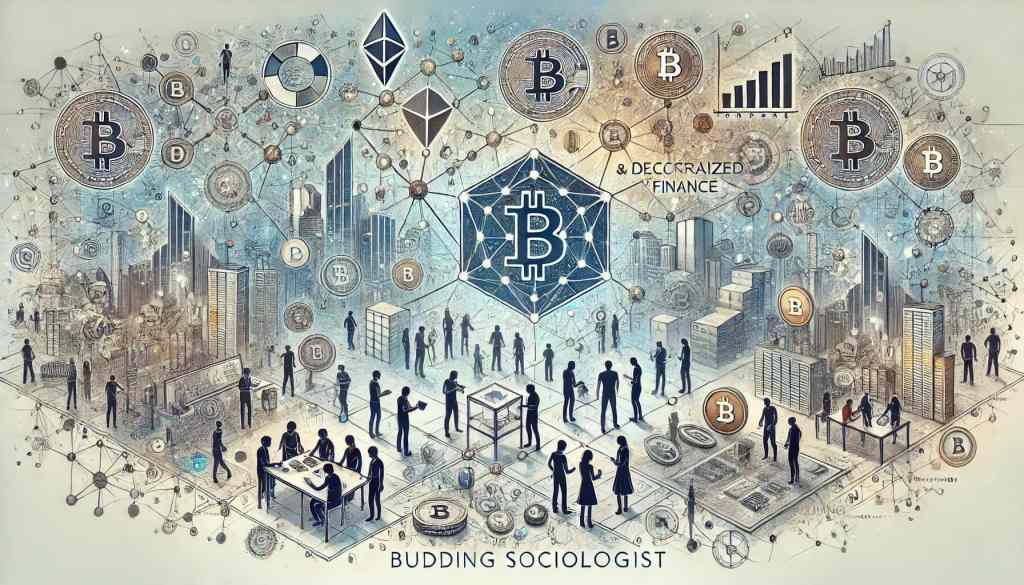
Blockchain technology and decentralized finance (DeFi) are reshaping the financial system in the United States, challenging traditional banking institutions and altering economic and social dynamics. At its core, blockchain operates as a distributed ledger that records transactions in a secure and transparent manner, removing the need for centralized intermediaries like banks and financial regulators. DeFi builds on this concept by offering financial services—including lending, borrowing, trading, and asset management—through smart contracts and decentralized protocols. These innovations have far-reaching sociological implications, influencing trust in financial systems, shifting power structures, and redefining economic opportunities. While blockchain and DeFi offer new possibilities for financial inclusion and independence, they also introduce challenges such as regulatory uncertainty, security risks, and economic disparities.
From a sociological standpoint, blockchain and DeFi represent a fundamental transformation in how individuals and communities engage with financial systems. Traditional financial institutions have long controlled access to credit, investments, and economic mobility. In contrast, DeFi platforms enable peer-to-peer transactions without relying on central authorities, shifting financial power directly to users. This decentralization fosters greater financial autonomy but also brings new challenges, including susceptibility to fraud, market volatility, and digital exclusion. Moreover, the anonymity of blockchain transactions raises ethical and legal concerns regarding accountability, taxation, and potential misuse for illicit activities, leading to increased regulatory scrutiny.
The growing interest in DeFi within the U.S. can be attributed to several social factors, including a distrust of conventional financial institutions, dissatisfaction with high banking fees, and the increasing demand for decentralized financial alternatives. Younger generations, particularly millennials and Gen Z, have been at the forefront of this movement, driven by their familiarity with digital technology and their experiences with financial instability, such as the 2008 economic crisis and the disruptions caused by the COVID-19 pandemic. However, despite the promise of DeFi as an inclusive financial system, it has also introduced new forms of economic disparity. Access to decentralized financial tools requires technological proficiency, internet connectivity, and an understanding of complex financial mechanisms, creating a gap between those who can fully participate and those who remain marginalized.
Beyond finance, blockchain technology is being integrated into various industries, including supply chain management, healthcare, and governance, signaling a broader shift toward decentralization. As these innovations expand, governments and regulatory bodies in the U.S. are working to develop policies that balance technological growth with consumer protection. The debate over how to regulate DeFi highlights the tension between preserving the principles of decentralization and ensuring financial stability. Finding a middle ground remains a key challenge, as regulators seek to address concerns over fraud, taxation, and systemic risks while allowing room for innovation.
As the U.S. continues to adapt to the rapid evolution of blockchain and DeFi, understanding their sociological impact is essential. Examining how these technologies influence economic participation, governance models, and societal perceptions of financial trust will be critical in shaping policies and innovations that maximize benefits while addressing risks. Analyzing the broader societal changes driven by DeFi will provide insights into its potential role in shaping financial inclusion, economic equity, and institutional power structures in the years to come.
The Sociological Foundation of Blockchain and DeFi
The emergence of blockchain and decentralized finance (DeFi) represents a paradigm shift in financial and social structures. These technologies challenge traditional financial institutions, redefine trust, redistribute power, and reshape economic relationships. The sociological foundation of blockchain and DeFi can be analyzed through key concepts such as decentralization, trust, power dynamics, financial inclusion, and the changing nature of social interactions in the digital economy:
1. Decentralization and the Shift in Financial Trust: Blockchain and decentralized finance (DeFi) reduce reliance on traditional financial institutions like banks and regulatory agencies. Instead of placing trust in centralized authorities, users rely on blockchain protocols, which use cryptographic verification to secure transactions. This transition from institutional trust to a system based on mathematical consensus changes how people perceive financial security and accountability, challenging long-established financial norms.
2. Redistribution of Financial Power: Traditional finance is structured around banks, governments, and regulatory bodies controlling financial transactions. DeFi shifts this power to individuals by allowing direct peer-to-peer transactions without intermediaries. While this fosters financial independence, it also creates a new hierarchy where those with technical knowledge and early access to cryptocurrency markets gain significant influence, reinforcing wealth disparities in new ways.
3. Financial Inclusion and the Risk of Digital Exclusion: DeFi platforms are often praised for expanding access to financial services, especially for individuals who lack traditional banking options. By removing barriers such as credit history requirements, DeFi makes lending and investing more accessible. However, participation requires technological proficiency, internet access, and knowledge of cryptocurrency security, which can exclude economically disadvantaged individuals who lack these resources.
4. Privacy and Anonymity in Financial Transactions: Unlike conventional financial systems, which require personal identification, blockchain transactions operate through pseudonymous wallet addresses. This enhances privacy by reducing exposure to data breaches and surveillance. However, concerns arise regarding the potential for illicit financial activities, leading to increasing regulatory efforts to introduce identity verification measures, such as Know Your Customer (KYC) requirements, within DeFi platforms.
5. Redefining Creditworthiness and Financial Reputation: In traditional banking, an individual’s financial credibility is determined by credit scores and banking history. DeFi introduces a different model, where financial reputation is built through blockchain transaction records. Lending and borrowing decisions rely on smart contracts rather than institutional assessments. While this method removes biases from traditional credit systems, it also poses challenges for users who are unfamiliar with decentralized finance or unable to establish a transaction history.
6. Community-Driven Governance in DeFi: Many DeFi projects use Decentralized Autonomous Organizations (DAOs) to make governance decisions. These organizations allow token holders to vote on changes, creating a participatory financial system. However, governance power is often concentrated among large token holders, leading to a system where financial influence determines decision-making power. This raises concerns about whether DeFi truly democratizes finance or simply shifts control from institutions to wealthy investors.
7. Wealth Concentration and Market Volatility: While DeFi promises financial empowerment, it has also led to wealth accumulation among early adopters of cryptocurrency. Individuals who invested in blockchain technologies early have seen substantial gains, while latecomers often face significant market risks. The speculative nature of DeFi can lead to extreme price fluctuations, putting inexperienced investors at risk of financial losses, while those with insider knowledge benefit from market cycles.
8. Ideological Foundations of Blockchain and DeFi: The principles behind blockchain and DeFi are heavily influenced by libertarian and cypherpunk ideologies, which advocate for financial autonomy, decentralization, and resistance to centralized oversight. While these technologies aim to reduce institutional control, real-world implementation has led to contradictions, as governments and financial institutions integrate blockchain while simultaneously seeking to regulate it. This tension influences how DeFi is perceived and adopted in different sectors.
9. Automation and the Changing Role of Financial Interactions: Traditional finance relies on personal relationships between customers and financial professionals, such as bankers and loan officers. In contrast, DeFi automates financial transactions using smart contracts, eliminating the need for human intermediaries. While this reduces inefficiencies and biases, it also places greater responsibility on users to navigate complex financial protocols without professional guidance, potentially increasing financial risks for those unfamiliar with the system.
10. Regulatory Challenges and Societal Impact: The lack of clear regulations surrounding DeFi presents challenges for both users and developers. While decentralization promotes financial independence, it also raises concerns about fraud, security risks, and the absence of consumer protection. Regulatory bodies such as the Securities and Exchange Commission (SEC)and the Commodity Futures Trading Commission (CFTC) are actively working to introduce oversight measures. Striking a balance between innovation and regulation is crucial, as excessive restrictions could hinder growth while a lack of oversight may expose users to financial instability.
Conclusion: Blockchain and DeFi are reshaping the financial landscape by introducing decentralized alternatives to traditional banking. While they offer increased financial autonomy, they also present challenges related to governance, accessibility, and regulation. The long-term success of DeFi will depend on how effectively it balances decentralization with security, inclusion with technological accessibility, and innovation with consumer protection. Understanding these sociological implications is essential to navigating the evolving role of decentralized finance in society.
Adoption and Demographics of Blockchain and DeFi
The adoption of blockchain and decentralized finance (DeFi) in the United States varies across different demographics, influenced by factors such as age, socio-economic status, financial literacy, and technological access. While DeFi has been promoted as an inclusive alternative to traditional finance, its adoption remains uneven, with certain groups benefiting more than others. This section explores the key demographic trends in DeFi adoption, highlighting the opportunities and challenges for different social groups.
1. Young Generations Driving DeFi Growth: The younger demographic, particularly Millennials and Gen Z, is at the forefront of blockchain and decentralized finance (DeFi) adoption in the United States. These generations have grown up in a digital world, making them more receptive to emerging financial technologies. Millennials, having witnessed the financial instability caused by the 2008 recession, tend to be skeptical of traditional banking institutions and seek alternative financial solutions. Meanwhile, Gen Z, being digital natives, are highly engaged with decentralized applications, cryptocurrency trading, and NFT investments. Their ease with technology positions them as the primary adopters of DeFi compared to older generations, who are often less inclined to explore decentralized financial services.
2. DeFi’s Appeal to High-Income Individuals: While DeFi promotes financial inclusion, wealthier individuals have been the primary beneficiaries. Those who invested in cryptocurrencies early have seen significant financial gains, allowing them to engage in yield farming, staking, and liquidity provision with less risk. Affluent users also have access to financial education, investment advisors, and the resources needed to navigate complex DeFi platforms. Conversely, lower-income individuals may be more hesitant due to financial instability, the risks associated with crypto volatility, and the technical barriers that make DeFi less accessible to those unfamiliar with digital finance.
3. Challenges and Opportunities for the Financially Underserved: DeFi presents a potential alternative for unbanked and underbanked populations, offering financial services without the need for traditional banking infrastructure. In the U.S., many individuals remain excluded from mainstream banking due to high fees, lack of accessibility, or distrust in financial institutions. DeFi could address these challenges by providing decentralized lending, borrowing, and investment opportunities. However, barriers such as a lack of technological literacy, complex user interfaces, and security concerns limit the adoption of DeFi among those who might benefit the most. Expanding education and simplifying DeFi platforms are crucial steps to making them more accessible to financially underserved communities.
4. Racial and Ethnic Trends in DeFi Participation: Different racial and ethnic groups engage with DeFi at varying rates, often shaped by historical experiences with financial exclusion. Research suggests that Black and Hispanic Americans invest in cryptocurrencies at higher rates than white Americans, potentially due to a history of limited access to traditional financial services. Many in these communities view DeFi as an opportunity to build wealth outside of conventional banking systems. Meanwhile, Asian Americans, particularly those involved in technology and finance, play a significant role in blockchain innovation and investment. However, disparities in financial education and digital access continue to create obstacles for broader DeFi adoption among minority groups.
5. Gender Disparity in the DeFi Space: Like many technology and finance sectors, DeFi faces a gender imbalance, with men making up the majority of participants. Studies indicate that men dominate cryptocurrency investments and DeFi activities, while women remain underrepresented. This gap may stem from a combination of historical underrepresentation in financial technology, lack of awareness, and limited networking opportunities for women in the crypto space. Nevertheless, initiatives aimed at increasing female participation, such as mentorship programs and education-focused groups, are gradually encouraging more women to explore DeFi. Addressing this gender disparity is essential for ensuring a more inclusive financial ecosystem.
6. Urban and Rural Divide in DeFi Adoption: Geographic location significantly influences DeFi adoption, with urban populations having greater exposure to blockchain technology than rural areas. Major cities such as New York, San Francisco, and Miami serve as hubs for crypto innovation, hosting blockchain startups, industry events, and venture capital investments. Urban dwellers generally have better access to high-speed internet, financial education, and technology-driven financial services. In contrast, rural areas often face challenges such as limited broadband access and lower digital literacy, which hinder the adoption of DeFi. Bridging this urban-rural gap requires improved digital infrastructure and educational initiatives tailored to rural communities.
7. The Role of Institutional and Corporate Players: Although DeFi was initially created as a decentralized alternative to traditional finance, institutional investors and corporations are becoming increasingly involved in the space. Hedge funds and venture capital firms are investing heavily in DeFi projects, providing liquidity and accelerating innovation. Meanwhile, traditional banks and financial service providers are exploring blockchain technology, though they often favour centralized digital assets like Central Bank Digital Currencies (CBDCs) over fully decentralized platforms. As corporate interest in DeFi grows, there is ongoing debate about whether increased institutional involvement strengthens the ecosystem or undermines the principles of decentralization.
8. Regulatory Uncertainty and Its Impact on Adoption: A significant barrier to DeFi adoption in the U.S. is the uncertainty surrounding regulatory policies. Different government agencies, such as the Securities and Exchange Commission (SEC) and the Commodity Futures Trading Commission (CFTC), have yet to establish a unified approach to DeFi regulations. This lack of clarity makes it difficult for users, developers, and businesses to navigate compliance requirements. Some states, such as Wyoming, have implemented crypto-friendly regulations, while others, like New York, enforce stricter licensing requirements. Until a standardized regulatory framework is established, many potential users remain cautious about engaging with DeFi due to legal and financial risks.
9. Security Risks and Consumer Protection Concerns: The rapid expansion of DeFi has attracted both investors and malicious actors, leading to significant security vulnerabilities. The decentralized nature of DeFi means that users have full control over their funds but also bear the responsibility for their security. Smart contract exploits, phishing scams, and fraudulent projects have resulted in substantial financial losses for some users. Unlike traditional banks, which offer fraud protection and deposit insurance, DeFi platforms do not provide the same level of consumer protection. Enhancing security measures, implementing better risk management strategies, and improving user education are necessary steps to mitigate these risks and build trust in the DeFi ecosystem.
10. The Future of DeFi and Potential for Wider Adoption: Despite existing challenges, DeFi has the potential to become a mainstream financial system as technology evolves and regulatory frameworks mature. Efforts to improve accessibility, simplify user interfaces, and enhance security measures are making DeFi more user-friendly for the general public. Additionally, as major financial institutions explore blockchain integration, hybrid models combining traditional finance with decentralized services may emerge. With increasing awareness, educational initiatives, and technological advancements, DeFi could transition from a niche market to a widely adopted financial system that serves a more diverse population.
Conclusion: The growth of blockchain and decentralized finance (DeFi) in the U.S. is influenced by various demographic and economic factors. While younger generations and wealthier individuals are at the forefront, financial accessibility remains a challenge for underserved communities. Regulatory uncertainty, security risks, and digital literacy gaps also impact adoption. Additionally, disparities in race, gender, and geography affect participation levels. Despite these obstacles, DeFi has the potential to revolutionize financial systems by increasing accessibility and control over assets. As regulations become clearer and technology improves, DeFi could become a widely accepted alternative to traditional financial institutions.
Social Impact and Economic Inequality
Blockchain and Decentralized Finance (DeFi) have been widely touted as tools for democratizing access to financial services, yet their real-world impact on economic inequality in the United States remains complex. While these technologies offer new opportunities for financial inclusion and economic mobility, they also pose risks that may inadvertently reinforce existing wealth disparities. Following are the various social implications of DeFi, focusing on accessibility, speculation, wealth distribution, employment shifts and systemic risks:
1. Expanding Financial Access to the Unbanked: Decentralized Finance (DeFi) offers an alternative financial system that eliminates the need for traditional banks, making financial services more accessible to individuals who lack access to banking infrastructure. Many Americans remain unbanked or underbanked due to high fees, lack of trust in banks, or geographic limitations. DeFi can serve as a potential solution by providing financial services through blockchain technology. However, while DeFi removes some barriers, participation still requires internet access, digital literacy, and familiarity with cryptocurrency tools, which can limit adoption among economically disadvantaged groups.
2. Challenges of the Digital Divide: Despite its promise of inclusivity, DeFi is not easily accessible to everyone due to technological requirements. Many low-income individuals lack consistent internet access, smartphones, or the technical knowledge required to navigate DeFi platforms. Using DeFi requires managing private keys, understanding blockchain transactions, and securing digital assets—barriers that can discourage those without technical expertise. Without efforts to bridge this knowledge gap, DeFi risks excluding the very populations it aims to serve, reinforcing existing economic inequalities rather than reducing them.
3. Wealth Consolidation Among Early Investors: Early adopters of blockchain and DeFi have reaped significant financial rewards, as those who invested in cryptocurrencies such as Bitcoin and Ethereum before they became widely popular saw massive gains. Many DeFi projects also distribute governance tokens and yield farming rewards to early users, increasing their wealth and influence over the system. This pattern mirrors traditional financial systems, where those with early access to investment opportunities benefit the most. As a result, while DeFi promotes decentralization, it has also led to new financial hierarchies favouring early adopters and those with substantial capital.
4. Market Volatility and Financial Risks: DeFi markets are known for their extreme volatility, creating opportunities for significant profits but also exposing investors to substantial risks. Many retail investors, particularly those from lower-income backgrounds, enter DeFi markets without fully understanding the risks involved. The speculative nature of cryptocurrency can lead to large financial losses, especially when market crashes occur. Furthermore, scams, “rug pulls,” and price manipulation disproportionately impact smaller investors who may lack the experience or resources to navigate such risks effectively.
5. Transforming Employment in the Financial Sector: The rise of DeFi is reshaping the job market by reducing the need for traditional banking services and financial intermediaries. Automated smart contracts can perform tasks such as lending, borrowing, and asset management, potentially displacing jobs in the financial sector. However, DeFi is also creating new opportunities in blockchain development, cybersecurity, and decentralized governance. These emerging roles often require advanced technical skills, making it challenging for workers in traditional finance to transition into the DeFi space without reskilling or additional education.
6. Lack of Consumer Protections and Regulatory Challenges: Unlike conventional banks, DeFi platforms do not provide regulatory protections such as deposit insurance or fraud prevention. Users must take full responsibility for securing their assets, and if they lose funds due to hacking, smart contract vulnerabilities, or scams, they have little to no recourse. Regulators in the U.S. are still determining how to approach DeFi without stifling innovation, creating uncertainty in the industry. This lack of legal clarity makes it difficult for everyday users to trust DeFi platforms, further limiting widespread adoption.
7. Decentralized Governance and Power Imbalances: While DeFi promotes decentralized decision-making through governance tokens and Decentralized Autonomous Organizations (DAOs), power imbalances still exist. Those who hold the most tokens have the greatest influence over protocol decisions, effectively giving wealthier participants more control. This creates a system where financial power remains concentrated among those with substantial capital, challenging the idea that DeFi is truly democratizing finance. Ensuring fair governance structures is essential for DeFi to fulfill its promise of decentralization.
8. Environmental and Ethical Considerations: DeFi’s reliance on blockchain technology has raised concerns about environmental sustainability. Networks that use Proof-of-Work (PoW) consensus mechanisms, such as Bitcoin, require significant energy consumption, contributing to environmental concerns. While Ethereum has transitioned to Proof-of-Stake (PoS) to reduce energy usage, sustainability remains a challenge for many DeFi projects. Ethical questions also arise regarding whether DeFi should prioritize sustainability alongside financial innovation. Future advancements will need to balance decentralization, security, and environmental responsibility.
9. Systemic Risks and Financial Stability: The rapid expansion of DeFi introduces risks to financial stability, as many platforms operate without traditional safeguards. Sudden liquidations, smart contract failures, or security breaches can lead to significant financial losses, not just for individuals but for the entire ecosystem. Events such as the Terra-LUNA crash have shown how overleveraged DeFi systems can collapse, causing ripple effects across the market. Without adequate risk management strategies, DeFi could contribute to financial instability, disproportionately affecting smaller investors who cannot absorb large losses.
10. The Future of Financial Equality in DeFi: Whether DeFi will ultimately reduce or reinforce financial inequality depends on how the technology evolves and whether it becomes more accessible to a diverse range of users. If DeFi remains dominated by tech-savvy investors and institutional players, it may replicate the same disparities found in traditional finance. However, if developers focus on improving accessibility, providing educational resources, and creating user-friendly interfaces, DeFi could serve as a powerful tool for financial inclusion. The long-term impact of DeFi on economic inequality will depend on its ability to bridge technological gaps and empower individuals from all backgrounds.
Conclusion: While DeFi has the potential to create a more open and inclusive financial system, its current structure presents challenges that could reinforce existing economic disparities. The accessibility of DeFi, along with regulatory developments and user education, will play a critical role in determining its societal impact. Ensuring that DeFi remains both innovative and equitable will require ongoing efforts from developers, regulators, and the broader community.
Regulatory Challenges and Government Response
The rapid expansion of blockchain technology and decentralized finance (DeFi) in the United States has outpaced existing regulatory frameworks, creating legal uncertainties and tensions between innovation and consumer protection. Regulatory bodies, including the Securities and Exchange Commission (SEC), Commodity Futures Trading Commission (CFTC), Internal Revenue Service (IRS), and state governments, have adopted varying approaches to oversight. The challenges associated with DeFi regulation include issues of legal classification, investor protection, fraud prevention, financial stability, and jurisdictional conflicts:
1. Legal Ambiguity and Classification Issues: One of the primary hurdles in regulating decentralized finance (DeFi) in the United States is the lack of a clear legal framework. Unlike conventional financial institutions, DeFi operates on decentralized networks, making it difficult to categorize under existing laws. Agencies like the Securities and Exchange Commission (SEC) and the Commodity Futures Trading Commission (CFTC) debate whether DeFi assets should be classified as securities, commodities, or a new financial instrument. The Howey Test, which determines whether an asset qualifies as a security, often leads to ambiguous rulings, leaving DeFi companies and users uncertain about compliance requirements.
2. Consumer Protection and Fraud Prevention: The absence of centralized oversight in DeFi has led to a rise in fraudulent activities, including scams, Ponzi schemes, and hacking incidents. Unlike traditional financial institutions, which offer regulatory protections and insurance, DeFi users have little to no recourse when they fall victim to financial crimes. Regulators are seeking ways to implement safeguards that protect investors while maintaining the decentralized nature of these platforms. However, enforcing such measures is complicated due to the lack of intermediaries in DeFi transactions.
3. KYC/AML Compliance Challenges: Most DeFi platforms do not enforce Know Your Customer (KYC) and Anti-Money Laundering (AML) measures, which are standard in traditional finance. This raises concerns that decentralized platforms could be used for illicit activities such as money laundering, tax evasion, and terrorist financing. Agencies like the Financial Crimes Enforcement Network (FinCEN) and the U.S. Treasury advocate for stricter regulations, requiring DeFi platforms to adopt compliance measures. However, these requirements conflict with the DeFi community’s commitment to privacy and financial autonomy.
4. Federal vs. State Regulatory Discrepancies: The regulatory landscape for DeFi in the U.S. is fragmented, with different approaches at the state and federal levels. Some states, such as Wyoming, have passed legislation that supports blockchain-based financial services, recognizing Decentralized Autonomous Organizations (DAOs) as legal entities. In contrast, states like New York have adopted strict regulatory frameworks like the BitLicense, requiring crypto-related businesses to obtain approval before operating. This patchwork of regulations creates challenges for DeFi platforms seeking to operate nationwide.
5. Jurisdictional Disputes Between SEC and CFTC: There is an ongoing jurisdictional dispute between the SEC and the CFTC over which agency should oversee DeFi markets. The SEC argues that many DeFi tokens and platforms function like securities and should be subject to its regulations. Meanwhile, the CFTC, which classifies Bitcoin and Ethereum as commodities, claims authority over derivatives and leveraged trading in DeFi. This lack of clarity creates compliance challenges for DeFi projects, as they must navigate multiple regulatory interpretations.
6. Taxation and Reporting Issues: The Internal Revenue Service (IRS) considers cryptocurrency taxable property, meaning DeFi users must report earnings from staking, yield farming, and trading. However, DeFi transactions are often pseudonymous, making it difficult for authorities to track tax obligations. The IRS is working on stricter reporting requirements, such as mandating centralized exchanges to disclose user transactions. Despite these efforts, enforcement remains challenging due to the decentralized and cross-border nature of DeFi activities.
7. Smart Contract Risks and Legal Accountability: Unlike traditional banks that offer protections against financial losses, DeFi platforms rely on self-executing smart contracts to process transactions. If a vulnerability exists in the contract’s code, hackers can exploit it to drain user funds. Since DeFi operates without centralized oversight, investors often have no legal recourse when such incidents occur. Policymakers are exploring whether DeFi developers should be held liable for faulty code, which could lead to new laws on software accountability.
8. Stablecoin Regulation and Financial Stability: The rising use of stablecoins—cryptocurrencies pegged to fiat currencies—has prompted concerns about financial stability. Regulators worry that stablecoin issuers may not hold sufficient reserves to back their tokens, which could lead to liquidity crises. The President’s Working Group on Financial Markets has proposed regulating stablecoin issuers like banks, requiring them to maintain audited reserves. If implemented, these regulations could significantly impact DeFi, as stablecoins play a critical role in providing liquidity for decentralized trading and lending.
9. Global Regulatory Pressure and Compliance Issues: Because DeFi operates on global blockchain networks, users can bypass national regulations, complicating enforcement efforts. International organizations such as the Financial Action Task Force (FATF) are urging governments, including the U.S., to impose stricter rules on DeFi to prevent financial crimes. One proposal is to extend the Travel Rule, which requires financial institutions to share customer information for large transactions, to DeFi platforms. However, enforcing such regulations on decentralized networks remains a major challenge.
10. Emerging Policy Proposals and Regulatory Adaptation: As DeFi continues to evolve, regulators are exploring new policy frameworks that balance innovation with consumer protection. Some lawmakers suggest creating a separate regulatory category for DeFi platforms rather than applying outdated banking laws. Others propose hybrid regulatory models, where certain DeFi services implement compliance measures for institutional users while remaining decentralized for retail participants. The future of DeFi regulation in the U.S. will depend on how policymakers adapt to the rapid changes in blockchain technology without stifling its growth.
Conclusion: The regulation of DeFi in the U.S. remains an ongoing debate, as regulators struggle to balance financial innovation, security, and legal oversight. While decentralized finance offers new opportunities for economic inclusion and efficiency, its unregulated nature raises concerns about fraud, security risks, and financial instability. As authorities develop clearer guidelines, DeFi platforms will need to adapt to compliance requirements while preserving the decentralization principles that define the industry. The coming years will likely see a mix of new regulatory approaches, technological solutions, and industry-led self-regulation to address these challenges.
Cultural Shifts and Public Perception
The emergence of blockchain and decentralized finance (DeFi) in the USA has triggered significant cultural shifts, shaping how individuals, institutions, and society perceive financial systems, trust, and technology. The discourse surrounding blockchain and DeFi is polarized, with advocates celebrating its disruptive potential while skeptics highlight its risks and uncertainties. The cultural impact of DeFi extends to ideological divides, generational differences, media narratives and institutional responses:
1. The Emergence of Blockchain Enthusiasts and Decentralization Advocates: The rise of blockchain and decentralized finance (DeFi) has given birth to a passionate community that champions decentralization, financial independence, and reduced reliance on traditional institutions. Many of these advocates are drawn to the idea of bypassing conventional banks and government oversight, believing that DeFi offers a more transparent and equitable financial system. This perspective is particularly strong among those who distrust large financial corporations due to past economic downturns, such as the 2008 financial crisis. Supporters of decentralization argue that DeFi enables people to take control of their financial assets without unnecessary intermediaries.
2. Skepticism from Traditional Finance and Regulatory Bodies: While some celebrate the disruptive potential of DeFi, others remain cautious, particularly financial institutions and regulatory agencies. Critics argue that the absence of oversight increases risks related to fraud, illicit activities, and market volatility. The unpredictability of digital assets, along with past industry scandals, such as the collapse of FTX and Terra/Luna, has fueled concerns about the stability of DeFi. Opponents of decentralized finance believe that a lack of consumer protection measures could lead to widespread financial losses, reinforcing the need for stricter regulations and oversight.
3. Generational Divide in Blockchain Adoption: Different generations in the United States hold varying attitudes toward DeFi, influenced by their experiences with technology and financial systems. Millennials and Gen Z, having grown up in a digital world and witnessing economic instability, are more likely to embrace blockchain-based solutions. Many millennials, shaped by the fallout of the Great Recession, view decentralized finance as an alternative to traditional banking. Gen Z, known for its preference for digital financial tools, finds DeFi more accessible and intuitive. In contrast, older generations, including Gen X and baby boomers, often approach blockchain with caution, favouring established financial institutions and investment strategies over emerging digital assets.
4. The Role of Social Media in DeFi Awareness: Online platforms such as Twitter, Reddit, and Discord play a crucial role in shaping public opinion on DeFi. Enthusiasts use these spaces to share investment strategies, discuss market trends, and build communities around decentralized finance. Viral discussions, memes, and influencers have significantly influenced how people perceive blockchain technology. However, the rapid spread of misinformation and hype-driven trends has also led to speculative behaviour, with some individuals investing based on online influence rather than thorough research. This dynamic has contributed to both increased interest and skepticism surrounding DeFi.
5. Mainstream Media’s Mixed Narrative on Blockchain: News coverage of blockchain and DeFi often swings between excitement and caution, largely influenced by market trends. During periods of growth, media outlets highlight success stories of investors who profit from cryptocurrency and DeFi platforms. However, during downturns, the focus shifts to concerns over financial losses, scams, and regulatory issues. This inconsistent portrayal has created confusion among the general public, leading some to view DeFi as a high-risk endeavour rather than a legitimate financial innovation. The way traditional media reports on blockchain significantly impacts public confidence in its long-term potential.
6. Hollywood and Pop Culture’s Influence on Crypto Perception: The entertainment industry has increasingly integrated blockchain and cryptocurrency themes into its storytelling. Films, TV shows, and online content have explored various aspects of the industry, sometimes presenting it as a futuristic breakthrough and other times as a chaotic space filled with risk and speculation. Satirical takes on crypto culture, as seen in shows like South Park and Saturday Night Live, shape mainstream attitudes, often portraying blockchain as a trend driven by hype rather than substance. Celebrity endorsements have also played a role in normalizing DeFi, though some high-profile promotional failures have led to legal disputes and consumer mistrust.
7. Financial Institutions’ Evolving Approach to Blockchain: Initially, banks and investment firms resisted the rise of DeFi, seeing it as a competitor to their established financial models. However, as blockchain technology has gained traction, many institutions have begun incorporating it into their services. Major players such as JPMorgan and Goldman Sachs have explored blockchain applications for payments, asset management, and trading. While this signals growing acceptance of the technology, it also raises concerns among DeFi purists, who worry that institutional involvement could undermine the principles of decentralization by introducing centralized control into blockchain-based finance.
8. Regulatory Uncertainty and Government Response: In the U.S., regulators are still navigating how to approach DeFi, balancing innovation with the need for financial stability and consumer protection. Agencies such as the SEC, CFTC, and IRS have introduced guidelines for digital assets, but many aspects of decentralized finance remain in a legal gray area. Some lawmakers support blockchain’s potential to enhance financial accessibility, while others call for stricter regulations to prevent fraud and economic instability. States like Wyoming have adopted blockchain-friendly policies, whereas others, such as New York, enforce strict licensing requirements for digital asset companies. The evolving regulatory landscape will play a crucial role in shaping the future of DeFi.
9. DeFi’s Transition from Niche to Mainstream: Once considered a niche sector within the tech and finance industries, blockchain is gradually being integrated into mainstream business and investment strategies. Large corporations, including PayPal and Visa, have introduced crypto-related services, while retailers such as Starbucks and Tesla have experimented with accepting digital assets as payment. As blockchain technology becomes more widely adopted, public confidence in its legitimacy may increase. However, for DeFi to achieve mass adoption, it must overcome key challenges, such as improving security, enhancing ease of use, and clarifying regulatory requirements.
10. The Ongoing Debate: Normalization vs. Resistance: The future of DeFi’s cultural perception in the United States remains uncertain. If the industry can address concerns related to fraud, security, and usability, it could become a widely accepted financial alternative. Simplifying DeFi platforms and ensuring regulatory compliance may help shift public perception toward trust and mainstream adoption. However, if high-profile failures, scams, and legal battles persist, skepticism will remain, and DeFi may continue to be viewed as a risky and volatile space. Ultimately, the balance between decentralization and responsible oversight will determine how the public embraces blockchain-based finance in the long run.
Conclusion: As DeFi continues to evolve, its impact on financial culture in the U.S. will depend on education, regulation, and the industry’s ability to provide real-world benefits while mitigating risks. Whether it becomes a widely trusted financial system or remains a speculative niche depends on how these challenges are addressed in the coming years.
Future Implications for Society
The continued evolution of blockchain and decentralized finance (DeFi) in the United States has the potential to reshape economic structures, governance, employment, and social interactions. As these technologies mature, they will present new opportunities and challenges that will impact multiple aspects of society. Following are key areas where blockchain and DeFi could significantly influence the future:
1. Decentralized Governance and Decision-Making: Blockchain technology is transforming how organizations and institutions make decisions, particularly through Decentralized Autonomous Organizations (DAOs). These digital governance structures enable transparent, collective decision-making without traditional hierarchies. In the United States, DAOs have the potential to reshape corporate governance, social organizations, and even political systems. Blockchain-based voting could improve electoral security and transparency, fostering greater public trust in democracy. Additionally, decentralized governance models could redefine how public and private institutions operate by reducing bureaucracy and increasing efficiency.
2. Financial Inclusion and Expanded Access: One of the most significant benefits of decentralized finance (DeFi) is its potential to provide banking and financial services to individuals who are underserved by traditional financial institutions. Many people in the U.S. lack access to affordable credit, loans, and investment opportunities due to systemic barriers such as credit scores and banking fees. DeFi removes these obstacles by allowing direct peer-to-peer transactions. However, challenges remain, including the need for greater financial education, user-friendly interfaces, and improved security measures to ensure safe participation for all demographics.
3. Impact on Traditional Banking and Finance: The growth of DeFi is challenging conventional banking institutions by offering alternative financial solutions without intermediaries. Banks are beginning to integrate blockchain technology to enhance their services, but they also face competition from decentralized lending platforms and automated financial tools. Some banks may adapt by adopting blockchain-based transactions, while others could see reduced demand for their traditional services. The regulatory landscape will play a critical role in determining how DeFi coexists with or disrupts mainstream banking in the U.S.
4. Job Market Shifts and Workforce Evolution: The automation of financial processes through smart contracts and artificial intelligence (AI) will lead to changes in the labour market. Jobs in banking, financial advisory, and brokerage may decrease as blockchain technology takes over tasks that previously required human oversight. At the same time, new opportunities will emerge in blockchain development, cybersecurity, and digital asset management. The rise of decentralized freelance and gig work platforms, where individuals receive cryptocurrency payments, could also redefine employment structures and income generation.
5. Digital Ownership and Intellectual Property: Blockchain technology is revolutionizing the concept of ownership, especially with the rise of tokenized assets and digital collectibles. Artists, musicians, and content creators now have the ability to register and sell their work using blockchain-based non-fungible tokens (NFTs). This system ensures creators maintain control over their intellectual property and receive royalties directly. Beyond the arts, real estate, commodities, and other tangible assets could also be tokenized, allowing for fractional ownership and increased liquidity. However, new legal frameworks may be needed to address disputes and regulatory concerns in these digital markets.
6. Regulatory Developments and Legal Adaptation: The rapid expansion of DeFi has caught the attention of regulatory agencies in the United States, including the Securities and Exchange Commission (SEC) and the Commodity Futures Trading Commission (CFTC). Policymakers are seeking ways to establish consumer protections, prevent fraud, and ensure compliance with existing financial laws. However, because DeFi operates across decentralized networks, enforcing regulations remains a challenge. Future legal frameworks may focus on areas such as taxation, anti-money laundering (AML) measures, and identity verification while balancing the need for financial innovation.
7. Integration of AI and Algorithmic Finance: The combination of AI and DeFi is changing the way financial transactions are conducted. AI-powered algorithms can automate lending, trading, and investment strategies, optimizing financial decision-making. However, these systems also present risks, including algorithmic bias and market manipulation. As AI continues to play a larger role in DeFi, it will be essential to establish ethical guidelines and accountability measures to ensure fairness and transparency in automated financial services.
8. Environmental Sustainability and Blockchain’s Energy Use: Some blockchain networks, particularly those using proof-of-work (PoW) consensus mechanisms, have been criticized for their high energy consumption. This has led to a push for more sustainable alternatives, such as proof-of-stake (PoS) mechanisms and energy-efficient blockchain solutions. In the United States, businesses and policymakers are exploring ways to reduce the carbon footprint of blockchain technology. Encouraging the adoption of greener blockchain networks will be crucial in addressing environmental concerns while continuing to support technological innovation.
9. Behavioural and Psychological Effects of DeFi: The accessibility of DeFi platforms has introduced new financial behaviours, including increased participation in high-risk investments and speculative trading. The volatility of digital assets can lead to both significant gains and substantial losses, impacting investor psychology. While some users see DeFi as a means of achieving financial independence, others may experience stress or financial instability due to market fluctuations. Educating users about responsible investing and implementing protective measures will be important for the long-term sustainability of decentralized financial markets.
10. Privacy, Security, and Digital Identity: Blockchain-based identity systems have the potential to enhance privacy and security by allowing individuals to control their own digital identities without relying on centralized authorities. This could help reduce identity theft and streamline authentication processes across various services. However, balancing privacy with regulatory requirements, such as anti-money laundering laws, presents a challenge. As governments and corporations explore ways to monitor blockchain transactions, ongoing debates about digital privacy rights will shape the future of identity management in a decentralized economy.
Conclusion: The ongoing development of blockchain and decentralized finance is set to bring profound changes to financial systems, governance structures, and digital interactions. While these technologies offer greater financial inclusivity, transparency, and efficiency, they also pose regulatory, environmental, and ethical challenges. The extent to which blockchain and DeFi will reshape society depends on how these opportunities and risks are managed. In the coming years, policymakers, businesses, and individuals must work together to create a decentralized financial ecosystem that is secure, sustainable, and accessible to all.
References and Readings:
- Maurer, B., Nelms, T. C., & Swartz, L. (2013). “When perhaps the real problem is money itself!”: The practical materiality of Bitcoin. Social Semiotics, 23(2), 261-277. https://doi.org/10.1080/10350330.2013.777594
- Zwitter, A., & Hazenberg, J. (2020). Decentralized finance and its governance: The role of regulation in emerging financial technologies. Journal of Financial Innovation.
- Narayanan, A., Bonneau, J., Felten, E., Miller, A., & Goldfeder, S. (2016). Bitcoin and cryptocurrency technologies: A comprehensive introduction. Princeton University Press. https://amzn.to/42aNXpS
- Tapscott, D., & Tapscott, A. (2018). Blockchain revolution: How the technology behind Bitcoin and other cryptocurrencies is changing the world. Portfolio. https://amzn.to/3XPBF3x
- DeFi Education Fund. (2022). The state of decentralized finance and regulatory challenges in the U.S. https://defieducationfund.org/reports
- U.S. Securities and Exchange Commission. (2022). Decentralized finance risks and regulations. https://www.sec.gov/reports
- U.S. Financial Stability Oversight Council. (2022). Decentralized finance and systemic risk. https://home.treasury.gov/news/press-releases/jy0824
- Federal Reserve Bank. (2022). Digital assets and decentralized finance: Economic implications. https://www.federalreserve.gov/publications.htm
- Messari. (2023). State of DeFi: Trends and risks. https://messari.io/report
- Chainalysis. (2023). Crypto crime report: DeFi fraud and security challenges. https://www.chainalysis.com/reports
- World Economic Forum. (2022). Blockchain adoption and decentralization: A global perspective. https://www.weforum.org/reports