- Introduction
- The Rise of Influencer Culture
- Evolution of Influencer Culture
- Types of Influencers
- Factors Contributing to the Rise of Influencer Culture
- Psychological Influence on Consumers
- Impact on Purchasing Decisions
- Ethical Concerns and Challenges of Influencer Culture
- Future Trends in Influencer Culture
Introduction
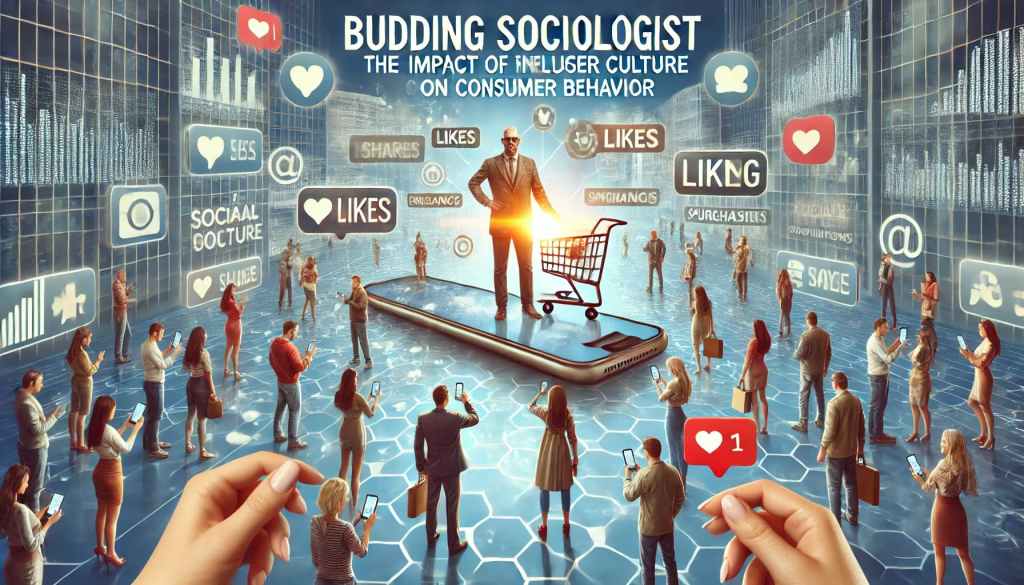
In today’s digital landscape, social media influencers play a crucial role in shaping consumer behaviour, transforming how brands connect with their target audiences. Unlike traditional advertising, which relies on corporate messaging, influencer marketing is built on trust, authenticity, and engagement. Influencers, who can range from global celebrities to niche content creators with smaller but dedicated followings, have the ability to sway consumer decisions by sharing their personal experiences, lifestyle choices, and product recommendations. This shift has led to a growing reliance on influencer endorsements, as consumers often find them more relatable and credible than conventional advertisements.
The rapid expansion of digital platforms such as Instagram, YouTube, TikTok, and Twitter has fueled the rise of influencer culture, providing individuals with a space to share content that resonates with their audiences. With declining trust in traditional advertising methods, people increasingly turn to influencers for guidance on what to buy, wear, or use. This trend is deeply rooted in psychological concepts such as social proof, where individuals are more likely to follow the actions of those they admire. Additionally, influencers build parasocial relationships with their followers—one-sided emotional connections that create a sense of familiarity and trust, even in the absence of direct interaction. This perceived closeness enhances their credibility and makes their recommendations highly persuasive.
As influencer culture continues to gain momentum, its impact on consumer behaviour is evident across various industries, from fashion and beauty to technology and wellness. Brands now allocate substantial resources to influencer partnerships, capitalizing on their ability to engage audiences in an organic and compelling way. However, this evolving marketing approach also raises concerns regarding transparency, misleading promotions, and the psychological effects of idealized lifestyles. Despite these challenges, influencer marketing remains a dominant force in modern consumer culture, reshaping the way people discover, evaluate, and purchase products.
The Rise of Influencer Culture
The rise of influencer culture is a phenomenon deeply rooted in the digital revolution, social media expansion, and the shift in consumer trust from traditional marketing to peer-driven recommendations. Over the past two decades, the way people consume content and make purchasing decisions has drastically changed, paving the way for influencers to become key players in the advertising and branding ecosystem.
Evolution of Influencer Culture
The concept of influencer culture can be traced back to early blogging and celebrity endorsements, but it gained significant traction with the advent of social media platforms. The timeline of this evolution can be broken down as follows:
- Early 2000s – Blogging and Online Forums: Before social media became dominant, platforms like Blogger, LiveJournal, and niche forums played a crucial role in shaping consumer opinions. Early internet personalities built dedicated readerships by sharing insights, reviews, and recommendations.
- Mid-2000s – The Rise of YouTube & Instagram: The launch of YouTube in 2005 and Instagram in 2010 created opportunities for individuals to share video and visual content, leading to the rise of vloggers and lifestyle influencers. Beauty and fashion bloggers like Michelle Phan, Zoella, and others gained millions of followers by creating tutorials and product reviews, eventually collaborating with brands.
- 2015 Onward – Influencer Marketing Becomes Mainstream: By the mid-2010s, influencer marketing had become a formalized industry, with brands allocating significant budgets to social media influencers. Platforms like Instagram, Snapchat, and TikTok fueled the rapid growth of influencer culture, making it a core component of digital marketing strategies.
- 2020s – The Era of Micro-Influencers & AI Influencers: Today, influencer marketing has become more nuanced, with brands focusing on micro-influencers (who have highly engaged niche audiences) and even AI-generated virtual influencers like Lil Miquela. Social media algorithms also favor authentic and engaging content over mass-reach campaigns, further cementing influencer culture as a dynamic force.
Types of Influencers
Influencers vary in scale, specialization, and audience reach. They can be classified into different categories based on the number of followers and the niche they operate in.
- Mega-Influencers (1M+ followers): These are celebrities and internet personalities with massive reach. They work with global brands but often lack deep engagement with followers. Example: Kylie Jenner, Cristiano Ronaldo.
- Macro-Influencers (100K–1M followers): Well-known figures within specific industries or communities. They command substantial influence and brand deals but maintain some level of engagement. Example: Leading YouTubers, fashion bloggers, and tech reviewers.
- Micro-Influencers (10K–100K followers): These influencers have a more niche and dedicated audience, often resulting in higher engagement rates. They are highly valuable for targeted marketing campaigns. Example: Fitness coaches, local fashion influencers, niche food bloggers.
- Nano-Influencers (<10K followers): Everyday consumers who have built trust within small communities. Their recommendations often feel the most authentic, making them ideal for grassroots marketing campaigns. Example: Local business promoters, emerging content creators.
Factors Contributing to the Rise of Influencer Culture
Influencer culture has emerged as a dominant force in modern digital marketing, shaping consumer behaviour and brand engagement. With the rise of social media, individuals with dedicated followings—known as influencers—have gained the power to sway purchasing decisions through authentic content and personal recommendations. Unlike traditional advertising, influencer marketing relies on trust, relatability, and social proof, making it more effective in today’s digital landscape. Several factors, including changing consumer preferences, technological advancements, and the decline of traditional advertising, have contributed to its rapid growth. Understanding these factors provides insight into why influencer culture has become a key driver of brand success.
1. Decline in Effectiveness of Traditional Advertising: Conventional marketing strategies, including television commercials, print ads, and radio promotions, are no longer as persuasive as they once were. Consumers today are more critical of corporate-driven messaging and gravitate toward authentic, experience-based recommendations. Influencers bridge this trust gap by sharing personal insights, making their endorsements feel more relatable and credible.
2. Expanding Reach of Social Media Platforms: The widespread adoption of social media has given influencers a global stage to share their content. Platforms like Instagram, YouTube, TikTok, and Twitter enable users to reach vast audiences and cultivate communities based on shared interests. The ease of content creation and instant connectivity have fueled the rapid rise of influencer-driven marketing.
3. Growing Consumer Trust in Peer Recommendations: Modern consumers increasingly rely on peer opinions when making purchasing decisions. Influencers often establish a strong rapport with their followers, creating a sense of familiarity and trust. This connection makes their product recommendations more influential compared to traditional advertisements, which are often viewed as biased or exaggerated.
4. Rise in Mobile Usage and Digital Content Consumption: With the dominance of smartphones, people now consume content on the go, favouring visually engaging, short-form videos and interactive media. Social media influencers leverage this shift by producing bite-sized, engaging content that integrates seamlessly into consumers’ daily digital interactions, making brand promotions feel less intrusive.
5. Algorithmic Boost from Social Media Platforms: Social media algorithms prioritize engaging and relevant content, giving influencers significant visibility. Platforms like Instagram, TikTok and YouTube use AI-driven recommendations to promote content that sparks user interaction. This algorithm-driven exposure helps influencers grow their audiences rapidly, further strengthening their marketing impact.
6. Lucrative Earning Potential for Content Creators: The ability to earn money through sponsored collaborations, ad revenue, affiliate marketing, and product endorsements has encouraged more individuals to pursue careers as influencers. Many content creators now treat influencing as a full-time profession, fueling the growth of the industry. Social media platforms also offer monetization programs that provide financial incentives to successful creators.
7. Demand for Authentic and Relatable Content: Unlike traditional celebrities, influencers often present themselves as ordinary individuals with real-life experiences, struggles, and achievements. This authenticity resonates with their audiences, making their opinions more trustworthy. Whether sharing fitness progress, fashion tips, or personal challenges, influencers create content that feels organic and engaging rather than promotional.
8. Emergence of Niche and Micro-Influencers: While major celebrities still have influence, brands now recognize the power of smaller, niche-focused influencers. Micro- and nano-influencers, who have smaller but highly engaged followings, often drive better engagement rates. Their specialized knowledge in areas like sustainable living, tech reviews, or health and wellness makes their recommendations more credible and effective.
9. Integration of E-commerce with Social Media: Social media platforms have increasingly integrated shopping features, allowing consumers to purchase products directly through influencer promotions. Features such as Instagram Shopping, TikTok Shop, and YouTube product tagging make it seamless for followers to buy recommended products, enhancing the effectiveness of influencer-led marketing campaigns.
10. Shift Toward Digital Entrepreneurship and Independent Careers: A growing number of individuals are seeking flexible, independent career paths outside of traditional employment. Influencer culture aligns with this trend, providing opportunities for content creators to establish personal brands, generate income, and work on their own terms. As more people explore digital entrepreneurship, influencer marketing continues to thrive as a dominant force in modern consumer culture.
Conclusion: The rapid rise of influencer culture is driven by changing consumer preferences, technological advancements, and the decline of traditional advertising. Social media platforms have empowered influencers to shape purchasing decisions through authentic, relatable content. As consumers increasingly trust peer recommendations over corporate messaging, brands are investing heavily in influencer marketing. The integration of e-commerce and social media further strengthens this trend, making digital creators key players in modern marketing. With the continuous evolution of technology and consumer behaviour, influencer culture is set to expand further, redefining brand-consumer relationships and shaping the future of advertising and digital commerce.
Psychological Influence on Consumers
Influencer culture heavily impacts consumer behaviour by leveraging psychological principles that drive decision-making. Unlike traditional advertisements, which often feel impersonal, influencer marketing creates a more engaging and personal connection with audiences. Below are key psychological factors that influence consumer behaviour:
1. Social Validation and Consumer Trust: Consumers often look to others when making purchasing decisions, a concept known as social validation. Influencers, due to their widespread reach and perceived credibility, act as trusted sources of recommendations. When a well-known digital personality promotes a product, it enhances the item’s credibility, making potential buyers feel more confident in their purchase. This effect is particularly evident in industries such as fashion, beauty, and technology, where public opinion significantly influences purchasing behaviour.
2. Genuineness and Relatability: One of the key reasons influencer marketing is effective is the sense of authenticity it provides. Unlike traditional advertisements, which can feel scripted, influencers often share personal experiences, making their content feel more genuine. Consumers are more likely to trust a product recommendation if it comes from someone they see as a regular individual rather than a distant celebrity. Micro-influencers, in particular, tend to have highly engaged audiences that value their honest opinions, leading to higher levels of trust.
3. Fear of Missing Out (FOMO) and Urgency: Many influencers use limited-time promotions, exclusive deals, or time-sensitive content to create a sense of urgency among their followers. This taps into the psychological principle known as the Fear of Missing Out (FOMO), where people feel compelled to take immediate action to avoid being left out. Social media trends move quickly, and the idea that a product might soon be unavailable or out of stock prompts impulse purchases. This strategy is particularly effective on platforms like TikTok and Instagram, where trends gain and lose momentum rapidly.
4. Emotional Connection and One-Sided Relationships: Many consumers develop a sense of familiarity and emotional connection with influencers, even though the interaction is one-sided. This psychological phenomenon, known as a parasocial relationship, makes followers more receptive to influencer recommendations. When an influencer shares personal anecdotes or experiences with a product, it feels more like advice from a friend than a marketing strategy. This effect is especially powerful in lifestyle, health, and wellness industries, where trust plays a significant role in consumer choices.
5. Influence of Perceived Success and the Halo Effect: People tend to associate positive qualities with individuals they admire, a concept known as the Halo Effect. If an influencer is seen as stylish, successful, or knowledgeable, their audience may unconsciously extend that perception to the products they endorse. For instance, if a fitness influencer with a strong physique promotes a particular supplement, consumers may believe the product contributes to their success. This association increases the perceived value of the product and encourages purchases.
6. Group Influence and Trend Adoption: Consumers often follow social trends, especially when they see a large number of people engaging with a product. This is known as the bandwagon effect, where people buy an item simply because it has gained popularity. Influencers play a key role in setting trends by repeatedly showcasing certain products, making them appear highly desirable. When multiple influencers promote the same brand, it reinforces the idea that the product is a must-have, encouraging widespread adoption.
7. Perception of Expertise and Authority: Influencers are often seen as experts in their respective niches, leading consumers to trust their recommendations. A beauty influencer who consistently reviews makeup products, for example, is perceived as knowledgeable in the cosmetics industry, making their opinions more influential. Similarly, technology influencers who provide in-depth gadget reviews gain credibility as reliable sources of information. This perceived expertise makes consumers more likely to rely on influencer endorsements rather than traditional advertising.
8. Tailored Recommendations for Specific Audiences: Unlike traditional advertisements that target broad audiences, influencer marketing often provides more personalized recommendations. Followers seek advice from influencers who share their interests, making them more receptive to niche product endorsements. A fitness influencer, for example, will promote workout gear, health supplements, and activewear that align with their audience’s preferences. This level of personalization makes influencer-driven marketing more effective, as consumers feel the recommendations are relevant to their lifestyle.
9. Engagement Through Interactive Content: Influencers actively engage with their audience through comments, Q&A sessions, and interactive content, creating a sense of community. This direct engagement fosters trust and makes recommendations feel more personal. Unlike traditional advertisements that simply display a product, influencers often create engaging content such as tutorials, demonstrations, or behind-the-scenes looks at products. This interactive approach keeps consumers interested and increases the likelihood of conversions.
10. Lifestyle Aspirations and Subconscious Influence: Many consumers buy products not only for their functional benefits but also because they associate them with a certain lifestyle. Influencers shape consumer aspirations by showcasing products as essential parts of their daily lives. Whether it’s a trendy outfit, a luxury vacation, or a high-end gadget, influencers make these items appear desirable and necessary for achieving a certain social status. Consumers, often unconsciously, purchase products to align themselves with an influencer’s image and lifestyle.
Conclusion: Influencer culture exerts a powerful influence on consumer behaviour by leveraging trust, authenticity, social validation, and psychological triggers like FOMO and parasocial relationships. These factors make influencer marketing more impactful than traditional advertising, shaping purchasing decisions and consumer preferences in a way that feels personal and engaging. As brands continue to integrate influencer partnerships into their marketing strategies, understanding these psychological influences will be essential for crafting effective campaigns.
Impact on Purchasing Decisions
The influence of social media personalities on consumer purchasing habits is significant, shaping how people discover, assess, and decide on products or services. The connection between influencers and their followers fosters quicker decision-making, often leading to direct purchases. Various elements contribute to this impact:
1. Product Discovery: Influencers serve as a bridge between brands and consumers, introducing new products that might not reach potential buyers through conventional advertising. Their content highlights emerging trends and unique offerings, making followers feel they have access to exclusive information. Beauty and fashion influencers frequently showcase new collections, while tech enthusiasts provide first-look reviews of the latest gadgets. This personalized exposure sparks curiosity and encourages consumers to explore and try these products.
2. Trust and Authenticity: Trust plays a crucial role in consumer decisions, and influencers have built credibility by consistently engaging with their audience. Unlike traditional advertisements, influencer recommendations feel personal and genuine. Micro-influencers, in particular, often have closer relationships with their followers, making their endorsements more persuasive. Consumers tend to believe in influencer recommendations because they appear as unbiased opinions rather than direct brand promotions.
3. Detailed Reviews and Demonstrations: Many influencers create in-depth product reviews, unboxing videos, and live demonstrations to give their audience a better understanding of how a product functions. These insights help consumers make informed decisions by addressing common concerns and showcasing real-life applications. Makeup tutorials, fitness gear trials, and technology walkthroughs are common ways influencers guide their followers toward purchasing decisions.
4. Social Proof and Endorsement Validation: When an influencer endorses a product, it acts as a form of social proof, reassuring potential buyers of its quality and effectiveness. People tend to trust recommendations from individuals they admire, and repeated promotions from multiple influencers further validate a product’s credibility. This phenomenon strengthens consumer confidence and encourages purchases based on perceived reliability and popularity.
5. Exclusive Discounts and Affiliate Promotions: Brands frequently collaborate with influencers to offer discount codes and affiliate links, enticing followers with special deals. These promotions create a sense of urgency and drive immediate sales. Additionally, affiliate marketing benefits both influencers and brands, as influencers earn commissions while businesses gain increased exposure and conversions.
6. Impulse Buying and Fear of Missing Out (FOMO): Influencers often create a sense of urgency through limited-time offers, exclusive product launches, and viral trends. The fear of missing out drives consumers to make quick purchasing decisions, sometimes without thorough consideration. Fashion and beauty brands, in particular, capitalize on this strategy by releasing limited-edition products endorsed by popular influencers.
7. Brand Loyalty and Continued Engagement: Beyond one-time purchases, influencers help foster long-term brand loyalty. When they consistently promote a particular brand or product, it becomes ingrained in their followers’ daily lives. This repeated exposure builds familiarity and trust, increasing the likelihood that consumers will continue purchasing from the same brand over time.
8. Personalized Recommendations: Influencer marketing differs from traditional advertising by offering more personalized recommendations. Influencers engage with their audience through comments and direct interactions, tailoring product suggestions to suit their followers’ preferences. This targeted approach makes followers feel valued, enhancing the likelihood of purchase.
9. Emotional Connection and Storytelling: Influencers use storytelling to connect emotionally with their audience. Whether they share personal experiences, transformations, or lifestyle narratives, these stories make endorsements feel more meaningful. Emotional engagement strengthens trust and persuades consumers to invest in products that align with their aspirations.
10. Convenience and Accessibility: With social media platforms enabling instant purchases, shopping has become more seamless than ever. Influencers often include direct product links, making it easier for followers to buy immediately. Features like Instagram’s shopping tags and TikTok’s in-app purchasing eliminate barriers between product discovery and checkout.
Conclusion: The growing impact of influencers on purchasing decisions highlights the power of trust, personalization, and community engagement in marketing. By fostering emotional connections, providing social proof, and offering direct shopping incentives, influencers drive consumer behaviour in ways that traditional advertising cannot. However, maintaining authenticity and ethical marketing practices remains crucial for long-term success in this evolving landscape.
Ethical Concerns and Challenges of Influencer Culture
The growing influence of social media personalities in shaping consumer behaviour has brought about ethical dilemmas that affect both businesses and audiences. While influencer marketing has transformed brand engagement, several issues—ranging from misleading advertising to privacy violations—have raised concerns regarding transparency and accountability. The following are key ethical challenges associated with influencer culture.
1. Misleading Advertisements and Lack of Transparency: One of the primary ethical concerns is the failure of influencers to disclose paid promotions. Some influencers endorse products or services without clearly stating that they have received compensation or free merchandise, which can mislead their followers into believing these recommendations are genuine. To regulate this, organizations like the Federal Trade Commission (FTC) and the Advertising Standards Authority (ASA) mandate proper disclosure of sponsorships using labels such as #Ad or #Sponsored. However, enforcement remains inconsistent, and some influencers still use subtle methods to blur the line between authentic recommendations and paid promotions. This lack of transparency erodes consumer trust and raises ethical questions about deceptive advertising practices.
2. Artificial Engagement and Inauthentic Influence: Another issue within influencer culture is the manipulation of engagement metrics to appear more influential than reality. Some influencers purchase fake followers, likes, and comments to boost their online presence, deceiving both brands and audiences. Additionally, some participate in “engagement pods,” where groups artificially interact with each other’s content to improve visibility on social media algorithms. These tactics create a false perception of influence, leading businesses to invest in influencers who may not genuinely impact consumer decisions. This dishonesty damages the credibility of influencer marketing and results in financial losses for brands that rely on misleading engagement data.
3. Unrealistic Standards and Mental Health Impact: Social media influencers often present an idealized version of life that may not reflect reality. The portrayal of luxurious lifestyles, flawless appearances, and seemingly effortless success can create unrealistic expectations for followers, particularly young and impressionable audiences. This constant exposure can lead to self-esteem issues, anxiety, and dissatisfaction among consumers who compare their lives to these highly curated online personas. On the other hand, influencers themselves experience pressure to maintain a polished image, often leading to stress and burnout. The emotional toll of constantly generating content and staying relevant in a competitive digital space adds to the mental health challenges of both influencers and their audiences.
4. Promotion of Unsafe Products and Harmful Trends: Many influencers promote products or trends without verifying their safety or effectiveness. Unregulated dietary supplements, detox teas, and extreme fitness regimens are often advertised despite potential health risks. Additionally, some influencers endorse risky financial schemes, including cryptocurrency investments and multi-level marketing (MLM) businesses, leading followers to make uninformed financial decisions. The promotion of fast fashion brands, which are known for unethical labour practices and environmental harm, also raises concerns about the role of influencers in encouraging unsustainable consumer habits. Without proper research and responsibility, influencers may contribute to harmful consumption patterns among their followers.
5. Privacy Violations and Data Exploitation: Data privacy is another critical issue in influencer culture. Many brands and social media platforms track user behaviour through influencer marketing campaigns, often without the informed consent of consumers. These practices enable targeted advertising but also raise concerns about how personal data is collected and utilized. Furthermore, influencers themselves sometimes share excessive details about their personal lives, including their families and children, for content purposes. This raises ethical questions about online safety and digital privacy, especially in cases where children are featured without understanding the long-term implications of their digital footprint.
6. Inconsistent Regulations and Enforcement Challenges: The rapid expansion of influencer marketing has outpaced the development of consistent regulations. While different countries have introduced disclosure requirements for sponsored content, enforcement remains a challenge due to the sheer volume of digital content produced daily. Additionally, the rise of artificial intelligence (AI)-generated influencers further complicates regulatory efforts, as questions of authenticity and accountability emerge. Without a uniform set of industry guidelines, influencers and brands may continue to operate in gray areas, making it difficult to hold them accountable for unethical practices.
7. Cultural Insensitivity and Exploitation: Cultural appropriation and insensitive content creation are recurring issues in influencer marketing. Some influencers adopt elements of different cultures—such as traditional clothing, religious symbols, or dialects—without understanding their significance. This can lead to the commercialization of cultural heritage without acknowledging its historical or social context. Additionally, some influencers create content that trivializes serious social issues or participates in controversial trends for engagement, further fueling online backlash. Ethical content creation requires influencers to be mindful of representation, respect cultural boundaries, and avoid exploiting marginalized communities for personal or commercial gain.
8. Environmental Consequences and Overconsumption: Influencer marketing often promotes excessive consumerism, particularly in industries like fashion, beauty, and technology. Large-scale shopping hauls, frequent product reviews, and fast fashion endorsements encourage audiences to purchase more than necessary, contributing to waste and environmental degradation. Many influencers fail to address the sustainability aspects of their endorsements, inadvertently promoting a throwaway culture. However, the rise of eco-conscious influencers advocating for ethical brands and minimalism suggests a growing shift toward responsible consumerism. Still, the overall impact of influencer-driven overconsumption remains a significant ethical concern.
9. Cancel Culture and Its Ethical Implications: The increasing accountability of influencers through “cancel culture” has become a double-edged sword. While it is important to hold influencers responsible for unethical behaviour—such as spreading misinformation, engaging in discriminatory remarks, or promoting harmful products—cancel culture often results in public shaming, online harassment, and loss of livelihood. In some cases, influencers who make genuine mistakes are denied opportunities for growth or redemption. The challenge lies in distinguishing between necessary accountability and excessive punishment, ensuring that ethical concerns are addressed constructively rather than through hostility.
10. Exploiting Followers Through Manipulative Marketing: Some influencers engage in manipulative marketing tactics that exploit their followers’ trust and emotions. Techniques such as false urgency (claiming a product is selling out when it isn’t), emotional appeals (using personal hardships to solicit engagement or donations), and overpriced, low-quality product launches are common strategies used to maximize profit. Additionally, influencers with strong parasocial relationships with their followers—where audiences feel a deep personal connection despite the one-sided nature of the relationship—can manipulate consumer decisions more easily. These tactics raise ethical concerns about honesty, responsibility, and the power dynamics between influencers and their audience.
Conclusion: While influencer marketing offers brands a powerful means to connect with consumers, ethical concerns surrounding transparency, authenticity, and responsibility remain pressing issues. From deceptive advertising to privacy violations, the influence of digital personalities comes with a responsibility to uphold ethical practices. Regulatory frameworks need to evolve to provide clear guidelines, while brands and influencers should prioritize honesty and social responsibility. At the same time, audiences must become more critical consumers of online content, ensuring they make informed decisions rather than being swayed by manipulative marketing tactics. As the influencer industry continues to expand, addressing these ethical concerns will be crucial in maintaining trust and integrity in digital marketing.
Future Trends in Influencer Culture
The landscape of influencer marketing is constantly evolving, driven by technological advancements, shifting consumer preferences, and changes in social media algorithms. As audiences become more selective, influencers and brands must embrace new strategies to maintain engagement, authenticity, and relevance. Below are ten key trends shaping the future of influencer culture.
1. Emergence of AI and Virtual Influencers: Artificial intelligence is revolutionizing influencer marketing with the rise of virtual influencers—computer-generated personas that function like real social media personalities. These digital figures, such as Lil Miquela and Shudu Gram, have gained millions of followers and partnered with well-known brands.
Virtual influencers offer companies greater control over branding, ensuring consistency while minimizing the risks associated with human influencers, such as scandals or controversies. Additionally, they can engage with audiences around the clock and adapt content based on user interactions. However, some consumers question their authenticity, as they lack personal experiences and emotions. Despite this, many businesses are investing in AI-generated characters, expecting them to play a larger role in future marketing campaigns.
2. Growth of Niche and Micro-Influencers: The trend is shifting from celebrity influencers to micro-influencers (10,000–100,000 followers) and nano-influencers (fewer than 10,000 followers), who often have higher engagement rates. These smaller influencers specialize in particular niches—such as sustainability, mental health, or fitness—allowing them to cultivate a loyal and engaged audience.
Unlike large-scale influencers who may promote products without genuinely using them, micro and nano-influencers tend to have stronger credibility and deeper audience connections. Many brands prefer collaborating with these influencers due to their cost-effectiveness and higher conversion rates. Additionally, platforms like Patreon, Discord and Substack are providing influencers with new ways to build dedicated communities and monetize their expertise.
3. Emphasis on Ethical Consumerism and Sustainability: Consumers are increasingly drawn to influencers who promote ethical values, environmental consciousness, and corporate responsibility. Social media personalities who advocate for sustainable fashion, cruelty-free products, mental health awareness, and fair trade brands are becoming more influential.
Companies are also prioritizing partnerships with influencers who align with their sustainability initiatives. Brands like Patagonia and The Body Shop collaborate with eco-conscious influencers to highlight their environmental efforts. However, transparency is critical—many consumers are quick to criticize influencers engaged in greenwashing, where brands falsely market themselves as sustainable. Maintaining authenticity is key for influencers promoting ethical consumerism.
4. Dominance of Short-Form and Interactive Content: With decreasing attention spans, short-form video content has taken over social media. Platforms such as TikTok, Instagram Reels, and YouTube Shorts now dominate influencer marketing, as their engaging, bite-sized content keeps audiences hooked.
Interactivity is also becoming a major factor. Live shopping events, augmented reality (AR) filters, and Q&A sessions are increasing engagement between influencers and their followers. For instance, platforms like TikTok Shop and Instagram Live Shopping allow influencers to showcase products in real-time, answer questions, and drive sales instantly. Additionally, AR features enable users to virtually “try on” products such as sunglasses, makeup, and clothing before purchasing. As these trends continue, influencers will play a central role in shaping digital shopping experiences.
5. Influence of Blockchain and Web3 Technologies: The rise of Web3 and blockchain-based platforms is reshaping the way influencers create and monetize content. Decentralized social media networks, such as Lens Protocol and Friend.tech, offer influencers the ability to earn directly from their audience without relying on traditional social platforms.
Non-fungible tokens (NFTs) are also changing influencer marketing, allowing creators to sell digital collectibles, exclusive content, or even access to private communities. Additionally, smart contracts on blockchain networks provide a more transparent and secure way to handle influencer-brand partnerships, ensuring automated and fair payments. This shift toward decentralization gives influencers greater financial independence while reducing dependency on platform algorithms.
6. AI-Driven Content Creation and Personalization: Artificial intelligence is not just producing virtual influencers but also helping human influencers optimize their content. AI-powered analytics tools allow influencers to track engagement patterns, predict audience preferences, and refine their strategies for higher visibility.
Additionally, AI-generated scripts, automated voiceovers, and deepfake technology are enabling influencers to personalize content more efficiently. While these tools improve productivity and engagement, ethical concerns regarding manipulated content and authenticity remain. The challenge will be balancing automation with genuine human connection in influencer marketing.
7. Rise of Subscription-Based Models and Exclusive Content: More influencers are moving toward subscription-based content models to gain financial independence. Platforms such as Patreon and Twitter Super Follows allow creators to offer premium content in exchange for direct payments from followers.
This approach reduces reliance on traditional brand sponsorships and enables influencers to monetize their audience directly. Fans benefit from closer interaction with influencers, gaining access to exclusive behind-the-scenes content, personal mentorship, and early product releases. As social media platforms continue integrating direct-to-fan monetization options, subscription-based models are likely to become more widespread.
8. Growth of Audio and Podcast Influencers: While visual content dominates social media, audio-based content is gaining traction. Podcasts, Twitter Spaces, and live audio chats provide influencers with an intimate way to connect with their audience.
Unlike traditional social media posts, audio content enables in-depth discussions, storytelling, and interviews, allowing influencers to establish stronger credibility in their respective niches. Many brands are leveraging podcast sponsorships as a form of influencer marketing, offering product mentions in long-form audio content. As screen fatigue increases, voice-based content is becoming an attractive alternative for audiences who prefer passive consumption.
9. Cross-Platform Influencers and Hybrid Branding: Influencers are no longer confined to a single platform. Many content creators now maintain a cross-platform presence, producing content for multiple social media sites, including TikTok, YouTube, LinkedIn, and even the metaverse.
Additionally, some influencers are diversifying into traditional media, transitioning into authors, television hosts, business owners, or brand founders. This hybrid approach allows influencers to expand their reach beyond social media, ensuring long-term relevance. By combining digital and traditional media opportunities, influencers can future-proof their careers while maintaining audience engagement.
10. Greater Demand for Transparency and Authenticity: As audiences become more skeptical of influencer marketing, there is a growing emphasis on transparency and honesty. Governments and regulatory bodies are enforcing stricter guidelines, requiring influencers to disclose paid partnerships and sponsored content.
Consumers are also demanding greater authenticity, preferring influencers who genuinely believe in the products they endorse. Influencers who refuse misleading collaborations, prioritize honest reviews, and openly communicate with their audience are more likely to retain long-term trust and credibility. Those who fail to disclose paid promotions risk damaging their reputation and losing follower engagement.
Conclusion: Influencer culture continues to evolve, shaped by emerging technologies and changing consumer expectations. The future of influencer marketing will be defined by AI-driven content, short-form videos, ethical branding, Web3 monetization, and cross-platform engagement. To remain relevant, influencers and brands must embrace transparency, authenticity, and audience-focused strategies. Those who adapt to these trends will continue to thrive in the ever-changing digital landscape.
References and Readings:
- Freberg, K., Graham, K., McGaughey, K., & Freberg, L. A. (2011). Who are the social media influencers? A study of public perceptions of personality. Public Relations Review, 37(1), 90-92. https://doi.org/10.1016/j.pubrev.2010.11.001
- Kapitan, S., & Silvera, D. H. (2016). The impact of brand post content on consumer engagement on social media. Journal of Consumer Behaviour, 15(6), 500-511. https://doi.org/10.1002/cb.1597
- Kotler, P., & Keller, K. L. (2016). Marketing management (15th ed.). Pearson.
- Lou, C., & Yuan, S. (2019). Influencer marketing: How message value and credibility affect consumer trust of branded content on social media. Journal of Interactive Advertising, 19(1), 58-73. https://doi.org/10.1080/15252019.2018.1533501
- Schouten, A. P., Janssen, L., & Verspaget, M. (2020). Celebrity vs. influencer endorsements in advertising: The role of identification, credibility, and product-endorser fit. International Journal of Advertising, 39(2), 258-281. https://doi.org/10.1080/02650487.2019.1634898