- Community: An Introduction
- Meaning of Community
- Characteristics of Community
- Types of Communities
- Functions of Community
- Challenges Faced by Communities
Community: An Introduction
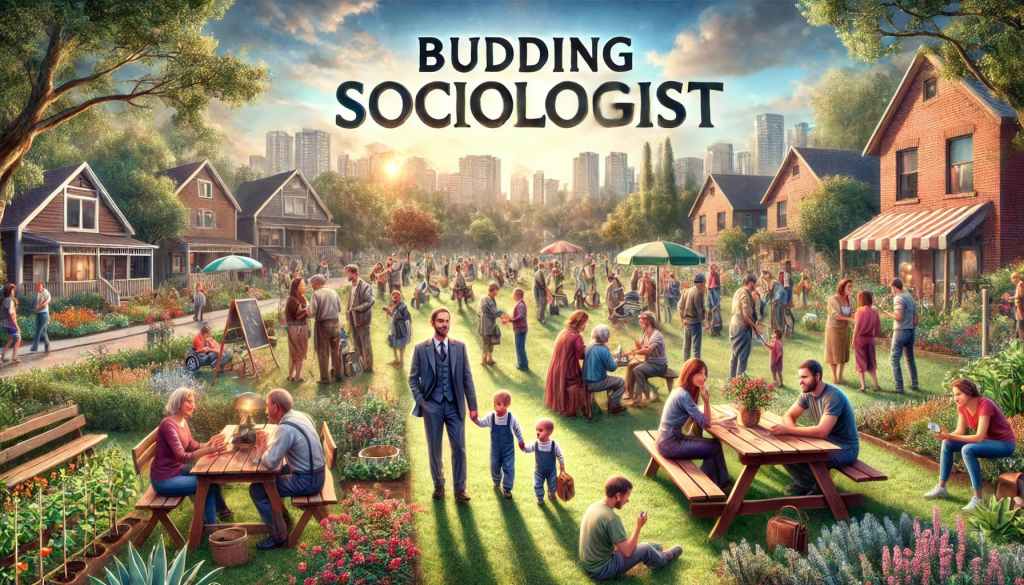
Community is one of the fundamental concepts of sociology. Human civilization grows and develop in the lap of community. It is a well-known fact that an individual rarely exists alone. Man, always lives with his fellows in a group. It is also true that one cannot be a member of all groups existing in the world. An individual lives and establishes relations with those people who reside in a close proximity with him i.e., within definite territory.
Residents of a specific area tend to build mutual affection, cooperation, and a sense of community with one another. As a result, they share common customs, traditions, culture and develop common social ideas among themselves. This fact of common social living within a limited or definite geographical area gives birth to community.
The term community refers to a group of individuals who share common values, interests, and social ties, often within a specific geographic area. It is characterized by a sense of belonging, mutual support, and shared identity among its members. Communities can be based on various factors such as; culture, religion, occupation, or common interests. Traditional communities were primarily localized, with close-knit relationships and face-to-face interactions, but modern communities have expanded beyond geographical boundaries, especially with the rise of digital communication. Communities play a crucial role in socialization, providing individuals with emotional support, norms, and social structures that influence behaviour and identity. Today, virtual communities and global networks challenge the traditional concept of community, demonstrating that social connections can exist beyond physical proximity.
Like the concept of society, the concept of community is also ill-defined and loosely used concept in social sciences. It is a term having numerous sociological as well as non- sociological meanings. The term is being used in numerous ways and refer to a wide variety of specific social units.
Generally, the word community is used for a collection of people who do related kinds of work, such as; the teaching community or the doctor’s community. It is also used to denote a collection of people who share something in common as the Hindu community, the Muslim community, or the Christian community without necessarily living in a particular area and sometimes it is used to describe international community.
Meaning of Community
The word community has been derived from two words of Latin namely com and munis. In English com means together and munis means to serve. Thus, community means to serve together. A community is a group of individuals brought together to work collectively toward a shared purpose. Community is a defined as a group of people who are occupying a definite geographical area and people living there by sharing common conditions with some degree of inter-dependence. Community exists within the society and bounded by territorial units. It is a specific group while society is abstract.
Man is born in family and grows in the community and adopt ways of community and can be called as his small world. Over the period of time, they occupied a habitat and while working in permanent occupation; they developed likeness, common habits, folkways and mores, interdependence and acquired a name. They cultivated a strong bond with one another and formed a deep connection to their surroundings. In short, a community is a group of people having common habitat, strong community sense, and a manner of acting in an agreed and organized manner.
On the basis of above description, it can be stated that broadly community has a spatial and a geographical connotation. This geographical conception, community involves the idea of a definite and permanent territory where people having community sentiments are living and also expressing concern with that geographical area. There should be a certain level of shared understanding, structure, and agreement, along with interaction and communication. In short community can be a group of people whose members are “known to each other” and have a degree of common consciousness and identity and exclude those unlike themselves.
Characteristics of Community
Meaning of community can be better understood with the help of following characteristics or elements, which decides whether a group is a community or not:
1. Community is a Group of People: A group of people is the most fundamental or essential characteristic or element of community. This group may be small or large but community always refers to a group of people. A community cannot exist without a group of individuals. When people live together, share their lives, and are united by a strong sense of collective identity, a community naturally forms. Therefore, the presence of a group of people is the fundamental requirement for the creation of a community.
2. Community Sentiment: It is one of the most important characteristic or elements of community. Community cannot be formed only with a group of people and a definite locality, but also required community sentiments. Community sentiment refers to a strong sense of we feeling among the members or a feeling of belonging together and sentiment of common living. Members of community emotionally identify themselves distinguishes themselves from the members of other communities.
3. Territoriality: A community is often associated with a specific geographic area where people live and interact. This territory can be as small as a neighbourhood or as large as a country, depending on the type of community. The physical environment plays a crucial role in shaping the lifestyle, culture, and economic activities of its members. Even in the digital age, where online communities thrive, the concept of territoriality still exists in the form of virtual spaces, such as social media platforms, forums and online gaming communities. The shared space, whether physical or virtual, provides a foundation for people to establish relationships and engage in collective activities.
4. Common Ties: A defining characteristic of a community is the presence of common ties that bind individuals together. These ties can be cultural, religious, linguistic, occupational, or based on shared interests and goals. For example, a religious community may be connected by faith, while a professional community may be linked by their field of work. These commonalities create a sense of belonging and identity, fostering unity among members. Over the period of time, these ties become stronger through shared experiences, rituals, traditions, and collective decision-making, ensuring the stability and continuity of the community.
5. Social Interaction: Communities thrive on social interaction, which allows individuals to establish relationships, communicate ideas and collaborate for mutual benefits. Interaction can take place in various forms, such as face-to-face conversations, group discussions, festivals, community gatherings, and online forums. The frequency and quality of social interactions determine the strength of community bonds. When members actively participate in social life, they develop trust and solidarity, which contribute to the overall well-being of the community. The absence of social interaction can lead to alienation and weaken the fabric of the community.
6. Shared Identity: A community provides its members with a shared sense of identity, which distinguishes them from others. This identity may be rooted in ethnicity, culture, traditions, language, profession or shared history. It helps individuals develop a sense of pride and emotional attachment to their community. For instance, people belonging to a particular ethnic group may take pride in their heritage, while members of an online gaming community may share a strong bond over their passion for a particular game. This shared identity fosters unity and motivates members to work together for the collective good of the community.
7. Social Structure: Every community has a structured organization that defines the roles, norms and institutions governing social life. Social structures help maintain order and facilitate cooperation among members. Families, educational institutions, religious organizations, economic systems and local governing bodies play a crucial role in shaping community life. Within these structures, individuals take on different roles, such as leaders, followers, mentors and caregivers, ensuring that responsibilities are distributed effectively. Social structures also establish rules and norms that guide acceptable behaviour, helping maintain harmony within the community.
8. Mutual Dependence: Members of a community rely on one another for social, emotional, and economic support. This interdependence is evident in various aspects of life, such as trade, employment, education, healthcare and emotional well-being. For instance, in rural communities, people may depend on one another for farming assistance, while urban communities rely on specialized services provided by different professionals. Mutual dependence strengthens relationships, fosters trust and encourages cooperation among members. A strong sense of interdependence ensures that individuals contribute to the community while also benefiting from the collective support system.
9. Continuity and Change: Communities are dynamic entities that evolve over time while maintaining certain core characteristics. Change can occur due to various factors, such as technological advancements, economic shifts, migration or social reforms. For example, traditional farming communities may adapt to modern agricultural techniques, or urban communities may shift towards digital-based interactions. Despite these changes, some fundamental values, customs and traditions remain intact, providing a sense of continuity. This balance between tradition and progress ensures that communities remain relevant and resilient in an ever-changing world.
10. Sense of Belonging: One of the most crucial aspects of a community is the sense of belonging it provides to its members. People feel emotionally connected to their community, which gives them a sense of security, identity and purpose. This attachment can stem from cultural heritage, friendships, shared goals, or even participation in community activities. A strong sense of belonging encourages individuals to contribute actively to their community, promoting social cohesion and cooperation. When people feel valued and accepted, they are more likely to support one another and work towards common goals, enhancing the overall well-being of the community.
11. Shared Responsibilities: Communities function effectively when members take collective responsibility for their development and well-being. Shared responsibilities may include maintaining public spaces, participating in local governance, supporting social welfare programs, or helping neighbours in times of need. In traditional societies, communal responsibilities included agricultural work, decision-making, and conflict resolution. In modern communities, shared responsibilities may extend to volunteering, organizing events, and promoting social justice initiatives. By working together, community members create a supportive environment that benefits everyone and strengthens the fabric of society.
12. Cultural Patterns: Every community has unique cultural patterns that shape its identity and way of life. These patterns include; traditions, customs, languages, festivals, rituals, art, and social norms. Cultural elements play a significant role in preserving the heritage of a community and passing it down to future generations. For instance, indigenous communities uphold their traditional practices despite modernization, ensuring that their cultural identity remains intact. Cultural patterns also influence social behaviours, values, and interactions within a community, making each community distinct from others. The preservation and evolution of cultural traditions help maintain the community’s identity while allowing it to adapt to changing times.
On the basis of above description, people who live in the same locality though they belong to different bloods form a community. An immigrant who has no familial ties can still become part of the local community. In short, community is a group of people being known by the geographical territory where they are either belonging or living having a strong community or we feeling and exists in concrete form.
Types of Communities
Communities come in all shapes and sizes, depending on how people connect with one another. Some communities form because people live in the same place, while others are built around shared interests, professions, or values. No matter the type, communities provide a sense of belonging, identity, and support. Following are the different kinds of communities that exist:
1. Rural Communities: Rural communities are found in villages and small towns, where life tends to be slower, and people have close-knit relationships. In these areas, families often know each other for generations, and social life revolves around traditions, festivals and local gatherings. Agriculture, fishing, and small-scale industries are usually the backbone of the local economy. While rural communities have a strong sense of togetherness, they can also struggle with limited access to healthcare, education and job opportunities. A good example would be a farming village in India, where people help each other during harvest season and celebrate cultural festivals together.
2. Urban Communities: Urban communities exist in cities, where life moves at a much faster pace. People in urban areas come from diverse backgrounds and work in a variety of professions. While cities offer more opportunities in terms of jobs, education and entertainment, they can also be overwhelming, with problems like; overcrowding, pollution, and expensive living costs. Unlike rural areas, relationships in urban communities are often more formal and less personal. However, cities also have strong neighbourhood cultures, where people form smaller, local communities within the larger urban environment. Think of a bustling Mumbai neighbourhood where people from different cultural backgrounds live side by side, interacting through work, school, and social events.
3. Suburban Communities: Suburban communities are found between cities and rural areas, offering a mix of urban convenience and a quieter, more family-friendly lifestyle. These areas are mostly residential, with parks, schools, and shopping centers nearby. Many people living in the suburbs commute to cities for work while enjoying a more relaxed home environment. Suburban communities are great for raising families because they provide safety, open spaces, and a sense of stability. A classic example would be a gated housing community on the outskirts of a city, where families gather for weekend barbecues and kids play in shared parks.
4. Tribal Communities: Tribal communities are indigenous groups that have maintained their traditional way of life for generations. These communities often live in remote areas, following their own customs, languages, and governance systems. Many tribal communities depend on nature for their survival, practicing sustainable hunting, farming, and herbal medicine. However, modernization and deforestation are threatening their way of life. For example, the Gond tribe in India continues to preserve its cultural heritage through music, dance, and storytelling, despite external pressures to change.
5. Religious Communities: Religious communities form around shared faith and spiritual practices. They often have places of worship, rituals, and traditions that create a strong bond among members. These communities provide emotional and moral support and often engage in charitable activities. Some religious communities are geographically concentrated, like Vatican City for Catholics, while others, like the global Muslim ummah, unite people across countries. Whether it’s a church group, a temple community, or an online prayer circle, faith plays a powerful role in bringing people together.
6. Ethnic Communities: Ethnic communities are made up of people who share a common ancestry, language, and cultural background. These communities help preserve traditions, celebrate festivals, and maintain a shared identity. They can exist in one country or be spread across the world as part of a diaspora. For example, the Tamil community in Sri Lanka and India has a rich cultural heritage, including its own language, literature, and religious practices. Similarly, Chinatown neighbourhoods in cities like New York or London serve as cultural hubs for Chinese immigrants and their descendants.
7. Professional Communities: People who work in the same field often form professional communities to support each other, share knowledge, and advance their careers. These communities exist in various forms, such as industry associations, workplace networks, and online forums. For instance, doctors, nurses, and healthcare workers form a medical community where they collaborate on patient care and medical research. Similarly, academic communities allow researchers and scholars to share ideas and contribute to scientific progress. These groups help professionals stay updated and connected in their fields.
8. Virtual Communities: In today’s digital age, online communities have become a big part of our lives. Whether it’s a Facebook group, a Reddit forum, or a gaming community on Discord, people are forming strong connections in virtual spaces. These communities allow people from different parts of the world to connect over shared interests, such as technology, mental health, or hobbies. While online communities make communication easier, they also come with challenges like misinformation, cyberbullying, and a lack of real-life interaction. A great example is an online sustainability group where members share tips on reducing plastic waste and living eco-friendly lifestyles.
On the basis of above description, it can be stated that communities are an essential part of human life. Whether they are based on geography, shared interests, professional networks, or intentional living, they provide support, identity, and belonging. As society changes, so do communities, adapting to new technologies, global influences, and shifting social values. No matter where or how they form, communities continue to play a crucial role in shaping our interactions, cultures, and experiences.
Functions of Community
Communities are an essential part of human life aiming to provide support, identity, and a sense of belonging. Whether it’s a small village, a neighbourhood, an online group, or a professional network, communities help people to connect, share resources, and grow together. They shape how to interact, work, and support one another. Following are the key functions of a community, explained in a natural and relatable way:
1. Social Support and Security: One of the most important roles of a community is offering both emotional and physical support. Life can be tough, and having people to rely on makes a huge difference. When someone goes through a difficult time, like losing a loved one, facing financial struggles, or dealing with mental health issues, a strong community can provide comfort and help. Friends, family, neighbours and support groups offer reassurance and guidance, reducing feelings of loneliness and isolation. Beyond emotional support, communities also contribute to physical security. In close-knit neighbourhoods, people look out for each other, making sure everyone feels safe. Things like neighbourhood watch programs, community policing, and even informal networks where people check in on each other help to prevent crime and provide a sense of protection. In rural areas, communities often come together during natural disasters, ensuring that vulnerable members are taken care of.
2. Passing Down Culture and Traditions: Communities play a pivotal role in keeping cultures, traditions, and values alive. The way we celebrate festivals, cook certain foods, or practice religious beliefs often comes from the community we belong to. Families and elders pass down stories, languages and customs to younger generations, helping maintain a sense of identity. Beyond traditions, communities also shape our values and behaviours. Schools, religious institutions and even social gatherings teach people how to interact, respect one another, and contribute to society. This process, known as socialization which helps individuals to learn their roles within a group and develop a sense of responsibility. Without communities, it would be difficult to preserve cultural diversity and transfer important knowledge to next generation.
3. Economic Cooperation and Resource Sharing: Communities are also crucial when it comes to financial stability and job opportunities. In many parts of the world, small businesses thrive because of community support. People prefer buying from local shops, farmers’ markets, and family-run businesses instead of large corporations. This kind of local economic cooperation keeps money circulating within the community and creates jobs. In rural areas, people often work together to share resources whether it’s farming land, tools or labour. Similarly, in urban areas, professionals build networks within their industries, helping each other find job opportunities or mentorship. Many communities also have financial support systems, such as cooperatives and savings groups, that allow members to pool their money and help each other in times of need.
4. Shaping Identity and Sense of Belonging: Community plays a big role in shaping the existence of human beings. The people grow up with the traditions and the values adopted by human being have great influence on the sense of identity. Being part of a community gives people a feeling of belonging, which is crucial for self-esteem and personal growth. Communities also define social roles and responsibilities. In many cultures, elders are respected as advisors, parents take on leadership roles in raising children, and young people are encouraged to learn and contribute. These roles help maintain harmony and ensure that everyone has a purpose. Even in modern urban societies, in the workplaces, schools, and online communities where people take on specific roles to contribute to a larger cause.
5. Encouraging Political and Civic Engagement: A well-functioning community encourages people to participate in decision-making and take responsibility for social issues. This is seen in local governance, where residents come together to discuss infrastructure projects, neighbourhood safety, and public policies. In smaller communities, village councils or town meetings ensure that people have many things to do. Beyond governance, communities also drive activism and social change. Grassroots movements, protests, and campaigns often begin within small groups that are passionate about making a difference. Whether fighting for human rights, advocating for environmental policies, or simply organizing a local clean-up drive, communities empower individuals to take action.
6. Emotional and Psychological Well-Being: Having a strong community can significantly improve mental health. Humans are social creatures, and meaningful relationships help reduce stress, anxiety, and depression. Just knowing that there are people who care about you and are willing to help can be incredibly comforting. Activities within a community such as; festivals, group exercises, religious gatherings, and volunteering also contribute to overall happiness and fulfilment. Engaging with others provides a sense of purpose and helps people feel connected. In contrast, isolation and lack of social interaction can lead to feelings of emptiness and loneliness.
7. Protecting the Environment and Promoting Sustainability: Many communities, especially indigenous and rural ones, have developed ways to live in harmony with nature. Traditional farming practices, water conservation methods, and forest preservation efforts often come from community-based knowledge passed down through generations. These sustainable practices help protect natural resources and ensure that future generations can benefit from them. In modern urban settings, communities play a role in environmental conservation through local initiatives such as recycling programs, tree-planting drives, and advocacy for greener policies. Many people come together to fight pollution, protect wildlife, or promote renewable energy solutions. A strong community can inspire individuals to adopt environmentally friendly habits and work toward a more sustainable future.
On the basis of above description, it can be stated that communities are much more than just groups of people living in the same place they are the foundation of society. They provide emotional support, preserve culture, offer economic opportunities, and shape personal identity. Whether in small rural villages or large urban centers, communities help people feel connected, valued, and empowered. As society evolves, the way we form and interact with communities may change, but their core functions remain essential to human well-being.
Challenges Faced by Communities
Communities have always been an essential part of human life, but they are constantly evolving and facing new challenges. Whether due to urbanization, technology, economic inequality or climate change, these challenges shape how people to interact, build relationships, and sustain their way of life. Following are some of the biggest issues being faced by communities:
1. Urbanization and Migration: As cities grow, more people are moving from rural areas in search of better jobs, education, and healthcare. While this can create new opportunities, it also puts a huge strain on urban infrastructure. Housing shortages, traffic congestion, and overburdened public services are common problems in fast-growing cities. At the same time, rural communities suffer from depopulation. When young people leave for cities, villages and small towns are left with aging populations and fewer economic opportunities. This creates a cycle where rural areas continue to decline while cities struggle to accommodate new residents. For migrants, adapting to city life can be tough they may face discrimination, cultural differences, or difficulty finding stable jobs, making it harder for them to feel truly at home.
2. The Impact of Technology on Communities: The internet has completely transformed the way of interaction for better as well as worse reasons. While it connects people across the world, it has also weakened traditional face-to-face interactions. Many people spending more time on social media than engaging with their local communities, which can lead to a sense of isolation. Another big issue is the rise of online echo chambers spaces where people only hear opinions that match their own. This can lead to increasing polarization, where different groups struggle to understand or empathize with each other. Cyberbullying, misinformation, and privacy concerns have also made digital spaces more stressful for many people. At the same time, there is a digital divide and not everyone has access to the internet or knows how to use technology effectively. This leaves certain groups, like older generations and low-income families, at a disadvantage when it comes to education, job opportunities, and even staying socially connected.
3. Economic Inequality and Gentrification: Communities are shaped by their economies, and when wealth is unevenly distributed, it creates major divides. In many places, wealthier neighbourhoods enjoy high-quality schools, healthcare, and public services, while poorer areas struggle with underfunded institutions and fewer opportunities. This gap can lead to frustration, social unrest, and a growing sense of injustice. One major issue is gentrification which means when wealthier people move into historically low-income neighbourhoods, driving up rent and property prices. While this can bring new businesses and infrastructure, it often forces long-time residents out of their homes because they can no longer afford to live there. This disrupts tight-knit communities and creates resentment between old and new residents. Job insecurity is another big challenge. With automation and globalization changing industries, many traditional jobs are disappearing, leaving people struggling to find stable work. This is especially tough for lower-income workers who may not have access to education or job training programs that could help them transition into new careers.
4. Environmental Issues and Climate Change: Communities everywhere are feeling the impact of climate change, whether it’s rising sea levels, extreme weather, or pollution. Natural disasters like; hurricanes, floods and wildfires are displacing entire communities, forcing people to rebuild or relocate. This puts enormous pressure on governments, charities and social networks to provide support. In rural areas, unpredictable weather patterns are affecting farming, leading to food shortages and economic struggles for agricultural communities. Water scarcity is also a growing issue, especially in regions facing prolonged droughts. Pollution, especially in urban areas, is another major concern. Poor air quality is causing health problems, and plastic waste is overwhelming landfills and oceans. While some communities are adopting sustainable practices like recycling and renewable energy, many are still struggling to balance economic growth with environmental responsibility.
5. Cultural Shifts and Identity Struggles: As the world becomes more interconnected, cultures are blending, which can be both exciting and challenging. Younger generations often embrace global trends, while older generations try to hold on to traditional values, creating tension within families and communities. For many indigenous and minority communities, globalization poses a threat to their unique languages, customs, and traditions. As more people move to cities and adopt mainstream lifestyles, local cultures can fade away. On the other hand, some communities are actively working to preserve their heritage through cultural education, festivals, and language revitalization programs. At the same time, immigration and multiculturalism have created diverse societies, but not everyone is open to change. Some communities struggle with xenophobia or resistance to cultural integration, leading to social tensions. Finding a balance between preserving cultural identity and embracing diversity remains a challenge for many societies.
6. Political Instability and Social Divisions: Political conflicts and divisions can tear communities apart. In many places, trust in government institutions is declining due to corruption, poor leadership, or policies that favour certain groups over others. This can lead to protests, social unrest, and even violent conflicts. Political polarization is another growing issue. In today’s media-driven world, people are often exposed only to information that aligns with their existing beliefs, deepening divisions between different groups. This makes it harder for communities to have meaningful discussions or work together on common goals. In extreme cases, political instability leads to displacement, as people flee unsafe conditions. Wars, ethnic conflicts and oppressive governments have forced millions of people to seek refuge in new countries, creating humanitarian crises and reshaping global communities.
7. Public Health Crises and Pandemics: The COVID-19 pandemic showed just how vulnerable communities can be to public health crises. Lock-downs and social distancing measures, while necessary, led to increased isolation, especially for the elderly and people with mental health conditions. Many small businesses shut down, and entire industries collapsed, leaving millions unemployed. Access to healthcare remains a major issue, especially for low-income communities. Even in wealthy countries, many people struggle to afford medical treatment. In poorer regions, inadequate healthcare infrastructure means that preventable diseases continue to claim lives. Public health emergencies also reveal inequalities within communities. For example, during the pandemic, essential workers from marginalized communities were the most exposed to the virus while having the least access to healthcare. This highlighted deep-seated systemic inequalities that need to be addressed.
On the basis of above description, it can be stated that communities today face a complex mix of social, economic, and environmental challenges. While some of these issues like; climate change and political divisions feel overwhelming, others can be tackled through local initiatives, policy changes, and social cooperation. The key to strong communities lies in adaptability, inclusivity, and a willingness to work together to find solutions. At the end of the day, communities thrive when people come together, support each other, and take action to build a better future. While the challenges are real, so are the opportunities to create stronger, more connected and resilient communities.
References and Readings:
Sociology by C.N. Shankar Rao, https://amzn.to/41A3Wh4
Sociology Themes and Perspectives by Michael Haralambos and Martin Holborn, https://amzn.to/4ibTgdY