- Introduction
- Corporate Social Responsibility (CSR): An Introduction
- Key Components of Corporate Social Responsibility (CSR)
- Advantages of Corporate Social Responsibility (CSR)
- Challenges of Corporate Social Responsibility (CSR)
- Ethical Consumerism: An Introduction
- Factors Influencing Ethical Consumerism
- Impact of Ethical Consumerism
- Challenges of Ethical Consumerism
- Interconnection Between CSR and Ethical Consumerism
Introduction
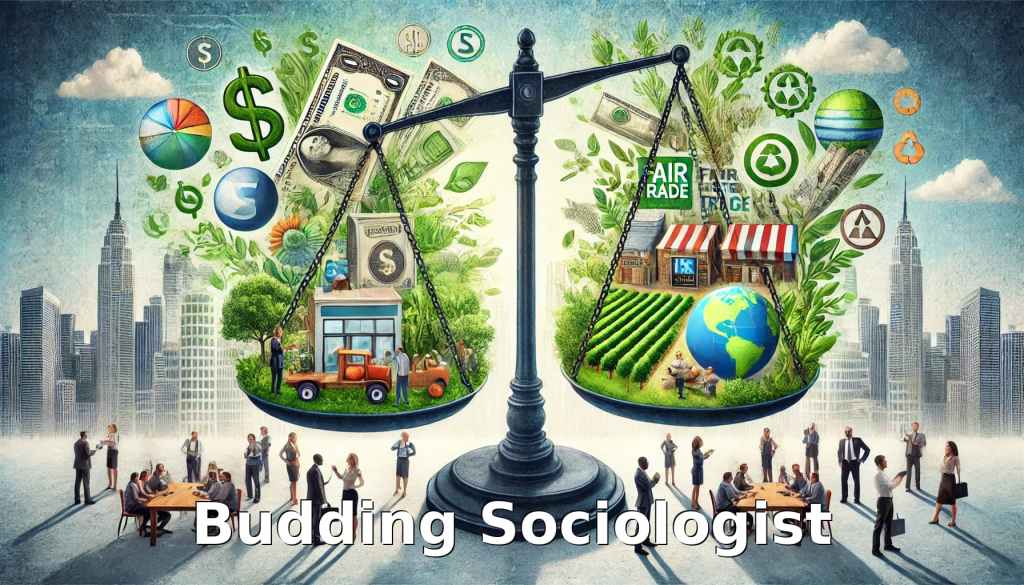
In today’s interconnected and rapidly evolving business environment, companies are increasingly judged not only by their financial success but also by their social and environmental impact. Corporate Social Responsibility (CSR) and ethical consumerism have emerged as key drivers of responsible business practices, reflecting the growing demand for ethical and sustainable decision-making. CSR is a business approach that emphasizes a company’s responsibility to contribute positively to society by adopting ethical labour practices, reducing environmental harm, engaging in community development, and ensuring transparency in operations. Organizations that incorporate CSR into their business models aim to balance profitability with long-term social and environmental benefits, creating value for stakeholders while promoting sustainable growth.
At the same time, ethical consumerism has gained momentum as consumers become more aware of the impact their purchasing choices have on society and the environment. Ethical consumers actively seek products and services that align with their values, such as sustainability, fair wages, cruelty-free practices, and eco-friendly production methods. Many individuals also choose to boycott companies involved in unethical business practices, supporting brands that prioritize social and environmental responsibility. This shift in consumer behaviour has influenced market trends, pushing businesses to implement sustainable and ethical policies to meet customer expectations.
The relationship between CSR and ethical consumerism is one of mutual influence, as businesses and consumers increasingly shape each other’s actions. While companies strive to implement responsible business practices, consumer demand plays a crucial role in encouraging greater corporate accountability. As awareness of global challenges such as climate change, fair labour and social justice continues to grow, CSR and ethical consumerism will remain essential in shaping a future where businesses operate in a way that benefits both society and the planet.
Corporate Social Responsibility (CSR): An Introduction
Corporate Social Responsibility (CSR) has become a fundamental part of modern business practices, highlighting a company’s dedication to ethical behaviour, social welfare, and environmental sustainability. In the contemporary global economy, businesses are assessed not only on their financial success but also on their broader impact on society and the environment. CSR extends beyond mere legal compliance, encouraging companies to actively contribute to the well-being of various stakeholders, including employees, consumers, communities, and ecosystems. With growing awareness among consumers and investors about ethical business conduct, organizations that integrate CSR into their core operations enhance their reputation, build customer loyalty, and secure long-term growth. Rather than being limited to charitable donations, CSR is a strategic initiative that aligns corporate goals with social progress, fostering sustainable development while addressing critical global issues like climate change, social inequality, and fair labour practices.
Key Components of Corporate Social Responsibility (CSR)
Corporate Social Responsibility (CSR) consists of four primary components: Economic Responsibility, Legal Responsibility, Ethical Responsibility, and Philanthropic Responsibility. These pillars guide businesses in operating ethically and sustainably while positively impacting society. Below is a comprehensive explanation of each component:
1. Economic Responsibility: Economic responsibility refers to a company’s duty to be financially sustainable while ensuring its operations benefit all stakeholders, including employees, customers, and society at large. While profitability is essential for business growth, it should not come at the expense of ethical principles or social well-being. Organizations should aim for long-term economic sustainability by investing in innovation, fair labour practices, and environmentally responsible business strategies.
Companies that follow economic responsibility ensure fair pricing, pay employees competitive wages, and engage in sustainable production methods. Instead of prioritizing short-term profits, they focus on long-term value creation that benefits both the business and the wider community. For example, a company might choose to invest in energy-efficient technologies or ethical supply chains, even if it requires higher initial costs, because it leads to long-term sustainability and positive brand reputation.
2. Legal Responsibility: Legal responsibility entails a company’s obligation to comply with local, national, and international laws and regulations governing business operations. Businesses must follow labour laws, environmental policies, tax regulations, and consumer protection laws to operate ethically and avoid legal consequences.
By adhering to labour laws, companies ensure employees are treated fairly, receive just wages, and work in safe conditions. Environmental regulations require businesses to manage waste responsibly, limit carbon emissions, and conserve natural resources. Consumer protection laws prevent misleading advertising, ensuring that products and services meet safety and quality standards. Additionally, companies must maintain financial transparency and adhere to corporate governance laws to prevent fraudulent activities. A business that strictly follows these legal frameworks demonstrates integrity and accountability. For instance, a corporation that ensures all its international supply chains adhere to fair labour standards and environmental laws exemplifies strong legal responsibility.
3. Ethical Responsibility: Ethical responsibility goes beyond legal obligations and focuses on doing what is right for employees, consumers, and society. Businesses that uphold ethical responsibility adopt fair labour policies, engage in transparent communication, and ensure that their products and services do not harm people or the environment. This responsibility includes promoting diversity and inclusion in the workplace, ensuring fair wages, and treating employees and customers with respect. Additionally, companies committed to sustainability focus on reducing their environmental footprint, sourcing raw materials ethically, and preventing exploitative labour practices. Ethical marketing is another crucial aspect—businesses should provide truthful information about their products and avoid deceptive advertising.
For example, a clothing brand that ensures all its factories operate under humane working conditions and use sustainable materials showcases strong ethical responsibility. Similarly, a food company that is transparent about ingredient sourcing and avoids harmful additives promotes consumer well-being. Ethical businesses not only build trust with customers but also foster long-term brand loyalty.
4. Philanthropic Responsibility: Philanthropic responsibility refers to voluntary efforts by businesses to contribute positively to society beyond their core operations. While economic, legal, and ethical responsibilities are fundamental, philanthropy reflects a company’s commitment to improving social well-being. Organizations engage in philanthropy through charitable donations, social initiatives, and employee volunteer programs. Many companies support education, healthcare, disaster relief, and environmental conservation efforts. Some establish foundations or partnerships with non-profit organizations to drive social change. Others encourage employees to participate in community service by offering volunteer days or matching donations to charitable causes.
For instance, a technology company that funds educational programs for underprivileged students or an eco-friendly brand that supports reforestation projects demonstrates philanthropic responsibility. Businesses that actively contribute to society build stronger community relations and enhance their public image, ultimately fostering goodwill among consumers and stakeholders.
Conclusion: Corporate Social Responsibility is built on four essential components: economic, legal, ethical, and philanthropic responsibility. Economic responsibility ensures financial stability and long-term growth, legal responsibility ensures compliance with laws and regulations, ethical responsibility focuses on fairness and sustainability, and philanthropic responsibility highlights a company’s voluntary efforts to improve society. Businesses that integrate these principles into their operations not only gain consumer trust and competitive advantage but also contribute to global social and environmental well-being. As corporate responsibility evolves, organizations that prioritize ethical and sustainable practices will play a crucial role in creating a more responsible and equitable world.
Advantages of Corporate Social Responsibility (CSR)
Corporate Social Responsibility (CSR) has emerged as a vital aspect of modern business strategy, benefiting companies, consumers, employees, and society as a whole. By prioritizing ethical, social, and environmental concerns, businesses can improve their reputation, enhance stakeholder relationships, and contribute to sustainable development. The following are key advantages of CSR:
1. Strengthened Brand Image and Customer Loyalty: A strong commitment to CSR enhances a company’s public image and fosters customer trust and loyalty. Consumers today prefer brands that demonstrate ethical business practices, such as fair trade, sustainability, and social responsibility. Companies like The Body Shop and Patagonia have gained a loyal customer base by emphasizing environmental conservation and ethical sourcing. When businesses align with consumer values, they build trust, encourage repeat purchases, and benefit from positive word-of-mouth marketing.
2. Competitive Edge in the Market: Companies that integrate CSR into their business models differentiate themselves from competitors. In industries where products and services are similar, socially responsible initiatives provide a unique selling point. For instance, Tesla has distinguished itself in the automotive industry by prioritizing sustainability and innovation in electric vehicles. Businesses that focus on ethical operations attract socially conscious consumers and investors, strengthening their market position.
3. Higher Employee Engagement and Retention: Employees are more motivated and engaged when they work for organizations that align with their personal values. CSR initiatives that promote fair wages, diversity, inclusion, and community service create a positive workplace culture. Google, for example, encourages employees to participate in volunteer programs and sustainability projects, resulting in increased job satisfaction. A supportive and responsible work environment fosters employee loyalty, reducing turnover rates and recruitment costs.
4. Increased Investor and Partner Interest: Investors and business partners are increasingly looking at sustainability and ethical governance when choosing where to invest. Companies with strong CSR programs are more attractive to investors who prioritize Environmental, Social, and Governance (ESG) criteria. For example, major investment firms like BlackRock are directing funds toward businesses that demonstrate corporate responsibility. By implementing sustainable and ethical practices, businesses can gain the trust of investors, secure funding, and form strategic partnerships.
5. Improved Risk Management and Compliance: CSR plays a crucial role in mitigating risks associated with legal, environmental, and social issues. Businesses that proactively adopt ethical labour practices, ensure workplace safety, and follow environmental regulations reduce their exposure to fines, lawsuits, and reputational damage. Companies that comply with corporate governance and regulatory standards build stronger credibility and trust with stakeholders. Ethical business operations also reduce the risk of scandals that can harm a company’s reputation and financial standing.
6. Cost Efficiency Through Sustainable Practices: Investing in sustainability can lead to cost savings in the long run. Businesses that implement energy-efficient technologies, reduce waste, and optimize resource management can lower operational expenses. Walmart, for example, has successfully reduced costs by implementing energy-efficient systems and improving supply chain logistics. Sustainable business models not only benefit the environment but also improve profitability by reducing unnecessary expenditures.
7. Positive Impact on Local Communities: CSR initiatives help businesses build strong relationships with the communities in which they operate. Companies that invest in community development projects, education, healthcare, and local employment opportunities contribute to long-term social progress. Starbucks, for instance, has established “Community Stores” to support local economic development by creating jobs and investing in community programs. Businesses that actively support local initiatives gain social approval, enhance their reputation, and foster goodwill among stakeholders.
8. Higher Sales Due to Ethical Consumerism: Consumers are becoming more conscious of how their purchasing decisions impact society and the environment. As a result, businesses that focus on CSR often experience increased demand for their products and services. Brands such as Ben & Jerry’s and Lush have grown their market share by promoting ethical sourcing, sustainability, and social responsibility. Companies that cater to the growing segment of socially responsible consumers can drive sales and build long-term customer loyalty.
9. Encouragement of Innovation and Sustainable Growth: CSR encourages companies to develop innovative solutions that promote sustainability and ethical business practices. Businesses that invest in green technologies, sustainable packaging, and responsible production methods remain competitive in an evolving market. Unilever, for instance, has introduced environmentally friendly products as part of its “Sustainable Living Plan.” Companies that innovate in response to social and environmental concerns ensure long-term success and remain resilient to changing market demands.
10. Contribution to Global Sustainability Goals: Businesses that engage in CSR align themselves with global sustainability efforts, such as the United Nations’ Sustainable Development Goals (SDGs). These goals focus on key areas such as environmental protection, poverty alleviation, and gender equality. Companies like Microsoft have committed to ambitious sustainability targets, such as becoming carbon-negative by 2030. By actively participating in social and environmental initiatives, businesses contribute to a more equitable and sustainable world while gaining recognition as responsible corporate leaders.
Conclusion: Corporate Social Responsibility offers a range of benefits that extend beyond philanthropy. Companies that integrate CSR into their core business strategies experience stronger brand loyalty, competitive advantages, financial growth, and long-term sustainability. Ethical business practices not only enhance corporate reputation but also create value for employees, investors, customers, and society. In an era where consumers and stakeholders demand accountability, businesses that prioritize CSR are more likely to thrive and contribute to meaningful global change.
Challenges of Corporate Social Responsibility (CSR)
Corporate Social Responsibility (CSR) has become a key aspect of modern business practices, but implementing and maintaining CSR initiatives comes with several challenges. These difficulties arise due to financial constraints, regulatory complexities, stakeholder resistance, and the need to measure the impact effectively. The following are some of the primary obstacles businesses encounter when trying to integrate CSR into their operations:
1. High Costs of Implementation: One of the biggest hurdles in adopting CSR initiatives is the financial burden they impose. Businesses must invest heavily in sustainable technologies, ethical labour practices, environmental conservation, and community development projects. For example, shifting to renewable energy sources, improving working conditions, or ensuring fair wages for employees requires a substantial financial commitment. While large corporations may have the resources to absorb these costs, small and medium-sized enterprises (SMEs) often struggle to allocate funds for CSR initiatives. The challenge lies in striking a balance between financial stability and ethical responsibility.
2. Conflict Between Profitability and Social Responsibility: Businesses are primarily driven by profit, and CSR initiatives often demand financial sacrifices, at least in the short term. Ethical sourcing of materials, fair wages, and adopting environmentally friendly processes generally increase production costs. Companies operating in highly competitive markets may find it difficult to justify these expenses, especially if competitors are not following similar ethical standards. Finding a way to align CSR with business growth and profitability is a significant challenge, requiring companies to innovate in how they implement sustainable practices without negatively impacting their bottom line.
3. Ambiguity in CSR Regulations and Standards: Unlike financial reporting, which is governed by clear regulations, CSR lacks a universally accepted framework. While there are international guidelines such as the United Nations Sustainable Development Goals (SDGs) and the Global Reporting Initiative (GRI), compliance with CSR standards is often voluntary. Different countries and industries have varying expectations and regulatory requirements, making it difficult for multinational corporations to establish consistent CSR strategies. This lack of clear direction results in inconsistent levels of commitment and accountability across businesses, with some choosing to implement only superficial CSR initiatives.
4. Greenwashing and Misrepresentation: Greenwashing refers to businesses exaggerating or falsely claiming to be socially and environmentally responsible to attract consumers. Many companies highlight minor sustainability efforts in marketing campaigns while failing to address more significant ethical concerns. This deceptive practice undermines consumer trust and reduces the credibility of genuine CSR efforts. As awareness grows, businesses face increasing pressure to provide transparent, verifiable information about their CSR initiatives to prove their authenticity and commitment.
5. Difficulty in Measuring CSR Impact: Unlike financial metrics, which are straightforward to track, assessing the success of CSR initiatives is more complex. Measuring social and environmental impact requires long-term data collection and analysis, which can be challenging for businesses. For example, evaluating the benefits of reducing carbon emissions or improving employee well-being may take years to yield measurable results. Without effective performance indicators, companies may struggle to demonstrate the value of their CSR efforts, making it difficult to justify ongoing investment in these initiatives.
6. Internal Resistance to CSR Adoption: Introducing CSR policies often requires changes in corporate culture, which can face resistance from employees, executives, and investors. Employees may be reluctant to adapt to new sustainability guidelines, especially if they require additional training or modifications to their workflow. Executives and shareholders, focused on financial performance, may hesitate to support CSR initiatives if they perceive them as costly and non-essential. Overcoming this resistance requires businesses to educate stakeholders on the long-term benefits of CSR and integrate social responsibility into their core business strategy.
7. Challenges in Supply Chain Management and Ethical Sourcing: For companies that depend on global supply chains, ensuring ethical practices across all suppliers is a complex challenge. Many businesses source materials or labour from regions with weaker labour laws and environmental regulations, increasing the risk of unethical practices such as child labour, unfair wages, or environmental degradation. Monitoring suppliers and enforcing ethical sourcing policies require extensive resources, regular audits, and stringent compliance checks. Companies that fail to uphold ethical supply chain standards may face reputational damage and consumer backlash.
8. Navigating Legal and Compliance Issues: Businesses operating in multiple countries must adhere to different environmental, labour and corporate responsibility regulations, which can be difficult to manage. Some nations enforce strict sustainability laws, while others have minimal CSR-related regulations. This variation makes it challenging for companies to establish uniform CSR strategies. Additionally, changing government policies and new regulatory requirements can create uncertainty, requiring businesses to constantly update their CSR approaches to remain compliant.
9. Meeting Consumer Expectations Amid Market Pressure: Modern consumers are becoming increasingly conscious of ethical business practices, demanding greater transparency and accountability from brands. While this shift encourages companies to adopt responsible practices, it also creates pressure to maintain high ethical standards while keeping products affordable. Consumers want sustainability but may not always be willing to pay higher prices for ethically sourced goods. Companies must find innovative ways to integrate sustainability into their products without significantly increasing costs, as failing to meet consumer expectations can result in reputational damage and loss of market share.
10. Balancing Short-Term Goals with Long-Term CSR Impact: CSR initiatives often deliver long-term benefits, but businesses frequently face pressure to achieve short-term financial results. Investors and shareholders generally prioritize quarterly profits, which can discourage long-term investments in sustainability and social responsibility. Some businesses may reduce their CSR efforts during economic downturns to cut costs, despite the long-term advantages of maintaining ethical business practices. The key challenge is to integrate CSR into the company’s core strategy in a way that demonstrates its long-term value, ensuring that sustainability and profitability go hand in hand.
Conclusion: While CSR presents numerous challenges, businesses that successfully navigate these obstacles can build stronger brand reputations, foster customer loyalty, and contribute to long-term sustainability. Overcoming these difficulties requires strategic planning, clear communication, stakeholder engagement, and a genuine commitment to ethical business practices. By addressing these challenges effectively, companies can balance profitability with social responsibility and create a positive impact on society and the environment.
Ethical Consumerism: An Introduction
Ethical consumerism, often referred to as conscious or responsible consumerism, is a movement that emphasizes the impact of consumer choices on society and the environment. It encourages individuals to make purchasing decisions based on ethical, social, and environmental factors rather than focusing solely on cost or convenience. Ethical consumers prefer to support businesses that uphold sustainability, fair labour practices, transparency, and corporate responsibility while avoiding products linked to environmental harm, exploitative labour, or unethical corporate behaviour. This growing trend has emerged in response to pressing global issues such as climate change, pollution, deforestation, and worker exploitation. As consumers become more informed about the effects of their purchases, they are demanding greater accountability from companies. Ethical consumerism serves as a catalyst for positive change by pushing businesses to adopt more responsible practices and empowering individuals to contribute to a more sustainable and just economy. With increasing awareness and access to information, this movement continues to influence corporate strategies and consumer behaviour worldwide.
Factors Influencing Ethical Consumerism
Ethical consumerism is influenced by a range of social, environmental, economic, and personal factors that shape purchasing decisions. As individuals become more conscious of their impact on society and the planet, they prioritize products and brands that align with ethical and sustainable values. The following are key factors that drive ethical consumer behaviour:
1. Environmental Consciousness: One of the primary motivators behind ethical consumerism is growing awareness of environmental issues. Many consumers today consider the impact of their purchases on the planet, such as carbon emissions, deforestation, and waste pollution. As a result, there is an increasing preference for eco-friendly products that use recyclable materials, biodegradable packaging, and sustainable sourcing methods. The demand for items that minimize environmental harm, such as reusable goods and energy-efficient appliances, has also increased. Consumers tend to support businesses that implement sustainable production processes, use renewable energy, and take measures to reduce their carbon footprint.
2. Commitment to Social Justice and Fair Trade: Concerns about labour rights and fair wages have contributed significantly to the rise of ethical consumerism. Many consumers actively seek products that are produced under humane working conditions, ensuring that workers receive fair wages and are not subjected to exploitation. The fair trade movement has gained traction, offering consumers a way to support ethically sourced products that promote better living standards for workers. Consumers are also more likely to support brands that contribute to community development, uphold ethical labour practices, and refrain from engaging in exploitative practices such as child labour and unsafe working environments.
3. Animal Welfare Considerations: Animal rights play an essential role in influencing ethical purchasing choices. Many consumers avoid products that involve animal cruelty, including those tested on animals or made from materials derived from animal exploitation. In response, there has been a significant rise in demand for cruelty-free cosmetics, plant-based food options, and vegan-friendly fashion. Consumers also prioritize brands that ensure humane treatment of animals in farming and agriculture, favouring ethically sourced meat, dairy, and other animal products. This shift in consumer preferences has led many companies to adopt cruelty-free certifications and ethical sourcing practices.
4. Corporate Accountability and Transparency: Modern consumers expect businesses to be transparent about their supply chains, sourcing practices, and sustainability efforts. Companies that openly disclose their ethical commitments, environmental impact, and labour conditions are more likely to gain consumer trust. Many buyers look for third-party certifications such as Fair Trade, B Corp, or Rainforest Alliance to ensure that businesses follow ethical standards. On the other hand, companies engaged in misleading marketing tactics, such as greenwashing—where they falsely claim to be environmentally responsible—risk losing consumer trust. Ethical consumers tend to favour businesses that acknowledge their shortcomings and work toward improving their ethical standards.
5. Health and Safety Concerns: Health-conscious consumers are increasingly mindful of the ingredients and production processes behind the products they buy. There is a growing preference for organic, chemical-free, and non-GMO products in food, skincare, and household goods. Many consumers opt for items that are free from harmful additives, preservatives, and synthetic chemicals. Ethical consumerism also extends to food sourcing, with buyers favouring ethically farmed produce, hormone-free meat, and sustainably harvested seafood. The demand for natural and organic goods reflects a broader shift toward prioritizing well-being while making ethical choices.
6. The Role of Digital Media and Activism: The rise of digital platforms has amplified awareness about ethical consumerism. Social media, blogs, and online advocacy campaigns play a vital role in informing consumers about corporate practices, environmental sustainability, and social justice issues. Consumers now have easier access to information about a brand’s ethical policies, enabling them to make more informed choices. Viral movements and online petitions have also encouraged boycotts of unethical businesses, holding corporations accountable for their actions. Documentaries and investigative journalism highlighting unethical business practices, such as labour exploitation and environmental destruction, have further influenced consumer attitudes and behaviour.
7. Government Regulations and Legal Frameworks: Policies and regulations established by governments also play a crucial role in promoting ethical consumerism. Laws that ban harmful substances, regulate labour conditions, and enforce sustainable business practices help shape consumer preferences. For example, bans on plastic bags and single-use plastics have encouraged people to seek environmentally friendly alternatives. Similarly, legal requirements for transparent labeling and corporate sustainability reporting make it easier for consumers to identify ethical products. Incentives such as tax breaks and subsidies for sustainable businesses further encourage the growth of ethical consumerism.
8. Personal Ethics and Values: Individual beliefs and moral principles heavily influence purchasing decisions. Many consumers choose products based on their values, whether rooted in religious beliefs, cultural traditions, or ethical philosophies. Some individuals embrace minimalism, opting to buy fewer but higher-quality, sustainable goods. Others prioritize supporting small, local businesses over large corporations to reduce environmental impact and promote community development. Brands that align with a consumer’s values and support social causes such as education, gender equality, and poverty alleviation are more likely to earn their loyalty.
Conclusion: Ethical consumerism is shaped by multiple factors, including environmental awareness, social justice concerns, corporate transparency, and personal values. As consumers become more educated about the impact of their choices, they increasingly seek ethical, sustainable, and socially responsible products. Businesses that align with these values not only gain consumer trust but also contribute to a more sustainable and ethical global economy. By understanding these driving forces, companies can adapt their strategies to meet the expectations of conscious consumers while fostering positive social and environmental change.
Impact of Ethical Consumerism
Ethical consumerism significantly influences businesses, markets, the environment, and society. It encourages companies to adopt responsible practices, reshapes consumer behaviour, and fosters sustainability. As consumers increasingly prioritize ethics in their purchases, industries are compelled to adapt, leading to widespread changes. Below is a detailed exploration of its impact:
1. Promotes Corporate Responsibility: Ethical consumerism compels businesses to act more responsibly by ensuring fair labour practices, sustainable sourcing, and transparency in operations. Companies that embrace ethical policies gain consumer trust and brand loyalty, while those neglecting these aspects face backlash. To meet rising ethical expectations, many organizations now publish sustainability reports, adopt fair-trade practices, and implement eco-friendly initiatives. Brands like Patagonia and The Body Shop have gained recognition for integrating corporate social responsibility (CSR) into their business models, proving that ethical operations can be both profitable and sustainable.
2. Transforms Market Trends: Shifting consumer preferences towards ethical goods have led to major changes in industries, with businesses prioritizing sustainability and social responsibility. Companies are now investing in cruelty-free, fair-trade, and eco-friendly alternatives to stay relevant in the evolving market. This transformation has spurred innovation across sectors, particularly in food, fashion, and beauty, where demand for organic, vegan, and sustainable products continues to rise. Major corporations such as Unilever and Nestlé have responded by acquiring ethical brands and reformulating their products to align with ethical standards, demonstrating the power of consumer influence.
3. Minimizes Environmental Damage: By opting for sustainable and eco-conscious products, ethical consumers help reduce environmental harm. Their preference for sustainable goods pressures companies to lower their carbon emissions, adopt renewable energy sources, and use environmentally friendly materials. Ethical consumerism discourages practices such as deforestation, water wastage, and excessive pollution linked to mass production. The growing rejection of single-use plastics, for example, has prompted global brands like Starbucks and Coca-Cola to transition to biodegradable packaging, reducing plastic waste and pollution.
4. Supports Fair Trade and Social Justice: Ethical consumerism plays a crucial role in promoting fair wages, safe working conditions, and equitable trade practices. Many large corporations operate in developing countries where workers often face exploitation, poor wages, and unsafe environments. Consumers who choose fair-trade products directly support ethical labour practices, helping to improve workers’ living conditions. Purchasing fair-trade coffee, chocolate, or textiles, for instance, ensures that workers receive a fair wage and operate in humane conditions. This consumer-driven demand pushes companies to eliminate unethical labour practices such as child labour and exploitation from their supply chains.
5. Encourages Sustainable Innovation: As consumers increasingly favour ethical products, businesses are investing in sustainable innovation to meet demand. This has led to the development of renewable energy solutions, cruelty-free beauty products, and sustainable fashion. Ethical consumerism has also contributed to advancements such as lab-grown meat, biodegradable materials, and electric vehicles. Companies like Tesla have revolutionized the automotive sector by making electric cars more accessible, while plant-based food brands like Beyond Meat and Impossible Foods have created alternatives to animal products, reducing the environmental footprint of traditional agriculture.
6. Shapes Government Policies and Regulations: The growing demand for ethical business practices has influenced policymakers to introduce stricter regulations on corporate responsibility. Consumer advocacy and boycotts have led governments to enforce laws against unethical labour practices, environmental damage, and misleading marketing claims. Many countries have banned harmful products, such as plastic bags and microbeads, in response to consumer concerns. The UK’s Modern Slavery Act and the EU’s corporate sustainability reporting regulations are examples of policies driven by ethical consumerism, ensuring that businesses uphold social and environmental standards.
7. Raises Ethical Awareness Among Consumers: Ethical consumerism not only influences businesses but also fosters greater awareness among consumers about the impact of their choices. With access to documentaries, investigative reports, and social media campaigns, people are becoming more informed about issues such as climate change, labour exploitation, and animal cruelty. This growing awareness encourages responsible purchasing decisions and drives a cultural shift towards sustainability. More individuals are now researching brands before buying, supporting businesses that align with their values, and even advocating for stronger ethical standards in various industries.
8. Strengthens Local Economies: Choosing ethical and locally sourced products helps boost small businesses and local economies. Ethical consumers often prefer buying from farmers’ markets, independent businesses, and fair-trade cooperatives rather than large multinational corporations. This approach not only ensures that workers receive fair wages but also reduces the carbon footprint associated with long-distance transportation of goods. Supporting small and local businesses fosters community development and encourages sustainable production practices.
9. Reduces Dependence on Exploitative Industries: By rejecting products linked to unethical business practices, ethical consumerism decreases the profitability of exploitative industries. Fast fashion, factory farming, and environmentally destructive industries have historically thrived on unsustainable and exploitative practices. However, as consumers become more aware, they actively choose brands and services that adhere to ethical principles. The declining popularity of fur products and the increasing demand for sustainable fashion indicate a shift in consumer preferences. Companies that fail to adapt to this change risk losing market share as ethical consumption becomes mainstream.
10. Creates a Ripple Effect Across Various Sectors: The influence of ethical consumerism extends beyond just retail products—it creates a ripple effect that impacts multiple industries, including finance, tourism, and investment. Consumers are now prioritizing ethical banking, sustainable tourism, and socially responsible investment options. Ethical funds and green bonds have gained traction as more individuals choose to invest in businesses that prioritize sustainability. Similarly, sustainable tourism, which promotes eco-friendly travel and responsible tourism practices, has gained momentum as people become more conscious of their environmental impact.
Conclusion: Ethical consumerism has a profound impact on businesses, the environment, and society as a whole. It encourages responsible corporate behaviour, reshapes markets, minimizes environmental damage, and promotes social justice. While challenges such as affordability, greenwashing, and accessibility remain, increasing consumer awareness and stricter regulations can enhance its effectiveness. By making mindful purchasing decisions, consumers play a vital role in driving positive change, ensuring that businesses prioritize sustainability, fairness, and transparency. As ethical consumerism continues to gain momentum, it has the potential to create a more just and sustainable global economy.
Challenges of Ethical Consumerism
Ethical consumerism encourages individuals to make purchasing choices that align with social and environmental responsibility. However, despite its positive intentions, several obstacles prevent it from becoming a widespread practice. These barriers include high costs, limited access to ethical products, misleading marketing tactics, and difficulties in making fully informed decisions. The following are challenges:
1. Higher Cost of Ethical Products: One of the primary obstacles to ethical consumerism is the relatively high price of ethically produced goods. Companies that prioritize fair wages, sustainable raw materials, and environmentally friendly production methods often incur higher costs. Additionally, obtaining certifications such as Fair Trade or Organic involves meeting rigorous standards, which adds to the overall price. Unlike large corporations that mass-produce goods at lower costs, ethical businesses typically operate on a smaller scale, making it difficult for them to compete on price. As a result, many consumers, especially those with lower incomes, find it challenging to afford ethical products and often choose more budget-friendly alternatives.
2. Limited Access and Availability: Ethical products are not always readily available, particularly in rural areas and developing regions. Many ethical brands have smaller distribution networks and may primarily sell online, making it harder for consumers to access their products. Furthermore, sourcing sustainable materials and ensuring fair labour practices can lead to production delays and supply shortages. In contrast, mass-produced goods from companies with questionable ethical practices are widely available in supermarkets and retail chains, making them the more convenient option. This lack of accessibility discourages consumers from consistently choosing ethical alternatives.
3. Deceptive Marketing and Greenwashing: Greenwashing is a misleading practice in which companies exaggerate or falsely claim their products are environmentally friendly or ethically produced. Some businesses use vague terms such as “eco-friendly” or “sustainable” without providing evidence or meeting recognized standards. Others highlight a single ethical initiative—such as using recyclable packaging—while continuing harmful practices like exploitative labour or excessive pollution. Additionally, some companies create unofficial certification labels to appear more ethical than they actually are. Due to these deceptive marketing strategies, consumers may unknowingly support unethical brands, weakening the effectiveness of ethical consumerism.
4. Lack of Consumer Awareness and Information: Many consumers are unaware of the ethical implications of their purchases, which limits their ability to make informed decisions. A major factor contributing to this issue is the lack of transparency from businesses regarding their supply chains, environmental impact, and labour practices. Even when information is available, understanding complex certifications and sustainability reports can be challenging. Moreover, inconsistent ethical standards across industries create confusion, making it difficult to determine which products are truly responsible choices. Without widespread education and clearer labeling systems, many consumers continue purchasing products without considering their ethical impact.
5. Convenience vs. Ethical Considerations: In today’s fast-paced world, many consumers prioritize convenience over ethical considerations. Ethical products are often harder to find, research, and purchase compared to mass-produced alternatives. For instance, sustainable fashion brands promote responsible production, but fast fashion retailers offer cheaper and more easily accessible options. Similarly, while reusable packaging is better for the environment, single-use plastics remain more widely available. Ethical food choices, such as organic and fair-trade products, may be harder to find and costlier than conventional options. As a result, many people opt for convenience, even when they are aware of ethical concerns.
6. Conflicting Ethical Priorities: Making ethical purchasing decisions is not always straightforward, as consumers often face dilemmas when choosing between different ethical priorities. For example, a product might be environmentally sustainable but produced under poor labour conditions, forcing a choice between environmental and social responsibility. Similarly, purchasing locally made goods supports the local economy but may not meet fair-trade labour standards that benefit workers in other countries. Another common dilemma involves plant-based products versus ethically farmed animal products—while plant-based options typically have a lower carbon footprint, responsible animal farming can contribute to biodiversity and local food systems. These trade-offs make ethical shopping complex and sometimes frustrating for consumers.
7. Resistance from Large Corporations: Many large corporations prioritize profit over ethical considerations, making it difficult for ethical consumerism to create significant change. Some industries actively resist regulations that promote sustainability and fair labour practices by lobbying against stricter policies. Additionally, major brands that engage in unethical practices dominate industries such as fast fashion, food production, and technology, making it harder for ethical businesses to compete. Shifting to sustainable and responsible business models requires significant investment, and many corporations are unwilling to make these changes unless consumer demand forces them to do so. Without regulatory enforcement and increased public pressure, unethical business practices are likely to persist.
8. Short-Term vs. Long-Term Thinking: Ethical consumerism focuses on long-term social and environmental benefits, but many consumers prioritize immediate needs such as affordability and convenience. Modern shopping habits are driven by instant gratification, where consumers expect quick, affordable, and hassle-free purchases. Making ethical choices often requires more time, effort, and financial commitment, which can deter people from prioritizing responsible consumption. Additionally, some consumers feel that their individual choices will not have a significant impact, leading to apathy. Economic pressures also play a role—during financial difficulties, consumers are more likely to choose cheaper, less ethical products over sustainable alternatives. Encouraging a long-term perspective on ethical consumption requires ongoing education and incentives that make sustainable choices easier and more rewarding.
Conclusion: Although ethical consumerism has the potential to drive positive change, several obstacles prevent its widespread adoption. The high cost of ethical products, limited availability, deceptive marketing, and lack of consumer awareness make it difficult for people to consistently make responsible choices. Additionally, ethical dilemmas, resistance from large corporations, and short-term consumer priorities further complicate the process. Overcoming these barriers requires a joint effort from businesses, policymakers, and consumers. Companies must be transparent and offer affordable ethical products, governments should enforce regulations against unethical practices, and consumers need better access to information and incentives for making responsible purchases. By addressing these challenges, ethical consumerism can become a more powerful force in promoting sustainability and social responsibility.
Interconnection Between CSR and Ethical Consumerism
Corporate Social Responsibility (CSR) and Ethical Consumerism are deeply intertwined, as both contribute to fostering a sustainable, ethical, and socially responsible business environment. While CSR focuses on how businesses operate responsibly, ethical consumerism emphasizes how consumers make purchasing decisions based on ethical, social, and environmental considerations. Their interconnection creates a feedback loop where businesses and consumers influence each other to promote corporate accountability and sustainability.
1. CSR Influences Consumer Awareness and Decision-Making: Companies that actively engage in Corporate Social Responsibility (CSR) initiatives help shape consumer knowledge and choices. By promoting sustainability, ethical sourcing, and fair labour practices, businesses educate consumers on the importance of responsible purchasing. Certifications, ethical labeling, and sustainability reports guide consumers in selecting brands that align with their values, strengthening the demand for ethical products.
2. Ethical Consumerism Promotes Business Transparency: Conscious consumers push companies to be more open about their business practices. As ethical consumerism gains momentum, businesses face growing pressure to disclose information regarding their environmental impact, labour conditions, and supply chains. This demand for transparency motivates companies to implement genuine CSR initiatives, ensuring that their ethical commitments go beyond marketing strategies.
3. CSR Strengthens Brand Trust and Customer Loyalty: Businesses with a strong commitment to social and environmental responsibility tend to build lasting relationships with consumers. Shoppers are more likely to remain loyal to brands that reflect their ethical values. A well-executed CSR strategy enhances brand reputation, making ethical businesses more attractive to socially conscious consumers while also fostering long-term customer engagement.
4. Ethical Consumerism Encourages Sustainable Business Practices: Growing consumer preference for ethically produced goods has led businesses to adopt sustainable models. Companies increasingly focus on reducing their carbon footprint, utilizing renewable resources, and implementing fair labour policies. This shift not only benefits the environment and society but also gives ethical brands a competitive advantage in the market.
5. Consumer Advocacy Drives Industry-Wide Change: Ethical consumers have played a key role in transforming industries by demanding higher standards. Movements advocating for sustainable fashion, cruelty-free beauty, and fair trade have gained widespread support, prompting companies to adjust their policies. As consumers prioritize ethical businesses, other companies feel compelled to follow suit, leading to widespread adoption of responsible practices across various sectors.
6. CSR Attracts Ethical Investments: Investors are increasingly prioritizing businesses that demonstrate commitment to Environmental, Social, and Governance (ESG) principles. Companies with strong CSR initiatives attract socially responsible investors who seek to support ethical and sustainable ventures. Ethical consumerism reinforces this trend by driving financial success for businesses that prioritize social responsibility while discouraging investment in companies with questionable practices.
7. Ethical Consumers Challenge Greenwashing: As consumers become more informed, they are less likely to be misled by deceptive marketing tactics. Companies that exaggerate or falsely claim ethical credentials are often exposed by consumers who scrutinize their claims. Ethical consumerism ensures that businesses remain accountable and authentic in their CSR efforts, discouraging superficial or misleading corporate practices.
8. CSR and Ethical Consumerism Drive Positive Social and Environmental Impact: The combination of corporate responsibility and ethical consumer choices plays a significant role in fostering social and environmental progress. Companies that adopt fair labour policies, contribute to community development, and focus on sustainable production help create a better world. Conscious consumers reinforce this progress by supporting ethical businesses, thereby influencing market trends toward sustainability.
9. The Continuous Cycle Between CSR and Ethical Consumerism: The relationship between CSR and ethical consumerism forms a self-sustaining cycle where each influences the other. As businesses adopt CSR initiatives, they offer more ethical choices to consumers, who in turn demand higher standards. This ongoing interaction drives the broader adoption of sustainable and socially responsible practices, benefiting both businesses and society.
10. The Future of Business Depends on CSR and Ethical Consumerism: Companies that fail to embrace CSR may struggle to stay relevant in a market increasingly dominated by ethical consumerism. Businesses that proactively integrate sustainability and social responsibility into their operations will thrive, as consumers continue to prioritize ethical considerations in their purchasing decisions. The future of commerce will be shaped by a balance between corporate accountability and consumer-driven demand for ethical and sustainable products.
Conclusion: The connection between Corporate Social Responsibility (CSR) and ethical consumerism plays a crucial role in promoting sustainability and accountability in business. CSR-driven companies earn consumer trust by prioritizing ethical sourcing, environmental responsibility, and fair labour practices. In turn, ethical consumerism compels businesses to maintain transparency and adopt responsible policies. This cycle encourages industries to improve standards while fostering positive social and environmental change. As consumer awareness grows, businesses that embrace CSR will thrive, while those ignoring ethical concerns risk losing relevance. The future of commerce depends on a collective effort to create a fair, transparent, and sustainable global economy.
References and Readings:
- Carroll, A. B. (1991). The pyramid of corporate social responsibility: Toward the moral management of organizational stakeholders. Business Horizons, 34(4), 39-48. https://doi.org/10.1016/0007-6813(91)90005-G
- Crane, A., Matten, D., Glozer, S., & Spence, L. J. (2019). Business ethics: Managing corporate citizenship and sustainability in the age of globalization (5th ed.). Oxford University Press.
- Freeman, R. E. (1984). Strategic management: A stakeholder approach. Pitman Publishing.
- Harrison, R., Newholm, T., & Shaw, D. (2005). The ethical consumer. Sage Publications.
- Kotler, P., & Lee, N. (2005). Corporate social responsibility: Doing the most good for your company and your cause. Wiley.