Residence, Inheritance, Social and Cultural Construction
- Introduction
- Characteristics
- Importance
- Residence
- Key Aspects of Residence
- Inheritance
- Key Aspects of Inheritance
- Cultural Perspective on Kinship
- Critique of Kinship Study
- Cultural Framework and Normative Structure
- Kinship in Western Countries
Introduction
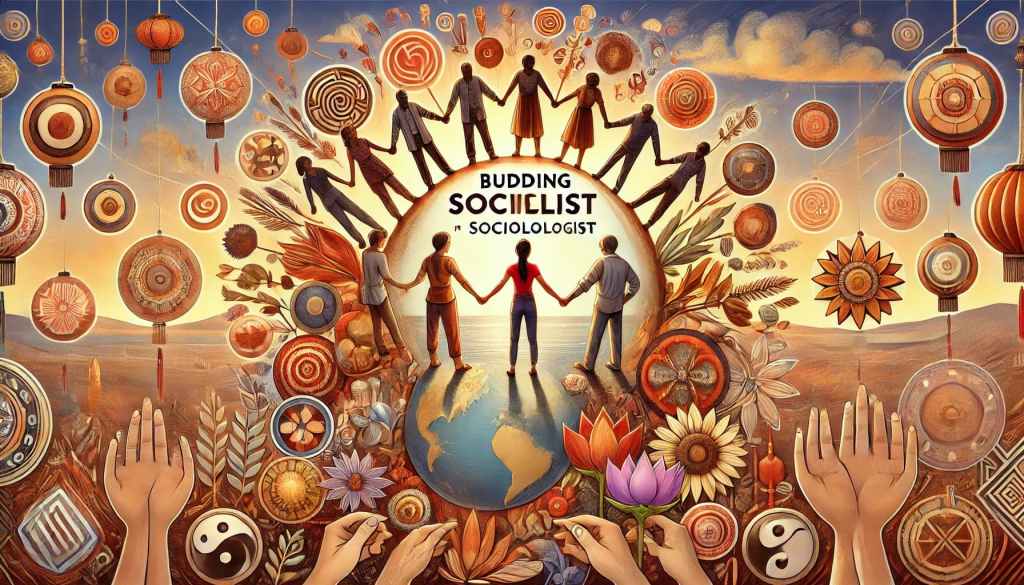
Cultural kinship encompasses the social bonds and relationships formed and sustained through shared cultural practices, beliefs and heritage. It goes beyond biological or genetic connections to include diverse social relationships that are acknowledged and cherished within a specific cultural framework.
Cultural kinship encompasses the complex network of social relationships and bonds that underpin communal life. It goes beyond mere biological ties to include the shared beliefs, practices and values that bring a group together. This notion stretches past immediate family to involve broader cultural, social and sometimes spiritual connections that link individuals to their communities. Through various rituals, traditions and collective experiences, cultural kinship nurtures a sense of belonging and identity, serving as a vital mechanism for passing down cultural heritage through generations.
Cultural kinship underscores the role of social structures and cultural norms in shaping human interactions, demonstrating how societies preserve unity and continuity amid change. Moreover, cultural kinship plays a key role in how communities build their social realities, manage internal dynamics and maintain their cultural heritage over time. It emphasizes the importance of shared language, myths and symbols in forming a common cultural narrative that enhances group solidarity. Through festivals, ceremonies and storytelling, cultural kinship not only ensures historical continuity but also adapts to modern challenges, keeping cultural practices relevant and significant.
Cultural kinship plays a crucial role in forming social identities and fostering community cohesion, offering a framework for people to understand their place in the world and their relationships with others. Cultural kinship often appears through practices such as godparenthood, adoption and fictive kinship, where bonds are formed based on mutual affection, responsibility and social obligations rather than blood ties.
The importance of cultural kinship is also reflected in its adaptability to modern social changes. In contemporary urban settings, where traditional family structures may be less cohesive, new forms of kinship emerge to fulfil individuals’ emotional and social needs. These can include circles of friends, support groups and community organizations that mimic the roles of traditional kinship networks. As societies become increasingly multicultural and interconnected, cultural kinship evolves, integrating diverse cultural practices and creating hybrid forms of social bonds.
Ultimately, cultural kinship emphasizes the importance of human connections and shared experiences that unite people. It illustrates how culture influences social relationships, affecting how individuals interact, support each other and form collective identities. Through the perspective of cultural kinship, we gain a deeper understanding of the social fabric that binds communities and the enduring influence of cultural practices on human interactions.
Characteristics
Cultural kinship denotes the connections that link individuals or groups based on common customs, beliefs, values, language and traditions. Following are the features of cultural kinship:
1. Shared Identity: Shared identity pertains to the collective awareness among members of a cultural group that they are part of a unified entity. This identity typically includes elements like ethnicity, nationality, religion or regional association. For instance, people who consider themselves part of a specific ethnic group might have common ancestry, historical backgrounds and cultural traditions, which all contribute to their sense of shared identity.
2. Interconnectedness: Interconnectedness emphasizes that individuals within a cultural kinship group view themselves as integral parts of a broader community united by common interests, experiences and objectives. This sense of interconnectedness nurtures solidarity and belonging among group members, who acknowledge their mutual reliance and support for each other.
3. Shared Values and Beliefs: Cultural affinity groups commonly maintain collective principles, traditions and standards that shape their conduct and relationships. These mutual principles might encompass notions like reverence for elders, warm reception of visitors or the significance of familial solidarity. Through upholding these shared principles, individuals within the group bolster their cultural heritage and enhance their unity.
4. Language and Communication: Language plays a pivotal role in promoting cultural bonds, facilitating communication and safeguarding heritage. A shared language promotes comprehension, nurtures interpersonal relationships and strengthens group unity by offering a universal platform for expression and collective identity.
5. Traditions and Rituals: Cultural kinship is frequently defined by the participation in common customs, rituals and observances that carry symbolic importance for the community. These customs play a role in strengthening cultural cohesion, passing down cultural wisdom and nurturing a connection to history. Instances might encompass religious observances, cultural celebrations or rituals marking important milestones in life.
6. Sense of Community: Cultural kinship nurtures a profound communal bond among its constituents, who view themselves as integral components of a unified entity connected by common cultural bonds. This communal sentiment cultivates collaboration, reciprocal assistance and unity within the community, as individuals unite to commemorate accomplishments, address obstacles and safeguard their cultural legacy.
7. Transmission of Cultural Knowledge: Cultural kinship encompasses the transfer of cultural wisdom, abilities and customs from one generation to another. This intergenerational exchange of cultural legacy guarantees the perpetuation of cultural distinctiveness and principles over generations, as younger members assimilate knowledge from their predecessors and perpetuate revered traditions and behaviours.
8. Ingroup-Outgroup Dynamics: Cultural kinship can involve the recognition of ingroup-outgroup dynamics, wherein individuals within a cultural community differentiate between fellow members (ingroup) and those outside it (outgroup). Such differentiation can significantly impact social dynamics, shaping attitudes and behaviours. People tend to demonstrate higher levels of trust, cooperation and unity towards ingroup members, while viewing outgroup members as distinct or unfamiliar.
9. Adaptation and Change: Cultural kinship, though rooted in shared customs and traditions, possesses a dynamic quality that permits adaptation and evolution in the face of external stimuli. Over time, cultural groups may undergo transformations in their behaviours, beliefs or principles due to interactions with different cultures, societal shifts or technological progress. Yet, amidst these changes, the fundamental essence of cultural identity and kinship typically endures.
10. Sense of Belonging and Acceptance: In essence, cultural kinship offers individuals a deep feeling of belonging and inclusion within their cultural group. Through validating their cultural identity, fostering connections with those who have similar backgrounds, and establishing a nurturing social environment, cultural kinship enriches individuals’ feelings of self-value, belonging and satisfaction.
Importance
Cultural kinship, the feeling of belonging and connection within a cultural community, bears immense significance for individuals, communities and societies for various following reasons:
1. Identity Formation: Cultural kinship offers people a structure for interpreting their place within their cultural background. This comprehension moulds their self-perception by impacting their principles, convictions, actions and feeling of inclusion. For instance, an individual from a culture that esteems communal bonds and collective effort might emphasize unity and collaborative efforts in their engagements, thereby shaping their self-identity within that cultural community.
2. Social Cohesion: Cultural kinship nurtures unity and communal harmony by reinforcing interpersonal bonds within societies. Through shared cultural customs, ceremonies and heritage, people find mutual understanding, promoting trust, collaboration and a feeling of inclusion. Such unity empowers communities to tackle shared obstacles together and advance the welfare of their constituents.
3. Emotional Support: Cultural connections offer people emotional sustenance through life’s highs and lows. Customs like those related to birth, marriage and loss provide a reassuring thread of continuity and collective history, promoting comfort and solace. Moreover, these ties enable the open expression of feelings within a community of shared heritage, where individuals can find solace and empathy from those who understand their cultural context.
4. Preservation of Heritage: Cultural kinship serves as a crucial element in safeguarding and passing on cultural heritage, including traditions, practices and wisdom, to successive generations. Utilizing mediums like storytelling, oral narratives, artistic endeavours, music, dance and various cultural forms, societies maintain a collective recollection of their past, shaping their history and principles. This dedication to conserving heritage guarantees the perpetuation of cultural identity and strengthens the bond with one’s cultural origins.
5. Cultural Exchange and Understanding: Cultural kinship nurture a climate of cross-cultural comprehension and admiration through enabling the flow of ideas, values and viewpoints among various cultural entities. Encounters between people from varied cultural backgrounds cultivate empathy, acceptance and mutual regard. By actively conversing and participating with others, individuals acquire glimpses into alternative mindsets and lifestyles, thereby fostering a more interconnected and harmonious global community.
6. Sense of Belonging: Cultural kinship fosters a feeling of being part of a community and being included by giving people a common cultural identity. Being a member of a cultural community decreases sensations of being alone and disconnected, fostering mental health and societal involvement. This feeling of belonging reinforces social connections and motivates people to engage actively in community activities, resulting in increased satisfaction and contentment overall.
7. Identity Affirmation: Cultural kinship among marginalized or minority communities offers a significant source of empowerment and validation for their identity. It affirms their unique experiences, historical narratives and valuable contributions, countering prevalent stereotypes and discriminatory attitudes. Through embracing their cultural roots and affirming their sense of self, members of these communities cultivate resilience, dignity and confidence, thus nurturing a stronger sense of agency and inclusion within society.
8. Cultural Innovation and Creativity: Cultural kinship fosters a rich environment for originality and ingenuity by promoting artistic exploration, experimentation and the evolution of cultural traditions. Societies leverage their cultural legacy to innovate in various realms such as art, narrative, culinary arts, fashion and beyond. This innovative cultural spirit not only enhances the tapestry of culture but also plays a pivotal role in shaping the ever-changing narrative of cultural identity.
9. Resilience and Coping Mechanisms: Cultural kinship fosters resilience and coping strategies among individuals and societies amidst challenges. Common cultural norms, beliefs and traditions offer direction and solidarity during crises like natural calamities, political turmoil or societal inequalities. Rituals, ceremonies and communal events provide avenues for emotional processing, resilience-building and communal healing.
10. Promotion of Intergenerational Connectivity: Cultural kinship enhances connections between generations by enabling the transfer of cultural wisdom, customs and principles from older to younger members. Elders utilize methods such as storytelling, mentoring and familial ties to impart knowledge, abilities and cultural legacy to the succeeding generation. This exchange across generations nurtures mutual esteem, comprehension and recognition among various age cohorts, guaranteeing the perpetuation of cultural identity and instilling a collective heritage sentiment within the society.
Residence
Residence in cultural kinship entails individuals or families opting to live together in accordance with cultural customs, traditions and values that emphasize maintaining strong familial and community bonds. The practice of “residence in cultural kinship” involves individuals or families choosing to live in close proximity to others who share similar cultural backgrounds, traditions or values. This setup nurtures a feeling of belonging, community assistance and the safeguarding of cultural heritage. It transcends mere physical closeness, encompassing a profound sense of connection and mutual understanding among inhabitants.
It represents a deliberate decision by individuals or communities to cultivate an environment where cultural heritage is valued and passed on from one generation to the next. Whether through sharing traditional meals, participating in religious rituals or joining cultural celebrations, residents actively contribute to the vibrant mosaic of their shared cultural legacy.
A significant advantage of residing in such communities is the strong sense of solidarity and belonging they promote. Within these close-knit neighbourhoods, neighbours often form bonds akin to those of extended family, offering support in both joyful and challenging times. This interconnected social network provides a sense of safety and mutual assistance, ultimately enhancing overall well-being and quality of life.
Furthermore, living within cultural kinship settings aids in the preservation and transmission of cultural wisdom and customs. Through daily interactions and communal activities, younger members of the community learn about their cultural heritage from their elders, ensuring that traditions go across generations. This exchange between different age groups instils a sense of pride in one’s cultural roots and deepens the connections between community members.
Moreover, residence in cultural kinship can function as a platform for the exchange and interaction of cultures. When individuals reside in close proximity to others from diverse cultural backgrounds, they are presented with the opportunity to glean insights from one another, promoting a climate of mutual appreciation and comprehension. This cross-cultural interchange instils the community with richness and strengthen social unity.
To summarize, residence in cultural kinship transcends mere accommodation; it embodies the enduring essence of cultural heritage and communal solidarity. Opting to inhabit spaces that honour and celebrate one’s cultural roots enables individuals and families to nurture a sense of belonging, safeguard their customs and contribute to the mosaic of human diversity.
Key Aspects of Residence
In societies where residence within cultural kinship is customary, several key aspects often manifest:
1. Extended Family Structures: In such societies, the nuclear family, comprising parents and children, commonly exists alongside an expansive web of relatives. This broader familial framework encompasses grandparents, aunts, uncles, cousins and occasionally even more remote kin. This extended familial setup serves as a foundation of support for individuals across their lifespans.
2. Patrilocal or Matrilocal Residences: Cultural kinship practices vary in their residential arrangements, with some favouring a patrilocal setup and others a matrilocal one. In patrilocal systems, recently married couples typically live alongside or close to the husband’s relatives, whereas in matrilocal systems, they tend to reside near or with the wife’s family. The decision on which arrangement to follow is often influenced by factors such as land rights, inheritance customs and family lineage traditions.
3. Interdependence and Mutual Support: Residing in close proximity cultivates interdependence within families. Members depend on one another for emotional backing, childcare, financial aid and domestic responsibilities. This reciprocal assistance enhances familial connections and solidifies the feeling of being part of a broader kinship circle.
4. Economic Cooperation: In numerous societies where cultural kinship is prevalent, economic endeavours frequently adopt communal or cooperative models. Members of families unite their resources to farm land, manage enterprises or participate in various income-generating ventures. This collective strategy plays a vital role in securing economic stability and the overall welfare of the familial group.
5. Cultural Transmission: Residing near extended family members promote the transfer of cultural traditions, values and knowledge across generations. Older family members are essential in sharing their wisdom, language skills, ancestral practices and safeguarding cultural heritage within the family unit.
6. Social Cohesion and Solidarity: Living within a cultural kinship framework cultivates a strong feeling of social unity and connectedness among community members. Families unite to observe religious holidays, mark significant life milestones and engage in communal ceremonies that strengthen their collective sense of belonging and cultural legacy.
7. Flexibility and Adaptability: Living within a cultural community typically adheres to customary living structures, yet it remains flexible and responsive to shifts in social, economic and environmental dynamics. Contemporary influences like urbanization, migration and globalization have altered how families configure their homes and engage with their kinship circles.
In essence, residing within cultural kinship underscores the significance of familial bonds, community relations and cultural heritage in influencing individuals’ lifestyles and social interactions. It offers insight into how diverse cultures manage the complexities of familial dynamics and uphold a sense of belonging amidst societal transformations.
Inheritance
In cultural kinship, the passing down of resources, status and identity from one generation to another is a key element of social organization. This process involves a complex network of norms, customs and beliefs governing the transmission of property, roles, duties and privileges within a community or society. Inherited within familial and societal bonds, this practice not only fosters continuity and solidarity but also mirrors the cultural values, priorities and power structures.
In cultural kinship, inheritance entails the transfer of both tangible and intangible assets like land, wealth, knowledge, skills, titles and affiliations from ancestors to descendants or chosen successors. However, the nature and mechanisms of inheritance differ greatly across cultures, shaped by historical, economic, political and religious factors. These variations give rise to various inheritance systems—patrilineal, matrilineal, bilateral and cognatic—each with its own set of regulations, ceremonies and consequences for kinship ties.
In societies following a patrilineal structure, inheritance commonly adheres to the male lineage, where property and status are passed down from fathers to sons, thus reinforcing patriarchal dominance and the continuity of lineage. Conversely, in matrilineal systems, descent is traced through the female line and inheritance may move from mothers to daughters, highlighting maternal kinship bonds and often resulting in distinct patterns of land ownership and familial authority.
Furthermore, inheritance practices encompass not only material possessions but also cultural traditions, rituals and social roles. For instance, in many indigenous cultures, inheritance involves passing down oral histories, traditional laws and spiritual customs, ensuring the preservation of cultural heritage and wisdom throughout generations. Similarly, certain roles or privileges within kinship communities, such as leadership positions or ceremonial responsibilities, may be inherited based on lineage or other criteria, reflecting broader societal norms and values.
Inheritance intersects with broader social structures like class, caste and gender, influencing access to resources and opportunities. Laws and customs around inheritance often mirror and sustain existing inequalities, favouring certain individuals or groups while marginalizing others based on birth order, gender or legitimacy. Reforms in inheritance practices entail complex negotiations between tradition and modernity as communities strive to preserve cultural heritage while advancing social justice.
In essence, inheritance is pivotal in social organization, embodying the interplay of tradition, power and identity. Understanding its complexities demands a nuanced grasp of cultural values, historical legacies and contemporary dynamics. It also requires acknowledging the diverse ways inheritance shapes and mirrors the experiences of individuals and groups worldwide.
Key Aspects of Inheritance
A comprehensive exploration of inheritance in cultural kinship typically entails an examination of the following key aspects:
1. Types of Inheritance: Inheritance manifests in diverse ways, encompassing tangible aspects like property, wealth or possessions, as well as intangible elements like social status, titles or privileges. Additionally, it extends to symbolic elements such as customs, wisdom or cultural practices.
2. Rules and Norms: Every society establishes its unique guidelines and customs concerning inheritance. These guidelines delineate the rightful recipients of inheritance, taking into account various factors like familial relationships, gender, seniority, marital status and ancestry.
3. Kinship Systems: Inheritance customs are intricately linked with kinship structures, delineating the connections among members within a community. Kinship structures may follow bilateral patterns (valuing both maternal and paternal relatives equally), patrilineal norms (tracking descent and inheritance through the male lineage), matrilineal traditions (tracing descent and inheritance through the female lineage) or cognatic arrangements (allowing descent to be traced through both male and female lines).
4. Primogeniture vs. Equal Division: In certain cultures, the tradition of primogeniture dictates that the eldest son receives the majority of the family’s wealth or prestige as inheritance. Conversely, in other societies, assets are distributed evenly among all heirs, regardless of their position in birth order or gender. Moreover, there are cultures that adhere to ultimogeniture, whereby the youngest son is bestowed with the inheritance.
5. Cultural Variation: Various cultural elements impact the way inheritance is managed across different societies. For instance, religious convictions or traditional practices, like the Islamic approach to inheritance guided by Sharia law, can play a significant role. Similarly, political structures or past occurrences such as colonial rule or socialist ideologies may also exert influence over inheritance practices.
6. Challenges and Changes: Inheritance customs have the potential to undergo transformations in accordance with shifts in societal, economic and political landscapes. Factors such as globalization, urbanization and migration can exert influence on established inheritance frameworks, prompting adjustments or posing dilemmas to prevailing standards.
7. Gender Dynamics: Inheritance customs frequently showcase the influence of gender. Certain societies may exhibit a preference for male heirs, resulting in imbalances in inheritance entitlements and prospects between genders. Nevertheless, perspectives on gender and inheritance exhibit substantial diversity across different cultural contexts.
8. Legal Frameworks: In numerous cultures, inheritance is governed by legal structures that describe entitlements, responsibilities and processes concerning succession. These regulations often mirror societal beliefs and standards, yet they remain open to modification via legal amendments or court rulings.
In grasping the concept of inheritance within cultural kinship, it’s crucial to delve into the complex dynamics at play among social, economic, religious and legal elements within distinct cultural frameworks.
Cultural Perspective on Kinship
David Schneider, a renowned American anthropologist, played a significant role in advancing the understanding of kinship, especially within American society. His seminal work, “American Kinship: A Cultural Account,” published in 1968, encapsulates his perspectives on the subject. Schneider’s insights challenged conventional anthropological beliefs regarding kinship, introducing a novel theoretical framework that prioritized the cultural construction of kinship over its biological underpinnings.
At the core of Schneider’s approach lies the concept of kinship as a cultural construct rather than a natural or biological phenomenon. Contrary to prevalent notions emphasizing blood relations or shared biological heritage, Schneider contended that kinship is predominantly shaped by social and cultural conventions. He proposed that societal norms, values and practices play pivotal roles in defining and shaping kinship systems.
Schneider proposed a fundamental differentiation between “kinship as a cultural system” and “kinship as a biological phenomenon,” asserting that cultural interpretations heavily shape the significance of biological relationships. He highlighted the influence of cultural norms and beliefs on the understanding and definition of kinship ties, suggesting that they go beyond biological factors.
Moreover, Schneider introduced the notion of “kinship symbols,” which are culturally instil markers representing familial connections. These symbols encompass various aspects like terms of address, rituals, customs and legal frameworks governing family relations. He posited that comprehending these symbols is essential for grasping how kinship functions within a given society.
Schneider also challenged the notion of universal kinship structures, contending that they exhibit significant diversity across cultures and historical contexts. Rather than seeking overarching principles, he advocated for a contextual and nuanced approach that acknowledges the multiplicity of human social arrangements.
Critique of Kinship Study
David Schneider challenged the Western perspective on kinship, particularly its dependence on a unilineal understanding rooted in biology. He argued that theories proposed by Western anthropologists were limited and inadequate for comprehending family and kinship dynamics in non-Western societies. In his work titled ‘A Critique of the Study of Kinship’, Schneider posited that kinship should be viewed as an abstract concept, devoid of a universal model like the nuclear heterosexual family, which views marriage as a social manifestation of biological principles. He contested the foundational assumption among American anthropologists that blood ties hold greater significance than other social bonds, a belief prevalent in their own cultural milieu.
Schneider further contended that Euro-American conceptualizations of kinship often treat it as a mere social construction of biological realities. He argued that the kinship often perpetuates implicit assumptions about the biological nature of kinship, neglecting its social dimensions. He criticized social thinkers on several fronts:
- Focusing solely on the biological aspects of kinship.
- Overlooking the significance of the extent of biogenetic substance sharing.
- Failing to differentiate between kinship structure and cultural practices. While kinship is indeed rooted in biogenetic substances, Schneider emphasized the importance of considering its social dimensions for a comprehensive understanding of kinship relations.
Cultural Framework and Normative Structure
In his exploration of kinship, Schneider drew a line between the cultural framework of a society and its normative aspects. He defined the cultural framework as a structure composed of defined units, each differentiated according to various conceptualizations. On the other hand, the normative aspect comprised the rules and regulations guiding behaviour for societal acceptance. These rules essentially dictate the “how-to” of behaviour, such as the expectation for a middle-class father to provide for his family financially, regardless of whether many actually fulfil this expectation. The normative perspective tends to present culture as more static and predetermined, focusing on prescribed behaviours and roles.
Within the cultural framework, attention is given to the elements of culture itself: the setting, characters and stage. Conversely, the normative system outlines the behaviours and roles expected of individuals within that cultural framework. However, it’s important to note that these two systems are not isolated; rather, the cultural framework is an integral part of the normative structure. While cultural premises establish categories of relationships like blood and marriage, it’s the normative guidelines that dictate how individuals should interact with these relatives.
The study of kinship necessitates an abstraction from the normative system while still recognizing its practical application within the cultural context. Thus, according to Schneider, kinship is inherently cultural. His approach delves into the symbolic meanings underlying actions and their interconnectedness, forming a cohesive system of symbols and meanings.
Kinship in Western Countries
When exploring kinship within American culture, Schneider delineates it as part of a broader framework comprising two distinct components:
- Shared bio-genetic substance, akin to inherited blood, represents the natural inheritance.
- The code of conduct or moral order, fosters solidarity among related individuals.
Combining these elements gives rise to three primary kinship categories:
- Blood relatives emerge when both components coexist, representing a natural connection within the familial structure.
- Relatives-in-law or those related through marriage, stem solely from the code of conduct aspect, forming part of a legal framework distinct from the natural order.
- Conversely, when only the shared bio-genetic substance is present, a category of relatives in nature emerges.
Schneider emphasizes that kinship isn’t solely about the presence or absence of shared bio-genetic substances but rather how they are shared. He suggests that factors such as class and personal dynamics influence the magnitude of this sharing, thereby altering kinship relations. Consequently, kinship can be analysed through the lenses of both natural and cultural orders.
Moreover, Schneider extends this analysis to nationality and religion, asserting that they, too, comprise elements of both natural and cultural orders akin to kinship.
References and Readings:
Kinship and Marriage, by Robin Fox, https://amzn.to/4i2Zmxq
Kinship and Culture, by Francis L.K. Hsu, https://amzn.to/4h74Ohu