- Introduction
- Government Surveillance and National Security Programs
- Corporate Surveillance and Data Exploitation
- Law Enforcement and AI-Powered Surveillance
- The Legal and Ethical Challenges of Digital Surveillance
- The Future of Privacy in the Digital Age
Introduction
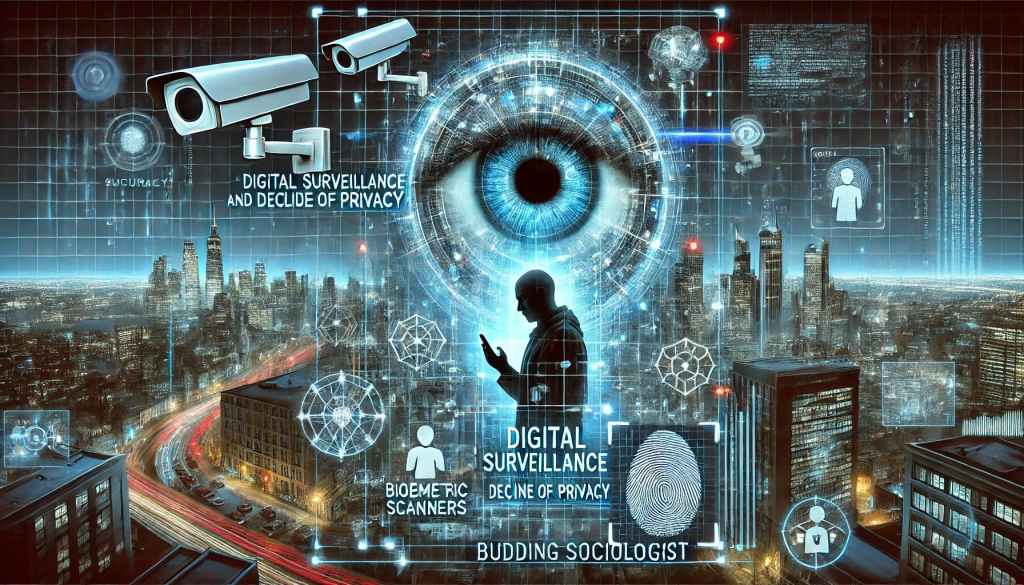
In today’s digital landscape, surveillance has become an unavoidable part of day to day life in the United States. The increasing use of smartphones, social media and smart home devices has made it easier for both government agencies and private corporations to monitor and collect vast amounts of personal data. While digital surveillance is often justified as essential for national security, crime prevention and enhanced consumer experiences, it has raised serious concerns about the threat of personal privacy, civil liberties and Fourth Amendment protections. The expanding reach of surveillance technology—both in the public and private sectors—poses significant challenges to individual rights and personal freedom.
One of the most debated aspects of digital surveillance is the role of government agencies such as the National Security Agency (NSA), the Federal Bureau of Investigation (FBI) and the Department of Homeland Security (DHS). In response to the 9/11 attacks, the government expanded its surveillance powers through the USA PATRIOT Act, which authorized the widespread collection of phone records, internet activity and financial transactions. The extent of these programs became widely known in 2013 when whistleblower Edward Snowden exposed the NSA’s PRISM program, which involved data collection from major technology companies like Google, Apple and Facebook. Another initiative, Upstream, intercepted internet communications from major fiber-optic cables. These programs enabled the government to monitor vast amounts of communication data without obtaining individual warrants, raising significant legal and ethical concerns regarding citizen’s rights to privacy. Although some reforms were introduced, such as the USA FREEDOM Act (2015), which restricted certain types of bulk data collection, but many surveillance practices still remain in operation today.
Beyond government monitoring, corporate surveillance has become more pressing issue. Large technology companies such as Facebook (Meta), Google, Amazon and X collects immense amounts of personal data, including browsing history, search queries, location tracking, purchase behaviour and even private conversations. Advanced tracking technologies, such as cookies, AI-powered analytics and geolocation tools, help these companies create detailed user profiles of each user for targeted advertising. The risks of data misuse were highlighted in the Cambridge Analytica scandal, where Facebook user data was used without consent to influence political campaigns. Additionally, the rise of Internet of Things (IoT) devices—including smart home assistants like Amazon Echo and Google Nest—has led to continuous data collection, often with limited transparency regarding how this information is stored and shared. In the absence of strong federal privacy regulations, these companies are free to collect, analyze, use and sell consumer data with little accountability, sparking concerns about ethical boundaries and personal data security.
Law enforcement agencies have also increasingly embraced AI-driven surveillance tools, including facial recognition software, predictive policing and social media monitoring. Facial recognition technology, developed by companies such as Clearview AI, allows law enforcement to identify individuals using images scraped from social media and other online sources. However, studies have revealed that these systems are prone to bias, with higher error rates in identifying people of colour, leading to false arrests and civil rights violations. Similarly, predictive policing algorithms, designed to forecast crime hotspots based on historical data, have been criticized for reinforcing racial and socio-economic biases. Furthermore, the use of social media monitoring by law enforcement to track activists, protest movements and dissenting voices raises concerns about government overreach and the suppression of free speech.
Despite growing concerns over privacy, the United States does not have a unified federal data protection law similar to the European Union’s General Data Protection Regulation (GDPR). Instead, privacy laws varies by state and industry. Some states have taken the lead in implementing stronger data protection measures, such as California’s Consumer Privacy Act (CCPA), which grants residents more control over their personal information and Illinois’ Biometric Information Privacy Act (BIPA), which regulates the use of facial recognition and biometric data. However, the lack of a national standard leaves many Americans with little control over how their data is collected and used. Landmark court rulings, such as Carpenter v. United States (2018)—which established that law enforcement requires a warrant to access cell phone location data—have strengthened digital privacy protections in certain areas, but many forms of digital surveillance remain legally ambiguous.
As digital technology continues to advance, the future of privacy in the U.S. remains uncertain. The expansion of 5G networks, artificial intelligence, biometric surveillance and data analytics is expected to further enhance surveillance capabilities, making it even more challenging for individuals to protect their personal information. However, increasing public awareness and advocacy efforts have led to growing demands for stronger privacy regulations, increased transparency and better oversight of government and corporate surveillance practices. Efforts to introduce comprehensive federal privacy legislation continue to gain momentum and demand, but the challenge remains between balancing national security, corporate interests and the protection of individual rights.
Ultimately, the issue of digital surveillance in the U.S. reflects a broader conflict between security measures and civil liberties in the digital era. While surveillance technologies can provide benefits in crime prevention and national security, unchecked data collection and lack of accountability pose significant risks to democracy and personal privacy. Without stronger legal protections, greater transparency and ethical oversight, the loss of privacy will remain a growing concern for American society in the years to come.
Government Surveillance and National Security Programs
The U.S. government employs extensive digital surveillance programs to monitor communications, track individuals and gather intelligence for national security and law enforcement purposes. These programs, often justified under the pretext of preventing terrorism, espionage and cyber threats. These programs have sparked major debates about privacy rights, government overreach and constitutional protections under the Fourth Amendment.
Over the past two decades, government surveillance in the U.S. has expanded significantly, with agencies such as the National Security Agency (NSA), Federal Bureau of Investigation (FBI), Central Intelligence Agency (CIA) and Department of Homeland Security (DHS) playing key roles in collecting and analyzing digital data. Many of these activities operate under secretive legal frameworks, raising concerns about transparency and accountability.
1. Expansion of Digital Surveillance by the NSA: The National Security Agency (NSA) plays a major role in intelligence-gathering and digital surveillance within the U.S. Over the past two decades, its monitoring activities have expanded significantly, particularly after the 9/11 attacks. The agency collects a vast amount of data, including phone records, emails and online activities, often without user’s knowledge or consent. The broad scope of these operations has raised significant concerns about privacy violations and potential misuse of personal data.
2. PRISM and Online Data Collection: The PRISM program, revealed in 2013 through leaked government documents, allows intelligence agencies to access data from major technology companies such as Google, Facebook, Microsoft and Apple. This program enables authorities to monitor emails, video calls, cloud storage and chat messages. Critics argue that PRISM gives the government too much access to user’s private communications, often without clear accountability, raising major concerns about civil liberties.
3. Upstream Surveillance and Internet Traffic Interception: Beyond PRISM, the NSA also operates Upstream, a surveillance initiative that intercepts digital communications traveling through fiber-optic cables. Unlike targeted monitoring, Upstream collects vast amounts of internet traffic data, even from individuals who are not under suspicion. The lack of transparency and safeguards surrounding this type of surveillance has been a major point of controversy, as it potentially infringes upon constitutional protections against unreasonable searches.
4. The Patriot Act and Government Oversight Issues: Following the 9/11 attacks, the U.S. government passed the USA PATRIOT Act to enhance national security measures. This legislation significantly expanded the government’s ability to conduct surveillance by allowing warrantless wiretaps, large-scale metadata collection and the issuance of National Security Letters (NSLs) to obtain personal records. While intended to combat terrorism, the act has been widely criticized for granting excessive power to national intelligence agencies, with limited checks and balances in place.
5. FISA Courts and Secret Surveillance Approvals: The Foreign Intelligence Surveillance Act (FISA) established a secret judicial body known as the FISA Court (FISC), which reviews government requests for surveillance warrants. However, the court operates with minimal public oversight and reports indicate that it has approved over 99% of government surveillance requests. This high approval rate has led to concerns that the FISA process lacks true judicial scrutiny, enabling surveillance programs that could infringe on constitutional rights.
6. Monitoring of Social Media and Public Protests: In recent years, the Department of Homeland Security (DHS) has expanded its surveillance activities to include social media monitoring. During protests such as the Black Lives Matter (BLM) movement, law enforcement agencies were found to be actively tracking activists, journalists and demonstrators. Critics argue that this kind of surveillance creates a chilling effect on free speech, discouraging individuals from participating in public debates out of fear of government scrutiny.
7. Surveillance in Immigration Enforcement: Surveillance technologies have also been widely used in immigration enforcement, with agencies such as Immigration and Customs Enforcement (ICE) utilizing artificial intelligence and data analytics to monitor visa applicants, immigrants and refugees. These agencies often rely on third-party data brokers and facial recognition technology to track persons. The lack of transparency in these systems raises concerns about potential racial profiling, wrongful detentions and violations of rights.
8. Use of Facial Recognition and Biometric Tracking: Law enforcement agencies increasingly employ facial recognition technology for security and police use. Companies have amassed databases from billions of images scraped from the internet, allowing authorities to identify individuals without their consent and approval. Research indicates that facial recognition tends to misidentify people of colour more frequently, leading to wrongful arrests and reinforcing racial biases. Due to these concerns, some cities have placed restrictions on its use, but federal regulations remain limited.
9. Predictive Policing and AI-Based Law Enforcement: Predictive policing tools use artificial intelligence and historical crime data to anticipate future criminal activity. While these systems are intended to improve law enforcement efficiency, studies suggest that they reinforce existing biases by disproportionately targeting minority communities. Critics argued that these tools do not prevent crime but instead increase law enforcement scrutiny on certain demographics, increasing issues of racial and social inequality.
10. The Need for Stronger Privacy Protections: Despite growing concerns about mass surveillance, the U.S. currently lacks a comprehensive federal law to regulate digital privacy and data collection. Unlike the European Union’s GDPR, which gives individuals more control over their personal data, U.S. citizens have limited protections against government and corporate surveillance. Privacy advocates continue to push for reforms that would increase transparency, require warrants for digital surveillance and strengthen data privacy rights. Without meaningful changes, the expansion of surveillance technologies could further erode personal freedoms in the digital age.
Conclusion: Government surveillance in the United States has evolved into an extensive system that operates with limited public oversight. While national security concerns drive many of these programs, the broad and often indiscriminate collection of personal data raises serious ethical and legal questions. As technology continues to advance, the balance between public safety and personal privacy remains a critical issue that demands greater transparency, regulation and accountability.
Corporate Surveillance and Data Exploitation
In the modern digital age, corporations have become some of the most prolific collectors of personal data. Unlike government surveillance, which is often justified under national security or law enforcement concerns, corporate surveillance is primarily driven by profit motives, targeted advertising, and consumer behaviour analysis. This extensive data collection, often conducted without explicit user consent, has led to widespread concerns over privacy violations, data security risks, and the manipulation of public behaviour.
1. Extensive Data Collection by Technology Companies: Major corporations like Google, Meta (Facebook), Amazon, and Microsoft gather and analyze massive amounts of user data every day. This information includes search history, social media activity, purchasing patterns, and even private messages. While these companies claim data collection enhances user experience, the primary motive is profit through targeted advertising. The more data they amass, the more precisely they can tailor ads, increasing revenue while compromising consumer privacy.
2. Social Media Tracking and Personalized Profiling: Platforms such as Facebook, Instagram, X (formerly Twitter), and TikTok closely monitor user interactions, including posts, likes, and time spent viewing content. Advanced AI algorithms analyze these behaviours to build detailed profiles of users’ interests, preferences, and even emotions. This data is then sold to advertisers or used to curate news feeds in a way that reinforces users’ existing beliefs, contributing to echo chambers and limiting exposure to diverse perspectives.
3. Smartphones as Surveillance Tools: Modern smartphones collect a wealth of personal data, including location tracking, voice recordings, and app usage habits. Even when users disable location services, many apps still track movement using background processes. Companies like Google and Apple implement privacy measures, but research has shown that data collection often continues in ways that are not always clear to users. Additionally, voice assistants such as Siri, Google Assistant, and Alexa are always listening for commands, raising concerns about inadvertent audio recording.
4. Invasive Tracking Through Smart Home Devices: The growing popularity of smart home devices—including smart speakers, security cameras, and wearable fitness trackers—has expanded corporate surveillance into private spaces. Devices like Amazon Echo and Google Nest record and store voice commands, while smart TVs track viewing habits. Video doorbells and home security systems can record footage indefinitely, sometimes allowing third parties, including law enforcement, to access data without a warrant. These devices, often marketed as tools for convenience or safety, have created new risks for personal privacy.
5. The Role of Data Brokers in Selling Personal Information: Data brokers, such as Acxiom, Experian, and Palantir, collect, aggregate, and sell consumer information without direct user consent. These firms gather data from online activity, public records, social media, and retail transactions, compiling detailed profiles that are sold to advertisers, insurers, and even government agencies. Individuals have little awareness or control over how their personal information is being used, and unlike in the European Union, U.S. regulations do not provide strong protections against this practice.
6. Artificial Intelligence and Behavioural Prediction: Corporations now employ AI and machine learning to analyze user behaviours and predict future actions with remarkable accuracy. AI processes browsing habits, voice interactions, and facial expressions to determine interests, emotional states, and potential purchasing decisions. These predictive analytics are not only used for advertisements but also to manipulate user engagement, such as keeping them online longer or influencing political opinions. Ethical concerns continue to grow regarding the extent to which AI-driven surveillance can influence human behaviour.
7. The Use of Facial Recognition and Biometric Data: Facial recognition technology has become increasingly prevalent in consumer devices, from Apple’s Face ID to Google’s image analysis tools. Companies and third-party firms collect biometric data, such as fingerprints and facial scans, under the pretense of security or convenience. However, firms have compiled vast facial recognition databases using images scraped from social media, often without user consent. Since there is no comprehensive federal law regulating biometric data in the U.S., individuals face significant privacy risks, including potential misuse of their sensitive personal information.
8. Weak Privacy Regulations in the U.S.: Unlike Europe’s General Data Protection Regulation (GDPR), the United States does not have a single, comprehensive privacy law that governs how companies collect and use personal data. Instead, regulations vary by state, with California’s Consumer Privacy Act (CCPA) offering some of the strongest protections. However, in most states, companies are not required to inform users about data collection practices or allow them to opt out. This legal gap enables corporations to track, analyze, and sell personal information with little accountability.
9. Collaboration Between Corporations and Government Agencies: Many private companies have formed partnerships with government entities, providing them access to extensive user data. For example, Amazon’s Ring has agreements with law enforcement agencies, allowing them to request access to homeowners’ security camera footage. Similarly, telecommunications firms have shared data with intelligence agencies under surveillance programs. These partnerships raise concerns about how private corporations are facilitating state surveillance, often without the public’s knowledge or consent.
10. Emerging Privacy Threats in AI, Virtual Reality, and the Metaverse: As technology advances, new forms of surveillance are emerging. AI-powered personal assistants, brainwave-tracking devices, and virtual reality (VR) platforms such as Meta’s Metaverse collect even more personal data, including eye-tracking movements and emotional responses. These technologies have the potential to provide corporations with unprecedented access to users’ subconscious thoughts and decision-making processes. Without stricter regulations, the next wave of digital surveillance could further erode individual privacy and personal autonomy.
Conclusion: Corporate surveillance in the United States continues to grow as companies refine their data collection strategies, often without meaningful oversight. From social media tracking to AI-driven predictive analytics, consumers are monitored constantly, often without fully understanding how their information is being used. Without stronger privacy laws and increased public awareness, corporate surveillance will likely continue expanding, further diminishing personal privacy rights in the digital age.
Law Enforcement and AI-Powered Surveillance
The use of artificial intelligence (AI), facial recognition technology, predictive policing, and social media monitoring by law enforcement agencies in the U.S. has significantly expanded in recent years. These technologies are often marketed as tools for enhancing public safety, solving crimes more efficiently, and reducing the burden on police forces. However, they also raise serious ethical and legal concerns regarding mass surveillance, racial bias, wrongful arrests, and violations of civil liberties.
1. The Growing Role of AI in Policing: Artificial intelligence (AI) has increasingly become an essential tool for law enforcement in the U.S., providing the ability to analyze vast amounts of data for crime prediction, suspect identification, and security enhancement. AI-driven surveillance methods, such as facial recognition, predictive policing, and social media tracking, are widely used to improve operational efficiency. However, the lack of transparency and regulatory safeguards has raised concerns about privacy breaches, racial bias, and violations of constitutional rights.
2. Facial Recognition and Its Widespread Use: Facial recognition technology enables law enforcement to match individuals’ faces against extensive databases, often sourced from driver’s license records, security footage, and social media platforms. Companies have built massive facial recognition databases by extracting images from the internet without consent. Police agencies utilize these databases to track individuals in public spaces, including protests, airports, and city streets. However, studies have shown that facial recognition is prone to inaccuracies, particularly when identifying people of colour, leading to false accusations and wrongful arrests.
3. Mistaken Identities and AI Misjudgments: Flaws in AI-powered facial recognition have already resulted in wrongful arrests. For example, in 2020, Detroit resident Robert Williams was mistakenly detained due to an incorrect AI match. Research has found that facial recognition algorithms have a higher error rate when analyzing Black and Asian individuals, increasing the likelihood of false identifications. Due to these concerns, some cities, including San Francisco and Portland, have prohibited the use of facial recognition in law enforcement.
4. The Limitations of Predictive Policing: Predictive policing relies on AI algorithms to analyze past crime data and forecast areas or individuals at higher risk of engaging in criminal activity. Systems such as COMPAS and PredPol claim to improve policing strategies, yet they often reinforce existing racial and socio-economic biases. Since these tools rely on historical crime records, they tend to disproportionately target minority neighbourhoods, leading to intensified surveillance and law enforcement presence in communities already subjected to high policing rates.
5. Concerns Over Civil Liberties and Constitutional Rights: The expansion of AI surveillance raises serious Fourth Amendment concerns, which protect citizens from unwarranted searches and seizures. Many of these surveillance methods operate without judicial approval, allowing law enforcement to monitor individuals without probable cause. Moreover, tracking protestors and activists using AI surveillance infringes upon First Amendment rights, particularly concerning free speech and the right to assemble. This was notably seen during the Black Lives Matter protests, where digital tracking tools were used to monitor demonstrators.
6. Social Media Monitoring and Digital Surveillance: Law enforcement agencies are increasingly using AI-driven software to analyze social media activity, tracking posts, locations, and interactions to identify potential threats. Platforms like Geofeedia and Dataminr scan public discussions for keywords linked to criminal behaviour or protests. Although these technologies are promoted as tools for crime prevention, they have been misused to monitor activists, journalists, and political dissidents, sparking concerns about mass digital surveillance and government overreach.
7. Expanding Biometric Tracking Beyond Facial Recognition: Beyond facial recognition, law enforcement is adopting additional biometric technologies such as gait recognition, voice analysis, and cardiac signature identification. The Department of Homeland Security (DHS) has tested heartbeat recognition systems, which can identify individuals by detecting their unique cardiac patterns. These emerging surveillance technologies pose new privacy challenges, as they allow constant and unobtrusive tracking of individuals, often without their knowledge or consent.
8. Legal Pushback and Efforts to Regulate AI Surveillance: In response to mounting privacy concerns, some states and municipalities have enacted laws limiting AI surveillance. For example, Illinois’ Biometric Information Privacy Act (BIPA) requires explicit user consent before biometric data can be collected. Similarly, California’s Consumer Privacy Act (CCPA) grants individuals more control over how their personal information is used. However, at the federal level, there is still no comprehensive legal framework to regulate AI-powered surveillance.
9. Private Companies and Their Role in Law Enforcement Surveillance: Many of the AI surveillance systems used by law enforcement are developed and supplied by private technology companies, raising concerns about profit-driven policing and accountability issues. Firms such as Amazon (through Rekognition), Microsoft, and Palantir provide AI-powered surveillance tools to law enforcement agencies, often without public transparency or oversight. The collaboration between private corporations and government entities has sparked ethical debates about data security, misuse and conflicts of interest.
10. The Future of AI Surveillance and the Need for Oversight: As AI technology continues to advance, law enforcement agencies are expected to adopt even more sophisticated surveillance methods, including real-time facial recognition on police body cameras, AI-equipped drones, and emotion recognition software. Without strict regulations, there is a risk of creating a permanent surveillance state, where citizens are continuously monitored and analyzed. To prevent potential abuses, policymakers, civil rights organizations, and privacy advocates must work toward greater oversight, transparency, and legal accountability in the use of AI-driven policing technologies.
The increasing use of AI-driven surveillance by law enforcement in the U.S. raises significant concerns about privacy, civil rights, and discrimination. While these technologies enhance crime detection and security efforts, their misuse can lead to wrongful arrests, biased policing, and mass surveillance. The lack of clear regulations and oversight risks compromising fundamental freedoms and disproportionately impacting marginalized groups. To prevent abuse and protect citizens’ rights, policymakers must implement strict guidelines, promote transparency, and ensure accountability in the use of AI-powered policing tools. Striking a balance between public safety and individual privacy is essential for ethical and responsible law enforcement.
The Legal and Ethical Challenges of Digital Surveillance
Digital surveillance in the United States presents complex legal and ethical dilemmas. While surveillance technologies are often justified in the name of national security, crime prevention, and corporate efficiency, they also raise serious concerns about civil liberties, government overreach, and data exploitation. The legal system in the U.S. has struggled to keep pace with the rapid advancements in surveillance technology, leading to gaps in privacy protection and ambiguities in the application of constitutional rights.
1. Fourth Amendment Concerns and Warrantless Data Collection: The Fourth Amendment safeguards citizens against unreasonable searches and seizures, yet its application to digital surveillance remains unclear. While courts have ruled that accessing smartphone data or tracking a person’s location typically requires a warrant, many forms of online monitoring and data collection are still unregulated. The Third-Party Doctrine, for instance, permits companies like Google, Apple, and Facebook to collect user data and share it with authorities without needing a warrant. This raises significant concerns about privacy rights and government oversight in the digital age.
2. Post-9/11 Expansion of Government Surveillance: After the 9/11 attacks, the U.S. government significantly broadened its surveillance capabilities through the USA PATRIOT Act. This legislation enabled authorities to track financial transactions, monitor online activities, and collect phone records of individuals, often without their knowledge. Though the USA FREEDOM Act (2015) placed some restrictions on these practices, government agencies still utilize National Security Letters (NSLs) and FISA court orders, which allow data collection without public transparency. This secretive approach raises concerns about potential misuse and lack of accountability.
3. The Role of Private Companies in Mass Data Collection: Technology corporations play a critical role in digital surveillance, gathering large amounts of personal data, browsing behaviour and location details. Many of these companies comply with government data requests, often without informing users. High-profile cases have shown instances where businesses like Amazon, Google, and Facebook have provided user data to law enforcement. Ethical debates persist about whether these companies should be allowed to profit from personal data while simultaneously assisting government surveillance efforts.
4. Facial Recognition Technology and Privacy Risks: The growing use of facial recognition software has intensified privacy concerns, especially due to racial bias and misidentification. Studies have found that these systems frequently misidentify individuals from marginalized communities, leading to false accusations and wrongful arrests. Companies like Clearview AI, which compile vast facial recognition databases from social media images, have sparked debate over whether such technology violates privacy rights. Some U.S. cities have banned the use of facial recognition in public surveillance, but there is no comprehensive federal regulation in place.
5. Algorithmic Bias and Predictive Policing: Law enforcement agencies have started using AI-driven predictive policing, which analyzes crime patterns to forecast potential criminal activity. However, these algorithms often reflect historical biases, disproportionately targeting low-income and minority communities. Such practices reinforce racial profiling and systemic discrimination, as communities with a history of higher arrest rates receive increased police scrutiny. Ethical concerns arise over the fairness and accuracy of AI-based surveillance, leading to calls for greater transparency and oversight.
6. Impact of Surveillance on Free Speech and Civil Liberties: The expansion of government surveillance has created a chilling effect on free speech, with individuals becoming more cautious about their online activities. Activists, journalists, and political groups have been subjected to social media monitoring, location tracking, and data collection, limiting their ability to engage in open discussions or protests. The use of surveillance tools during demonstrations, such as those following police brutality incidents, raises questions about whether such monitoring violates constitutional rights like freedom of expression and assembly.
7. Lack of Nationwide Data Privacy Protections: Unlike the European Union’s General Data Protection Regulation (GDPR), the U.S. does not have a federal law governing data privacy. Instead, privacy regulations differ across states, with laws such as the California Consumer Privacy Act (CCPA) providing some protections for residents. However, there is still no uniform legal frameworkto regulate how personal data is collected, stored, or shared. This gap allows data brokers, social media platforms, and AI companies to operate with minimal restrictions, creating concerns about consumer rights and data security.
8. Ethical Issues in Corporate Data Monetization: Many companies use personal data for targeted advertising, behaviour prediction, and artificial intelligence development. This data economy, driven by mass surveillance and analytics, raises ethical dilemmas regarding consumer consent and digital autonomy. The Cambridge Analytica scandal, where Facebook data was used to manipulate elections, highlighted the dangers of unregulated data harvesting. The question remains: Should consumers have greater control over their digital footprints, or do businesses have the right to collect and sell user data for profit?
9. Concerns Over Geofence Warrants and Location Tracking: Law enforcement has increasingly relied on geofence warrants, which require companies like Google and Apple to provide a list of all devices present in a given location at a specific time. While this method can help solve crimes, it raises concerns about privacy violations, as innocent individuals may be caught in broad data sweeps. In one instance, a cyclist was wrongfully detained based on Google location data, illustrating how imprecise digital evidence can lead to mistaken arrests. The growing use of location tracking has led to debates over whether such tactics are constitutionally sound.
10. The Ongoing Debate Over Privacy and National Security: As digital surveillance continues to evolve, lawmakers face the challenge of balancing public safety with individual privacy. While national security concerns often justify the need for data collection and monitoring, excessive surveillance can undermine civil liberties. There is increasing pressure to establish clearer privacy laws, enhance corporate accountability, and limit government overreach. The future of digital privacy in the U.S. depends on finding a fair balance between security needs and protecting personal freedoms in the digital era.
Conclusion: The legal and ethical concerns surrounding digital surveillance in the United States highlight the urgent need for stronger regulations and oversight. Without comprehensive policies governing government surveillance, corporate data collection, and AI-driven monitoring, privacy rights will continue to be eroded. As digital technologies advance, the ongoing debate over security versus privacy will shape the future of civil liberties in the country.
The Future of Privacy in the Digital Age
As digital surveillance capabilities continue to evolve, the future of privacy in the United States remains uncertain. Advancements in artificial intelligence (AI), biometric tracking, 5G connectivity, and quantum computing present both opportunities and challenges. While these technologies offer potential benefits in national security, crime prevention, and consumer convenience, they also risk deepening the erosion of privacy and civil liberties. The future of digital privacy will depend on how lawmakers, corporations, and citizens navigate the balance between security, innovation, and individual rights.
1. The Demand for Federal Privacy Protections: Unlike many other nations, the United States does not have a single, comprehensive privacy law. Instead, privacy is regulated through a mix of state-level laws and industry-specific guidelines. Efforts to introduce a nationwide framework similar to the General Data Protection Regulation (GDPR) in the European Union have faced obstacles, including resistance from major technology companies. A uniform federal law would provide clear guidelines on data collection, user consent, and accountability, but until such legislation is passed, individuals remain vulnerable to extensive data mining and tracking.
2. Growing Government Surveillance Programs: Surveillance by federal and local agencies has expanded due to technological advancements in artificial intelligence, facial recognition, and social media monitoring. These tools are often used for law enforcement and national security purposes, yet they raise concerns about mass data collection and potential civil liberties violations. With minimal oversight in place, there is an ongoing debate over where to draw the line between security and privacy. Without stricter regulations, the risk of excessive government intrusion into personal lives continues to increase.
3. AI and Law Enforcement Decision-Making: Police departments are increasingly using predictive analytics and AI-driven crime forecasting to prevent criminal activities. These systems rely on data from social media, location tracking, and surveillance cameras to predict where crimes might occur. However, studies suggest that AI-driven policing systems can reinforce racial and socio-economic biases, leading to the over-policing of marginalized communities. As AI technology becomes more integrated into law enforcement, the need for ethical oversight and safeguards against discriminatory practices will become even more critical.
4. The Power of Corporations in Data Collection: Private companies, especially technology and social media giants, play a significant role in gathering and analyzing personal data. Organizations such as Google, Meta (Facebook), Amazon, and Apple use algorithms to track online activities, location data and even biometric information. This information is often monetized through targeted advertising and consumer profiling. With limited regulations restricting these practices, corporate surveillance could become even more intrusive, making it difficult for individuals to control their own digital footprint.
5. The Growth of Smart Devices and IoT Monitoring: The increasing use of Internet of Things (IoT) devices, including smart speakers, security cameras, and fitness trackers, has led to a significant rise in data collection. These devices continuously gather personal data, from voice commands to movement patterns within a home. Law enforcement agencies have also begun requesting access to footage from smart doorbells and home security systems, raising concerns about the potential misuse of private information. Unless stronger legal protections are introduced, personal privacy within one’s own home may become increasingly compromised.
6. The Impact of 5G on Real-Time Tracking: With the rollout of 5G networks, the ability to track individuals in real time with extreme precision is becoming more feasible. While this technology enhances connectivity and speed, it also enables more advanced surveillance by governments and corporations. As more devices become permanently connected to the internet, tracking and monitoring efforts could become nearly impossible to avoid, making it necessary to establish clear guidelines on how personal data is handled.
7. Encryption Risks and the Threat of Quantum Computing: Future advancements in quantum computing could render many existing encryption methods obsolete. Currently, encrypted communications protect financial transactions, personal messages, and classified government data from unauthorized access. However, as quantum computers become more powerful, they may be able to decrypt sensitive information, posing a significant threat to privacy and security. To mitigate this risk, researchers are working on quantum-resistant encryption methods, but widespread adoption of these safeguards remains years away.
8. Concerns Over Brain-Computer Interfaces and Mental Privacy: The development of brain-computer interface (BCI) technology, pioneered by companies like Neuralink, is raising questions about neural data privacy. If these systems become widely used, they could collect information on thought patterns, emotions, and cognitive functions, potentially allowing governments or corporations to access subconscious data. The ethical implications of such technology demand strong policies to prevent misuse and protect individuals from invasive neuro-surveillance.
9. The Importance of Public Awareness and Digital Literacy: Many individuals unknowingly consent to extensive data collection through vague terms of service agreements when using online platforms. Raising public awareness about how personal data is collected, stored, and shared is crucial in empowering people to make informed decisions. Simple measures like using encrypted messaging apps, disabling unnecessary tracking, and being selective about app permissions can help individuals take control of their privacy. However, broader digital literacy programs and public education initiatives are necessary to ensure widespread awareness of privacy risks.
10. The Conflict Between Privacy Advocates and Surveillance Interests: The ongoing battle between privacy advocates, government agencies, and large corporations will shape the future of digital privacy. While civil rights organizations push for greater transparency and stricter data protections, technology companies and law enforcement agencies often lobby for expanded surveillance capabilities. The future will depend on whether legal and technological advancements can strike a balance between security, innovation, and individual rights, ensuring that privacy remains a fundamental principle in the digital age.
Conclusion: The swift progress of surveillance technologies is reshaping our understanding of privacy in the digital age. Without proactive measures from policymakers, privacy advocates and educated consumers, the concept of digital privacy risks being overlooked. Yet, by emphasizing strong regulations for ethical AI development and promoting public awareness, we can strive for a future where technology and individual rights coexist harmoniously. The next few years will be pivotal in deciding whether privacy continues to be a fundamental human right or transforms into a luxury, accessible only to a select few.