- Introduction
- Gender Biases in Primary Education
- Gender Biases: Challenges in Middle and High School
- Higher Education and Representation Gaps in STEM
- Gender Barriers in STEM Careers and Workforce Challenges
- Strategies to Overcome Gender Biases in STEM Education
Introduction
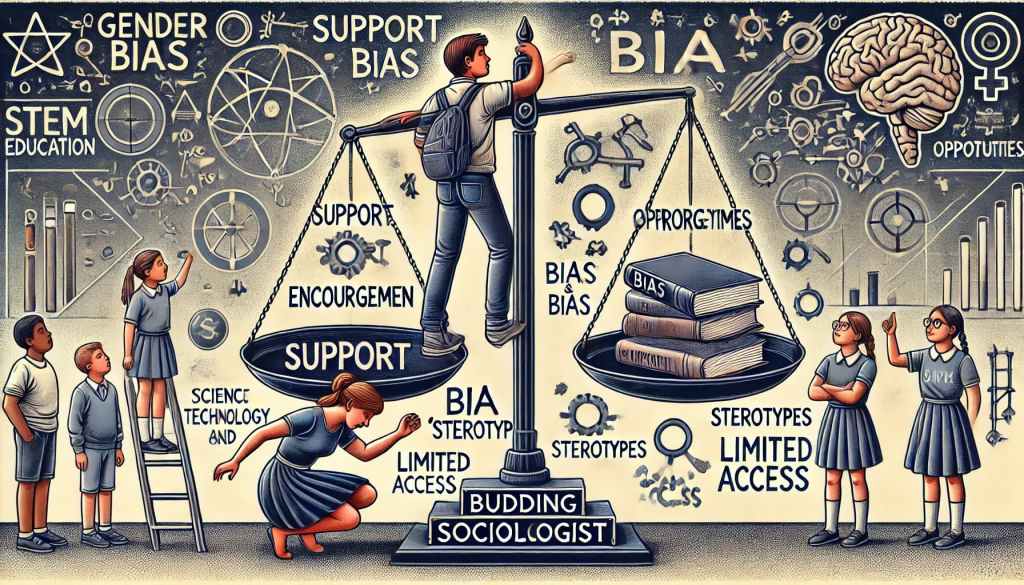
Gender biases in STEM (Science, Technology, Engineering, and Mathematics) education continue to be a significant challenge in the United States, preventing equal opportunities for students of all genders. Despite progress over the years, disparities persist in both academic settings and career pathways, particularly affecting women and other marginalized gender groups. These biases stem from deep-rooted societal norms, educational practices, and professional environments that influence how students perceive their abilities and career prospects in STEM fields. Research suggests that gender stereotypes begin shaping children’s attitudes at an early age, often discouraging girls from developing an interest in subjects like mathematics, physics, and computer science. As they advance through their education, these biases take various forms, including a lack of female role models, subtle discouragement from teachers and peers, and societal expectations that steer girls toward non-STEM disciplines.
One of the key factors contributing to gender disparities in STEM is the perception that these fields are more suited for men. Cultural norms, media portrayals, and historical narratives have long reinforced the idea that science and technology are male-dominated professions. By the time children start school, many already associate subjects like math and science with boys, which can diminish girls’ confidence in their abilities. Unconscious biases among educators may further exacerbate this issue, as teachers sometimes have lower expectations for female students in STEM subjects. Moreover, educational materials and textbooks often lack representation of female scientists, inventors, and engineers, making it harder for young girls to see themselves in these roles.
As students enter middle and high school, these biases become more evident. Girls interested in STEM may receive less encouragement, face exclusion from advanced math and science courses, or be perceived as less competent than their male peers. Even when they perform equally well or better than boys in these subjects, many girls struggle with self-doubt, leading them to opt out of STEM-related courses or extracurricular activities. The psychological phenomenon known as “stereotype threat”—where the fear of confirming negative stereotypes affects performance—can also contribute to lower engagement and confidence among female students in STEM.
Gender biases extend beyond education and into professional environments. Women remain underrepresented in fields such as engineering, computer science, and physics, while they are more likely to pursue careers in life sciences and healthcare. Those who do enter STEM professions often encounter challenges such as workplace discrimination, limited mentorship opportunities, and slower career progression due to implicit biases in hiring and promotion processes. The scarcity of women in leadership positions within STEM fields further discourages young girls from envisioning long-term careers in these industries.
The gender gap in STEM is not just a matter of fairness—it also has broader implications for society and the economy. A diverse workforce is essential for innovation, problem-solving, and technological advancement. When women and other underrepresented groups are excluded from STEM, the industry loses valuable perspectives and creative potential. Addressing these gender biases requires targeted efforts, including policy reforms, inclusive curriculum development, mentorship programs, and initiatives that challenge cultural stereotypes. By fostering an environment where all students feel equally capable and encouraged to pursue STEM, the U.S. can move toward a more inclusive and diverse STEM workforce, benefiting both individuals and society as a whole.
Gender Biases in Primary Education
Gender biases in STEM (Science, Technology, Engineering, and Mathematics) education begin at an early stage, shaping children’s interests, confidence and future career choices. These biases, often unintentional, are reinforced by parental attitudes, teaching methods, societal expectations, and media representation. Over time, these influences contribute to the gender gap in STEM fields, particularly in areas like engineering, physics, and computer science. Below is an exploration of how gender stereotypes impact early STEM education and additional factors that influence young girls’ participation in these subjects:
1. Subtle Biases in Parental and Teacher Expectations: Parents and teachers play a key role in shaping children’s perceptions of their abilities in STEM subjects. Often, boys are seen as naturally skilled in problem-solving and analytical thinking, while girls are encouraged to develop language and social skills. Parents may be more inclined to describe their sons as “gifted” in math and science while attributing their daughters’ achievements in these subjects to effort rather than innate ability.
Similarly, educators may unknowingly have lower expectations for girls in STEM subjects, leading to differences in the way they engage with students. Boys may receive more challenging problems and be encouraged to find solutions independently, whereas girls might receive more guided assistance, reinforcing the belief that they need extra support in these areas. These subtle yet powerful biases can shape a child’s self-perception and confidence in STEM subjects.
2. Gender Representation in Learning Materials: The way STEM subjects are presented in educational resources also contributes to gender biases. Many textbooks and learning materials primarily highlight the achievements of male scientists, inventors, and mathematicians while providing limited coverage of female role models in these fields. When women in STEM are mentioned, they are often portrayed as exceptions rather than key contributors to scientific advancements.
Moreover, many math and science problems in schoolbooks feature male characters engaged in technical or engineering-related activities, while female characters are often depicted in caregiving or artistic roles. This lack of balanced representation can reinforce the belief that STEM careers are better suited for men. Updating educational materials to feature a diverse range of role models can help challenge these stereotypes and encourage greater female participation in STEM.
3. Gendered Influence of Toys and Play Activities: Toys and recreational activities significantly shape children’s cognitive development and interests. Boys are more likely to receive toys that promote problem-solving, spatial reasoning, and logical thinking—such as building blocks, robotics kits, and science sets. In contrast, girls are often given dolls, craft kits, and household-related play items, which emphasize creativity and social interaction over technical skills.
These early experiences influence a child’s familiarity and comfort with STEM-related concepts. Since boys have more exposure to problem-solving games and hands-on experimentation, they may develop greater confidence in STEM subjects by the time they enter school. Encouraging girls to play with construction sets, coding games, and scientific tools can help bridge this gap and make STEM learning more inclusive.
4. Unequal Classroom Participation and Social Dynamics: The way teachers interact with students in STEM classrooms can reinforce gender biases. Studies suggest that boys are more frequently called upon to answer questions and are given more opportunities to explain their reasoning in STEM subjects. They are also more likely to be assigned leadership roles in group activities, while girls are often given administrative or supportive tasks.
Peer influence also plays a role in shaping girls’ interest in STEM. Social norms may discourage girls from expressing enthusiasm for math and science, as these subjects are sometimes viewed as “unfeminine” or “nerdy.” This peer pressure can lead girls to downplay their interest in STEM subjects to fit in. Creating a classroom environment that actively encourages equal participation and challenges these norms can help support girls in STEM education.
5. Impact of Stereotype Threat on Self-Confidence: Stereotype threat occurs when individuals underperform due to the fear of confirming negative stereotypes about their group. In STEM education, girls who are aware of the stereotype that “boys are better at math and science” may experience anxiety and self-doubt when working on STEM tasks. Even when their performance is equal to or better than boys, girls often underestimate their own abilities and may avoid challenging STEM courses as a result.
This lack of confidence can have long-term effects, leading to a lower likelihood of pursuing STEM-related academic paths. To combat this, educators and parents must provide consistent encouragement, highlight female role models in STEM, and reinforce the message that ability in STEM is not determined by gender.
6. Limited Visibility of Female Role Models in STEM: The absence of prominent female figures in STEM careers contributes to the perception that these fields are male-dominated. Many young girls do not see women in leadership positions in science, engineering, or technology, making it harder for them to envision themselves pursuing similar careers.
Media, textbooks and school curricula often fail to showcase women’s contributions to STEM, further reinforcing the idea that these fields are not for them. Increasing the visibility of female scientists, engineers, and mathematicians—both historical and contemporary—through classroom discussions, media representation, and mentorship programs can inspire young girls and help them see STEM as a viable career path.
7. Differences in Encouragement for Risk-Taking and Experimentation: STEM fields require experimentation, problem-solving, and the confidence to take risks. However, from an early age, boys and girls are encouraged to approach challenges differently. Boys are often urged to take risks, experiment with solutions, and learn from failure, while girls are more frequently praised for being careful, precise, and detail-oriented.
As a result, girls may develop a fear of making mistakes in STEM subjects and become more hesitant to take on complex challenges. Encouraging girls to embrace trial and error, engage in open-ended problem-solving, and develop resilience in the face of challenges can help build their confidence in STEM fields.
8. Media and Cultural Influences on Career Interests: Popular media plays a significant role in shaping children’s perceptions of careers. Many television shows, movies, and books depict scientists, engineers, and tech professionals as predominantly male. When female characters do appear in STEM roles, they are often supporting characters rather than central figures, reinforcing the idea that these careers are not common for women.
Changing these portrayals and introducing more female leads in STEM-focused media can influence young girls’ career aspirations. Providing diverse representations of scientists, inventors, and engineers in children’s programming and literature can help challenge traditional gender norms and broaden career aspirations.
9. Limited Early STEM Programs for Girls: While many initiatives focus on increasing the number of women in STEM at the college and professional levels, early STEM programs specifically designed for young girls are less common. Many STEM clubs, coding workshops, and science competitions remain male-dominated, making it difficult for girls to feel included or encouraged to participate.
Expanding opportunities for girls to engage in STEM-focused extracurricular activities—such as robotics clubs, coding camps, and science fairs—can help cultivate early interest and confidence in STEM fields. Schools and community organizations should focus on creating inclusive environments where girls feel supported in exploring STEM subjects.
10. Parental and Societal Pressures on Career Choices: Even when girls show an interest in STEM, societal and familial expectations can steer them toward traditionally female-dominated careers such as teaching, nursing, or the arts. Parents may unknowingly discourage their daughters from pursuing engineering or technology fields by emphasizing the importance of work-life balance or suggesting careers perceived as more flexible.
Addressing these biases requires changing societal narratives around STEM careers and ensuring that girls receive the same encouragement and opportunities as boys. Parents, teachers, and mentors should highlight the diverse career paths within STEM and emphasize that success in these fields is achievable for everyone, regardless of gender.
Conclusion: Gender biases in STEM education begin early and shape children’s confidence, interests, and career aspirations. These biases are reinforced through parental expectations, educational materials, toys, classroom interactions, media representation, and societal norms. Addressing these challenges requires a concerted effort to create more inclusive learning environments, provide diverse role models, and encourage young girls to explore STEM fields with confidence. By fostering equal opportunities, we can help close the gender gap in STEM and create a more diverse and innovative workforce.
Gender Biases: Challenges in Middle and High School
Gender disparities in STEM (Science, Technology, Engineering, and Mathematics) education become more noticeable during middle and high school, shaping students’ academic interests and career trajectories. At this stage, external influences, social expectations, and educational structures can either encourage or discourage girls from continuing in STEM fields. Below are ten key challenges that contribute to gender imbalances in STEM education.
1. Subtle Biases in Classroom Interactions: Teachers may unconsciously reinforce gender stereotypes by engaging boys more frequently in STEM-related discussions. Studies suggest that male students are often asked to answer technical questions, while female students receive more generalized praise. This difference in classroom engagement can affect girls’ confidence in their STEM abilities and their willingness to participate in advanced coursework.
2. The Confidence Gap in STEM Learning: Although girls perform as well as, or even better than, boys in STEM subjects, they often underestimate their abilities. Societal messaging that associates STEM with male intelligence leads many girls to doubt their skills, making them hesitant to take on challenging math and science courses. Without sufficient encouragement, this lack of confidence can discourage them from pursuing STEM-related paths.
3. Impact of Stereotype Threat on Performance: Stereotype threat—the anxiety of confirming a negative stereotype—can affect girls’ performance in STEM subjects. When they are reminded of the stereotype that boys are naturally better at math and science, they may experience self-doubt and underperform in exams. This phenomenon can lead to a decline in interest and motivation in STEM disciplines, reinforcing gender disparities.
4. Limited Representation of Women in STEM: Role models play a crucial role in shaping students’ aspirations, yet female representation in STEM remains limited in educational materials and teaching staff. Textbooks and lesson plans often highlight male scientists and engineers, making it harder for girls to see themselves in STEM careers. Additionally, the scarcity of female teachers in subjects like physics and computer science means fewer mentorship opportunities for young girls interested in STEM fields.
5. Influence of Social Expectations and Peer Groups: Cultural norms and peer dynamics often discourage girls from excelling in STEM subjects. STEM fields are sometimes perceived as “unfeminine” or socially isolating, leading some girls to avoid enrolling in advanced math, coding, or engineering classes. Fear of being labeled “nerdy” or of feeling out of place in male-dominated STEM clubs may further deter participation.
6. Gender Disparities in Extracurricular STEM Activities: STEM-related extracurricular programs, such as robotics teams, coding clubs, and science competitions, have traditionally been male-dominated. Girls who join these activities may feel like outsiders or find themselves assigned to less technical roles, such as organizing materials rather than working on hands-on problem-solving tasks. This unequal participation can discourage girls from seeing themselves as capable STEM learners.
7. Unequal Access to Advanced STEM Courses: Not all students have the same access to advanced STEM coursework, and this disproportionately affects girls in certain schools. In some regions, especially low-income or rural areas, subjects like AP Computer Science, Engineering, and Physics may not be available. When girls lack exposure to advanced STEM courses, they may not develop the skills and confidence needed to pursue STEM degrees in college.
8. Influence of Parental and Societal Expectations: Family attitudes significantly impact students’ academic and career decisions. Parents often encourage boys to explore STEM-related careers, while daughters may be guided toward traditionally female-dominated fields, such as education, healthcare, or the arts. Media representations and cultural norms further reinforce these gendered career paths, making it harder for girls to envision themselves in STEM professions.
9. Unequal Participation in Group Work and Class Discussions: In STEM classrooms, boys often take the lead in group discussions and hands-on projects, while girls are assigned supporting roles, such as note-taking or organizing materials. Without active intervention from teachers to ensure equal participation, girls may feel undervalued in STEM activities, which can impact their confidence and willingness to continue in STEM subjects.
10. Lack of Targeted Support and Mentorship Programs: Mentorship and guidance play a crucial role in retaining girls in STEM, yet many schools do not offer structured support systems. While national initiatives like Girls Who Code and STEM mentorship programs exist, they do not reach all students. Without direct encouragement, networking opportunities, and exposure to female STEM professionals, girls may struggle to overcome the systemic barriers that discourage them from pursuing STEM careers.
Conclusion: Gender biases in STEM education during middle and high school create barriers that limit girls’ participation and success in these fields. Addressing these challenges requires collective efforts from educators, parents, and policymakers. By fostering inclusive learning environments, increasing female representation, and providing mentorship opportunities, we can create a more equitable STEM education system that supports and empowers girls to pursue careers in science, technology, engineering, and mathematics.
Higher Education and Representation Gaps in STEM
While efforts to bridge gender disparities in STEM (Science, Technology, Engineering, and Mathematics) education have led to increased participation of women in some disciplines, significant representation gaps remain in higher education. Women continue to be underrepresented in several STEM fields, particularly in engineering, computer science, and physics, leading to long-term consequences for career trajectories and workforce diversity.
1. Disparities in STEM Enrollment Across Fields: Although women have made strides in some STEM disciplines, their representation remains disproportionately low in areas like engineering, physics, and computer science. Societal perceptions often depict these fields as more suitable for men, discouraging many women from pursuing them. Despite initiatives promoting diversity, only around 20% of engineering and computer science majors are women, indicating the need for more effective interventions.
2. Influence of Stereotypes and Gender Norms: Gender stereotypes play a significant role in shaping students’ academic choices. Many young women internalize the belief that STEM fields require innate brilliance rather than effort, leading to lower self-confidence in their abilities. Even when their academic performance matches or surpasses that of male students, they may feel less capable, which can deter them from continuing in STEM-related studies.
3. Shortage of Female Mentors and Faculty: One key challenge for women in STEM is the lack of female faculty members and mentors. The absence of visible role models can make it difficult for female students to envision themselves thriving in STEM careers. The underrepresentation of women in leadership positions within academia further limits mentorship opportunities, making it harder for aspiring female scientists and engineers to receive guidance and support.
4. Exclusionary Classroom and Laboratory Environments: Women in STEM programs often encounter challenges in academic settings, where they may feel isolated or undervalued. Studies have shown that in group projects, male students are more likely to take on leadership roles, while female students may be assigned secondary tasks. Additionally, instructors may unconsciously reinforce gender biases by providing more encouragement and engagement to male students, leading to an unwelcoming learning environment for women.
5. High Dropout Rates and the “Leaky Pipeline” Effect: Many women who begin their STEM education do not complete their degrees due to systemic challenges, a trend known as the “leaky pipeline.” Contributing factors include limited mentorship, implicit biases, and difficulty balancing academic and personal responsibilities. As students progress to higher levels of education, the number of women remaining in STEM disciplines declines significantly, with the sharpest drop occurring at the doctoral and faculty levels.
6. Bias in Hiring and Research Opportunities: Gender bias extends beyond the classroom and into job recruitment and research funding. Studies indicate that identical resumes tend to be rated more favourably when associated with a male name rather than a female one. Additionally, women in STEM often receive smaller research grants and fewer prestigious opportunities than their male counterparts, which affects their career advancement in academia and industry.
7. Work-Life Balance and Institutional Barriers: Many women in STEM struggle to balance academic and family responsibilities, particularly in research-intensive fields that demand long hours. Universities and research institutions often lack adequate parental leave policies, childcare facilities, and flexible work arrangements, making it difficult for female academics to pursue long-term careers in STEM. These challenges contribute to the disproportionately low number of women advancing to senior positions in academia.
8. Underrepresentation in Leadership Roles: Even for women who persist in STEM, leadership positions remain largely male-dominated. Female faculty members are significantly underrepresented in roles such as department chairs, senior researchers, and tenured professors. This lack of diversity in leadership limits opportunities for mentorship and reinforces the perception that STEM careers are more suited for men.
9. Classroom Participation and Confidence Gap: Women in STEM courses often participate less in discussions due to concerns about being judged or dismissed by their peers. The presence of stereotype threat—where individuals fear confirming negative assumptions about their gender—can hinder performance and discourage women from fully engaging in STEM education. Negative classroom experiences, including microaggressions and lack of encouragement, can further reduce their confidence and motivation.
10. Strategies to Address Gender Disparities in STEM: To bridge the gender gap in STEM, universities and organizations are implementing initiatives such as mentorship programs, scholarships, and inclusive teaching strategies. Programs like Girls Who Code, the National Girls Collaborative Project, and Women in Engineering Proactive Network (WEPAN) provide valuable resources for female students pursuing STEM careers. Additionally, universities are adopting gender-sensitive policies and training faculty to create more inclusive learning environments.
Conclusion: Despite efforts to increase female participation in STEM, significant challenges remain. Women face systemic barriers, including gender stereotypes, biased academic environments, and institutional policies that fail to support their long-term success. Addressing these issues requires collaborative efforts from educational institutions, policymakers, and industry leaders to ensure that women have equal opportunities to excel in STEM fields. Promoting inclusive learning environments, expanding mentorship opportunities, and reducing biases in hiring and research funding are essential steps toward achieving gender equity in STEM higher education.
Gender Barriers in STEM Careers and Workforce Challenges
Despite efforts to achieve gender equality in STEM (Science, Technology, Engineering, and Mathematics), women continue to face numerous obstacles in pursuing and sustaining careers in these fields. These challenges stem from hiring biases, workplace culture, career advancement limitations, and structural barriers that affect long-term retention. Addressing these issues is crucial for fostering a more diverse and inclusive STEM workforce.
1. Biases in Hiring and Career Advancement: Gender discrimination often starts at the hiring stage, where women encounter both conscious and unconscious biases. Studies have demonstrated that when identical resumes are submitted under male and female names, the male candidates receive more job offers in STEM roles. Many employers associate technical expertise and leadership potential with men, which influences hiring decisions. Additionally, some hiring managers assume that women are more likely to take career breaks due to family responsibilities, which affects their chances of securing positions or receiving competitive salaries.
Even after securing a job, women in STEM face challenges in career growth. They are less likely to be promoted to leadership roles or given high-impact assignments that can propel them forward. Performance evaluations often reflect biases, where women’s contributions are overlooked or credited to male colleagues. As a result, the lack of advancement opportunities discourages many women from remaining in STEM careers long-term.
2. Workplace Culture and Gender Discrimination: STEM fields remain male-dominated, creating work environments that can be unwelcoming or exclusionary for women. The lack of female colleagues can lead to feelings of isolation, making it difficult for women to establish professional networks. Workplace biases often manifest in subtle ways, such as being overlooked in meetings, excluded from networking opportunities, or assigned less significant projects. These experiences contribute to an atmosphere where women feel undervalued and unsupported.
Beyond exclusion, gender discrimination and harassment are significant concerns. Studies indicate that women in STEM are more likely to experience workplace harassment compared to other industries. Many hesitate to report such incidents due to fears of retaliation, career setbacks, or insufficient institutional support. Addressing these issues requires organizations to foster inclusive work cultures, enforce strict anti-discrimination policies, and promote gender sensitivity training.
3. Balancing Work and Family Responsibilities: STEM careers often demand long hours, continuous professional development, and high availability, making it challenging for women to balance work and family life. Unlike other industries, many STEM fields lack flexible work arrangements, such as remote work options or adaptable schedules. As a result, women who have caregiving responsibilities—whether for children or elderly family members—face additional difficulties in managing both personal and professional commitments.
The “motherhood penalty” further disadvantages women in STEM. Many employers perceive working mothers as less committed to their careers, resulting in fewer promotions and slower salary growth. In contrast, men who become fathers often experience career benefits, as they are viewed as more stable and responsible employees. These biases create an uneven playing field and contribute to the underrepresentation of women in leadership roles.
4. Gender Pay Disparities in STEM Fields: Even when women in STEM have similar qualifications and experience as their male counterparts, they tend to earn less. Research suggests that the gender pay gap in STEM fields is significant, with women earning around 18% less than men in similar roles. The disparities are particularly pronounced in high-paying fields such as engineering, computer science, and physics.
One contributing factor is the concentration of women in lower-paying STEM positions. Women are more likely to work in academia, government research, or non-profit sectors, whereas men dominate corporate and executive roles that offer higher salaries. Additionally, women are less likely to negotiate salaries due to concerns about backlash or being perceived as overly assertive. Promoting salary transparency and encouraging negotiation skills can help bridge this wage gap.
5. Lack of Female Representation and Mentorship: The scarcity of women in leadership positions in STEM creates challenges for those entering the field. Without visible role models, many young women struggle to envision themselves in STEM careers or aspire to leadership positions. The absence of female mentors also limits career guidance and professional development opportunities for women in these fields.
Mentorship plays a crucial role in career growth, yet many women lack access to strong professional networks. Male-dominated industries often have informal networking events that exclude women, limiting their chances to connect with influential figures who could support their career advancement. Expanding mentorship initiatives and increasing female representation in leadership roles can help break down these barriers and encourage more women to pursue long-term careers in STEM.
6. High Attrition Rates Among Women in STEM: A significant challenge in STEM fields is the high rate at which women leave their careers. Research shows that women leave STEM jobs at nearly twice the rate of men, often citing workplace culture, limited career growth, and work-life balance struggles as primary reasons. Many women transition to non-STEM careers or leave the workforce entirely, reducing overall gender diversity in the field.
These departures are influenced by both “push” and “pull” factors. Push factors include experiences of discrimination, lack of advancement opportunities, and workplace hostility. Pull factors involve more inclusive work environments, better job satisfaction, and greater flexibility offered by other industries. Retaining women in STEM requires systemic changes, including improved work policies, stronger support systems, and efforts to create an equitable workplace culture.
7. Gender Segregation in STEM Specializations: Even within STEM, gender disparities exist across different disciplines. Women are more likely to pursue careers in life sciences, healthcare, and environmental science, whereas men dominate fields like engineering, computer science, and physics. This division is partly driven by societal expectations that encourage women to enter careers perceived as more nurturing or service-oriented, while men are steered toward highly technical and computational fields.
This segregation affects career opportunities, leadership representation, and salary potential. High-paying and leadership-driven STEM fields remain male-dominated, while women in STEM often work in areas with lower earning potential. Encouraging young women to explore diverse STEM disciplines, including those with higher salaries and leadership opportunities, is essential for achieving true gender equity.
8. Inequities in Research Funding and Grant Allocations: Women in STEM research often face challenges in securing funding for their projects. Studies have shown that grant applications from female researchers receive lower approval rates compared to those submitted by men, even when the proposals are of similar quality. This bias limits women’s ability to advance in academia and establish themselves as leading researchers in their fields.
One reason for this disparity is that grant review panels are often predominantly male, leading to unconscious biases in evaluation processes. Without adequate funding, women struggle to conduct research, publish findings, and secure tenure positions. Addressing this issue requires implementing blind review processes, ensuring diverse grant review committees, and increasing funding opportunities targeted at women in STEM.
9. Underrepresentation in STEM Policy and Decision-Making: Women remain significantly underrepresented in policy-making roles within STEM industries. Whether in government, corporate leadership, or academic administration, decision-making bodies are often male-dominated. This lack of representation means that gender-related challenges in STEM workplaces are often overlooked in policy discussions.
Having more women in leadership and policy-making positions would allow for the development of inclusive initiatives, such as equitable hiring practices, improved parental leave policies, and stronger protections against workplace discrimination. Increasing female representation in decision-making roles is essential for fostering long-term structural change in STEM fields.
10. Psychological Barriers and Stereotype Threat: The long-standing stereotype that men are naturally better suited for STEM creates psychological barriers for women pursuing these careers. Many women internalize these biases, leading to lower confidence in their abilities and hesitancy to take on leadership roles or challenging projects. This phenomenon, known as stereotype threat, can negatively impact performance, participation, and career persistence in STEM fields.
To counteract these psychological barriers, it is important to challenge gender stereotypes through education, media representation, and institutional support. Encouraging confidence-building programs, increasing the visibility of successful women in STEM, and fostering inclusive learning environments can help dismantle these limiting beliefs.
Conclusion: Women in STEM continue to face systemic challenges that hinder their career advancement and long-term retention. These barriers, ranging from hiring biases and workplace discrimination to work-life balance struggles and pay disparities, require targeted policy changes and cultural shifts. By addressing these obstacles, promoting mentorship, and fostering inclusive workplaces, the STEM industry can move toward true gender equity and benefit from a more diverse and innovative workforce.
Strategies to Overcome Gender Biases in STEM Education
Gender biases in STEM (Science, Technology, Engineering, and Mathematics) education have historically limited women’s participation and advancement in these fields. However, various initiatives have been developed to address these challenges, including policy changes, mentorship opportunities, corporate support, and community-based programs. The following strategies highlight key efforts to promote gender equality in STEM education across the United States:
1. Educational Policies and Reforms: Government policies and educational reforms have played a crucial role in addressing gender disparities in STEM. Title IX of the Education Amendments of 1972, a landmark law that prohibits sex-based discrimination in federally funded educational programs, has been instrumental in ensuring equal access to STEM opportunities for girls and women. Originally known for its impact on athletics, Title IX has since expanded to promote gender equity in STEM education, requiring schools to provide fair opportunities and resources for both male and female students.
Beyond legal protections, many schools have implemented curriculum reforms to make STEM subjects more inclusive. This includes revising textbooks and course materials to showcase contributions from female scientists and engineers, ensuring that students are exposed to diverse role models. Additionally, teacher training programs help educators recognize and eliminate gender biases in classrooms. By adopting hands-on, project-based learning approaches, schools aim to create a more engaging and supportive environment for all students.
2. Mentorship, Networking, and Role Models: Mentorship and networking opportunities play a significant role in supporting women pursuing STEM careers. Several national programs connect aspiring female scientists and engineers with professionals who provide guidance and career advice. Organizations such as Million Women Mentors and the Society of Women Engineers (SWE) facilitate mentorship programs that help young women build confidence and navigate career challenges.
Representation in media and popular culture also contributes to changing perceptions about women in STEM. Movies, books, and television shows featuring female scientists, such as Hidden Figures, help inspire young girls to explore STEM careers. Additionally, social media campaigns like #WomenInSTEM and #GirlsWhoCode highlight female achievements in science and technology, making their contributions more visible and encouraging more participation.
3. Encouraging Early STEM Engagement for Girls: Research suggests that girls’ interest in STEM often declines as early as elementary school, making early exposure and encouragement crucial. Various programs have been designed to spark enthusiasm for STEM subjects among young girls through interactive learning experiences and mentorship. Initiatives like Girls Who Code and Techbridge Girls offer coding workshops, STEM-focused summer camps, and career exploration opportunities, ensuring that girls develop technical skills from a young age.
The introduction of STEM-themed toys and games has also helped engage girls in science and technology. Companies such as GoldieBlox, LEGO, and LittleBits have created educational products aimed at encouraging problem-solving, creativity, and engineering skills. Additionally, online platforms like Code.org and Tynker provide free coding tutorials tailored for young learners, helping bridge the gender gap in computer science.
4. University Programs and Scholarships: Higher education institutions have taken steps to support female students pursuing STEM degrees by offering financial assistance, mentorship, and networking opportunities. Scholarships such as those provided by the National Science Foundation (NSF), Google Women Techmakers, and the Society of Women Engineers (SWE) help reduce financial barriers for women entering STEM fields.
Many universities have established women-focused STEM organizations, including Women in Science and Engineering (WISE) and ACM-W (Association for Computing Machinery – Women), which offer peer support, professional development, and research opportunities. Some institutions have also revised hiring practices to increase female faculty representation in STEM disciplines, further promoting inclusivity.
5. Corporate and Industry Initiatives: Recognizing the importance of gender diversity, many technology and engineering companies have launched initiatives to recruit, retain, and promote women in STEM careers. Organizations like Google, Microsoft, Intel, and Facebook have introduced internship and fellowship programs aimed at increasing female representation in STEM roles. Intel’s Diversity in Technology Initiative, for instance, has invested in programs designed to support women and underrepresented minorities in STEM fields.
To foster a more inclusive workplace, several companies have implemented policies such as paid family leave, flexible work schedules, and mentorship programs to support career advancement for women. Anti-bias and diversity training programs are also becoming more common, helping organizations create equitable work environments where women feel valued and supported.
6. Advocacy and Legislative Measures: Lawmakers and advocacy groups have been instrumental in pushing for policies that support gender equity in STEM education and careers. The Women in STEM Congressional Caucus is a bipartisan initiative dedicated to advancing policies that promote diversity in STEM fields. Additionally, legislation such as the America COMPETES Act and the STEM Opportunities Act focus on increasing federal funding for STEM programs that support women and other underrepresented groups.
These legislative efforts aim to remove structural barriers and ensure equal access to STEM education, research opportunities, and career advancement. By allocating funding for programs that encourage female participation in STEM, policymakers are helping create a more inclusive and diverse workforce.
7. Community-Based Programs and Grassroots Movements: Community organizations play a crucial role in promoting STEM education among girls, particularly those from underserved backgrounds. Nonprofits such as Black Girls Code and Latinas in STEM focus on providing STEM education, career mentorship, and leadership training to young women from diverse communities. These organizations host coding boot camps, science fairs, and networking events that empower girls to pursue STEM pathways with confidence.
Local STEM clubs, maker spaces, and science fairs also provide valuable hands-on learning experiences outside traditional classroom settings. By offering engaging activities and real-world applications of STEM concepts, these community-driven initiatives help reinforce interest and participation among girls.
8. The Role of Parents and Teachers: Parental and teacher encouragement is critical in shaping students’ attitudes toward STEM. When parents actively support their daughters’ interest in STEM, it significantly increases their likelihood of pursuing STEM-related careers. Schools and community groups have started offering workshops to educate parents about gender biases and ways to nurture their children’s interest in science and technology.
Teachers also play an essential role in fostering an inclusive learning environment. Training educators to use gender-neutral language, encourage female participation, and highlight diverse role models helps create a classroom culture where all students feel capable of excelling in STEM subjects.
9. Expanding Research and Data Collection: Continuous research on gender disparities in STEM helps inform policies and interventions that promote inclusivity. Organizations such as the National Science Foundation (NSF) and the American Association of University Women (AAUW) conduct studies on factors influencing female participation in STEM. By analyzing data on enrollment rates, career advancement, and workplace retention, researchers can develop evidence-based strategies to address gender inequities.
10. Global Collaboration and Exchange Programs: International initiatives have also contributed to addressing gender biases in STEM. Exchange programs and global partnerships allow female students and professionals to engage with researchers from different countries, broadening their perspectives and career opportunities. Organizations such as UNESCO and Women in Global Science and Technology (WISAT) work to advance gender equity in STEM on a global scale. By learning from successful initiatives worldwide, the U.S. can further refine its approach to closing the gender gap in STEM.
Conclusion: Eliminating gender biases in STEM education requires a multi-pronged approach that includes policy reforms, mentorship opportunities, early engagement, corporate initiatives, and community support. While progress has been made, continued efforts are needed to create an environment where girls and women feel encouraged to pursue and thrive in STEM fields. Through collaborative efforts across government, academia, industry, and local communities, the U.S. can work toward achieving true gender equity in STEM.
References and Readings:
Women and Girls in Stem Fields: A Reference Handbook, by Heather Burns Page, https://amzn.to/4bp4Dgr
Girls and Women of Color In STEM: Navigating the Double Bind in K-12 Education, Edited by Barbara Polnick, https://amzn.to/3D3sHJ7