- Introduction
- Historical and Cultural Context of Gun Control
- Gun Control Policies and Their Effectiveness
- Sociological Implications of Gun Control
- The Role of the Media and Public Perception
- The Role of the Media and Public Perception
- Potential Sociological Solutions
Introduction
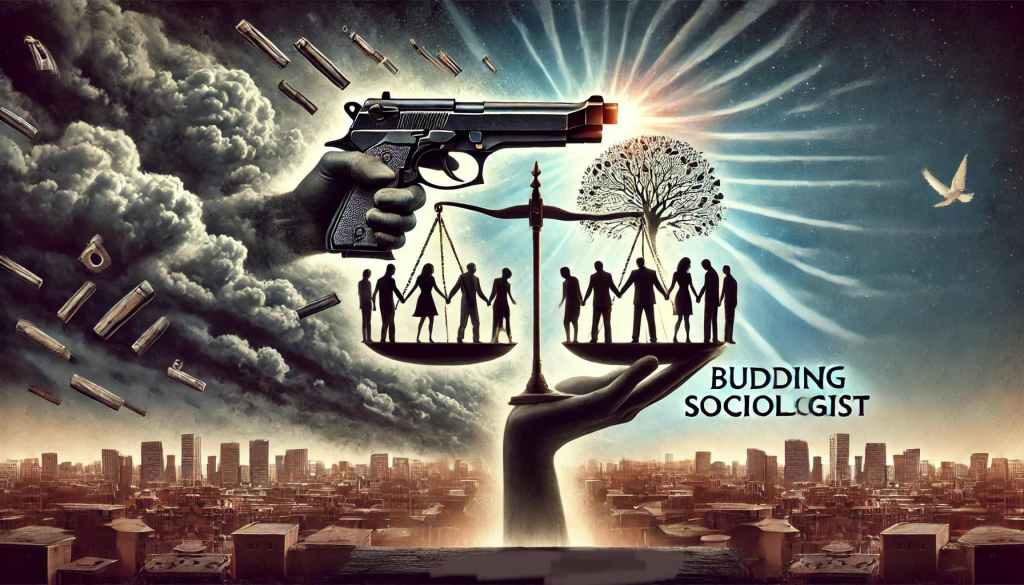
Gun control in the United States is a deeply divisive issue that intersects with legal rights, political ideologies, and social concerns. The debate largely revolves around the Second Amendment, which grants citizens the right to bear arms, and the need for regulations to address gun violence. Advocates for stricter gun laws argue that easy access to firearms contributes to high rates of homicides, suicides, and mass shootings, making it a significant public safety issue. They support measures such as comprehensive background checks, bans on assault weapons, and stricter licensing to reduce firearm-related deaths. On the other hand, gun rights proponents believe that restrictions infringe on constitutional freedoms and that responsible gun ownership can enhance personal security. Organizations like the National Rifle Association (NRA) often contend that societal issues, such as mental health struggles and crime, are the root causes of gun violence rather than firearm accessibility.
The social implications of gun control policies are far-reaching, influencing crime rates, community safety, and public perceptions of firearms. Research indicates that states with more stringent gun regulations often experience lower rates of firearm-related deaths. However, critics point out that gun control measures can disproportionately affect marginalized groups, as past firearm restrictions have sometimes been used to disempower racial minorities while failing to address broader social inequalities that contribute to crime. Regional and cultural differences also shape attitudes toward gun ownership, with rural and conservative populations more likely to view firearms as essential for personal protection, whereas urban and progressive groups tend to advocate for stronger regulations. Gun violence has a profound psychological impact on communities, particularly in areas affected by frequent shootings, such as schools and inner-city neighbourhoods, where fear and trauma can take a lasting toll.
Law enforcement’s role in implementing gun control laws raises concerns about racial disparities in policing and the criminal justice system. Stricter regulations could lead to increased monitoring and incarceration in minority communities, exacerbating existing inequalities. At the same time, the widespread availability of firearms has fueled discussions about self-defense, police militarization, and civilian safety. Movements like March for Our Lives reflect growing public demand for gun reform, yet legislative progress remains slow due to political divisions and the influence of gun lobbyists. Ultimately, gun control in the United States is more than a legal debate; it is a complex social issue that affects crime, racial dynamics, mental health, and national identity, making it one of the most contentious topics in American society.
Historical and Cultural Context of Gun Control
The significance of firearms in American history and culture has shaped the ongoing debate over gun control. Since the nation’s founding, guns have been associated with personal freedom, self-defense, and individual rights. This deep-rooted connection influences perspectives on firearm regulations, with some viewing them as essential safeguards and others as threats to constitutional liberties. Understanding the historical and cultural backdrop provides insight into why gun ownership remains such a controversial issue in the United States:
1. The Second Amendment and Its Interpretation: The Second Amendment to the U.S. Constitution, ratified in 1791, has long been central to discussions on gun rights. Originally, this amendment was framed in the context of maintaining militias for national defense, as a standing army was viewed with skepticism at the time. Many early Americans believed that an armed citizenry was vital in preventing government tyranny.
Over time, legal interpretations of the Second Amendment evolved. For much of U.S. history, it was commonly understood as protecting the rights of states to maintain militias rather than individual gun ownership. However, in 2008, the Supreme Court case District of Columbia v. Heller redefined its meaning, ruling that individuals have the right to own firearms for self-defense. This decision reinforced the belief that gun ownership is a fundamental personal right, making efforts to implement stricter firearm regulations more contentious.
2. The Influence of the American Frontier: The expansion of the American frontier played a significant role in shaping attitudes toward firearms. During the 18th and 19th centuries, settlers relied on guns for survival, using them for hunting, self-defence and maintaining order in lawless territories. As people moved westward, firearms became a symbol of independence and resilience, qualities that remain deeply embedded in rural American culture today.
The enduring legacy of the frontier experience has contributed to the perception that gun ownership is a necessity rather than a luxury. The image of the self-reliant frontiersman has been romanticized in literature, film, and media, reinforcing the idea that firearms are integral to American identity. This historical connection continues to influence modern attitudes, particularly in regions where hunting and rural lifestyles are prevalent.
3. Firearms and Military Conflicts: Military conflicts throughout U.S. history have further reinforced the presence of firearms in civilian life. During the Revolutionary War (1775–1783), armed citizens played a crucial role in resisting British rule, fostering the belief that an armed populace is necessary to safeguard freedom. Similarly, the Civil War (1861–1865) led to the widespread distribution of firearms, many of which remained in civilian hands after the war.
In the 20th century, military service contributed to the normalization of gun ownership. Soldiers returning from World War I and World War II had experience with firearms and often sought to own them for sport or self-defence. The Cold War era intensified fears of government overreach, leading many Americans to view gun ownership as a safeguard against potential authoritarianism. These historical experiences have played a significant role in solidifying the belief that firearms are not just tools but also symbols of liberty and security.
4. The Growth of the Gun Industry and Advocacy Groups: The firearm industry has had a profound impact on American gun culture. After World War II, manufacturers capitalized on the growing civilian market by promoting guns for hunting, sport shooting, and self-defence. Companies like Colt, Remington, and Smith & Wesson expanded their influence, ensuring that firearms remained widely available and culturally accepted.
One of the most influential organizations in the gun rights movement is the National Rifle Association (NRA). Originally established in 1871 to promote marksmanship and firearm safety, the NRA later became a powerful political entity opposing gun control legislation. Through lobbying efforts and public campaigns, the organization has shaped public opinion by framing gun ownership as a fundamental American right. The influence of gun manufacturers and advocacy groups has contributed to strong resistance against firearm regulations, reinforcing the perception that gun control measures threaten personal freedoms.
5. The Urban-Rural Divide in Gun Culture: The United States experiences a significant cultural divide in attitudes toward firearms, often influenced by geography. In rural communities, firearms are commonly used for hunting, recreation, and protection, making gun ownership a practical necessity rather than a political statement. Many rural residents view firearm restrictions as unnecessary and intrusive, believing that responsible gun ownership should not be subject to excessive regulation.
In contrast, urban areas experience higher rates of gun violence, leading to greater support for firearm regulations. In cities, guns are often associated with crime rather than recreation or self-reliance. Mass shootings, gang violence, and other firearm-related crimes have increased calls for stricter laws to enhance public safety. This divide significantly influences public policy, with rural states generally opposing gun control measures while urban areas advocate for stricter regulations.
6. Gun Ownership as a Symbol of Freedom and Individual Rights: For many Americans, firearm ownership is not just about self-defence but also about the broader principle of individual freedom. Gun rights advocates argue that owning a firearm is a safeguard against crime and government overreach, emphasizing personal responsibility for one’s own safety. The belief that an armed population is necessary to prevent government tyranny has historical roots in events such as the American Revolution.
In addition to concerns about self-defence, some gun owners view restrictions on firearms as an infringement on their constitutional rights. The fear that government-imposed gun control measures could lead to further encroachments on personal freedoms fuels opposition to regulation. This perspective is particularly strong in libertarian and conservative circles, where gun ownership is seen as a fundamental aspect of personal liberty.
7. Gun Control in the 20th and 21st Century: Despite strong traditions of gun ownership, the U.S. has seen significant efforts to implement firearm regulations in response to rising concerns about gun violence. The National Firearms Act of 1934 was one of the first major federal gun laws, enacted to regulate automatic weapons and sawed-off shotguns during an era of gang violence. Later, the Gun Control Act of 1968 was introduced after the assassinations of Martin Luther King Jr. and Robert F. Kennedy, placing restrictions on firearm sales and ownership for certain groups.
In 1993, the Brady Handgun Violence Prevention Act established mandatory background checks for gun buyers, a measure aimed at reducing access to firearms for individuals with criminal records or mental health issues. The Federal Assault Weapons Ban, passed in 1994, prohibited the sale of certain semi-automatic weapons but expired in 2004 and was not renewed due to political opposition. In recent years, mass shootings have reignited debates over gun control, with some advocating for stricter laws while others argue that restrictions infringe upon constitutional rights.
Conclusion: The deep historical and cultural roots of gun ownership in the United States explain why firearm regulation remains a contentious issue. The Second Amendment, the frontier experience, and military conflicts have all contributed to the widespread belief that gun ownership is an essential aspect of personal freedom. The firearm industry and lobbying groups have further reinforced these attitudes, particularly in rural areas where guns are viewed as practical tools rather than threats. Meanwhile, urban populations generally support stricter gun laws due to concerns about firearm-related crime and mass shootings. Given these historical and cultural influences, the gun control debate in the U.S. is not merely about public safety but also about deeply held values regarding individual rights, government power, and national identity.
Gun Control Policies and Their Effectiveness
Gun control policies in the United States are a patchwork of federal, state, and local laws, often reflecting regional and political differences. Some states have implemented strict regulations, while others have more permissive policies that emphasize Second Amendment rights. The effectiveness of these policies remains a contentious issue, with conflicting studies and interpretations of data:
1. Background Checks: The implementation of mandatory background checks is a fundamental aspect of firearm regulations. These checks, conducted through the National Instant Criminal Background Check System (NICS), assess whether potential buyers have criminal records, mental health issues, or other disqualifying factors. While background checks are required for purchases from licensed gun dealers, private sales and gun shows often operate without such oversight, creating loopholes that allow firearms to reach unauthorized individuals. Advocates for stricter gun laws argue that expanding background checks to cover all transactions could help prevent guns from falling into the wrong hands. Critics, however, claim that criminals will find alternative means to obtain weapons, reducing the effectiveness of this measure.
2. Assault Weapons Restrictions: Some laws have attempted to limit access to military-style firearms, commonly referred to as assault weapons. These restrictions target semi-automatic rifles and other high-capacity firearms that are often used in mass shootings. A federal ban on assault weapons was enacted in 1994 but expired in 2004. Research on its effectiveness has been inconclusive, with some studies suggesting a decline in crimes involving these firearms during the ban, while others indicate that alternative weapons were used instead. Efforts to reinstate such bans remain controversial, as supporters argue they could reduce mass shooting casualties, whereas opponents contend that restrictions infringe on constitutional rights and fail to address overall crime rates.
3. Mandatory Waiting Periods: Waiting periods require a designated time frame between purchasing and receiving a firearm, aiming to prevent impulsive acts of violence such as suicides and domestic crimes. These cooling-off periods allow law enforcement agencies to conduct thorough background checks and provide individuals time to reconsider their decision. Research suggests that waiting periods may reduce gun-related suicides, as they prevent immediate access to firearms during moments of emotional distress. However, critics argue that such delays could put law-abiding citizens at risk by preventing timely access to self-defence weapons.
4. Red Flag Laws: Also known as extreme risk protection orders (ERPOs), red flag laws enable courts to temporarily remove firearms from individuals deemed a threat to themselves or others. These laws are designed to prevent violent incidents, particularly suicides and mass shootings, by allowing family members or law enforcement to intervene before harm occurs. Some studies suggest that red flag laws help reduce firearm suicides by providing an additional layer of protection. However, concerns have been raised regarding due process, as critics argue that such measures could be misused or unfairly target gun owners without sufficient legal safeguards.
5. Concealed Carry and Open Carry Regulations: Gun carry laws dictate whether individuals can carry firearms in public, either visibly (open carry) or concealed. States vary in their approach, with some requiring permits and background checks, while others allow permitless carry. Supporters argue that allowing law-abiding citizens to carry firearms deters crime and enhances personal safety. Detractors, however, worry that increased firearm presence in public spaces could lead to more violent confrontations and accidental shootings. The impact of these laws on crime remains widely debated, with studies producing mixed findings on whether they contribute to or reduce gun-related violence.
Conclusion: Gun control policies in the U.S. continue to be a topic of intense debate, with different laws addressing various aspects of firearm regulation. While some measures, such as background checks and waiting periods, aim to restrict access to dangerous individuals, others, like red flag laws and firearm bans, seek to prevent specific types of gun-related incidents. The effectiveness of these policies remains a contested issue, often influenced by enforcement strategies, legal interpretations, and broader social conditions.
Sociological Implications of Gun Control
Gun control in the U.S. extends beyond legal and political debates—it has significant sociological implications that affect crime, public safety, social identity, racial and economic disparities, and mental health. The differing perspectives on gun control reflect broader issues such as urban-rural divides, political polarization, and historical narratives of self-defence and personal freedoms. Following are the sociological aspects of gun control:
1. Effect on Crime and Public Safety: The debate over gun control often centers on its impact on crime rates and public safety. Supporters of stricter gun regulations argue that measures such as universal background checks and limitations on high-capacity firearms can help lower gun-related homicides. Research suggests that states with more stringent gun laws tend to experience fewer firearm-related deaths. On the other hand, opponents claim that criminals will acquire guns through illegal means, regardless of regulations, and that law-abiding citizens may be left defenceless. This ongoing debate highlights the tension between public safety and individual rights in American society.
2. Urban and Rural Differences in Gun Ownership: Views on gun control often reflect geographic differences, particularly between urban and rural communities. In major cities, where crime rates tend to be higher, many residents advocate for tighter firearm restrictions as a way to curb violence. However, in rural areas, guns are more commonly seen as tools for hunting, farming, and personal protection rather than instruments of crime. People in these regions often oppose strict gun laws, believing they infringe on their freedoms. These contrasting perspectives contribute to the political and cultural divide on firearm regulation in the U.S.
3. Political Divisions and Partisan Perspectives: In United States, Democrats generally support stronger regulations, arguing that they help reduce gun violence, while Republicans often oppose restrictions, emphasizing Second Amendment rights and personal defence. This ideological divide extends beyond politics into cultural identity, with some Americans viewing firearm ownership as a fundamental right and a safeguard against government overreach. Organizations like the National Rifle Association (NRA) and gun control advocacy groups influence public opinion and policy decisions, further fueling the debate.
4. Firearm Ownership as a Cultural and Personal Identity: For many Americans, gun ownership is deeply tied to their cultural and personal identity. Some individuals see firearms as a symbol of independence, self-reliance, and constitutional freedoms. This belief is especially prevalent among those who view government intervention as a threat to individual liberties. Conversely, others see widespread gun availability as a public safety risk, contributing to unnecessary violence. These conflicting viewpoints make it challenging to find common ground in discussions about gun control.
5. Racial and Economic Disparities in Gun Violence: Gun violence disproportionately impacts minority and low-income communities, particularly in urban areas where economic opportunities are limited. Black and Hispanic populations experience higher rates of firearm-related homicides, often linked to factors such as poverty, systemic inequalities, and gang activity. Some argue that addressing the root causes of violence—such as improving access to education, jobs, and social programs—is more effective than simply enacting stricter gun laws. Additionally, historical instances of disarming marginalized groups have led to distrust of firearm regulations in some communities.
6. Unintended Consequences of Gun Control Laws: Although gun control policies are designed to reduce firearm-related violence, they can sometimes lead to unintended outcomes. Licensing fees, background checks, and mandatory training can create financial obstacles for low-income individuals who may need guns for self-defense. Furthermore, stringent regulations can contribute to an increase in illegal gun sales, where firearms become untraceable and fall into the hands of criminals. This raises concerns about whether restrictions on legal ownership genuinely reduce gun violence or merely shift access to underground markets.
7. Mental Health Considerations and Gun Access: The issue of mental health is closely linked to gun control, particularly regarding suicide prevention and mass shootings. A significant percentage of firearm deaths in the U.S. result from suicide, making mental health interventions a key aspect of the gun debate. Laws such as extreme risk protection orders, or “red flag laws,” allow authorities to temporarily remove firearms from individuals deemed a danger to themselves or others. While advocates argue these measures save lives, critics worry about potential misuse and infringement on civil liberties. A more effective approach may involve expanding mental health resources alongside responsible firearm regulations.
8. Public Perception and the Role of Mass Shootings: Mass shootings, though statistically less common than other forms of gun violence, have a profound impact on public opinion regarding gun control. These high-profile tragedies often lead to calls for stricter regulations, particularly on semi-automatic weapons and large-capacity magazines. However, critics argue that legislative responses to mass shootings may not address the broader issue of daily gun violence in urban communities. The media plays a significant role in shaping public perception, as extensive coverage of mass shootings can sometimes create a distorted view of gun violence patterns.
9. Influence of Media and Misinformation: Public attitudes toward gun control are heavily influenced by media narratives. News outlets tend to focus on extreme incidents, such as mass shootings, while neglecting the broader context of everyday firearm violence. Social media further amplifies polarized perspectives, allowing misinformation to spread quickly. Additionally, portrayals of guns in movies, video games, and music contribute to cultural perceptions of firearms, either glorifying or vilifying their use. This media influence shapes public debates and policy decisions, sometimes leading to emotional rather than evidence-based responses to gun control.
10. Finding Middle Ground in the Gun Control Debate: Despite the deep divide on firearm regulations, some experts and policymakers suggest a balanced approach that considers both public safety and individual rights. Policies such as universal background checks, improved firearm training, and enhanced mental health support could help bridge the gap between opposing sides. Additionally, addressing the underlying causes of violence—such as poverty, education inequality, and community-based interventions—may provide long-term solutions. A constructive dialogue that moves beyond political rhetoric could help develop policies that respect constitutional rights while improving overall safety.
Conclusion: Gun control in the U.S. is a complex issue that intersects with public safety, cultural identity, political ideology, and social inequalities. The debate is deeply rooted in historical and constitutional principles, making it difficult to find universal solutions. However, understanding the sociological dimensions of gun ownership and regulation can help facilitate more informed discussions and policy approaches. A balanced strategy that incorporates both gun rights and safety measures may offer the best path forward in addressing America’s gun violence challenges.
The Role of the Media and Public Perception
The media plays a pivotal role in shaping public opinion on gun control in the United States. Coverage of gun-related incidents, especially mass shootings, heavily influences how people perceive the issue, often amplifying societal divisions. Public perception is not solely based on factual information but is shaped by how media outlets present events, the narratives they emphasize, and the broader political and cultural context in which they operate.
1. Media Sensationalism and Mass Shootings: News outlets often dedicate extensive coverage to mass shootings, making them appear more frequent than they actually are. While these tragedies deserve attention, they represent only a small fraction of overall firearm-related deaths in the U.S. The intense focus on these high-profile events fuels fear and can lead to reactive policymaking. Meanwhile, other critical aspects of gun violence, such as suicides and domestic incidents, receive significantly less media attention, skewing public understanding of the broader issue.
2. The Copycat Phenomenon and Ethical Reporting: Widespread media coverage of mass shootings can sometimes contribute to imitation by individuals seeking notoriety. When perpetrators’ names, backgrounds, and motives are extensively publicized, it can inspire others to commit similar acts. Ethical journalism guidelines recommend limiting the focus on shooters and instead highlighting the experiences of victims and survivors. However, the competitive nature of the news industry often prioritizes dramatic storytelling over responsible reporting, potentially exacerbating the problem.
3. Lack of Coverage on Everyday Gun Violence: While mass shootings dominate the headlines, everyday firearm-related deaths—such as those caused by gang activity, domestic violence, and suicide—are often underreported. This selective focus creates a misleading narrative, making it seem as though mass shootings are the primary form of gun violence. In reality, the majority of firearm-related deaths in the U.S. occur in individual incidents that receive little media coverage. The imbalance in reporting influences public perception, often leading to calls for policies that may not address the most prevalent forms of gun violence.
4. Media Bias in Presenting Gun Control Debates: News organizations often frame gun control discussions based on their political leanings. Left-leaning media outlets typically advocate for stricter firearm regulations and emphasize stories of victims, whereas right-leaning outlets focus on gun rights, self-defence cases and constitutional protections. This division creates ideological bubbles, where individuals are primarily exposed to viewpoints that align with their existing beliefs, reinforcing polarization instead of encouraging informed discussions on potential solutions.
5. The Role of Social Media in Shaping Public Opinion: Social media platforms such as Twitter, Facebook, and TikTok have become central to public debates on gun control. While these platforms allow for widespread discussion and activism, they also contribute to the spread of misinformation. Misleading statistics, emotionally charged narratives, and out-of-context images often go viral, shaping opinions based on incomplete or incorrect information. The rapid spread of such content can deepen ideological divides, making productive discussions on firearm policies more challenging.
6. Online Activism and Gun Control Movements: In the aftermath of major gun-related incidents, social media becomes a battleground for activism. Hashtags like #GunControlNow and #MarchForOurLives gain traction, leading to public demonstrations and advocacy for stronger firearm regulations. On the other hand, pro-gun movements use hashtags such as #2A (Second Amendment) and #ComeAndTakeIt to defend gun ownership rights. While social media activism helps mobilize people, it often simplifies complex issues, reducing them to emotionally driven slogans rather than facilitating in-depth policy discussions.
7. Hollywood’s Influence on Firearm Perceptions: The entertainment industry plays a significant role in shaping cultural attitudes toward guns. Action films and television shows frequently depict firearms as tools of heroism, power, or justice, reinforcing the idea that guns are necessary for protection. Some critics argue that such portrayals contribute to the normalization of gun use, while others believe that fictional content has little impact on real-world behaviour. Regardless, the repeated depiction of firearms in popular media influences societal perceptions of guns and their role in personal security.
8. Video Games and the Gun Violence Debate: The potential link between violent video games and real-world aggression has been a contentious topic. Some policymakers argue that video games desensitize players to violence, making them more likely to engage in aggressive behaviour. However, research has not established a clear causal link between video game violence and actual firearm crimes. While video games do familiarize players with the mechanics of firearms, experts suggest that broader social factors—such as mental health, economic conditions, and firearm accessibility—play a much more significant role in gun violence.
9. Media-Driven Shifts in Public Sentiment: Public attitudes toward gun control often fluctuate in response to media coverage of major incidents. After mass shootings, there is usually a temporary increase in support for stricter firearm regulations, as seen in polling trends. However, as media coverage subsides, public urgency for policy change often diminishes. The way the media frames the gun control debate—whether by emphasizing legislative solutions, focusing on mental health issues, or defending Second Amendment rights—directly impacts public sentiment and political pressure on lawmakers.
10. The Media’s Role in Legislative Discussions and Policy Gridlock: Media narratives not only influence public opinion but also shape political discussions. When news outlets intensify their coverage following mass shootings, legislators often feel pressured to introduce or support firearm regulations. However, because media coverage is often polarized, political gridlock persists, with lawmakers aligning their positions based on the media narratives that resonate with their voter base. As a result, meaningful bipartisan discussions on gun control remain rare, with the issue continuing to be one of the most divisive in American politics.
Conclusion: The media plays a crucial role in shaping the national conversation on gun control, influencing public perceptions, political discourse and legislative priorities. However, the way firearm-related issues are presented—through selective reporting, ideological framing, and sensationalism—can deepen divisions rather than encourage informed debate. Addressing gun violence requires a balanced media approach that prioritizes responsible reporting, factual accuracy, and thoughtful analysis rather than reactionary coverage and misinformation.
The Role of the Media and Public Perception
The media plays a crucial role in shaping public discourse and perception regarding gun control in the United States. News coverage, social media discussions and entertainment portrayals of firearms all contribute to how the public understands and reacts to gun-related issues. However, media influence is complex and often leads to polarization, misinformation and emotional responses rather than rational policy discussions.
1. Media Coverage of Mass Shootings: The way mass shootings are reported in the media has a significant impact on public opinion regarding gun control. Incidents such as the Sandy Hook and Parkland school shootings receive widespread coverage, often prompting national discussions on firearm regulations. However, the intense focus on these events sometimes overshadows other forms of gun violence, such as suicides and urban crime, which account for a majority of firearm-related deaths. While media attention can drive calls for policy changes, the manner in which these tragedies are reported often leans towards emotional storytelling rather than objective policy discussions.
2. The Influence of Media on Copycat Crimes: Some researchers argue that excessive media coverage of mass shooters can unintentionally inspire similar attacks. This phenomenon, sometimes referred to as the “copycat effect,” suggests that individuals seeking attention or revenge may be influenced by how perpetrators are portrayed in the news. To counter this, some journalists and advocacy groups promote the idea of minimizing the exposure given to shooters, instead focusing on victims and solutions. Despite these efforts, the cycle of sensationalist reporting following mass shootings remains a concern.
3. Partisan News Outlets and Political Bias: News organizations often present gun-related issues through ideological lenses, contributing to political division. Liberal-leaning media outlets, such as The New York Times and CNN, generally highlight the need for stronger gun laws and frame firearm access as a public safety issue. Conversely, conservative-leaning networks, like Fox News, emphasize the constitutional right to bear arms and frequently showcase instances where legal gun ownership has prevented crime. This ideological divide in media coverage reinforces pre-existing beliefs among audiences, making bipartisan agreement on firearm policies more difficult.
4. Social Media’s Role in Spreading Misinformation: Platforms such as Facebook, Twitter, and TikTok play a major role in shaping public discourse on gun control. While social media can be a tool for advocacy and awareness, it is also a breeding ground for misinformation. False statistics, misrepresented laws, and misleading narratives often gain traction, influencing public opinion and sometimes even legislative discussions. Additionally, social media algorithms create “echo chambers” where users are primarily exposed to viewpoints that align with their own beliefs, reinforcing polarization rather than fostering balanced debate.
5. Emotional Responses and Reactionary Politics: The immediacy of social media often leads to emotionally driven responses rather than thoughtful discussions on gun policies. After mass shootings, viral hashtags like #GunControlNow and #2A (Second Amendment Rights) flood platforms, with users engaging in heated debates. Politicians and activists leverage these moments to push for swift legislative action, sometimes leading to reactionary policies rather than well-researched reforms. The highly charged nature of these discussions makes it challenging to implement measured, long-term solutions.
6. Hollywood’s Influence on Gun Culture: Films, television shows, and video games shape societal perceptions of firearms in various ways. Action movies frequently portray gun use as a symbol of power and heroism, which can reinforce positive associations with firearms. At the same time, some media productions critique gun violence, raising awareness about its societal consequences. Video games, such as Call of Duty and Grand Theft Auto, have also been subject to debate regarding their potential impact on real-world aggression, though research has not established a direct link between gaming and violent behaviour. The entertainment industry’s dual role—both glorifying and criticizing gun culture—adds complexity to public perceptions of firearms.
7. Narratives on Self-Defence and Gun Rights: While mainstream media often highlights mass shootings and urban gun violence, conservative outlets frequently focus on cases where individuals use firearms to protect themselves or others. Stories about homeowners defending their families or armed citizens stopping crimes are used to argue that gun ownership is essential for public safety. This narrative presents a counterpoint to the push for stricter gun laws, reinforcing the belief that responsible firearm ownership can deter crime rather than contribute to it. The contrast in these portrayals further fuels the ideological divide on gun control.
8. Media Influence on Legislative Action: Media coverage plays a crucial role in shaping legislative responses to gun violence. When a high-profile shooting dominates headlines, public pressure often forces lawmakers to take action. For instance, after the Parkland shooting in 2018, widespread media attention contributed to the passage of new firearm restrictions in Florida, including raising the minimum age for gun purchases. While media-driven activism can lead to policy changes, it sometimes results in rushed decisions that do not address the root causes of gun violence. Sustainable solutions require careful analysis beyond the immediate reactions triggered by media coverage.
9. The Dual Impact of Media Exposure: Constant exposure to gun-related news has varying effects on public engagement. Some individuals become desensitized, viewing gun violence as an unavoidable aspect of American life. Others, however, are mobilized into activism, joining movements such as March for Our Lives to advocate for stronger gun laws. Whether media coverage sparks action or leads to apathy depends on how the issue is framed and whether audiences feel empowered to contribute to change.
10. The Future of Media’s Role in Gun Control Debates: As media consumption evolves, its influence on the gun control debate will continue to change. Independent journalists, podcasts, and alternative news sources are diversifying the conversation, offering perspectives beyond mainstream narratives. However, the growing reliance on algorithm-driven content curation could further entrench ideological divides, making it harder for individuals to engage with opposing viewpoints. Moving forward, responsible journalism and media literacy will be essential in ensuring that the public receives accurate, balanced information, allowing for more informed discussions and policy decisions.
Conclusion: The media plays a powerful yet complex role in shaping public perceptions of gun control. While it can raise awareness about firearm-related issues, it also contributes to polarization, misinformation, and emotional decision-making. The portrayal of guns in news coverage, social media, and entertainment influences how Americans view firearms, self-defense, and public safety. To foster productive discussions and effective policy solutions, a more balanced and responsible approach to reporting on gun control is necessary.
Potential Sociological Solutions
Finding solutions to gun violence and gun control in the U.S. requires a multifaceted approach that considers public safety, constitutional rights, mental health, and socioeconomic factors. Sociologists emphasize that a purely legal or punitive approach is insufficient; rather, a combination of policy reforms, community engagement, and cultural shifts is necessary to address the root causes of gun violence. Below are some potential sociological solutions:
1. Enhancing Background Checks and Closing Legal Loopholes: Strengthening background checks is a widely supported measure to improve firearm regulation while respecting constitutional rights. While federal law mandates background screenings for purchases from licensed dealers, private sales—such as those at gun shows or through online platforms—often bypass this requirement. Expanding these checks to cover all transactions, improving data-sharing between state and federal agencies and enforcing stricter oversight can help prevent firearms from falling into the wrong hands while maintaining responsible ownership.
2. Community-Based Programs to Reduce Violence: Gun violence often stems from broader societal issues, including poverty, lack of education and gang-related activities. Community-led initiatives, such as violence intervention programs, use trained mediators to prevent conflicts from escalating. Other efforts, like mentorship and job training programs, provide alternative paths for at-risk individuals. By addressing the underlying causes of gun violence, these approaches work to create long-term reductions rather than relying solely on punitive legal measures.
3. Expanding Mental Health Services: Since a significant percentage of firearm-related deaths are suicides, improving mental health services is a crucial aspect of gun control discussions. Increasing access to counseling, crisis intervention, and early support systems can prevent tragedies. Extreme Risk Protection Orders, or “red flag” laws, allow courts to temporarily restrict access to firearms for individuals displaying dangerous behaviour. These laws, when implemented fairly, offer a preventive solution while maintaining due process rights.
4. Promoting Safe Firearm Storage Laws: Unsecured firearms contribute to accidental shootings and unauthorized use by minors. Laws requiring gun owners to secure their weapons using safes, trigger locks, or other safety mechanisms can significantly reduce unintentional injuries and deaths. Public awareness campaigns that educate gun owners on best practices for storing firearms responsibly can also help reduce risks while allowing continued legal ownership.
5. Mandatory Firearm Safety and Education Programs: Many states require safety training before purchasing a firearm, but the standards vary widely. A more consistent national requirement for firearm education—similar to driver’s education—could ensure that all gun owners understand safe handling, proper storage, and non-violent conflict resolution strategies. By promoting responsible ownership through structured training, accidental shootings and impulsive acts of violence could be reduced.
6. Regulating High-Capacity Magazines and Military-Style Weapons: While a complete ban on firearms is neither constitutional nor practical, restricting access to high-capacity magazines and military-style assault weapons could help minimize the scale of mass shootings. Evidence suggests that limiting the availability of such firearms reduces the number of casualties in violent incidents. Although some argue that determined criminals will find alternative ways to obtain these weapons, reducing their legal accessibility makes them less likely to be misused.
7. Tackling Illegal Gun Trafficking and Strengthening Law Enforcement Efforts: A significant number of firearms used in crimes are obtained through illegal means. Strengthening laws against gun trafficking, cracking down on straw purchases (where someone buys a gun for another individual who cannot legally own one), and enforcing harsher penalties for illegal sales can help keep weapons away from criminals. Improving firearm tracking systems can also aid law enforcement in tracing the sources of guns used in crimes, allowing for more targeted interventions.
8. Addressing Socio-economic and Racial Disparities in Gun Violence: Gun violence disproportionately affects lower-income communities and people of colour, largely due to systemic issues such as economic inequality and limited access to education and healthcare. Rather than focusing solely on punitive measures, investing in social programs that address these disparities can help reduce gun-related incidents. Improving economic opportunities, expanding educational access, and strengthening community engagement efforts can contribute to safer neighbourhoods without relying exclusively on increased policing.
9. Finding Bipartisan and Middle-Ground Policy Solutions: The debate over gun control is often highly polarized, making it difficult to pass effective legislation. However, many Americans—regardless of political affiliation—support moderate policies such as universal background checks, safety training requirements, and red flag laws. Focusing on common ground solutions can help bridge divides and lead to practical, widely accepted regulations that balance public safety with Second Amendment rights.
10. Encouraging Responsible Media Coverage and Public Awareness Initiatives: The media plays a significant role in shaping public perception of gun violence. Sensationalist reporting can contribute to fear-driven policy reactions, while responsible journalism can foster more informed discussions. Public awareness campaigns that promote gun safety, nonviolent conflict resolution, and mental health support can also help reduce firearm-related deaths at a societal level. By fostering a culture of education and accountability, both media outlets and advocacy groups can play a role in long-term violence prevention.
Conclusion: Addressing gun violence in the U.S. requires a comprehensive approach that goes beyond simple legal restrictions. A combination of responsible ownership practices, mental health interventions, community programs, and fair regulations can help reduce firearm-related harm while preserving individual rights. By adopting a multi-faceted strategy that incorporates these sociological solutions, policymakers and communities can work together toward a safer society.
References and Readings:
- Bureau of Alcohol, Tobacco, Firearms and Explosives. (n.d.). Firearms regulations and enforcement data. U.S. Department of Justice. Retrieved from https://www.atf.gov
- Centers for Disease Control and Prevention. (n.d.). Firearm violence prevention. Retrieved from https://www.cdc.gov/violenceprevention/firearms/index.html
- Federal Bureau of Investigation. (n.d.). Uniform crime reports (UCR). U.S. Department of Justice. Retrieved from https://www.fbi.gov/services/cjis/ucr
- National Institute of Justice. (n.d.). Gun violence and crime prevention research. U.S. Department of Justice. Retrieved from https://nij.ojp.gov/topics/articles/gun-violence
- Pew Research Center. (n.d.). Gun ownership and public opinion in the United States. Retrieved from https://www.pewresearch.org
- Cook, P. J., & Goss, K. A. (2014). The gun debate: What everyone needs to know. Oxford University Press.
- Hemenway, D. (2006). Private guns, public health. University of Michigan Press.
- Kleck, G. (1997). Targeting guns: Firearms and their control. Aldine de Gruyter.