- Introduction
- Causes of Health Disparities in Marginalized Communities
- Impact of Health Disparities
- Strategies to Reduce Health Disparities in Marginalized Communities
Introduction
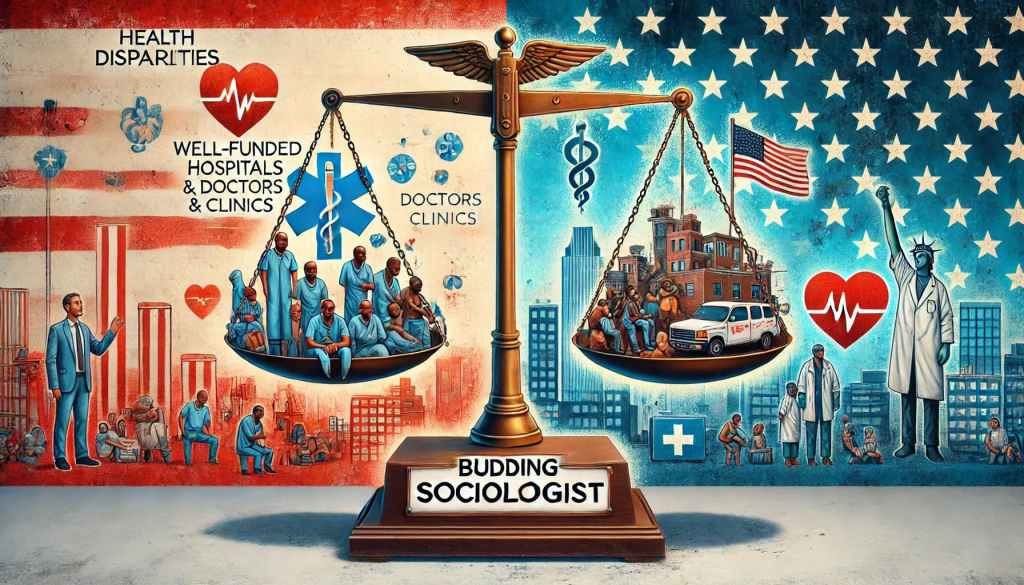
Health disparities refer to preventable differences in health outcomes among different groups of people. According to the Centers for Disease Control and Prevention (CDC), health disparities are closely linked to social, economic, and environmental disadvantages. In the U.S., marginalized communities—such as racial and ethnic minorities, low-income individuals, immigrants, LGBTQ+ populations, and rural residents—often experience disproportionate health burdens due to systemic inequities.
Health disparities in the United States represent significant differences in health outcomes and healthcare accessibility among various populations, particularly marginalized groups. These disparities are reflected in higher rates of chronic diseases, lower life expectancy, and increased mortality among racial and ethnic minorities, low-income individuals, rural populations, LGBTQ+ individuals, and people with disabilities. For generations, these communities have faced greater risks of preventable conditions such as diabetes, heart disease, maternal mortality, and mental health disorders. These differences are not merely statistical figures but indicate deeper inequalities in healthcare availability, variations in the quality of medical treatment, and the broader impact of social and economic factors on overall health and well-being.
The consequences of health disparities extend far beyond individuals, affecting families and entire communities by perpetuating cycles of hardship. Poor health can limit a person’s ability to work, access education, and maintain financial stability, which in turn affects household income and opportunities for future generations. Many individuals who experience chronic illnesses without proper medical care struggle with maintaining employment, affording basic needs, and managing their overall well-being. These challenges not only place additional stress on underfunded healthcare facilities but also increase reliance on emergency medical services, ultimately straining public health resources and contributing to economic instability.
Moreover, health disparities have far-reaching implications for the nation’s economy and overall public health. Marginalized communities often face higher hospitalization rates, increased healthcare costs, and greater dependency on government assistance programs due to untreated or preventable illnesses. These disparities can also contribute to public health crises by increasing the spread of diseases, worsening health outcomes on a larger scale, and reducing workforce participation. The COVID-19 pandemic highlighted these inequalities, as vulnerable populations experienced disproportionately high infection and mortality rates due to existing health conditions and challenges in accessing medical services. Such disparities underscore the gaps in the healthcare system and emphasize the pressing need for change.
Health disparities have persisted throughout American history, shaping the quality of life, longevity, and healthcare access of marginalized groups. These ongoing inequalities make it difficult for affected populations to break free from cycles of poor health and limited economic mobility. If left unaddressed, these disparities will continue to impact individuals, families, and society at large, reinforcing broader patterns of inequality and hindering overall social progress.
Causes of Health Disparities in Marginalized Communities
Health disparities in marginalized communities are driven by a complex interplay of social, economic, environmental, and systemic factors. These disparities are not just the result of individual behaviours but are deeply rooted in structural inequalities that limit access to healthcare, education, employment, and safe living conditions. Following are the primary causes:
1. Economic Barriers and Financial Hardships: Socioeconomic status is a key determinant of health, and marginalized groups often experience higher poverty rates. Individuals with limited financial resources may struggle to afford healthcare, nutritious food, and safe living conditions, all of which directly impact well-being. Many people in these communities are forced to prioritize daily necessities over medical care, leading to untreated health conditions. Although Medicaid expansion has improved access for some, a significant portion of the population remains uninsured or underinsured, making healthcare services difficult to obtain.
2. Employment Challenges and Health Coverage Gaps: Many individuals from marginalized backgrounds work in low-paying jobs that do not offer employer-sponsored health insurance or paid sick leave. Without these benefits, seeking medical attention becomes costly, often leading to delayed treatment and worsened health conditions. Furthermore, unstable employment and high job loss rates, particularly among racial minorities, immigrants, and those with disabilities, make it difficult to maintain consistent healthcare coverage. The absence of affordable insurance options leaves many without essential medical services, increasing the risk of preventable diseases.
3. Limited Healthcare Infrastructure and Availability: Access to healthcare facilities is often restricted in low-income and rural communities. Many individuals face long travel distances to reach hospitals, primary care providers, and specialists, making timely medical attention challenging. In urban settings, while hospitals may be available, overcrowding and lengthy wait times discourage people from seeking care. Inadequate healthcare infrastructure in these areas often leads to a reliance on emergency departments for basic medical needs, which is neither sustainable nor an effective solution.
4. Cultural and Language Differences in Medical Care: Non-English-speaking populations, particularly immigrant communities, encounter difficulties communicating with healthcare professionals. This language barrier increases the risk of misdiagnoses and improper treatments. Additionally, a lack of culturally sensitive care discourages individuals from seeking medical attention, particularly when healthcare providers are unfamiliar with their cultural health beliefs and practices. Many people, including undocumented immigrants and LGBTQ+ individuals, also avoid seeking care due to fear of discrimination or mistreatment within the healthcare system.
5. Discrimination and Bias in Medical Treatment: Racial and ethnic minorities often experience disparities in medical care due to implicit biases among healthcare professionals. Studies indicate that Black and Hispanic patients are less likely to receive adequate pain management or necessary treatments compared to their white counterparts. Similarly, Black women face disproportionately high maternal mortality rates, partly due to their symptoms being dismissed or taken less seriously by medical providers. Addressing these biases through medical education and systemic reforms is essential to ensure equitable healthcare treatment for all individuals.
6. Historical Mistrust in the Healthcare System: Previous medical injustices, such as the Tuskegee Syphilis Study and forced sterilization of Indigenous and Black women, have led to deep-rooted mistrust in the healthcare system. This historical trauma has resulted in lower participation in preventive healthcare, clinical trials, and vaccination programs among affected communities. Many individuals fear they will receive substandard care or be subjected to unethical medical practices, leading them to avoid seeking necessary treatment even when it is available.
7. Food Insecurity and Unhealthy Diets: Many low-income neighbourhoods lack access to fresh and nutritious food, creating “food deserts” where residents have limited options for healthy eating. The prevalence of fast food and processed meals in these areas contributes to higher rates of obesity, diabetes, and heart disease. The high cost of fresh produce and nutritious food items further exacerbates the issue, making it difficult for individuals in marginalized communities to maintain a balanced diet. While government nutrition assistance programs exist, barriers such as enrollment difficulties and stigma prevent some from benefiting from these resources.
8. Environmental Hazards and Exposure to Pollution: Disadvantaged communities are often situated in areas with high levels of pollution, industrial waste, and unsafe housing conditions. For instance, the Flint, Michigan water crisis primarily affected low-income Black residents, exposing them to dangerous levels of lead contamination. Similarly, air pollution and toxic waste disproportionately impact communities of colour, leading to increased cases of asthma, respiratory diseases, and other long-term health complications. Environmental factors play a significant role in health disparities and require targeted interventions to improve living conditions in these areas.
9. Mental Health Challenges and Lack of Support Services: Depression, anxiety, and post-traumatic stress disorder (PTSD) are prevalent among marginalized populations due to ongoing economic struggles, social exclusion, and exposure to discrimination. However, mental health services remain insufficient, particularly in low-income areas, where affordable therapy and psychiatric care are scarce. Cultural stigma surrounding mental health further discourages individuals—especially within Black, Latinx, and Asian communities—from seeking professional help. Without proper mental health support, individuals face worsening emotional and physical health outcomes.
10. Violence, Crime, and Chronic Stress: Many marginalized communities experience higher levels of crime, violence, and systemic oppression, all of which contribute to chronic stress and adverse health effects. Constant exposure to unsafe environments, economic uncertainty, and police violence leads to long-term physical and mental health consequences, including hypertension, heart disease, and anxiety disorders. The combination of these stressors perpetuates cycles of poor health, making it difficult for individuals to break free from the structural barriers that limit their well-being.
Conclusion: Health disparities in marginalized communities are deeply rooted in socio-economic inequality, systemic discrimination, environmental factors, and barriers to healthcare access. These issues are interconnected, requiring a comprehensive approach to reduce disparities through policy changes, increased funding for healthcare services, and improved social support systems. By addressing these challenges, the U.S. can work toward a more equitable healthcare system that ensures better health outcomes for all individuals, regardless of their background.
Impact of Health Disparities
Health disparities in marginalized communities in the U.S. have severe consequences, affecting physical health, mental well-being, maternal and infant health and overall life expectancy. These disparities contribute to a cycle of poor health outcomes, financial instability and social inequities. Following are the various impacts of health disparities:
1. Higher Incidence of Chronic Illnesses: Underprivileged groups in the U.S. are disproportionately affected by chronic health conditions such as high blood pressure, diabetes, heart disease, and certain types of cancer. African Americans face nearly double the risk of hypertension compared to white Americans, while Native American and Latinx populations experience elevated rates of diabetes. Factors such as inadequate access to preventive healthcare, unhealthy dietary options, and the effects of socio-economic stress contribute to these health challenges, leading to increased rates of illness and early mortality.
2. Maternal and Infant Mortality Disparities: Maternal health outcomes are significantly worse for women in marginalized communities, with Black and Indigenous women experiencing maternal mortality rates several times higher than those of white women. These disparities stem from inadequate prenatal care, medical discrimination, and preexisting health conditions like hypertension and diabetes. Furthermore, Black infants face a significantly higher mortality rate compared to white infants, often due to preterm births, low birth weights, and a lack of access to neonatal care.
3. Barriers to Healthcare Access: Low-income and rural populations often encounter obstacles in obtaining healthcare due to high costs, lack of insurance, and limited availability of healthcare facilities. Many people of colour, immigrants, and uninsured individuals delay or avoid seeking medical care due to financial constraints or difficulties navigating the healthcare system. As a result, preventable conditions can become more severe, leading to complications that could have been managed with earlier intervention.
4. Mental Health Inequities: Mental health disorders such as depression, anxiety, and post-traumatic stress disorder (PTSD) are more prevalent in marginalized groups, yet these communities often lack access to necessary mental health services. Stigma, financial limitations, and a shortage of culturally competent mental health professionals prevent many people from seeking treatment. Additionally, LGBTQ+ individuals, especially transgender individuals, experience disproportionately high rates of suicide and psychological distress due to discrimination and societal exclusion.
5. Environmental Health Risks: Communities of colour and economically disadvantaged populations are more likely to live in areas exposed to pollution, contaminated water, and other environmental hazards. For instance, the Flint, Michigan water crisis disproportionately impacted Black and low-income residents, exposing them to lead contamination with long-term health consequences. Poor air quality, industrial waste, and substandard housing conditions increase rates of asthma, respiratory infections, and chronic illnesses in these communities. Despite these risks, policy efforts to address environmental injustices remain insufficient.
6. Discrimination in Medical Treatment: Bias and systemic racism in healthcare contribute to disparities in the quality of care received by racial and ethnic minorities. Studies have shown that Black patients are less likely to be prescribed pain medication and often experience longer wait times and dismissive treatment in medical settings. Native American and Latinx individuals also report instances of medical neglect and discrimination, leading to mistrust in healthcare institutions. These biases result in misdiagnoses, delayed treatment and worsening health outcomes.
7. Food Insecurity and Malnutrition: Many low-income neighbourhoods lack access to affordable and nutritious food, often referred to as “food deserts.” Without sufficient grocery stores offering fresh produce, residents rely on processed and fast food, increasing their risk of obesity, diabetes, and heart disease. Poor nutrition during pregnancy and childhood can also lead to developmental issues and long-term health challenges. Additionally, food insecurity contributes to stress, anxiety, and lower academic performance among children, perpetuating cycles of poverty and poor health.
8. Unequal Impact of COVID-19: The COVID-19 pandemic highlighted and exacerbated existing health disparities, with communities of colour experiencing disproportionately high rates of infection, hospitalization and death. Many individuals from these groups work in frontline or essential jobs, increasing their exposure to the virus while having limited access to protective resources. Additionally, disparities in access to testing, treatment, and vaccines further widened the gap in health outcomes between marginalized and more privileged populations. The economic repercussions of the pandemic, including job losses and housing instability, further deepened these inequalities.
9. Lack of Preventive Healthcare and Health Education: Preventive healthcare services, such as cancer screenings, immunizations, and regular check-ups, are less accessible to marginalized populations due to financial barriers, cultural stigmas, and limited health awareness. Many individuals in these communities do not receive early diagnoses for conditions such as breast cancer, colorectal cancer, and hypertension, which leads to more severe health complications. Additionally, underfunded health education programs contribute to a lack of knowledge about disease prevention, nutrition, and mental health resources, further exacerbating health disparities.
10. Economic and Social Burdens of Poor Health: Disparities in healthcare contribute to financial instability, trapping marginalized individuals in cycles of poverty and limiting their opportunities for social mobility. Chronic illnesses and untreated conditions lead to high medical expenses, reduced productivity, and job insecurity. Poor health also impacts educational outcomes, career advancement, and overall quality of life. Addressing these disparities through policy changes, expanded healthcare coverage, and targeted social programs is essential for creating a more equitable society where health is not determined by race, income, or geographic location.
Conclusion: Health disparities in marginalized communities are deeply connected to systemic inequalities that affect physical well-being, economic stability, and overall life expectancy. These disparities result from structural barriers in healthcare, environmental injustices, and social determinants of health. Addressing these challenges requires comprehensive policy reforms, greater investment in healthcare infrastructure, and culturally competent community health programs. By actively working toward health equity, the U.S. can improve outcomes for all populations, ensuring that access to quality healthcare is a right, not a privilege.
Strategies to Reduce Health Disparities in Marginalized Communities
Addressing health disparities in the U.S. requires a multi-pronged approach that tackles systemic barriers to healthcare access, social determinants of health, and institutional discrimination. Below are key strategies to mitigate health inequities and improve health outcomes for marginalized populations:
1. Expanding Healthcare Coverage and Accessibility: A significant barrier to equitable healthcare is the lack of insurance coverage and access to affordable medical services. Expanding Medicaid in all states, strengthening Medicare, and enhancing the Affordable Care Act (ACA) can provide more individuals with essential healthcare coverage. Increasing financial support for community health clinics and federally funded medical centers can ensure that underserved populations receive preventive and primary care without financial hardship.
2. Increasing Healthcare Workforce in Underserved Areas: Many rural and low-income urban communities face a shortage of healthcare professionals, limiting access to timely medical treatment. Offering student loan forgiveness, scholarships, and financial incentives can encourage doctors, nurses, and mental health professionals to practice in these regions. Expanding telemedicine and mobile clinics can also help bridge the gap by delivering healthcare services to remote or transportation-limited areas.
3. Addressing Implicit Bias and Promoting Culturally Competent Care: Unconscious biases in the healthcare system contribute to disparities in treatment and health outcomes. Providing mandatory training on cultural competency, anti-racism and patient-centered care can improve the quality of treatment for diverse populations. Encouraging more individuals from underrepresented backgrounds to enter the healthcare profession can help create a more inclusive system where patients feel understood and respected.
4. Improving Maternal and Infant Healthcare: The maternal mortality rate among Black women is disproportionately high due to systemic inequities in healthcare. Expanding access to high-quality prenatal and postnatal care, supporting midwives and doulas from diverse backgrounds, and educating healthcare providers on racial disparities in maternal health can help improve outcomes. Increasing awareness of patient advocacy rights and improving emergency response protocols for pregnancy-related complications can further enhance maternal and infant survival rates.
5. Reducing Environmental and Housing-Related Health Risks: Environmental factors play a critical role in overall well-being. Many marginalized communities are exposed to unsafe housing conditions, air pollution, and contaminated water. Government investments in infrastructure improvements, stricter environmental regulations, and clean water initiatives can help address these issues. Expanding programs that provide safe and affordable housing can also improve health outcomes by reducing exposure to harmful living conditions.
6. Promoting Food Security and Nutritional Equity: Lack of access to affordable, healthy food options contributes to higher rates of diet-related illnesses in underserved areas. Expanding Supplemental Nutrition Assistance Program (SNAP) benefits, supporting farmers’ markets and community gardens, and incentivizing grocery stores to open in food deserts can increase access to fresh produce. Additionally, implementing nutrition education programs in schools and community centers can help individuals make informed dietary choices that support long-term health.
7. Expanding Mental Health Resources and Reducing Stigma: Mental health care remains out of reach for many marginalized populations due to financial constraints, stigma, and a lack of culturally competent providers. Increasing funding for mental health clinics, integrating mental health screenings into routine medical visits, and expanding crisis response teams can help improve access to care. School-based mental health programs and community outreach initiatives can also provide early intervention for at-risk populations, particularly LGBTQ+ individuals and racial minorities.
8. Enhancing Preventive Healthcare and Public Health Education: Many chronic illnesses can be prevented or managed through early intervention. Expanding community-based health education programs can help individuals understand the importance of preventive care, such as vaccinations, cancer screenings, and regular health check-ups. Increasing mobile health initiatives that bring medical services directly to underserved areas can improve early detection of diseases and reduce unnecessary hospitalizations.
9. Strengthening Anti-Discrimination Policies in Healthcare: Discriminatory practices in healthcare settings can lead to unequal treatment and poorer health outcomes. Enforcing stronger policies against discrimination based on race, gender, sexual orientation, or disability can help ensure fair treatment for all patients. Establishing anonymous reporting systems for those who experience bias in medical settings and holding healthcare institutions accountable for violations can create a more equitable healthcare system.
10. Building Community Trust and Strengthening Partnerships: Long-standing mistrust of the medical system, particularly among Black, Indigenous, and other minority communities, stems from historical injustices and ongoing discrimination. To rebuild confidence in healthcare, partnerships between medical providers, faith-based organizations and community leaders are essential. Employing community health workers who understand local needs and providing platforms for patient voices in healthcare decision-making can foster trust and encourage engagement with the medical system.
Conclusion: Addressing health disparities requires a comprehensive approach that tackles systemic inequalities, improves healthcare accessibility, and invests in social determinants of health. By implementing these strategies, the nation can work toward a more just and inclusive healthcare system where every individual, regardless of background or income level, has the opportunity to achieve optimal health.
Reference and Readings:
Health Disparities in the United States – Social Class, Race, Ethnicity, and Health, by Donald A Barr, https://amzn.to/4h2RjiR
Just Medicine: A Cure for Racial Inequality in American Health Care, by Dayna Bowen Matthew, https://amzn.to/41sBaNY