- Introduction
- Public Opinion: Meaning
- Characteristics of Public Opinion
- Conditions for Formulation of Public Opinion
- Importance of Public Opinion
- Measurement of Public Opinion
- Agencies of Public Opinion
Introduction
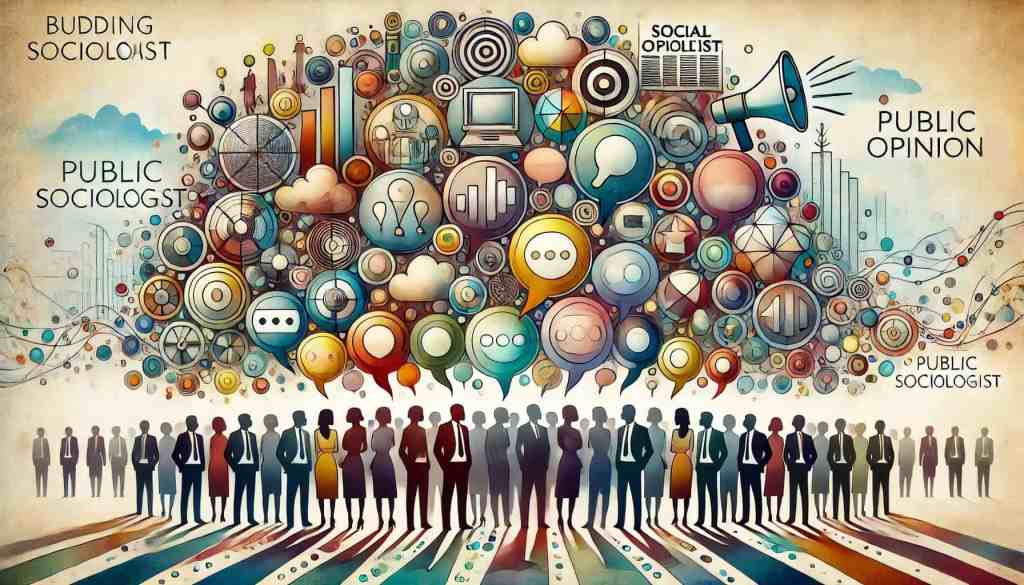
Public opinion refers to the collective viewpoint of a community on a specific topic, comprised of individual attitudes, beliefs, and perspectives. This amalgam of views can represent either a consensus or a diversity of opinions, depending on interpretation. Charles Horton Cooley, an American sociologist, stressed the dynamic nature of public opinion, highlighting its formation through interaction and mutual influence rather than uniform agreement. Additionally, public opinion extends beyond politics to encompass significant influence across various domains such as culture, fashion, literature, consumer behaviour, and marketing strategies. To comprehend the notion fully, it’s beneficial to dissect the terms “public” and “opinion” individually:
1. Public: The term “public” typically denotes a large collective of individuals, often interchangeably referred to as a crowd. This group doesn’t necessarily assemble in one location; they can be dispersed and unfamiliar with each other. Anderson and Parker describe a public as a gathering of scattered and unorganized individuals facing an issue that may elicit differing opinions. Kimball Young defines it as a loosely organized assembly with shared interests, while Ginsberg characterizes it as an unstructured group bound by common beliefs and desires, too numerous for personal relationships. In essence, the public comprises people sharing a common discourse and grappling with an issue or evaluating a value, despite differing opinions, and engaging in discussion. Physical proximity isn’t a prerequisite for constituting a public. Moreover, the behavior of the public tends to be more reasoned compared to that of a crowd.
2. Opinion: An opinion represents a conviction that surpasses a mere notion or impression but falls short of being grounded in complete or irrefutable evidence. It typically revolves around a contentious subject matter or reflects an individual’s perception, sentiment, or bias toward a topic or individual. Forming an opinion involves deliberation and reflection, often stemming from available information or evidence. However, opinions aren’t infallible and can sometimes be flawed, lacking accuracy.
Public Opinion: Meaning
After examining the concepts of “public” and “opinion,” the synthesis of both yields “public opinion,” commonly understood as the collective views held by individuals on matters impacting or of interest to the entire community. Consequently, public opinion encompasses a diverse array of perspectives, beliefs, imaginations, biases, and aspirations. It presents itself as a complex, ever-changing entity, characterized by confusion, inconsistency, and variability over time.
Defining “public opinion” proves challenging; while its literal meaning suggests the aggregated viewpoint of individuals on matters of public significance, its essence lies in the unorganized reflections of various community segments on public issues, which they seek to influence through their expressions.
Based on the preceding explanation, in simpler terms, we can describe public opinion as not being the view of every individual or the dominant perspective. Rather, it’s a widely held viewpoint that aims to promote the well-being of everyone. It represents a consensus supported by a significant majority, and even minorities typically don’t oppose it because it underscores a shared concern for the welfare of all.
Characteristics of Public Opinion
Public opinion is a concept that proves challenging to pin down, as scholars offer varied definitions. While some view it as the collective sentiment of the entire populace, others argue it represents the viewpoints of influential figures. Still, there are those who characterize it as the prevailing perspective of the majority. However, these perspectives lack absolute truth. In essence, public opinion can be understood as the collective amalgamation of individuals’ viewpoints on matters pertinent to the community. Crucially, these viewpoints are grounded in the community’s welfare and are acknowledged and respected as indicative of public sentiment. Public opinion is characterised by the following features:
1. General Agreement: Public opinion is defined by a widespread agreement among the public, representing the unified stance or consensus achieved by the majority of people in a given society.
2. Rational: In an ideal scenario, public sentiment ought to be rooted in rationality and sound reasoning. It should invite logical examination, proving its legitimacy through coherent arguments and verifiable evidence.
3. General Welfare: Fundamentally, public sentiment is driven by the collective welfare of society. It recognizes and values those who actively contribute to the improvement of the community through their endeavours and endeavours.
4. Related to all Aspects of Life: Public opinion permeates every aspect of existence, extending beyond particular realms to influence political, social, economic, and cultural spheres. Its influence is pervasive, shaping the experiences and decisions of individuals within a community.
5. Upholds Morality: Public sentiment stands as a stronghold for societal morals, adhering to ethical standards and norms to maintain the moral integrity of the community. It often champions endeavours that enhance the welfare of the populace at large.
6. Not an Imposed Opinion: Genuine public sentiment naturally arises from the shared awareness of the people. It isn’t forced or dictated; instead, it reflects the true feelings and convictions of the majority.
7. Neither Destructive nor Negative: Genuine public sentiment is inherently constructive, striving for beneficial outcomes for the entire society. It advocates for positive solutions rather than endorsing harmful ideologies, aiming for the betterment of the collective welfare.
8. Based on Right to Freedom of Speech and Expression: The cornerstone of public sentiment rests upon the essential principle of freedom of speech and expression. People are afforded the freedom to express their thoughts and participate in shaping public dialogue, thereby influencing collective perspectives.
9. Basis of Democracy: In democratic societies, the collective voice of the public carries considerable weight, shaping governmental actions and choices. The legitimacy and efficacy of a democratic administration rely heavily on its responsiveness to the will of the people.
10. Real Sanction Behind Laws of the State: Public sentiment stands as the paramount endorsement for the laws and regulations implemented by a democratic government. It mirrors the authority of the populace and emphasizes the democratic ethos that governance ought to originate from and cater to the people.
Conditions for Formulation of Public Opinion
Here are the essential prerequisites for the development of a robust public opinion:
1. Educated and Enlightened Citizens: Only those who are well-educated and enlightened have the capacity to comprehend various issues and challenges accurately. They are not susceptible to the deceitful persuasion of certain individuals. Such individuals possess the ability to assess every matter thoroughly and develop informed perspectives on the societal challenges and dilemmas at hand.
2. Free and Honest Press: A liberated and transparent media is crucial for fostering a robust public perspective. Only when the press operates without intimidation can it freely disseminate all matters in print. When governmental oversight muzzles the press, its capacity for unrestricted expression is compromised. Additionally, the press ought to uphold fairness and integrity. A truthful press avoids sensationalism or distortion, consistently aiding in the cultivation of informed and balanced public viewpoints.
3. Sound Party System: Political parties wield considerable influence in shaping public perception. Yet, their impact is only effective when they adhere to democratic principles in their organization. In instances where parties lack proper organization, they struggle to accurately represent political developments and address national priorities. Consequently, the formation of well-informed public opinion becomes compromised. Therefore, it is imperative for political parties to transcend barriers such as casteism, provincialism, linguistic biases, communalism and regionalism.
4. Alert and Active Citizenship: Citizens must not only possess education but also demonstrate proactive engagement. Those who exhibit such qualities remain actively involved in current affairs and adopt a proactive stance in political matters. They resist succumbing to external pressures, instead striving to comprehend issues thoroughly and form unbiased perspectives. Their ability to discern between right and wrong is pivotal. Vigilant and engaged citizens are essential for fostering a robust public discourse.
5. Sound Education System: Given that the education system profoundly influences public opinion, it’s crucial for it to offer a robust framework for imparting education and training to the youth. This framework should promote critical thinking, scientific inquiry, humanistic values, and a sense of national identity. Moreover, it should aim to liberate young individuals from narrow-minded perspectives such as caste, language, religion, communalism, regionalism, and similar biases.
6. Removal of Poverty: Poverty presents significant challenges. Those living in poverty often find themselves unable to engage in independent thought or form their own opinions, as their focus is primarily on meeting basic survival needs. This deprivation of resources can lead individuals towards corrupt influences, hindering the development of genuine public discourse. Addressing poverty must be a top priority, as only by alleviating this socio-economic condition can we foster an environment where robust public opinion can thrive.
7. High Moral Character: The formation of robust public opinion is also influenced by the ethical integrity of individuals. Those with strong moral principles reject deceit and unethical strategies, offering balanced and constructive perspectives instead.
8. Freedom of Speech and Expression: The presence of freedom of speech and expression plays a crucial role in fostering genuine public opinion. Limitations on the sharing of viewpoints invariably impede the development of a robust public discourse. Thus, it is imperative to ensure that individuals have ample opportunity to exercise their right to freedom of expression without constraint.
9. Freedom from Casteism, Communalism and Localism: The presence of casteism and communalism fosters narrow-mindedness among individuals, anchoring them to limited allegiances. Consequently, they struggle to develop well-rounded public perspectives. Thus, concerted efforts are necessary to eradicate these detrimental forces.
10. Spirit of Toleration and Co-operation: A robust public consensus can only flourish when individuals exhibit tolerance towards one another and foster a spirit of cooperation. Without these qualities, individuals struggle to accept opposing viewpoints. Constructive dialogue among dissenting parties is essential for the development of a vibrant public opinion. Embracing opposition and dissent as inherent and beneficial elements is crucial for nurturing a healthy societal discourse.
11. Democratic Government: In systems of governance rooted in democracy, individuals possess the fundamental liberties of speech and expression, enabling them to enjoy a range of rights and freedoms. This environment fosters the cultivation of robust public opinions. By ensuring the fulfillment of these prerequisites, any society can cultivate a conducive atmosphere for the development of healthy public perspectives.
Importance of Public Opinion
Public opinion holds significance in all societies for following reasons:
1. Serves as the Foundation of Democracy: The cornerstone of democracy lies in the sovereignty of the people, which essentially translates to the primacy of public opinion. In any democratic system, governmental actions and policies are consistently shaped by the prevailing public sentiment. The tenure of a government is contingent upon its alignment with public opinion, as it retains power only as long as it maintains public support.
2. Device of Effective Control Over the Government: Public sentiment wields significant influence in governing bodies, serving as a potent tool for accountability. Governments are duly answerable to the prevailing public sentiment.
3. Public Opinion Determines Election Results: In every elections, victory is claimed by the political party that garners the backing of public sentiment. The party entrusted with governance must wield authority in accordance with the prevailing public opinion, and should gracefully step down when public sentiment shifts away from its favour.
4. Major Source of Law: Government-enacted legislation is fundamentally rooted in public demands, which are supported by public opinion. Therefore, public opinion serves as a foundation for the law.
5. Real Sanction Behind Law: Law doesn’t just stem from public opinion; it also relies heavily on it as a significant force behind its enforcement. Laws that garner support from the public are more likely to be effectively enforced and achieve their intended outcomes.
6. Guardian of Rights and Freedoms: The safeguarding of people’s rights and freedoms is crucial, requiring protection. Public opinion serves as their vigilant protector. A vigilant and active public opinion stands as the most potent defense against any encroachment on the rights and freedoms of individuals.
7. Basis of State Policies: The state government shapes its policies in accordance with public sentiment. All public policies are grounded in the collective views of the populace. The government is expected to respond to the demands expressed by public opinion.
8. Credibility of a Government Rests Upon It: A government supported by robust public approval maintains a significant level of trust, facilitating its efficient and robust functioning.
9. Agent of Social Change: Any legislation or policy intended to drive social change or reform, and any developmental action, will only truly succeed when supported by robust public opinion. Achieving the desired goals of social change hinges on garnering public support for proposed reforms and changes. Therefore, in any society, public opinion forms the backbone of governmental endeavours.
Recognizing the significance of public sentiment in contemporary society, there is a resounding call for unrestricted expression of public viewpoints. It is imperative that every opinion be permitted to circulate freely as it fosters the development of genuine public sentiment. Even amid times of conflict, the freedom of public expression must not be curtailed. Should there arise a popularly supported opinion against warfare, the state is not entitled to persist in such conflict.
Measurement of Public Opinion
Throughout history, rebellion has served as a significant manifestation of public sentiment. Peasant uprisings have been a recurring theme across various epochs. When a monarch witnessed widespread rebellion among the populace, it signalled a notable decline in support for their governance. Over centuries, rulers have relied on clandestine security apparatuses to identify dissenters and suppress opposition, effectively functioning as barometers of public sentiment. In contrast, democratic systems employ more sophisticated mechanisms to gauge and understand public opinion. Here are several methodologies employed to assess public opinion:
1. Public Opinion Polls: One of the primary methods for gauging public sentiment is through opinion polls. These surveys are often commissioned by various entities to ascertain people’s perspectives on specific topics. Typically, polls are initiated to address political inquiries or gauge support for particular ideas within a community or district. Opinion polls entail selecting a representative sample of individuals and soliciting their views on a given issue. The responses are then scrutinized to determine the proportion of individuals expressing certain viewpoints. This approach serves as a means to gauge public opinion on governmental policies or other matters of national significance.
2. Elections: Democratic governments commonly gauge public opinion through the mechanism of elections, an integral component ingrained within the system across nearly all democratic nations. Elections hold significance as they determine governmental personnel and serve as a channel for public sentiment towards politics. However, they possess limitations in accurately capturing public opinion. The imperfect nature of elections as a measure of public opinion stems from their reflection solely of the viewpoints of participating voters. While theoretically, in societies granting suffrage to all adults, elections may encompass diverse perspectives, practicalities unveil disparities. Notably, not all eligible individuals cast their votes, and the electorate’s composition may not be fully representative of the populace.
3. Pressure Groups and Lobbying: Pressure groups are often viewed skeptically as indicators of public sentiment due to their lack of representativeness across society. Typically, they are composed of affluent and educated individuals who are better equipped to organize and advocate for their interests. Conversely, those who are less privileged or educated have limited access to such advocacy channels. Effective lobbyists possess a deep understanding of the issues relevant to their clients, access to pertinent information for drafting legislation, a grasp of the political landscape, and readiness to engage with policymakers. While the general populace might support concepts like tax reduction, they often lack the nuanced understanding of how such measures can be implemented or their potential impact—whereas lobbyists excel in this regard.
4. The Media: Numerous government representatives, alongside a multitude of ordinary individuals, rely on the media as a vital source for gauging public sentiment. The media, spanning television, newspapers, and magazines, wield significance not only in their selection of news coverage but also in the manner in which they present various issues. Essentially, they play a crucial role in shaping the political agenda by reflecting the concerns occupying the minds of those in government and by framing discussions around pertinent topics.
5. Letters and Calls: Citizens frequently communicate their viewpoints to elected officials through letters and phone calls. While these messages may address individual concerns like lost social security checks, they also delve into contentious political matters. Elected representatives take note of such correspondence, recognizing that a handful of letters may echo the sentiments of numerous voters. However, it’s important to acknowledge that relying solely on letters can skew the perception of public opinion. Typically, letter-writers are more affluent and educated than the general populace, meaning the voices heard by lawmakers often represent a more privileged demographic.
6. Protests: In both democratic societies and autocracies, protests serve as visible expressions of public discontent with government policies. They represent a longstanding means of engaging with authorities, aiming to draw attention to overlooked issues through media coverage and public discourse. However, protests may not accurately reflect the broader sentiments of the entire populace. Despite being accessible to individuals from various socioeconomic backgrounds, they often attract participation from those with higher education levels and incomes. Consequently, protests, like other informal avenues for gauging public opinion, tend to amplify the perspectives of more affluent segments of society.
7. Recall: In certain democratic systems, constituents possess the power to initiate the removal of an underperforming member of parliament and replace them with another individual before their term concludes. This mechanism, known as recall, serves as a gauge of public sentiment and accountability within the political landscape.
8. Referendum: A referendum serves as a means to gauge public sentiment on an issue. It entails presenting a specific matter to citizens for them to decide through voting. Certain constitutional amendments require approval via referendum. The outcome of a referendum represents the collective voice of the populace.
9. Straw Polls: Straw polls serve as a middle ground between formal and informal survey methods. They mimic the structure of official public opinion polls but often prioritize ease of execution over result accuracy. Before statistical survey methods gained prominence in the 1930s, straw polling was the norm. Presently, a prevalent form of this practice involves political party members distributing questionnaires among constituents to gauge their views on current issues. Alternatively, they may simply tally the volume of letters and phone calls expressing different viewpoints.
Agencies of Public Opinion
Bryce delineates three key groups that significantly shape, articulate, and advocate public opinion.
- Firstly, there are those who construct public opinion. This group encompasses legislators and journalists who, through their perspectives and utilization of mass media, serve as conduits for public sentiment.
- Secondly, there are individuals actively engaged in social and political spheres. These informed and influential figures steer public opinion toward specific directions.
- Lastly, there are those who incite public opinion. These individuals participate in public gatherings, protests, movements, and demonstrations.
Bryce asserts that among these categories, those falling within the second group play a comparatively more substantial role as agents of public opinion. The following are the some major agencies that influence public opinion:
1. Press: The press, encompassing newspapers, periodicals, magazines, and both print and electronic media, serves as a vital conduit for shaping public opinion. Through extensive coverage and analysis, it delves into critical issues of societal relevance. Editorials, articles, and news analyses wield significant influence in moulding and articulating public sentiment.
2. Legislature: The legislature comprises elected representatives chosen by the populace, serving as a forum for political leaders. It serves the dual purpose of reflecting public sentiment and facilitating the articulation of public views. Through legislative debates, the dissemination of debate records, and the expression of legislators’ opinions within and outside the assembly, the legislature significantly influences the shaping and reflection of public opinion.
3. Public Meetings and Rebates: In every democratic nation, individuals possess the liberty to establish associations, convene gatherings, hold processions and demonstrations, and engage in discussions on matters of public significance. Public assemblies serve as platforms for shaping public opinion.
4. Political Parties: Political parties serve as conduits for political enlightenment. They disseminate comprehensive information to the populace concerning governmental actions, achievements, setbacks, oversights, and missteps. Each party endeavours to sway public sentiment in its direction, orchestrating gatherings, protests, displays, marches, and campaigns to underscore matters of societal significance. These endeavours collectively shape public sentiment, rendering political parties pivotal, beneficial, and dynamic entities for articulating interests, consolidating interests, and fostering political discourse. They wield significant influence in moulding public opinion.
5. Radio, T.V. and Internet: In today’s era of the information revolution, platforms like radio, television, and the internet play crucial roles in shaping public opinion. Discussions and debates broadcasted through these mediums serve as catalysts in shaping public perspectives, functioning as channels for political education. Particularly during elections, their utilization becomes instrumental in both shaping and reshaping public sentiment.
6. Cinema: Movies wield significant influence in shaping public sentiment. Alongside their screening in theaters, they often feature news segments covering global events. Moreover, certain films are crafted with specific agendas, thereby leaving an imprint on viewers. Consequently, cinema serves as a conduit for both shaping and reflecting public opinion.
7. Educational Institutions: In educational settings, various events such as classroom lectures, speeches, meetings, and seminars are organized. Distinguished leaders, scholars, and writers actively engage in these gatherings, contributing to the exchange of ideas that shape the perspectives of both students and educators. Furthermore, the opinions voiced by teachers during their classes have a significant impact on students. These viewpoints often integrate into the students’ own thinking, influencing their beliefs and attitudes. The curricula designed for educational purposes serve specific objectives, contributing to the formation of public opinion.
8. Religious Institutions: Religious institutions often shape political ideologies among the populace, a phenomenon particularly pronounced in India where numerous political parties are founded on religious affiliations. Religious gatherings in India frequently serve as platforms for political discourse, where under the guise of faith, political agendas are advanced and endorsed. Consequently, these views garner devout followers who contribute to the shaping of public opinion.
9. Elections: In democratic systems, elections are a recurring event aimed at educating the populace about political matters. Political parties craft their manifestoes, disseminating them through various channels such as public gatherings, pamphlets, advertisements, and theatrical performances. These campaigns are intense, reaching even those previously disinterested in politics, as everyone becomes engaged in the political process.
10. Social Institutions: Within any community, numerous non-political institutions wield considerable influence in shaping and articulating public sentiment. Entities such as the All India Women Conference, Intellectual Associations, Farmers Associations, and Social Welfare Groups serve as vital conduits, highlighting various concerns and advocating for diverse demands to both the government and society. Through their active engagement, these organizations contribute significantly to the cultivation and reflection of public opinion, assuming pivotal roles in its formation and dissemination.