- Introduction
- Historical Context of Racial Profiling in Policing
- Modern-Day Manifestations of Racial Profiling in America
- Impacts of Racial Profiling
- Measures to Stop Racial Profiling
Introduction
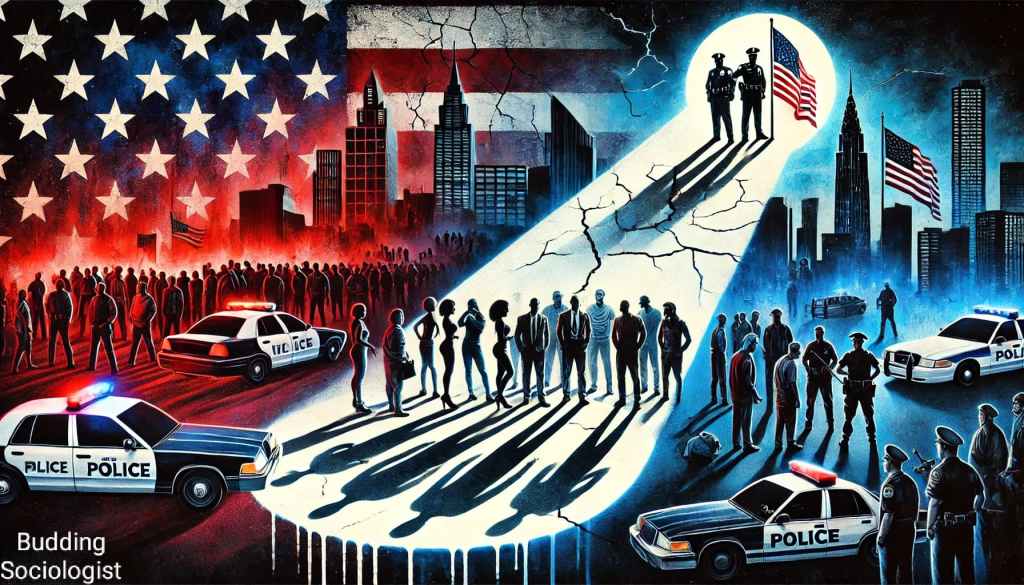
Racial profiling in American policing is a deeply divisive issue that continues to fuel heated discussions about systemic racism, civil rights, and unequal treatment within law enforcement. At its heart, racial profiling happens when police officers target individuals for suspicion of criminal activity based on their race, ethnicity, or national origin rather than on concrete evidence or behaviour. Studies consistently reveal that Black and Latino individuals are far more likely to be stopped, searched, or subjected to force by police compared to White individuals, even when factors like crime rates are considered. This pattern has deepened mistrust between law enforcement and marginalized communities, reinforcing the belief that the justice system is inherently biased against people of colour.
High-profile cases such as those of George Floyd, Breonna Taylor, and Eric Garner have thrust the issue into the national spotlight, sparking widespread protests and demands for significant police reforms. These tragedies have highlighted the pressing need to address racial disparities in policing. Activists and civil rights organizations have advocated for measures like increased police accountability, mandatory bias training, and alternative approaches to law enforcement to reduce racial profiling. Despite these efforts, the problem persists, impacting everything from routine traffic stops to immigration enforcement and surveillance.
Racial profiling isn’t just about isolated incidents—it’s deeply embedded in policing practices. For instance, the term “driving while Black” has become a well-known phrase, capturing the disproportionate targeting of Black drivers during traffic stops, often leading to unnecessary confrontations. Research from organizations like the ACLU and Pew Research Center has repeatedly shown that people of colour are more likely to be stopped by police, even when there’s no clear reason for suspicion. Beyond street-level interactions, racial biases also influence sentencing, bail decisions, and incarceration rates, perpetuating cycles of mass incarceration that disproportionately harm communities of colour.
Historical policies have worsened the problem. The war on drugs, launched in the 1980s, led to aggressive policing in Black and Latino neighbourhoods, with mandatory minimum sentencing laws and the targeting of crack cocaine offenses disproportionately affecting Black communities. Similarly, post-9/11 security measures have resulted in heightened profiling of Middle Eastern, South Asian, and Muslim individuals, often under the guise of counterterrorism. These examples illustrate how racial profiling isn’t limited to one group but is a symptom of broader systemic inequities in law enforcement.
Efforts to combat racial profiling have included initiatives like body cameras, anti-bias training, and civilian oversight boards. Some jurisdictions have passed laws requiring police to collect and publish data on stops and searches to increase transparency. However, critics argue that these measures alone are insufficient without deeper structural changes. Movements like Black Lives Matter have called for more radical reforms, such as reallocating police funding to social services and investing in community policing models that prioritize de-escalation and trust-building over aggressive tactics.
Ultimately, ending racial profiling in policing requires a comprehensive approach that addresses both individual biases and systemic flaws. Law enforcement agencies need stronger policies to prevent discrimination, while lawmakers must pass legislation to ensure accountability and oversight. Equally important is rebuilding trust between police and communities of colour, which is essential for improving public safety and fostering a more just society. As the conversation around policing reform continues, addressing racial profiling remains a critical step in the broader struggle for racial justice and equality in the United States.
Historical Context of Racial Profiling in Policing
The history of racial profiling in American policing is deeply rooted in the nation’s social and legal foundations, serving as a tool for racial control that has persisted from the colonial era to the present day. For generations, law enforcement in the U.S. has disproportionately focused on racial minorities, reinforcing systemic inequalities and criminalizing already marginalized communities. To fully understand the evolution of modern racial profiling and its lasting impact on policing, it’s essential to explore this historical context:
1. Slave Patrols and the Foundations of Racialized Policing (1700s–1865): The origins of racially biased policing in the United States can be traced back to the 18th and 19th centuries, when slave patrols were established. These groups, primarily active in the Southern states, were tasked with capturing enslaved people who had escaped, preventing rebellions, and maintaining the racial hierarchy through fear and control. Typically made up of white men who acted as either vigilantes or state-sanctioned enforcers, these patrols wielded significant power to stop, question, and detain any Black person they suspected of fleeing or violating slave-related laws. This system laid the groundwork for modern racial profiling, perpetuating the notion that Black individuals could be subjected to constant surveillance, intimidation, and violence simply because of their race. Even after slavery was abolished, the legacy of these patrols persisted, influencing the development of racially discriminatory policing practices during Reconstruction and beyond.
2. Black Codes and the Criminalization of Black Americans (1865–1877): Following the Civil War and the passage of the 13th Amendment, which abolished slavery, many Southern states introduced Black Codes—laws designed to restrict the rights and freedoms of newly emancipated Black individuals. These codes targeted basic aspects of daily life, making it illegal for Black people to be unemployed, travel without permission, or gather in large groups. Law enforcement actively enforced these laws, arresting numerous Black men for minor offenses such as “vagrancy” or other insignificant charges. These arrests often led to forced labour through the convict leasing system, where Black prisoners were leased to private companies and plantations. In effect, this system replicated the conditions of slavery under a different legal framework. This period perpetuated damaging stereotypes that associated Blackness with criminality, a prejudice that continues to shape policing and the justice system today.
3. Jim Crow Laws and Police Enforcement of Segregation (1877–1965): As the Reconstruction era ended and white supremacists regained power in the South, Jim Crow laws institutionalized racial segregation across the country. These laws mandated the separation of Black and white Americans in public spaces, schools, businesses, and transportation. Police officers were responsible for enforcing these discriminatory policies, often using brutal and violent tactics to punish Black individuals who challenged racial boundaries. In addition to upholding legal segregation, many officers either participated in or turned a blind eye to racial violence, including lynchings carried out by groups like the Ku Klux Klan. This collaboration between law enforcement and white supremacist groups fueled the distrust Black communities had toward the police, reinforcing the perception that their role was not to protect but to uphold a deeply racist social order.
4. The Civil Rights Movement and Police Repression (1950s–1970s): During the Civil Rights Movement, Black activists and their allies courageously confronted systemic racism, including discriminatory policing practices that were deeply embedded in society. Rather than addressing these injustices, law enforcement agencies across the country often responded with violence, surveillance, and intimidation. Peaceful demonstrators were frequently met with disproportionate force, as police deployed attack dogs, fire hoses, and tear gas to disperse crowds. The FBI’s COINTELPRO (Counterintelligence Program) played a particularly troubling role, targeting civil rights organizations by infiltrating and destabilizing groups like Dr. Martin Luther King Jr.’s Southern Christian Leadership Conference (SCLC) and the Black Panther Party. Many activists endured arrests, threats, and even assassination, often with law enforcement either directly complicit or willfully ignoring these acts. This period underscored how police forces were often used as tools of oppression rather than guardians of justice, and it laid the groundwork for the continued criminalization of Black activism in the decades that followed.
5. The War on Drugs and Mass Incarceration (1970s–2000s): In the late 20th century, the U.S. government initiated what came to be known as the “War on Drugs,” a set of policies that deeply and disproportionately affected Black and Latino communities. This period witnessed a sharp increase in incarceration rates and the widespread acceptance of racial profiling by law enforcement. The origins of this approach can be traced back to the 1970s during the Nixon administration, when drug-related issues were portrayed as a national emergency. However, the implementation of these policies overwhelmingly targeted communities of colour, laying the groundwork for systemic inequality that persisted for decades.
The 1980s, under the Reagan administration, saw a dramatic escalation in these efforts. Strict sentencing laws were enacted, including the infamous 100-to-1 sentencing disparity between crack cocaine and powder cocaine. Crack cocaine, more commonly found in Black communities, was met with far harsher penalties than powder cocaine, which was more frequently used in white communities—even though the two substances are nearly identical chemically. This disparity deepened racial inequalities within the criminal justice system.
The 1994 Crime Bill, signed into law by President Bill Clinton, further exacerbated these problems. It increased policing and imprisonment, disproportionately impacting Black and Latino men. Tactics like “stop and frisk” and racially biased traffic stops became routine, reinforcing damaging stereotypes that linked Black and brown individuals with criminal behaviour. Over time, these policies not only normalized racial profiling but also embedded it as a standard practice within law enforcement. The lasting effects of these decades-long policies continue to influence the criminal justice system and the lives of countless individuals to this day.
6. Post-9/11 Era and the Expansion of Racial Profiling: The tragic events of September 11, 2001, led to a dramatic rise in racial profiling, disproportionately impacting Arab, Muslim, and South Asian communities. In response to the attacks, the USA PATRIOT Act was enacted, giving law enforcement agencies sweeping surveillance powers. This resulted in the widespread monitoring of mosques, Muslim-led organizations, and neighbourhoods with large immigrant populations. In the years following 9/11, Muslim Americans and individuals of Middle Eastern descent often found themselves under intense scrutiny, particularly in airports. Many were singled out for additional screenings, detentions, or interrogations simply because of their names, appearances, or cultural backgrounds. The New York Police Department (NYPD) faced criticism for its unauthorized surveillance of Muslim communities, which deepened concerns that law enforcement was unfairly targeting racial and religious minorities. This era revealed how racial profiling, a practice historically directed at Black and Latino communities, could be expanded to include any group viewed as a potential threat to national security. The post-9/11 period brought to light the far-reaching consequences of such practices, raising important questions about their impact on civil rights and freedoms.
7. The Rise of the Black Lives Matter Movement and Calls for Police Reform (2010s–Present): The 2010s saw a growing public awareness of racial profiling and police violence, driven by a series of high-profile cases where unarmed Black individuals were killed by law enforcement. The deaths of Trayvon Martin in 2012, Michael Brown and Eric Garner in 2014, Freddie Gray in 2015, and George Floyd in 2020 ignited widespread outrage and led to mass protests not only in the United States but around the world. In response, the Black Lives Matter (BLM) movement emerged as a leading force, calling for accountability, greater transparency, and meaningful changes in policing. Activists pushed to end racial profiling, reduce the use of excessive force, and dismantle policies that disproportionately harmed Black and brown communities.
As pressure mounted, some cities and states introduced reforms such as banning chokeholds, requiring body cameras, and increasing police oversight. However, despite these measures, racial disparities in policing have persisted. Many activists argue that the changes made so far are insufficient to address the deep-rooted systemic racism within law enforcement. The call to “defund the police” gained traction, with supporters advocating for shifting funds from police budgets to social services, mental health programs, and community-led safety initiatives. While some progress has been made, racial profiling remains a widespread issue, reflecting its historical roots and ongoing influence on modern policing.
Modern-Day Manifestations of Racial Profiling in America
Racial profiling is still a major problem in American policing today, even though it is often disguised as neutral law enforcement practices. In a perfect system, police officers would rely solely on objective evidence and treat everyone equally under the law. However, both data and real-world experiences show that people of colour—particularly Black and Latino individuals—face greater scrutiny, harsher treatment, and systemic bias. Following are some of the key ways racial profiling continues to shape policing in the United States:
1. Stop and Frisk Policies: One of the most well-known examples of racial profiling in modern law enforcement is the use of stop-and-frisk policies. These policies give officers the authority to stop, question, and search individuals based on “reasonable suspicion” rather than solid proof of criminal activity. The idea behind them is to prevent crime by identifying potential threats early. However, research and data show that these practices disproportionately target people of colour, particularly Black and Latino men, while White individuals are far less likely to be stopped.
A striking example is New York City, where between 2002 and 2013, nearly 90% of those stopped under stop-and-frisk were Black or Latino, even though they made up a smaller share of the city’s total population. The racial disparity was so severe that in 2013, a federal judge ruled the practice unconstitutional, stating that it violated the Fourth and Fourteenth Amendments. While official reforms have since reduced its use, similar strategies persist in different forms, especially in urban areas with large Black and Latino populations. This ongoing pattern reinforces racial profiling and continues to fuel debates about fairness and justice in policing.
2. Traffic Stops and “Driving While Black” (DWB): Racial disparities in traffic stops are a well-documented issue, particularly for Black and Latino drivers, a phenomenon often referred to as “Driving While Black” (DWB). Studies consistently show that Black drivers are pulled over more frequently for minor infractions, such as a broken taillight or failure to signal, while White drivers committing the same violations are less likely to be stopped or are let off with a warning. Even more concerning, Black drivers face vehicle searches at significantly higher rates, despite research indicating they are no more likely—and sometimes even less likely—than White drivers to be carrying illegal items.
A 2020 study from Stanford University analyzed nearly 100 million traffic stops across the country and found that Black drivers were stopped 20% more often than White drivers and searched at a rate 1.5 to 2 times higher, even though these searches were less likely to uncover contraband. The consequences of these racial biases can be severe, as seen in cases like Philando Castile, who was fatally shot during a routine traffic stop for a minor violation.
To combat these inequities, some cities, including Philadelphia and Los Angeles, have begun limiting pretextual stops—where minor traffic violations are used as an excuse to investigate unrelated suspicions. These policy changes aim to make policing practices more just and equitable for all drivers.
3. Use of Force and Police Brutality: Racial disparities in the use of force by law enforcement continue to be a serious concern. Black and Latino individuals face a higher likelihood of experiencing physical force—such as baton strikes, tasers, chokeholds, and even fatal shootings—compared to White individuals, even when unarmed. Data from Mapping Police Violence (2023) reveals that Black Americans are nearly three times more likely to be killed by police than White Americans.
High-profile incidents, like the killing of George Floyd, who died after an officer knelt on his neck while he was unarmed and restrained, and Breonna Taylor, who was fatally shot in her home during a no-knock raid, have fueled nationwide outrage and demands for justice. However, accountability remains rare, as officers involved in such cases are often not charged or convicted, deepening public distrust in law enforcement.
Some cities have implemented reforms, including bans on chokeholds and mandatory body cameras, but many argue these efforts fall short. Addressing police brutality and racial bias requires systemic change to confront the underlying causes of these persistent injustices.
4. Predictive Policing and Racial Bias in AI: Over the past few years, police departments have increasingly turned to technology, particularly artificial intelligence (AI) and predictive policing tools, to forecast crime and allocate resources. These systems are often presented as objective and data-driven, but in reality, they tend to reinforce existing racial biases. Predictive policing relies on past crime data, which is already shaped by a long history of over-policing in Black and Latino communities. As a result, these areas are repeatedly flagged as high-crime zones, leading to heavier police presence, more arrests, and a cycle that continues to fuel the same disparities.
Another major concern is facial recognition technology, which law enforcement agencies frequently use despite its well-documented flaws. Research, including a study from the National Institute of Standards and Technology (NIST), has found that these systems are far more likely to misidentify Black and Asian individuals than White individuals—sometimes at alarmingly high rates. Such errors increase the risk of wrongful arrests, further deepening racial inequalities in the justice system.
In response to these concerns, cities like San Francisco and Boston have banned the use of facial recognition technology in policing. However, AI-driven surveillance continues to spread, sparking ongoing debates about racial discrimination and threats to civil liberties. As these technologies become more embedded in law enforcement, the challenge of balancing public safety with the risk of harm remains a pressing issue.
5. Surveillance of Minority Communities: Racial profiling isn’t just about traffic stops or arrests—it also includes surveillance tactics that unfairly target racial and religious minorities. A clear example of this occurred after 9/11, when the New York Police Department (NYPD) secretly monitored Muslim communities. The department kept watch on mosques, student organizations, and local businesses without any evidence of wrongdoing, effectively treating an entire group as potential threats.
Similarly, many police departments maintain gang databases that disproportionately include Black and Latino individuals, often based on vague criteria like clothing choices, tattoos, or neighbourhood associations. Being added to these lists can result in increased police scrutiny, harsher legal penalties, and barriers to employment—even for those with no criminal history.
Law enforcement agencies have also closely monitored Black Lives Matter activists and other racial justice groups, often framing it as a measure to prevent disruptions. At the same time, White supremacist groups frequently receive far less attention. These surveillance practices have drawn strong criticism from civil rights groups, raising serious concerns about how law enforcement resources are being allocated.
Impacts of Racial Profiling
Racial profiling has profound and lasting effects on individuals, families, and society. Its impact goes beyond encounters with law enforcement, influencing mental well-being, legal experiences, financial stability, community relationships, and cultural divisions. The following sections will explore these consequences in greater detail, highlighting how they shape lives over time.
1. Psychological and Emotional Toll: Racial profiling takes a deep emotional toll on those who experience it repeatedly. Being stopped, searched, or questioned solely because of one’s race creates ongoing stress, anxiety, and a constant sense of fear. Many people who have faced this treatment describe feeling constantly on edge, distrustful, and overly cautious around authority figures—symptoms often compared to post-traumatic stress disorder (PTSD). When these encounters involve hostility or violence, they can leave individuals feeling humiliated, powerless, and unsafe, even in their own neighbourhoods.
The impact of racial profiling extends far beyond those directly affected, spreading through entire communities. Families of those targeted live with persistent worry about their loved ones’ safety every time they leave home. Children growing up in heavily policed neighbourhoods may develop a deep mistrust of law enforcement, which influences their sense of security, their experiences in school, and their interactions with authority figures throughout life. Over time, the emotional weight of racial profiling creates a sense of isolation and unease within marginalized communities, leaving lasting psychological and social scars.
2. Legal Consequences and Criminalization: Racial profiling has serious consequences, especially for Black, Latino, and other marginalized communities, as it contributes to their over-criminalization. When law enforcement unfairly targets people of colour through stops, searches, and arrests—often without solid evidence—it leads to higher incarceration rates and traps individuals in the criminal justice system. These policing practices don’t just result in immediate legal troubles; they leave lasting impacts that affect nearly every part of a person’s life.
Even a minor criminal record can make life significantly harder. Many employers conduct background checks, making it difficult for those with arrests or convictions to find stable jobs. A record can also limit access to housing, financial aid for education, and, in some states, even the right to vote. For young people, racial profiling plays a major role in the school-to-prison pipeline, where minor misbehaviour at school can lead to involvement with the juvenile justice system, increasing the risk of long-term legal struggles. These systemic obstacles create cycles of disadvantage, limiting opportunities for upward mobility and reinforcing racial inequalities in society.
3. Economic Impact and Financial Disparities: Racial profiling can have serious financial consequences, particularly for those who are repeatedly targeted by law enforcement. Individuals who are unfairly singled out often face significant legal costs, including fines and court fees, which can lead to financial strain. People who are arrested may also lose their jobs due to time off work, and a criminal record makes it even harder to secure stable employment, as discrimination in hiring is common. This lack of steady income only deepens poverty, making it a constant challenge for affected individuals to support their families or build any financial security.
The economic impact of racial profiling extends beyond individuals, affecting entire communities. Areas that are heavily policed and marked as high-crime zones see local businesses suffer, property values decline, and fewer outside investors are willing to invest in the neighbourhood. Families impacted by profiling often find themselves using what little money they have to cover bail, lawyer fees, and fines, leaving them with less for essential needs like education, homeownership, or saving for the future. This cycle of disadvantage significantly contributes to the racial wealth gap, making it harder for communities of colour to escape financial instability and work toward long-term economic growth.
4. Erosion of Trust in Law Enforcement and the Justice System: Racial profiling has a deeply damaging effect on the relationship between marginalized communities and law enforcement. When people feel targeted by the police simply because of their race, and not because of any actual wrongdoing, they begin to see law enforcement not as protectors, but as a potential threat. This breakdown of trust means fewer people are willing to report crimes, cooperate with investigations, or turn to the police when they need help. The result is a decline in public safety that affects everyone.
As trust continues to erode, a dangerous cycle develops. Police may interpret resistance from the community as hostility, which can lead them to use more aggressive tactics. At the same time, residents may avoid interacting with law enforcement altogether, even if they are victims of crime. This divide extends beyond policing and affects the wider justice system, with many feeling that courts and legal institutions are biased against them. High-profile cases of police brutality and wrongful convictions only intensify this mistrust, fueling protests, social unrest, and demands for significant reform.
5. Social and Cultural Consequences: Racial profiling plays a significant role in shaping how different racial and ethnic groups perceive one another, reinforcing harmful stereotypes about crime and criminal behaviour. When law enforcement disproportionately targets people of colour, it feeds the false narrative that these communities are more likely to engage in illegal activities. This belief leads to widespread discrimination, extending beyond the justice system into areas like employment, education, healthcare, and public spaces. As a result, people of colour are often subject to unfair suspicion and bias, even in everyday settings like stores, schools, and workplaces.
The constant over-policing of these communities also leaves lasting cultural scars. Children growing up in these environments are exposed to police violence, constant surveillance, and routine stops, which shapes their views on justice and fairness. The fear and frustration that come from racial profiling deepen racial divisions, making it harder for communities to build trust and unity. Movements such as Black Lives Matter have highlighted these issues, calling attention to the cultural rifts caused by racial profiling. These tensions remind us that racial profiling remains a crucial issue in the ongoing conversations about race, justice, and equality in America.
6. Political Disenfranchisement and Reduced Civic Engagement: Racial profiling contributes significantly to the ongoing marginalization of communities of colour, particularly in politics. When individuals are unfairly stopped, arrested, or imprisoned based on their race, they often face legal barriers that prevent them from fully participating in civic life. In many states, laws that strip voting rights from individuals with felony convictions disproportionately affect Black and Latino communities, which are often subject to excessive policing. This leads to lower voter turnout in these communities, reducing their political influence.
Moreover, communities that experience heavy racial profiling often feel disconnected from the political system. Many members of these communities feel that politicians and government institutions do not represent their needs, leading to a sense of alienation. This disillusionment can reduce participation in voting, activism, and political organizing. As a result, these communities struggle to push for legislative changes and policy reforms that could address issues like racial profiling and ensure accountability in law enforcement.
7. Disruptions in Education and the School-to-Prison Pipeline: Racial profiling isn’t limited to what happens on the streets or during traffic stops—it’s a major problem in schools as well. Black and Latino students often face harsher disciplinary actions compared to their peers, contributing to what’s known as the “school-to-prison pipeline.” This term describes policies that disproportionately push students of colour out of the classroom and into the criminal justice system. In many schools, particularly those in low-income areas, having police officers on campus has led to stricter surveillance and the criminalization of behaviours that might normally be overlooked.
For example, Black and Latino students are more likely to be suspended, expelled, or even arrested for minor things like talking back to a teacher or violating dress code policies. White students, in similar situations, often face much less severe consequences. These harsh punishments don’t just disrupt their education; they also lead to higher dropout rates and fewer chances for academic success. Over time, this creates a cycle where these students are more likely to end up with legal issues and face economic hardships later in life. Racial profiling in schools doesn’t just affect the individual—it also reinforces broader social inequalities, affecting access to education, jobs, and income, and further marginalizing already disadvantaged communities.
8. Barriers to Healthcare and Medical Mistrust: Racial profiling impacts more than just encounters with law enforcement; it extends into other aspects of life, including access to healthcare and trust in medical systems, particularly for marginalized communities. When people are unfairly targeted based on their race, it fosters a widespread distrust of institutions, and healthcare is no exception. This mistrust is not baseless; it stems from a painful history of medical racism, such as the infamous Tuskegee Syphilis Experiment, and ongoing disparities in how people of colour are treated within the healthcare system.
For many Black men and people of colour, seeking medical care can feel daunting due to fears of being judged, mistreated, or even profiled in hospitals or clinics. The connection between law enforcement and healthcare—when issues like substance abuse or mental health crises are viewed as criminal problems instead of medical ones—further discourages them from seeking help. The constant strain and trauma of experiencing racial profiling also negatively affect both physical and mental health, leading to higher rates of conditions like hypertension, heart disease, and anxiety. Unfortunately, these health issues often go unaddressed due to systemic obstacles that make it harder for marginalized communities to access the care they need.
9. Damage to the U.S. International Reputation: Racial profiling within U.S. law enforcement has attracted significant global attention, affecting how America is viewed internationally. Organizations such as the United Nations and Amnesty International have criticized the racial disparities in policing, pointing out how these practices violate human rights and civil liberties. High-profile cases of police violence, racial discrimination, and the disproportionate incarceration rates of minority communities are often cited as evidence of systemic racism within the system. These issues have cast doubt on America’s credibility as a global advocate for democracy and human rights.
On the diplomatic front, other countries have used the U.S.’s challenges with racial justice to deflect criticism. Nations with their own human rights concerns often point to incidents of racial profiling, police shootings, and the disproportionate imprisonment of Black and Latino individuals as proof of America’s hypocrisy. This has made it difficult for the U.S. to maintain its position as a moral leader when promoting democratic values and human rights internationally. Additionally, the spotlight on racial profiling has led some foreign governments to issue travel advisories, urging their citizens—particularly those of colour—to exercise caution when traveling to the U.S. These developments highlight how domestic issues can significantly impact a country’s standing on the world stage.
10. Reduced Effectiveness of Law Enforcement: It’s quite ironic, but racial profiling doesn’t actually improve the effectiveness of police work. In fact, it often takes away resources from solving real crimes and makes communities less safe. When law enforcement relies on racial profiling, they end up focusing on trivial matters or unfairly targeting people of colour, instead of addressing serious criminal activity. Studies have shown that this method is ineffective—officers spend their time stopping and searching individuals based on racial assumptions rather than solid evidence of wrongdoing.
Even worse, racial profiling erodes the trust between police and the communities they’re meant to protect. When people feel unjustly targeted, they’re far less likely to assist in police investigations. As a result, crimes often remain unsolved because witnesses or victims are scared to come forward, fearing harassment, arrest, or even deportation (especially among undocumented immigrants). This allows real criminals to operate more freely, making neighbourhoods less safe for everyone.
In contrast, policing strategies that focus on building positive relationships with communities, using de-escalation techniques, and relying on data-driven approaches have been proven to reduce crime more effectively. These methods help maintain public trust, which is crucial for successful policing. Unfortunately, racial profiling does the exact opposite—it creates tension and hostility between law enforcement and the public, making it harder for the police to do their job effectively in the long term.
Measures to Stop Racial Profiling
Racial profiling remains a significant issue in American law enforcement, disproportionately affecting Black, Latino, Indigenous, and other marginalized groups. Addressing this problem requires a multifaceted approach, including policy changes, shifts in police procedures, increased community engagement, and broader reforms to the criminal justice system. Following are some essential steps to help reduce racial profiling in policing:
1. Legislative and Policy Reforms
1.1 Enforcing Anti-Racial Profiling Laws: A critical approach to combating racial profiling is the implementation of strict and enforceable laws that clearly prohibit such practices. Although some states have passed measures to address racial profiling, a comprehensive federal law that bans it across all law enforcement agencies has yet to be enacted. The End Racial Profiling Act (ERPA), which has been repeatedly proposed in Congress, seeks to make racial profiling illegal on a national level. It would also require police departments to take proactive steps to eliminate discriminatory behaviours. In addition, state and local governments should pass laws mandating that police departments create and enforce clear policies preventing officers from using race, ethnicity, or national origin as factors when deciding whom to stop, search, or arrest, unless there is credible evidence linking an individual to a crime.
1.2 Eliminating Qualified Immunity: Qualified immunity is a legal doctrine that protects police officers from being sued in civil court, even if they violate an individual’s constitutional rights. This protection makes it challenging for those who experience police misconduct or racial profiling to seek justice. If qualified immunity were modified or eliminated, officers could be held legally accountable for unconstitutional behaviour. This change could encourage police departments to implement more robust policies against racial profiling and enforce anti-bias training, fostering greater accountability within law enforcement.
1.3 Collecting and Analyzing Racial Data on Policing: To address racial profiling in a meaningful way, transparency plays a key role. A useful step in this direction is to collect and analyze racial data related to police stops, searches, arrests, and use-of-force incidents. It should be a requirement for law enforcement agencies to record and publicly share demographic information for each stop or interaction. By reviewing this data, policymakers and advocacy organizations can identify racial disparities, hold departments accountable, and push for effective reforms. While some states have already put laws in place for data collection, a nationwide standard is needed to guarantee uniformity and effectiveness across all areas.
1.4 Banning Harmful Policing Practices: Certain law enforcement practices have long been linked to unfair treatment of racial and ethnic minorities. Take stop-and-frisk policies, for example, which allow officers to stop and search individuals based on vague or undefined reasons. This often leads to higher rates of stops and searches for Black and Latino individuals, even though there’s no significant difference in their likelihood of carrying illegal items compared to White individuals.
Similarly, pretextual traffic stops—where officers stop drivers for minor violations as an excuse to investigate other potential crimes—are another practice that contributes to racial discrimination. To address racial profiling, these strategies must either be prohibited or closely monitored.
Another growing concern is the use of predictive policing algorithms. These systems rely on past crime data to predict future criminal activity, but because the data reflects biases in previous policing, they often perpetuate those same racial disparities. It’s crucial that the use of such technology be carefully regulated to prevent reinforcing discrimination.
2. Law Enforcement Training and Accountability
2.1 Implicit Bias and Anti-Racism Training: Some police officers might carry unconscious biases that affect their decisions without realizing it. To tackle this, law enforcement agencies should introduce ongoing, mandatory training that emphasizes recognizing implicit biases, understanding different cultures, and promoting anti-racism. This training should help officers grasp the historical and social influences behind racial disparities in policing and provide them with practical tools to reduce bias in their day-to-day work. But training by itself won’t be enough. It needs to be part of a larger shift within police departments, fostering a culture that prioritizes fairness, accountability, and equal treatment for everyone.
2.2 Strengthening Police Accountability Measures: Holding law enforcement accountable is vital for combating racial profiling and ensuring that officers who engage in discriminatory actions are held responsible. One effective approach is to set up independent civilian oversight boards that have the power to investigate misconduct and enforce disciplinary actions. These boards should be able to review complaints, carry out thorough investigations, and suggest suitable penalties when needed.
In addition, police departments need to implement strict use-of-force policies that focus on de-escalation and limit the use of deadly force to only the most extreme situations. A key step would also be the creation of a national registry to monitor officers with a history of racial profiling or excessive use of force. This would prevent them from simply moving to another department and continuing harmful behaviour. By putting these measures in place, we can make significant progress toward ensuring accountability and promoting fair policing.
2.3 Requiring Body Cameras and Dash Cameras: Body cameras and dash cameras are essential tools for recording incidents of racial profiling and police misconduct. Requiring all officers to use them helps ensure greater accountability and transparency in their interactions with the public. It’s important, however, to have strong policies in place to prevent officers from turning off their cameras during critical moments. In situations where there are allegations of racial bias or excessive force, the footage should be made public so that police departments can be held accountable for their actions.
3. Community-Based Policing and Alternative Approaches
3.1 Shifting from Punitive to Preventive Policing: Instead of solely concentrating on punishment, law enforcement should shift towards crime prevention methods that address the underlying factors driving criminal behaviour. By enhancing education, broadening access to social services, and creating more economic opportunities in disadvantaged areas, crime rates can decrease without depending so much on policing. Moreover, employing mental health crisis teams, composed of trained professionals instead of police officers, for non-violent situations can help avoid unnecessary conflicts and reduce the potential for escalation, especially in cases where racial bias might be a factor.
3.2 Strengthening Community Oversight and Engagement: Establishing strong connections between law enforcement and the communities they serve is essential in tackling racial profiling. A good approach to building trust is to hold regular town hall meetings, create community advisory boards, and encourage open conversations where locals can voice their concerns and offer suggestions for improvement. Another effective strategy is recruiting officers from the community itself, which can help ensure that law enforcement better reflects and understands the people they are committed to protecting.
3.3 Ending the Militarization of Police: The growing use of military-grade equipment and tactics by police has resulted in more aggressive policing, especially in communities of colour. Programs that provide local police with surplus military gear need to be carefully assessed or restricted. Reducing the militarization of police forces could help shift focus toward community-based policing, emphasizing trust-building and de-escalation rather than confrontation.
4. Criminal Justice System Reforms
4.1 Sentencing and Bail Reform: Racial inequalities in policing are a key aspect of a broader problem within the criminal justice system. Black and Latino people frequently face harsher sentences compared to White individuals, even when charged with the same offenses. To make the system more equitable, sentencing guidelines need to be reformed to remove racial bias and ensure equal treatment.
Another significant issue is the cash bail system, which disproportionately impacts low-income individuals, particularly people of colour. Many are forced to stay in jail before their trial simply because they can’t afford bail, not because they pose any real threat. Moving towards a risk-based assessment system would mean that pretrial detention is determined by actual risk factors, not by someone’s ability to pay.
4.2 Decriminalizing Minor Offenses: Minor offenses such as loitering, jaywalking, and marijuana possession have often been used as pretexts for racial profiling. Decriminalizing these activities can reduce unnecessary interactions with law enforcement and help prevent marginalized communities from facing disproportionate scrutiny. While some states have already taken steps to decriminalize marijuana, further action is needed to ensure that individuals with past convictions for minor drug offenses have their records expunged.
4.3 Expanding Public Defender Services: Many individuals who face racial profiling often find it difficult to obtain adequate legal representation. Strengthening public defender systems and ensuring that every defendant has access to qualified legal counsel are crucial steps in preventing wrongful convictions and tackling racial inequalities within the justice system.