- Introduction
- Medical and Healthcare Implications
- Economic and Social Inequality in Genetic Engineering and CRISPR
- Ethical and Religious Concerns
- Legal and Regulatory Challenges of Genetic Engineering and CRISPR
- Public Perception and Social Movements
Introduction
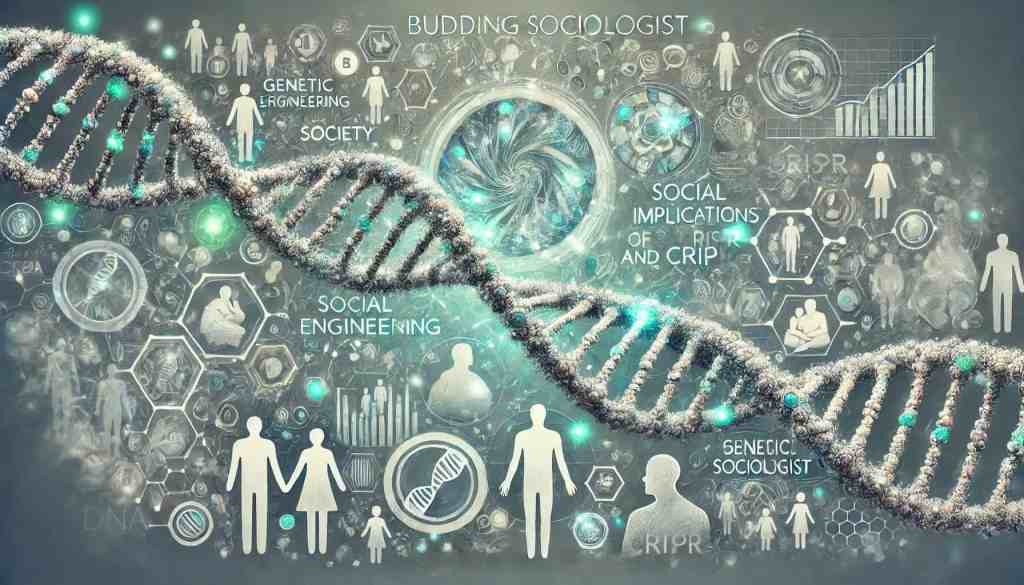
Genetic engineering and CRISPR (Clustered Regularly Interspaced Short Palindromic Repeats) have emerged as some of the most groundbreaking scientific advancements of the modern era. These technologies enable precise DNA modifications, offering promising solutions for genetic disorders, agricultural improvements, and even human enhancement. In the United States, the rapid progress of gene-editing tools has sparked extensive debate, as their applications intersect with medicine, ethics, law, and social equity.
CRISPR has transformed genetic research by making gene editing more accessible, efficient, and cost-effective. Scientists and biotech companies are actively exploring its potential to treat inherited diseases, combat antibiotic-resistant bacteria, enhance crop resilience, and even bring extinct species back to life. However, despite these advancements, genetic engineering raises profound ethical and societal questions. The ability to alter human DNA, for instance, presents dilemmas regarding genetic enhancements, privacy concerns, and the possible misuse of technology. Similarly, the genetic modification of plants and animals has led to discussions about food security, biodiversity, and corporate influence over biotechnology.
The societal impacts of genetic engineering in the U.S. extend beyond ethical debates. Economic disparities could widen if cutting-edge genetic treatments remain out of reach for lower-income populations, potentially creating a divide based on genetic privilege. Additionally, concerns about genetic discrimination in areas such as employment, insurance, and law enforcement persist, despite protective measures like the Genetic Information Nondiscrimination Act (GINA). Furthermore, the commercialization of gene-editing technologies has led to questions about corporate control, patent disputes, and the concentration of genetic resources in the hands of a few powerful biotechnology firms.
Cultural and religious diversity in the United States also plays a significant role in shaping public opinion on genetic modification. While some view CRISPR as a revolutionary tool for scientific and medical advancement, others believe it crosses ethical and moral boundaries. Public perception, influenced by media coverage, misinformation, and advocacy groups, has a direct impact on regulatory policies and research funding.
As gene-editing technologies continue to develop, the U.S. faces the challenge of balancing scientific innovation with ethical considerations and equitable access. The discussion surrounding genetic engineering is not merely a scientific one—it is deeply connected to issues of law, human rights, and social justice. This analysis will explore the broader implications of genetic engineering and CRISPR in the United States, examining their effects on healthcare, economics, ethics, and regulatory frameworks that will shape the future of this rapidly evolving field.
Medical and Healthcare Implications
The impact of genetic engineering and CRISPR technology on healthcare in the United States is profound, offering revolutionary possibilities for disease treatment, prevention, and human enhancement. However, these advancements also bring following ethical, social and regulatory challenges:
1. Transforming Genetic Disease Treatment: CRISPR technology has the potential to revolutionize how genetic disorders are treated by allowing precise alterations to faulty genes. Unlike conventional therapies that focus on managing symptoms, CRISPR targets the root cause of diseases such as cystic fibrosis, sickle cell anemia and muscular dystrophy. In the United States, ongoing clinical trials have shown promising results, particularly in treating blood disorders. If widely adopted, these advancements could greatly improve the quality of life for individuals with inherited conditions.
2. Advancing Cancer Therapies: CRISPR is playing a critical role in developing innovative cancer treatments, particularly in enhancing the body’s immune response. Scientists are using gene editing to modify T cells, enabling them to better recognize and destroy cancerous cells. This approach, being tested in U.S. clinical trials, has shown potential in treating leukemia and certain solid tumours. While these therapies could improve cancer survival rates, researchers continue to study potential side effects, such as unintended genetic mutations or immune system complications.
3. Ethical Concerns Surrounding Genetic Enhancements: The ability to modify human embryos using CRISPR has sparked intense ethical debates. While the technology is currently focused on preventing genetic diseases, it raises concerns about future applications for non-medical enhancements, such as intelligence, physical attributes, or athletic performance. Critics warn that this could lead to social inequalities, where only those who can afford genetic enhancements benefit. Additionally, unintended genetic changes could have long-term consequences that affect future generations.
4. Personalized Medicine and Precision Treatments: CRISPR is driving progress in personalized medicine by enabling treatments tailored to an individual’s unique genetic makeup. Scientists are researching its use in conditions such as neurodegenerative diseases, heart disease, and rare genetic disorders. This precision-based approach could lead to more effective and targeted therapies. However, high costs remain a challenge, as personalized gene-editing treatments may only be accessible to those with sufficient financial resources, potentially widening existing healthcare disparities.
5. Genetic Privacy and the Risk of Discrimination: As genetic testing becomes more common, concerns over privacy and potential discrimination are growing. Although the Genetic Information Non-discrimination Act (GINA) prohibits the use of genetic data in employment and health insurance decisions, it does not extend to life, disability, or long-term care insurance. With the increasing popularity of direct-to-consumer genetic testing services, individuals may face risks related to data security and unauthorized access to their genetic information. Stronger policies are needed to protect personal genetic data from misuse.
6. Combating Antibiotic Resistance with CRISPR: The rise of antibiotic-resistant bacteria is a major public health concern in the U.S., as infections become more difficult to treat. Scientists are exploring CRISPR as a tool to develop precision antibiotics that specifically target harmful bacteria while leaving beneficial microbes unaffected. This approach could transform infectious disease treatment, though further research and testing are necessary before it can be widely implemented.
7. Potential Applications in Neurodegenerative Disease Treatment: CRISPR is being explored as a possible treatment for conditions like Huntington’s disease, Alzheimer’s, and Parkinson’s, which currently have no cure. Researchers are studying how gene editing can correct the mutations responsible for these diseases. While initial studies are promising, challenges such as safely delivering CRISPR to the brain and preventing unintended genetic alterations must be addressed before these therapies can become widely available.
8. Financial Barriers and Inequality in Healthcare: Despite its potential, CRISPR-based treatments remain expensive, with some therapies costing millions of dollars per patient. The high cost raises concerns about equitable access, as many Americans may struggle to afford these cutting-edge treatments. The approval of CRISPR-based therapies, such as those for sickle cell disease, has reignited debates about affordability and insurance coverage. Without policies to make these treatments more accessible, advancements in genetic medicine could deepen existing healthcare inequalities.
9. Regulatory and Ethical Challenges: The rapid advancement of gene-editing technology has created challenges for regulatory agencies in the U.S. The Food and Drug Administration (FDA) oversees gene-editing therapies, but there is ongoing debate over how strictly they should be regulated. Some advocate for flexible policies to encourage innovation, while others stress the need for strong oversight to prevent ethical violations. The lack of clear regulations could lead to private biotech companies operating with minimal restrictions, increasing concerns about potential misuse.
10. Future Prospects in Disease Prevention and Human Enhancement: Looking ahead, CRISPR may not only treat diseases but also prevent them before they develop. Researchers are investigating ways to use gene editing to strengthen immune systems, improve resistance to infections, and even slow down aging. However, such possibilities raise ethical and social questions about the limits of human genetic modification. As CRISPR technology evolves, it is essential to balance scientific progress with ethical responsibility to ensure that genetic engineering benefits society as a whole.
Conclusion: CRISPR and genetic engineering are transforming medicine in the U.S., offering promising solutions for genetic disorders, cancer, and antibiotic resistance. However, these breakthroughs also introduce complex ethical, financial, and regulatory challenges. Moving forward, a collaborative effort between scientists, policymakers, and the public is necessary to ensure that gene-editing technologies are used responsibly and equitably. The future of CRISPR will depend not only on scientific advancements but also on careful regulation and ethical decision-making to maximize its benefits while minimizing risks.
Economic and Social Inequality in Genetic Engineering and CRISPR
The introduction of genetic engineering, particularly CRISPR, has the potential to reshape many aspects of society, from healthcare to agriculture. However, the distribution of these benefits is unlikely to be equal. In the United States, where income disparity and unequal access to healthcare are already major concerns, genetic engineering could further deepen existing socio-economic divides. The following explore how CRISPR may contribute to economic and social inequalities across different sectors:
1. Expensive Treatments and Limited Access: One of the main concerns surrounding CRISPR-based therapies is their high cost, which could make them accessible only to those with significant financial resources. Current gene-editing treatments for rare disorders already cost millions, and if similar pricing structures continue, life-saving interventions will remain out of reach for lower-income individuals. Without government policies to regulate costs or provide financial assistance, genetic healthcare advancements may only benefit the wealthy, widening the gap between socio-economic classes.
2. Growing Disparities in Healthcare Access: The U.S. already experiences healthcare inequalities, particularly among economically disadvantaged and minority populations. Conditions such as sickle cell anemia, which disproportionately impact African Americans, may have potential genetic treatments, but if affordability remains an issue, these communities will continue to face health disparities. If CRISPR-based solutions become a privilege of the wealthy, the divide in life expectancy and quality of life between different socio-economic groups will grow even further.
3. Ethical Concerns Over Human Enhancements: Beyond treating genetic diseases, CRISPR technology may allow for human enhancements, such as improving intelligence, athletic ability, or physical appearance. If such modifications become available for purchase, only affluent individuals may be able to afford them, creating a genetic elite with significant advantages in education, employment, and social status. This could lead to a society where biological advantages are inherited alongside wealth, reinforcing systemic inequalities and making upward mobility even more challenging for the unmodified population.
4. Potential Discrimination Against Those Without Genetic Modifications: As genetic enhancements become more common, individuals who remain unmodified—whether by choice or financial constraint—could face bias and discrimination in education and employment. Companies may favour genetically enhanced candidates for high-paying jobs, while universities might admit students with superior cognitive abilities obtained through gene-editing. This could result in a form of genetic classism, where people are judged based on their biological traits rather than their skills, efforts, or potential.
5. Corporate Control and Monopoly Over Genetic Technologies: The genetic engineering industry is dominated by large biotechnology corporations that patent CRISPR-related discoveries. These companies could control access to gene-editing treatments, determining who benefits from genetic advancements and at what cost. If profit motives take precedence over public health, life-changing therapies might remain exclusive to those who can afford them. Additionally, smaller biotech firms and independent researchers may struggle to compete, limiting innovation and keeping the technology in the hands of a few powerful entities.
6. Impact on Small Farmers and Agricultural Inequality: CRISPR is transforming agriculture by producing genetically modified crops that are more resistant to environmental stressors, pests, and diseases. While these innovations have the potential to improve food security, they could disadvantage small farmers who cannot afford genetically modified seeds, which are often patented and require costly licensing fees. Large agribusinesses, which already dominate the farming industry, may further consolidate power, making it harder for independent farmers to compete and sustain their livelihoods.
7. Threats to Traditional and Organic Farming: The widespread adoption of CRISPR-modified crops poses risks for organic and non-GM farmers. Cross-pollination between genetically edited plants and conventional crops could lead to unintentional genetic modifications, jeopardizing organic certifications and market opportunities for farmers who choose to grow non-GM products. Additionally, if agribusiness giants control seed patents, traditional farming methods may become economically unfeasible, forcing farmers to adopt genetic modifications even if they prefer conventional agriculture.
8. Workforce Disruptions Due to Genetic Engineering: Advancements in gene-editing may disrupt labour markets, particularly in industries reliant on healthcare and agriculture. For instance, if genetic disorders are significantly reduced through CRISPR-based treatments, healthcare jobs specializing in these conditions may become less necessary. Similarly, genetically enhanced crops that require fewer pesticides or fertilizers could diminish the need for farm labour. These shifts could lead to job losses and economic instability for workers whose skills become less valuable in a genetically optimized economy.
9. Ethical and Legal Issues Related to Eugenics: The history of eugenics in the U.S. raises concerns that CRISPR technology could be misused to reinforce social biases through genetic selection. If society begins to favour specific genetic traits over others, there may be pressure to modify embryos in ways that align with existing cultural or racial preferences. This could lead to the marginalization of certain groups, increasing social divisions and reviving past injustices under a new scientific guise. Addressing these ethical challenges will require strict regulations to prevent discrimination and ensure that genetic advancements do not reinforce existing prejudices.
10. Long-Term Societal Division Between the Genetically Enhanced and the Unmodified: If access to genetic enhancements remains restricted to the wealthy, society may eventually be divided into two distinct groups: those with genetic advantages and those without. This could impact job opportunities, education, healthcare access, and even social relationships, as genetic status becomes a determining factor in success and social mobility. Over time, this biological divide could become permanent, reinforcing inequality in a way that traditional economic policies alone cannot address.
Conclusion: While CRISPR technology has the potential to improve lives and eradicate genetic diseases, its benefits must be distributed fairly to prevent worsening social and economic inequalities. Policymakers must implement regulations to ensure affordable access to treatments, prevent corporate monopolies, and safeguard against genetic discrimination. Ethical guidelines should also be established to restrict non-therapeutic genetic enhancements and prevent a future where genetic privilege creates a new class divide. Without proper oversight, genetic engineering could become a tool that deepens existing social inequalities rather than reducing them.
Ethical and Religious Concerns
The development and application of genetic engineering, particularly CRISPR, raise profound ethical and religious concerns in the U.S. These concerns span debates about the sanctity of human life, the role of science in altering natural evolution, and fears of unintended societal consequences. Various religious groups, bioethicists, and policymakers have weighed in on these issues, leading to ongoing discussions about where to draw ethical boundaries:
1. Impact on Human Identity and Dignity: Genetic engineering, particularly CRISPR, challenges traditional understandings of human identity and dignity. Modifying DNA to enhance traits such as intelligence, strength, or appearance raises concerns about how society may perceive and treat individuals who remain unmodified. The ability to alter fundamental aspects of a person’s genetic makeup introduces questions about what defines humanity and whether these advancements could create unintended divisions between those with genetic enhancements and those without.
2. Concerns Over Genetic Enhancement vs. Medical Treatment: A key ethical debate revolves around distinguishing between medical necessity and enhancement. While genetic modifications to prevent hereditary diseases are widely supported, the prospect of selecting traits for personal or societal preference is controversial. If genetic enhancements become widespread, individuals might feel pressured to modify their children to ensure they remain competitive in society. This could lead to a shift in cultural expectations, making certain traits desirable while devaluing natural human diversity.
3. Religious Perspectives on Gene Editing: Different religious groups in the U.S. have varying views on genetic engineering. Many Christian denominations, including the Catholic Church, are opposed to altering human genetics, particularly when it involves embryos, as they believe it interferes with divine creation. Some Jewish and Islamic perspectives, however, support genetic modifications for the purpose of healing and alleviating suffering, as long as it does not violate ethical principles. These religious debates play a significant role in shaping public attitudes and policy decisions regarding gene-editing technology.
4. Potential for a New Form of Eugenics: The history of eugenics in the U.S. raises concerns about how genetic engineering could be used to eliminate perceived undesirable traits. In the past, forced sterilization programs targeted marginalized groups under the guise of improving society. The availability of CRISPR could unintentionally revive eugenic ideologies, leading to genetic modifications that favour certain traits while discriminating against others. This could create new forms of inequality and social stratification based on genetic makeup.
5. Economic Disparities and Genetic Privilege: As with many medical advancements, access to CRISPR technology could be influenced by economic factors. If genetic modifications remain expensive, only the wealthy may be able to afford enhancements, leading to an even greater divide between socio-economic classes. Those with access to genetic advantages may experience better health, intelligence, or physical abilities, while those without access could face new forms of discrimination. This raises ethical concerns about ensuring fair and equitable access to genetic treatments.
6. Military and Government Applications: There are concerns about how gene-editing might be used beyond medicine, particularly in military and defence applications. Some fear that CRISPR could be explored for creating soldiers with enhanced endurance, cognitive abilities, or resistance to disease. While such applications remain speculative, they raise serious ethical questions about the potential misuse of genetic technology in warfare and national security, as well as the risks of unintended consequences in human biology.
7. Effects on Future Generations: One of the most debated aspects of CRISPR is germline editing, which means genetic changes can be passed down to future generations. Unlike traditional medical treatments that affect only the individual, germline modifications alter the genetic code in ways that could have long-term, unpredictable effects. Since future generations cannot consent to these changes, ethical concerns arise about whether it is morally justifiable to make irreversible alterations that could affect human evolution.
8. Modifications in Agriculture and Animal Genetics: Genetic engineering is not limited to humans—it is also being used in agriculture and animal breeding. While genetically modified crops may improve food security and livestock modifications could enhance productivity, there are ethical concerns about the potential consequences of these changes. Some religious and environmental groups worry about the long-term ecological effects, the treatment of genetically modified animals, and whether altering nature for human benefit could have unforeseen risks.
9. Need for Stronger Ethical and Regulatory Oversight: The rapid advancement of genetic engineering technology has outpaced existing regulations. While agencies such as the FDA and NIH provide oversight, concerns remain about whether current laws are sufficient to prevent unethical applications. Without clear ethical guidelines, private companies and researchers could push the boundaries of genetic modification in ways that prioritize profits over responsible scientific progress. Striking a balance between innovation and ethical responsibility is a crucial challenge for policymakers.
10. Philosophical and Moral Considerations: At its core, genetic engineering forces society to confront deep philosophical questions. Should humans have the authority to alter life at a fundamental level? What are the long-term consequences of controlling evolution? While some argue that gene-editing offers a way to prevent suffering and improve lives, others caution against the potential dangers of altering natural human biology. As these technologies continue to develop, society must grapple with the ethical, religious, and existential questions that come with them.
Conclusion: In conclusion, CRISPR and genetic engineering present both groundbreaking possibilities and serious ethical challenges. While the potential to eliminate genetic diseases is promising, concerns about identity, inequality, and unintended consequences remain. A thoughtful, ethical approach will be essential to ensuring that genetic advancements benefit society without compromising fundamental moral and social values.
Legal and Regulatory Challenges of Genetic Engineering and CRISPR in the USA
Genetic engineering and CRISPR technology present significant legal and regulatory challenges in the United States. The rapid advancement of gene-editing capabilities has outpaced the current legal framework, creating uncertainties about safety, ethical boundaries, and intellectual property rights. The U.S. regulatory system, unlike in the European Union, has a more fragmented approach involving multiple agencies, each responsible for different aspects of genetic modification. Additionally, concerns regarding monopolization, biosecurity and international competition further complicate the legal landscape.
1. Fragmented Oversight Among Federal Agencies: The regulation of genetic engineering in the U.S. is managed by multiple agencies, creating inconsistencies and regulatory gaps. The Food and Drug Administration (FDA) is responsible for ensuring the safety and effectiveness of gene therapies for medical use, while the U.S. Department of Agriculture (USDA) monitors gene-edited crops. The Environmental Protection Agency (EPA) evaluates environmental risks, and the National Institutes of Health (NIH) sets research ethics and funding rules. However, since no single agency has comprehensive authority over CRISPR technology, coordination challenges and oversight loopholes persist.
2. Uncertainty Surrounding Human Germline Editing: While gene editing in somatic (non-reproductive) cells is generally accepted for treating diseases, altering germline cells—modifications that would be passed to future generations—remains controversial. Current federal policies prohibit the FDA from approving clinical trials for germline editing, and NIH funding cannot be used for such research. However, these restrictions do not extend to privately funded initiatives, raising concerns that research on inheritable genetic modifications could proceed without clear guidelines or oversight.
3. Patent Disputes and Intellectual Property Battles: The race to control CRISPR technology has led to legal disputes over patents, particularly between the Broad Institute of MIT and Harvard and the University of California, Berkeley. These conflicts influence which organizations can commercialize gene-editing treatments and potentially limit competition. If exclusive patents remain in the hands of a few biotechnology companies, access to CRISPR-based therapies could become restricted, costly, and slow to advance in public healthcare settings.
4. Concerns About Genetically Modified Humans: The potential to use CRISPR for non-medical enhancements, such as improving physical abilities or intelligence, raises ethical and legal challenges. While current regulations prohibit genetic enhancements, ongoing debates question whether parents should have the right to modify their children’s DNA. If gene-editing technology becomes available for cosmetic or performance-based modifications, it may create genetic class divisions, where only the wealthy can afford to enhance their offspring’s traits, leading to social inequalities and discrimination.
5. Genetic Privacy and Risks of Discrimination: Laws like the Genetic Information Non-discrimination Act (GINA) prevent employers and health insurance providers from using genetic data against individuals. However, these protections do not extend to life insurance, disability coverage, or educational opportunities, leaving gaps that could allow genetic discrimination in other areas. As gene-editing technologies become more widespread, policymakers may need to expand privacy and anti-discrimination laws to prevent potential misuse of genetic data.
6. Regulatory Challenges in Agriculture and Food Safety: CRISPR is transforming agriculture by producing disease-resistant crops, faster-growing livestock, and climate-adapted plants. However, U.S. regulations treat CRISPR-edited crops differently from traditional GMOs, since they often do not involve inserting foreign DNA. The USDA has taken a more lenient stance, allowing some gene-edited plants to bypass strict approval processes, raising concerns about long-term ecological consequences and labeling transparency for consumers.
7. Security Risks and Potential for Bioterrorism: The accessibility of CRISPR has raised concerns about biological threats and genetic weaponization. The ability to modify pathogens could lead to antibiotic-resistant bacteria or artificially enhanced viruses, creating risks for national security. The Department of Defense (DoD) and DARPA (Defense Advanced Research Projects Agency) have invested in monitoring and countering genetic threats. However, enforcing regulations on biohacking communities and international research is a growing challenge.
8. Lack of Global Standards and International Regulation: While the U.S. has imposed restrictions on germline editing, other nations have moved forward with human embryo modifications. For example, China’s case of genetically edited babies resistant to HIV sparked global ethical debates. Without internationally recognized legal frameworks, genetic tourism—where people travel to countries with more permissive gene-editing laws—could emerge, making it difficult to control the ethical and medical implications of genetic modifications worldwide.
9. Cost Barriers and Widening Healthcare Disparities: CRISPR-based treatments are expected to be extremely expensive, potentially limiting access to life-saving therapies for lower-income individuals. If these therapies remain unaffordable, healthcare inequalities may deepen, as wealthier populations gain access to advanced genetic treatments while others are left behind. Without insurance coverage and policies to ensure equitable access, gene-editing innovations could become a privilege for the wealthy rather than a broadly available medical breakthrough.
10. The Need for Updated Laws and Comprehensive Policies: The rapid evolution of CRISPR technology has outpaced U.S. regulatory policies, leading to gaps in ethical guidelines, corporate control, and security measures. Key legal questions remain unresolved, including whether germline editing should be allowed for medical purposes, how to regulate CRISPR patents fairly, and how to safeguard against genetic discrimination. Potential solutions include the creation of a single regulatory body for genetic engineering, stronger global agreements, and legal frameworks that ensure genetic advancements remain accessible and ethically governed.
Conclusion: The legal and regulatory landscape of CRISPR and genetic engineering in the U.S. remains complex and rapidly evolving. While these technologies hold great potential for medicine, agriculture, and biotechnology, they also raise significant ethical, legal, and social concerns. Stronger regulations, clearer ethical guidelines, and equitable access policies are necessary to ensure that gene-editing benefits society as a whole without creating new risks or widening existing inequalities.
Public Perception and Social Movements
Public perception of genetic engineering and CRISPR in the United States is complex, shaped by scientific advancements, ethical concerns, misinformation, and advocacy efforts. While some people view these technologies as revolutionary breakthroughs, others fear unintended consequences, corporate monopolization, and ethical dilemmas. Social movements, both in favour of and against genetic engineering, play a crucial role in shaping public discourse and policy decisions.
1. Diverse Public Views on Gene Editing: Americans have mixed opinions on genetic engineering and CRISPR technology. While many support its use for treating inherited diseases, there is hesitation when it comes to genetic enhancements for intelligence, appearance, or physical abilities. The division stems from ethical, social, and economic concerns, with some seeing CRISPR as a medical breakthrough and others viewing it as a potential threat to natural human diversity.
2. Media Influence and Misinformation: The way genetic engineering is portrayed in media plays a significant role in shaping public attitudes. Science fiction movies and dystopian novels often depict worst-case scenarios, leading to fears about genetic manipulation. Additionally, misinformation spreads rapidly through social media, causing confusion about the actual capabilities and risks of CRISPR. Misleading claims sometimes exaggerate the technology’s potential consequences, making it difficult for the public to separate fact from fiction.
3. Religious and Ethical Considerations: Ethical debates surrounding gene editing are particularly strong among religious communities. Many religious leaders and organizations argue that altering human DNA interferes with natural life processes and spiritual beliefs about creation. Others worry about the broader ethical implications, such as the possibility of selecting traits that could lead to a form of modern eugenics. These concerns contribute to the hesitation around approving genetic modifications, especially those that affect future generations.
4. Distrust in Government and Corporations: Many individuals remain skeptical about how genetic technologies are regulated and who controls them. Past ethical violations in medical research have contributed to public wariness, particularly among marginalized communities. Some fear that large biotech corporations may prioritize financial gain over public health, creating a system where only the wealthy can access genetic treatments. Additionally, concerns exist about government oversight and whether policies will protect people from potential misuse.
5. Privacy and Genetic Discrimination: With advances in genetic testing, questions about privacy and potential discrimination are becoming more relevant. Laws like the Genetic Information Non-discrimination Act (GINA) offer some protections, but gaps remain in areas such as life and disability insurance. There is a growing fear that genetic data could be used unfairly, affecting job opportunities, insurance premiums, and even social policies. As gene editing technology advances, these concerns will continue to influence public discussions and legal frameworks.
6. Community-Driven Science and Citizen Advocacy: In response to the rapid development of genetic engineering, grassroots movements have emerged to promote public involvement in scientific decisions. The “DIY Bio” movement, for example, encourages independent genetic research outside of corporate and government control. While this movement seeks to make genetic knowledge more accessible, it also raises concerns about unregulated experiments and the potential risks of uncontrolled genetic modifications.
7. Opposition to Genetically Modified Agriculture: Genetic modification is widely used in agriculture to improve crop resistance and increase yield. However, public skepticism toward genetically modified organisms (GMOs) has led to debates over food safety, environmental impact, and corporate influence in farming. Many advocacy groups push for clearer labeling and greater transparency regarding the use of CRISPR in food production, reflecting broader concerns about how genetic engineering affects everyday life.
8. Support for Scientific Advancements in Medicine: While some groups oppose genetic engineering, others strongly advocate for its development, especially in healthcare. Organizations promoting gene-editing research highlight its potential to treat genetic disorders, improve disease prevention, and personalize medicine. These advocates argue that overly strict regulations could slow progress and prevent life-saving treatments from reaching those in need. Additionally, some futurist movements see genetic modification as a way to enhance human abilities and extend lifespan.
9. Policy and Regulation Challenges: Public attitudes toward genetic engineering significantly shape government policies and regulations. Concerns about safety and ethics have influenced restrictions on human gene editing, particularly germline modifications that can be passed to future generations. Policymakers must navigate the challenge of fostering innovation while ensuring responsible use. Advocacy groups from both sides actively engage in discussions to shape the legal landscape of gene editing.
10. Need for Public Education and Ethical Oversight: As genetic engineering technologies continue to evolve, there is an increasing need for public awareness and ethical guidelines. Misinformation and misunderstandings contribute to resistance against scientific advancements, highlighting the importance of transparent communication from scientists and policymakers. Establishing clear ethical standards will be essential in ensuring that gene-editing benefits are distributed fairly and do not create further social inequalities.
Conclusion: Public attitudes toward genetic engineering and CRISPR are shaped by a mix of optimism, skepticism and ethical considerations. While many see the potential for medical breakthroughs, others fear social, economic, and ethical consequences. Advocacy groups, religious organizations, and scientific communities all play a role in shaping how gene-editing technologies are regulated and accepted. Moving forward, open discussions, clear ethical frameworks, and public education will be essential in guiding the responsible use of genetic engineering.
References and Readings
- National Institutes of Health (NIH). CRISPR and genome editing. U.S. Department of Health & Human Services. Retrieved from https://www.nih.gov
- U.S. Food and Drug Administration (FDA). Genome editing and regulatory considerations. Retrieved from https://www.fda.gov
- National Human Genome Research Institute (NHGRI). (n.d.). Ethical, legal and social implications (ELSI) research program. Retrieved from https://www.genome.gov
- Doudna, J. A., & Charpentier, E. (2014). The new frontier of genome engineering with CRISPR-Cas9. Science, 346(6213), 1258096. https://doi.org/10.1126/science.1258096
- The CRISPR Journal. CRISPR research and applications. Mary Ann Liebert, Inc. Retrieved from https://www.liebertpub.com/crispr
- Center for Genetics and Society. Ethical and social concerns of genetic engineering. Retrieved from https://www.geneticsandsociety.org
- National Academies of Sciences, Engineering, and Medicine. Human genome editing: Science, ethics, and governance. Retrieved from https://www.nationalacademies.org
- U.S. Equal Employment Opportunity Commission (EEOC). (2008). Genetic Information Nondiscrimination Act of 2008 (GINA). Retrieved from https://www.eeoc.gov/statutes/genetic-information-nondiscrimination-act-2008