- Introduction
- Disability Defined
- Types of Disability
- Causes of Disability
- Problems Being Faced by Differently Abled
- Measures to Cope Disability
Introduction
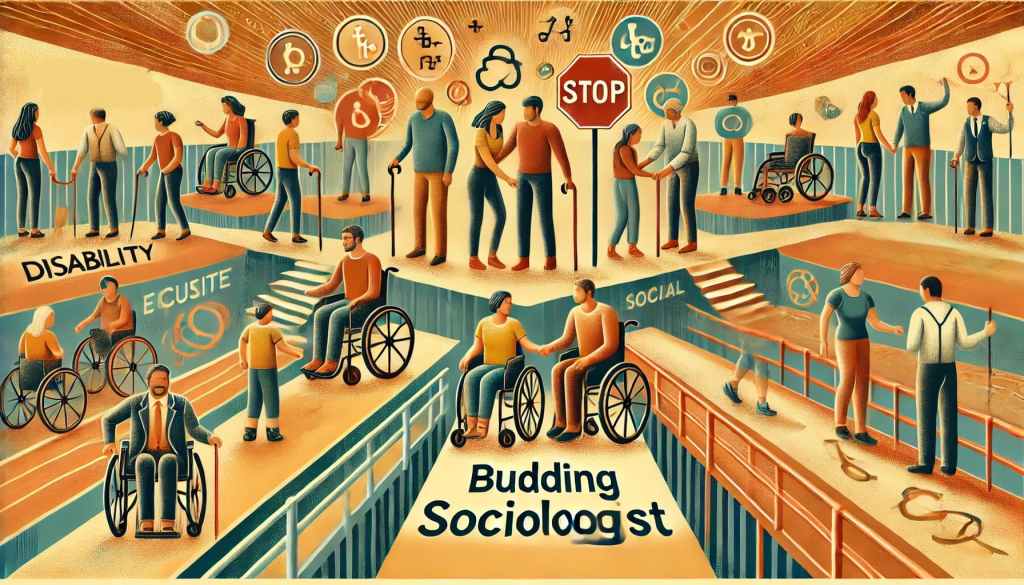
Individuals with disabilities encounter significant hurdles, marked by limitations in engaging fully in public life due to impairments. Impairment refers to a condition, whether physical or mental, that obstructs the normal functioning of a part of the body or brain, thereby affecting daily activities and overall well-being.
Regrettably, these individuals often find themselves marginalized within society, necessitating greater care, attention, and support compared to their non-disabled counterparts. Moreover, they may face heightened vulnerability to various illnesses, demanding specialized healthcare services like vaccinations and immune system support. Societal prejudices can significantly impact the self-esteem and body image of differently abled individuals, subjecting them to discrimination that undermines their self-worth and sense of belonging. Consequently, initiatives designed to bolster their self-esteem and cultivate a more inclusive and accepting societal environment become imperative.
Moreover, persons with disabilities often confront a narrower scope of wellness. This may stem from the compounded impacts of societal marginalization, economic hardship, and their susceptibility to specific health ailments such as pressure ulcers, nerve-related pain, and other skeletal disorders. It is crucial to address these disparities in healthcare and furnish them with requisite aid and resources to foster robust and rewarding livelihoods.
In India, the educational framework and governmental establishments have failed to adequately cater to the requirements of disabled individuals. There exists a pressing demand for improved provisions, including designated seating arrangements for disabled students within classrooms and examination venues. Furthermore, accessible transportation alternatives should be made accessible to persons with disabilities to augment their mobility and autonomy. Unfortunately, numerous government edifices, private offices, and other infrastructural facilities remain inaccessible to individuals with disabilities, thereby constraining their engagement in various spheres of life.
Maintaining mental well-being relies heavily on communication and interpersonal relationships, a challenge often heightened for individuals with physical disabilities who may feel uneasy in social interactions. The isolation stemming from a lack of social connections compounded by the stress of navigating physical and emotional hurdles exacerbates this sense of isolation. Society’s often pessimistic views towards those with physical disabilities can be disheartening, frequently underestimating their capabilities. Nevertheless, familial attitudes hold significant sway in shaping the self-perception and outlook of individuals with disabilities. When treated with understanding and inclusivity within their families, individuals with disabilities can cultivate positive self-images and adopt more optimistic perspectives on the world around them. Support and acceptance from family members thus serve as vital ingredients in enhancing their overall well-being and facilitating their integration into society.
Disability Defined
A disability refers to any physical or mental condition that presents challenges for individuals in carrying out specific tasks or engaging with their environment. These challenges can encompass various domains, including social and material interactions. Disabilities may manifest as cognitive, developmental, intellectual, mental, physical, sensory, or a combination thereof, and can either be congenital or acquired over one’s lifetime.
According to the United Nations Convention on the Rights of Persons with Disabilities, disability involves long-term impairments in physical, mental, intellectual, or sensory functions that, when combined with societal barriers, inhibit full and equal participation in society.
The term encompasses a wide range of conditions, such as congenital or acquired limb loss, progressive neurological disorders, chronic illnesses, cognitive limitations like memory loss or difficulty with calculations, and psychiatric disorders. Despite this diversity, there’s significant variability in the functional and experiential aspects among individuals labelled as “disabled.” Therefore, establishing a universal concept of disability based solely on social responses like stigma and exclusion proves challenging, as it fails to differentiate disability from other social categories such as race or gender.
Types of Disability
Different forms of disabilities encompass a range of physical and mental impairments that may hinder individuals in performing their daily tasks. These disabilities can be categorized as follows:
1. Physical Disabilities: Physical disabilities encompass a variety of conditions, such as physiological, functional, or mobility impairments. They may manifest as fluctuating or intermittent, chronic, progressive, or stable conditions, and can be either visible or invisible. These disabilities vary in terms of the degree of pain they entail, ranging from extreme to minimal or even none at all.
2. Visual Disabilities: When taking into account visual impairments, we can define “Legally Blind” as referring to an individual with 10% or less of normal vision. It’s noteworthy that only a minority, roughly 10%, of those with visual impairments are completely blind, while the majority, constituting around 90%, are categorized as having a “Visual Impairment.”
3. Hearing Disabilities: Hearing disabilities encompass a range of conditions. Deafness refers to individuals experiencing severe to profound hearing loss. Those who acquire hearing loss in adulthood are described as deafened. Deaf-blindness indicates individuals with both sight and hearing impairments. “Hard of hearing” pertains to individuals who rely on residual hearing and speech for communication.
4. Mental Health Disabilities: Various forms of mental health disabilities exist, akin to physical disabilities. Unlike many physical ailments, all mental illnesses are amenable to treatment. These conditions are typically categorized into six groups:
- Schizophrenia: This severe mental illness impacts approximately 1% of the Canadian population.
- Mood Disorders (Depression and Manic Depression): These conditions affect around 10% of individuals, with depression being the most prevalent mood disorder.
- Anxiety Disorders: Approximately 12% of Canadians are affected by anxiety disorders, encompassing phobias, panic disorder, and obsessive-compulsive disorder.
- Eating Disorders: Anorexia nervosa and bulimia are prevalent in individuals under 30, occurring in both men and women.
- Personality Disorders: Characterized by difficulties in interpersonal relationships, these disorders encompass a range of conditions and are among the most challenging to address.
- Organic Brain Disorders: Affecting about 1% of the population, these disorders stem from physical brain diseases or injuries, such as Alzheimer’s, stroke, and dementia.
5. Intellectual Disabilities: Described as having intellectual development and capabilities markedly lower than average, this condition entails a lasting restriction in an individual’s capacity to acquire knowledge. It encompasses any factors that hinder brain development before, during, or shortly after birth.
6. Learning Disabilities: A learning disability refers to a distinct and enduring condition within an individual’s central nervous system that hampers the learning process. It disrupts the capacity to either comprehend visual and auditory stimuli or to connect information across various brain regions, ultimately manifesting in observable levels of achievement. It’s important to note that having a learning disability doesn’t imply an inability to learn; rather, it signifies a unique learning style.
Causes of Disability
Certain individuals experience disabilities from birth, while others develop them gradually over time, and some may acquire disabilities suddenly due to accidents or illnesses. Preventing all impairments is not feasible. Some fetuses develop differently in the womb, and the reasons behind this phenomenon remain unknown. Adequate nutrition, avoidance of exposure to toxic substances in the workplace, and access to quality healthcare, including during childbirth, could potentially prevent numerous disabilities. However, many disabilities in infants stem from adverse circumstances. Here are some of the factors contributing to disabilities:
1. Poverty and Malnutrition: Poverty stands as a significant contributor to disability. Individuals grappling with poverty face heightened susceptibility to disability due to their circumstances, often compelled to inhabit and labour in hazardous settings characterized by inadequate sanitation, cramped living quarters, and limited access to education, clean water, and sufficient nutrition. Consequently, afflictions like tuberculosis (TB) and polio, along with the profound disabilities they induce, proliferate more readily as diseases spread more effortlessly among this demographic.
2. War: Currently, conflicts claim more civilian lives than those of soldiers, with a disproportionate number being women and children. Explosive devices and landmines inflict severe physical injuries such as deafness, blindness, and limb loss, while also exacerbating mental health issues due to the trauma. The devastation wrought by wars, including the destruction of homes, schools, healthcare facilities, and livelihoods, further compounds the impact, resulting in heightened levels of disability, poverty, and illness within affected communities.
3. Nuclear Accidents: Numerous individuals have endured significant harm following exposure to high levels of radiation. Such instances occurred during catastrophic events at nuclear power plants, notably at Three Mile Island in the USA in 1979. Additionally, similar consequences befell those impacted by the deployment of nuclear bombs on Japan in 1945. These incidents resulted in extensive devastation and loss of life due to radiation exposure. Survivors continue to grapple with enduring effects, leading to permanent disabilities.
4. Poor Access to Health Care: Adequate healthcare plays a crucial role in averting numerous disabilities. The challenges of labour and delivery may lead to conditions like cerebral palsy in new-borns. Immunization also stands as a preventive measure against various disabilities. However, accessibility issues arise at times: vaccines might not be readily accessible, individuals facing financial constraints or residing in remote areas may struggle to afford them, or there may be insufficient supply to meet demand.
5. Illness: Certain diseases have the potential to impact both the physical health of a pregnant woman and her baby upon birth. Among these, German measles (rubella) stands out as a significant contributor to conditions like deafness in new borns. While a vaccine exists to safeguard against rubella, it’s advised that women who receive the vaccination refrain from getting pregnant for at least one month afterward. Additionally, illnesses such as syphilis, herpes, HIV, meningitis, polio, and measles can also be transmitted from mother to child, potentially leading to birth defects.
6. Medicines and Injections: Improper usage of certain medications and injections globally leads to disabilities. Annually, millions of individuals, particularly children, suffer from sickness, fatalities, or disabilities due to these avoidable mishaps. Utilizing unsterile needles or syringes for injections is a prevalent source of infections, potentially resulting in conditions like HIV/AIDS or hepatitis. Additionally, disabilities of diverse forms can arise from the consumption of certain medications during pregnancy or their excessive use.
7. Unsafe Working Conditions: Employees who endure extended shifts in factories, mines, or agricultural fields without adequate breaks face a heightened risk of accidents and exposure to hazardous equipment, tools, or chemicals. Such incidents, coupled with overexertion and chemical exposure, often result in disabilities. Essentially, unsafe work environments contribute to diverse forms of disability.
8. Accidents: Numerous instances occur where women and children sustain debilitating injuries within their households, often due to burns caused by cooking fires, falls, road accidents, or exposure to toxic substances. Additionally, workplace incidents, particularly prevalent in sectors with lower regulatory oversight like construction, agriculture, mining, and smaller enterprises, frequently result in disabilities.
9. Poisons and Pesticides: Toxic substances present in paints, pesticides like rodenticides, and various chemicals have the potential to induce disabilities in individuals and lead to birth abnormalities in developing fetuses. Additionally, engaging in smoking or tobacco consumption, inhaling secondhand smoke, and alcohol intake during pregnancy can adversely affect fetal development. Industrial accidents may result in the release of hazardous pollutants into the atmosphere, waterways, or soil, posing significant health risks and potentially causing permanent disabilities.
10. Inherited Disabilities: Certain disabilities have a hereditary component, increasing the likelihood of recurrence within families. For instance, women who have previously borne children with inherited disabilities face a heightened risk of having another child with similar challenges. Additionally, consanguineous relationships, such as between siblings, first cousins, or parents and children, can also contribute to the manifestation of certain disabilities. Advanced maternal age, particularly over 40, is associated with an increased incidence of Down syndrome in newborns. Nonetheless, it’s crucial to note that the majority of disabilities are not inherited. Parents should not be held accountable for disabilities their child may have, as most disabilities occur spontaneously without any direct causation by parental actions. Blame should never be attributed to parents in such circumstances.
Problems Being Faced by Differently Abled
In the course of our everyday experiences, we encounter a multitude of obstacles that test the boundaries of our humanity. Confronting these challenges head-on and emerging victorious showcases the pinnacle of human potential. As Scott Hamilton aptly noted, “The only disability in life is a bad attitude.” Such a mindset is indispensable for anyone seeking fulfilment and joy, achievable through maintaining a positive outlook. Here are several examples of hurdles and adversities confronted by individuals with diverse abilities, who persistently navigate and enhance the quality of their lives:
1. Accessibility: Navigating through the world, individuals with physical disabilities often encounter numerous hurdles that significantly impact their daily lives. Many rely on wheelchairs or crutches for mobility, yet public spaces frequently lack accommodations tailored to their needs. Ramps are scarce, and hallways are often too narrow for comfortable passage. However, recent governmental interventions aim to rectify this by ensuring that all facilities become accessible to those with disabilities.
2. Education: Education is an inherent entitlement for every individual. Sadly, many children with disabilities are excluded from schooling, denying them fundamental education and hindering their ability to live on par with their peers. Addressing this challenge, numerous educational establishments have emerged, dedicated to catering to the specific needs of these children. Through specialized approaches like teaching Braille and utilizing adaptive technology, these institutions empower disabled children to live more fulfilling lives.
3. Access to Healthcare: In a nation comprising 1.3 billion individuals, the healthcare system is severely strained. Access to adequate healthcare is a luxury for many impoverished citizens, with those with disabilities bearing the brunt of the shortcomings. Regrettably, instances of mistreatment towards individuals with disabilities by healthcare professionals are not uncommon. Addressing this issue necessitates heightened awareness and a compassionate approach.
4. Myths and Stereotypes: In recent decades, specific segments of the Indian populace have experienced economic growth, accompanied by social advancement and overall progress. However, despite these strides, there remains a faction of society entrenched in traditional beliefs. Upon engaging with individuals with disabilities, it becomes apparent that they often fall prey to misconceptions stemming from ignorance and a lack of empathy toward their circumstances.
5. Feeling of Being Ignored: People with disabilities are frequently overlooked in social interactions with able-bodied individuals. This mindset often hinders us from engaging and communicating with them. To break down these barriers, it’s crucial to raise awareness and foster inclusivity.
6. Lack of Employment: Citizens’ employability hinges on their educational background and acquired skills. Those lacking access to basic education inevitably lag behind other job candidates. To address this, the government has implemented programs ensuring employment opportunities for individuals with disabilities.
7. Feeling of Being Incompetent: Individuals with disabilities often require additional time to complete tasks compared to their able-bodied counterparts. Barriers imposed by their disabilities hinder their ability to perform basic activities easily, leading to feelings of frustration, sadness, and resentment as they perceive themselves as slowing down their peers.
8. Teased and Abused: Individuals frequently engage in teasing and criticizing those with disabilities, with some seeing it as a way to assert their superiority. Consequently, individuals with disabilities often become targets of such hurtful and demeaning behaviour.
9. Relationships: Humans possess complexity and tend to evaluate others based on various criteria, sometimes applicable and sometimes not. These biases serve as the foundation for mistrust and miscommunication. Many individuals with disabilities desire companionship, yet often experience feelings of sadness and isolation as they seek life partners.
Based on the aforementioned details, it is evident that addressing these concerns requires a combination of empathy and perseverance. Providing employment opportunities tailored to individuals with disabilities can empower them economically and enhance their overall contentment. Additionally, enhancing accessibility in our environments and designing homes with their comfort in mind are crucial steps towards inclusivity and accommodation.
Measures to Cope Disability
Considering the information provided above, the following strategies can be employed to address various forms of disability:
1. Consider them as an Important Part of Society: Recognizing the importance of disabled individuals within our communities is a mark of progress. Despite being a minority in terms of population, they deserve access to comprehensive facilities and resources to ensure they never feel marginalized and are valued as respected members of society.
2. Employment Opportunities: People with disabilities possess ambition and a strong desire to work, yet they often face significant challenges in securing employment opportunities. Despite their qualifications, they continue to encounter discrimination and may even be denied job offers during the final stages of interviews. It is imperative to shift societal attitudes and embrace inclusivity with open arms, recognizing the valuable contributions that individuals with disabilities can make in the workforce.
3. Political Representation: Politics is a critical instrument for driving change. It’s imperative to ensure that individuals with disabilities have adequate representation across all political levels, including local, state, and national levels.
4. Incorporating Disability History into Academic Curricula: It is imperative to integrate disability history with a preventative approach into educational curricula, particularly at the primary and middle school levels. By studying historical instances, students can glean valuable lessons to actively work towards preventing similar disabilities in the future.
5. Social Inclusion in Educational Institutions: We must shift our mindset and cultural awareness regarding how we approach and engage with disability. This transformation needs to begin early on, ideally at the elementary level. By instilling these values from a young age, we can reduce discrimination and foster greater social inclusion.
6. Inclusion in Mainstream Media: It’s essential to include more actors with disabilities portraying characters who share their experiences. Media has the power to shift perspectives, shedding light on the challenges faced by individuals with disabilities. Seeing themselves represented authentically on screen can bolster the self-esteem of disabled individuals. Mainstream media should embrace disability as a facet of the human experience rather than a flaw or imperfection, striving to depict diversity more accurately.
7. Scholarships: Scholarships should be extended to individuals with disabilities across various educational levels, allowing them to pursue studies at their preferred institutions. Rather than viewing disability as a hindrance, these institutions should see it as a source of inspiration, recognizing the determination and resilience demonstrated by these students in overcoming challenges.
8. Consider Disabled People as Normal: People with disabilities deserve to be recognized as equals, as their condition is not of their own making. They are individuals with aspirations, abilities, emotions, and experiences akin to everyone else, and they contribute valuable assets to society.
Based on the aforementioned details, it becomes apparent that society often views disability as a social stigma, necessitating improvement. Disability is not just about physical impairments; it also encompasses challenges in societal perceptions and attitudes. These perceptions can hinder individuals from asserting themselves independently. Key factors such as funding, education, and the support of families and friends significantly influence the pace of progress for people with disabilities. However, in environments where they receive adequate support, individuals with disabilities have demonstrated remarkable resilience and have excelled, achieving significant milestones within society.