- Introduction
- Historical Evolution of the Anti-Vaccine Movement
- Key Drivers of the Anti-Vaccine Movement
- Public Health Consequences of the Anti-Vaccine Movement
- Policy Responses and Strategies to Address the Anti-Vaccine Movement
Introduction
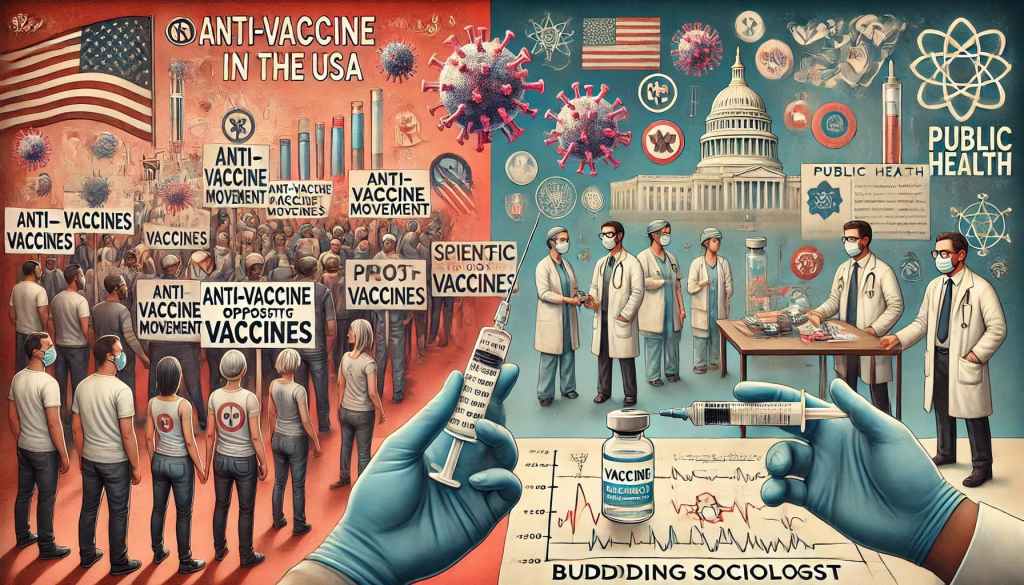
Vaccination has been one of the most effective public health interventions, significantly reducing illness and death from infectious diseases. In the United States, immunization efforts have helped control and even eliminate diseases like polio, measles, and smallpox. Despite strong scientific evidence confirming the safety and effectiveness of vaccines, a growing segment of the population remains hesitant or strongly opposed to them. This resistance, known as the anti-vaccine movement, has expanded in recent years, fueled by misinformation, distrust in authorities, and concerns about vaccine safety. As a result, vaccine-preventable diseases have re-emerged, posing a serious challenge to public health.
The roots of vaccine skepticism in the U.S. date back to the 19th century, but the movement has gained significant momentum in the digital age. The internet and social media have accelerated the spread of false claims about vaccines, leading to confusion and fear. A major turning point occurred in 1998 when a now-retracted study falsely suggested a link between the MMR (measles, mumps, and rubella) vaccine and autism. Although extensive research has since disproven this claim, the misinformation continues to influence vaccine-hesitant individuals and strengthen anti-vaccine rhetoric.
Declining vaccination rates in certain communities have resulted in the resurgence of preventable diseases. The U.S. has experienced multiple outbreaks of measles in recent years, particularly in areas where vaccine refusal is more common. The COVID-19 pandemic further demonstrated the risks of vaccine hesitancy, as misinformation about COVID-19 vaccines led to lower immunization rates, higher transmission, and increased hospitalizations.
Addressing the anti-vaccine movement requires a multifaceted approach, including public education, stronger health policies, and efforts to rebuild trust in science and medical institutions. This paper examines the historical background, key factors driving vaccine hesitancy, its effects on public health, and strategies to counteract misinformation and increase vaccine acceptance.
Historical Evolution of the Anti-Vaccine Movement
Vaccine opposition in the United States has a long and complex history, influenced by religious beliefs, concerns over personal liberties, and fears about vaccine safety. While the current wave of vaccine skepticism is largely fueled by misinformation on social media, historical patterns of resistance have persisted for centuries. Following are the key moments that have shaped the anti-vaccine movement in the U.S.:
1. Initial Opposition to Vaccination (18th–19th Century): The introduction of vaccination in the U.S. began in the late 1700s with the smallpox vaccine developed by Edward Jenner. Despite its effectiveness in preventing disease, vaccination faced significant resistance. Some religious groups believed that interfering with disease prevention was an act against divine will, arguing that illnesses were part of a natural order.
Early vaccination methods, such as variolation, involved exposing individuals to material from smallpox sores to stimulate immunity. Although this method was often successful, it carried risks, leading to widespread fear and skepticism. As vaccination became more common, some state governments introduced mandates to control outbreaks, which sparked strong opposition from those who viewed such policies as an infringement on personal freedoms. By the late 19th century, organizations like the Anti-Vaccination Society of America were established to challenge vaccine mandates and promote individual choice in medical decisions.
2. Legal Challenges and Growing Distrust (Early 20th Century): As public health authorities increased efforts to enforce vaccination, legal battles arose. A landmark case, Jacobson v. Massachusetts (1905), set a precedent for state-mandated vaccinations. The U.S. Supreme Court ruled that states had the right to enforce vaccinations to protect public health, even if it meant limiting personal freedoms. Despite this ruling, opposition continued, with many people questioning the safety and necessity of vaccines. Some parents refused vaccinations for their children due to fears of adverse effects. While vaccine science improved significantly during this time, skepticism remained, particularly as newer vaccines, such as those for polio and pertussis (whooping cough), were introduced.
3. Vaccine Safety Concerns and Media Influence (1970s–1980s): During the 1970s and 1980s, concerns over vaccine safety gained prominence, particularly surrounding the diphtheria, tetanus, and pertussis (DTP) vaccine. Reports of potential neurological side effects raised alarms among parents, despite a lack of strong scientific evidence confirming these claims. Media coverage intensified fears, leading to increased vaccine hesitancy.
In response, advocacy groups like Dissatisfied Parents Together (DPT), later renamed the National Vaccine Information Center (NVIC), emerged as a leading voice in vaccine skepticism. The group lobbied for parental rights in vaccine decision-making and argued that vaccines carried unacknowledged risks. Recognizing public concerns, the U.S. government passed the National Childhood Vaccine Injury Act (NCVIA) of 1986, which established a system to compensate individuals who experienced rare vaccine-related injuries. While this initiative was meant to reassure the public, some interpreted it as an admission that vaccines were unsafe, reinforcing fears rather than alleviating them.
4. The Autism-Vaccine Controversy (1990s–2000s): One of the most influential and damaging events in modern vaccine skepticism was the 1998 publication of a study by British doctor Andrew Wakefield, which falsely claimed that the measles, mumps, and rubella (MMR) vaccine was linked to autism. Though the study was later discredited and retracted, it had a lasting impact, fueling fears among parents who became hesitant to vaccinate their children.
The vaccine-autism myth gained further traction due to high-profile endorsements from celebrities like Jenny McCarthy, who advocated against childhood vaccinations. Television appearances, books, and online forums amplified the misinformation, making it difficult for public health officials to counter false claims. As a result, vaccination rates declined in certain communities, leading to outbreaks of preventable diseases. In particular, measles outbreaks in 2008 and 2014 were directly linked to unvaccinated populations. Despite repeated studies debunking the MMR-autism link, many parents continued to believe in the myth, illustrating the power of misinformation in shaping public opinion.
5. Social Media and the Spread of Misinformation (2010s–Present): The rise of social media drastically changed the way vaccine misinformation spread. Platforms like Facebook, YouTube, and Twitter allowed anti-vaccine content to reach millions, often without regulation. Claims that vaccines contained harmful chemicals, altered DNA, or were part of government control efforts became widely circulated, fueling distrust in public health institutions. The impact of vaccine misinformation was evident in 2019, when the U.S. saw the highest number of measles cases in decades. The outbreak was traced to communities with declining vaccination rates, where social media had played a significant role in spreading false claims.
In response, social media companies implemented measures to flag or remove misleading vaccine-related content. However, anti-vaccine groups adapted by using encrypted messaging services and private forums to continue spreading their messages. Despite efforts by health organizations to provide accurate information, mistrust in vaccines remains high among certain segments of the population.
6. COVID-19 and Vaccine Polarization (2020s–Present): The COVID-19 pandemic further intensified the vaccine debate. The rapid development and approval of mRNA vaccines, such as those from Pfizer-BioNTech and Moderna, led to widespread skepticism. Many people questioned the speed of vaccine trials, while others believed misinformation claiming that the vaccines altered DNA or contained tracking devices. The politicization of COVID-19 vaccines also played a significant role in shaping public attitudes. Some political groups framed vaccine mandates as government overreach, leading to protests and legal battles over public health policies. As a result, vaccine acceptance became deeply divided along ideological lines, with some populations showing higher resistance to immunization efforts.
The consequences of vaccine hesitancy during the pandemic were severe. Areas with lower vaccination rates experienced higher hospitalization and death rates due to COVID-19, highlighting the real-world impact of misinformation and distrust in vaccines. Despite continued efforts by public health officials to promote vaccine safety and efficacy, skepticism remains a major challenge in achieving widespread immunity.
Conclusion: The anti-vaccine movement in the U.S. has evolved over centuries, influenced by scientific concerns, legal battles, political ideologies, and misinformation. While vaccines have successfully controlled and eradicated many deadly diseases, resistance to immunization persists due to fears about safety, government intervention, and personal liberties. Addressing vaccine hesitancy requires a comprehensive approach that includes accurate public health messaging, stronger policies, and efforts to combat misinformation at both local and national levels.
Key Drivers of the Anti-Vaccine Movement
The rise of vaccine hesitancy in the United States is the result of multiple interwoven factors, including misinformation, distrust in medical and governmental institutions, personal beliefs, and political divisions. While vaccines have been scientifically proven to be safe and effective in preventing disease, skepticism persists due to widespread false narratives and ideological influences. Understanding following key drivers is crucial for addressing vaccine resistance and improving public health outcomes:
1. Spread of Misinformation and Social Media Influence: A major contributor to vaccine skepticism is the rapid spread of misinformation, particularly on social media. Platforms such as Facebook, YouTube, TikTok, and X (formerly Twitter) amplify misleading claims, allowing them to reach millions of people within minutes. Algorithms designed to increase engagement often prioritize sensational or controversial content, giving vaccine-related myths a wider audience than scientific facts. False claims, such as vaccines causing autism, containing tracking devices, or altering human DNA, persist despite being repeatedly debunked by experts. Additionally, conspiracy theories alleging that vaccines are tools for population control or government surveillance have gained traction, further undermining public trust. The repeated exposure to these narratives creates a perception that they hold some truth, making it more challenging to counteract them with evidence-based information.
2. Lack of Trust in Government, Healthcare Institutions and the Pharmaceutical Industry: Vaccine hesitancy is often fueled by a deep-rooted suspicion of government agencies, healthcare organizations, and pharmaceutical companies. Historical incidents, such as unethical medical experiments like the Tuskegee Syphilis Study, have left lasting scars and contributed to skepticism, particularly among marginalized communities. Additionally, the profit-driven nature of the pharmaceutical industry has led many to question whether vaccines are promoted for public health benefits or corporate financial gain. Scandals involving the aggressive marketing of opioids and other pharmaceutical products have further eroded trust in major drug manufacturers. Some individuals believe that government regulatory agencies, such as the Centers for Disease Control and Prevention (CDC) and the Food and Drug Administration (FDA), are overly influenced by pharmaceutical companies, leading them to doubt the safety and necessity of vaccines.
3. Religious and Philosophical Objections: For some individuals and communities, vaccine refusal is based on religious or philosophical beliefs. Certain religious groups reject vaccines on the grounds that medical intervention conflicts with their faith, believing that divine power alone should protect against illness. Others object to the use of fetal cell lines derived from past abortions in the development of certain vaccines, even though these cells are not present in the final product. In addition, many vaccine-hesitant individuals emphasize personal autonomy, arguing that individuals and parents—not the government—should have the authority to make healthcare decisions for themselves and their children. The belief in bodily autonomy has fueled resistance to vaccine mandates, especially when they are perceived as an infringement on personal freedoms.
4. Fears About Vaccine Safety and Side Effects: Concerns over vaccine safety are among the most common reasons people hesitate or refuse to get vaccinated. While vaccines undergo rigorous testing and monitoring, fear of side effects persists. Although most vaccine reactions are mild—such as temporary soreness or fever—rare cases of serious side effects receive disproportionate attention. One of the most enduring myths is the false claim that vaccines cause autism, a belief that originated from a now-debunked study published in 1998. Despite overwhelming scientific evidence disproving this claim, the fear remains widespread, particularly among parents. Additionally, personal testimonies of alleged vaccine injuries, even if unverified, tend to be more emotionally compelling than statistical data demonstrating vaccine safety. This psychological phenomenon leads some individuals to place greater trust in anecdotal experiences rather than scientific studies.
5. Political Polarization and Ideological Divides: Vaccination has become a politically charged issue in the United States, with attitudes toward vaccines often aligning with political beliefs. During the COVID-19 pandemic, vaccine acceptance and resistance were closely tied to party affiliation, with conservatives more likely to oppose vaccine mandates due to concerns about government overreach. Conversely, liberal-leaning individuals generally showed higher levels of trust in public health recommendations. Mixed messaging from political leaders, coupled with sensationalized media coverage, has further deepened divisions. As a result, vaccines have become a symbol of broader ideological conflicts rather than a straightforward public health measure, making it more difficult to promote vaccination across different political groups.
6. Alternative Medicine and Holistic Health Movements: The increasing popularity of alternative medicine and holistic health practices has contributed to vaccine hesitancy. Many proponents of natural health believe that the human body can build immunity without medical intervention, leading them to reject vaccines in favour of alternative remedies. Some influencers in the wellness industry promote detox regimens, herbal supplements, and other unproven treatments as superior to vaccines, often profiting from fear-based marketing. Additionally, vaccine skepticism frequently intersects with broader anti-establishment ideologies, such as opposition to mainstream medicine, skepticism of modern technology, and distrust of government regulations. These beliefs create an environment where misinformation about vaccines flourishes, further discouraging vaccination.
7. The Role of Celebrities and Social Media Influencers: Public figures, celebrities, and online influencers have played a major role in amplifying vaccine skepticism. When individuals with large followings share doubts about vaccines, their messages can reach millions and influence public opinion, even when those claims lack scientific basis. For example, high-profile figures who have promoted the false link between vaccines and autism have significantly contributed to parental hesitancy. Unlike healthcare professionals, who communicate through research and scientific data, celebrities and social media influencers engage directly with audiences in a personal and persuasive way. Because people tend to trust figures they admire, misinformation from these sources can be particularly damaging.
8. Barriers to Vaccine Access and Economic Inequality: While much of the vaccine hesitancy debate focuses on ideology, practical barriers also play a role. In some communities, particularly rural areas, people face logistical challenges such as long travel distances to vaccination sites or a lack of nearby healthcare facilities. Additionally, lower-income populations may struggle with time constraints, as missing work to get vaccinated is not always a feasible option. Even though COVID-19 vaccines were initially provided for free, concerns about future costs deter some individuals from seeking vaccines. Misinformation disproportionately affects marginalized groups with limited healthcare access, reinforcing vaccine hesitancy. Addressing these challenges requires not only educational efforts but also improvements in healthcare infrastructure and accessibility.
9. Psychological Biases and Risk Perception: Human psychology significantly influences vaccine decision-making. Many individuals have difficulty accurately assessing risk, leading them to overestimate the potential harm of vaccines while underestimating the dangers of vaccine-preventable diseases. This cognitive bias, known as optimism bias, causes people to believe they are personally at low risk of contracting serious illnesses and therefore do not need vaccination. Additionally, fear-based narratives tend to be more emotionally impactful than statistical data, making vaccine-related myths harder to dispel. Because misinformation often presents simple, emotionally charged explanations, it is more persuasive than complex scientific reasoning.
10. Generational and Cultural Perspectives on Vaccination: Attitudes toward vaccines vary across generations and cultural backgrounds. Older generations, who lived through outbreaks of diseases such as polio and measles, are more likely to trust vaccines, having witnessed their effectiveness firsthand. In contrast, younger generations, who have benefited from decades of disease control, may not perceive these illnesses as serious threats, leading to complacency. Cultural factors also play a role, with certain communities displaying lower vaccine uptake due to historical experiences with medical discrimination or differing health philosophies. Public health strategies must consider these cultural differences to build trust and increase vaccine acceptance.
Conclusion: The persistence of vaccine hesitancy in the United States is driven by a combination of misinformation, historical distrust, personal and religious beliefs, political divisions, and systemic barriers. Addressing this issue requires a multifaceted approach, including combating misinformation, fostering trust in medical institutions and improving healthcare accessibility. Without these efforts, declining vaccination rates could lead to the resurgence of preventable diseases, posing a serious threat to public health.
Public Health Consequences of the Anti-Vaccine Movement
The anti-vaccine movement has had a profound impact on public health in the U.S., reversing decades of progress in disease prevention. While vaccines have successfully reduced or eradicated many infectious diseases, growing hesitancy toward immunization has led to increased outbreaks, higher healthcare costs, and declining trust in medical institutions. The following are the major public health consequences of vaccine refusal:
1. Reappearance of Preventable Diseases: A significant outcome of vaccine resistance is the resurgence of infectious diseases that had been nearly eliminated. Measles, for example, was declared eradicated in the U.S. in 2000 due to widespread vaccination. However, outbreaks have re-emerged in communities with low immunization rates, with over 1,200 cases reported in 2019. Similarly, pertussis (whooping cough) has seen periodic spikes, putting newborns at risk of severe respiratory complications. The rising incidence of mumps on college campuses further demonstrates how gaps in vaccination coverage allow diseases to resurface. Without broad immunization, these illnesses can spread rapidly, leading to unnecessary health crises.
2. Weakening of Herd Immunity: Herd immunity protects vulnerable individuals, such as infants, seniors, and those with weakened immune systems, by preventing the widespread transmission of infectious diseases. When a large percentage of the population is vaccinated, the likelihood of outbreaks decreases significantly. However, as more people refuse immunization, the protective effect of herd immunity diminishes. For example, maintaining herd immunity for measles requires about 95% vaccine coverage. In communities with declining vaccination rates, the risk of disease outbreaks increases, endangering those who rely on community-wide immunity for protection.
3. Increased Strain on the Healthcare System: A rise in vaccine-preventable diseases results in greater pressure on healthcare facilities, leading to increased hospital admissions, higher medical costs, and resource allocation challenges. Treating measles or other preventable diseases requires extensive medical care, from hospitalization to outbreak containment measures. In 2019, a single measles outbreak in New York cost millions in public health interventions, including contact tracing and quarantine enforcement. Additionally, hospitals overwhelmed by vaccine-preventable illnesses must divert resources away from other critical medical needs, impacting overall patient care.
4. Higher Rates of Severe Illness and Death: Refusing vaccines increases the likelihood of severe complications, long-term health issues, and fatalities. Measles, for instance, can cause pneumonia, brain inflammation, and immune system suppression. Pertussis can be fatal for infants who are too young to be vaccinated. The COVID-19 pandemic further highlighted the dangers of vaccine hesitancy, as unvaccinated individuals experienced significantly higher hospitalization and mortality rates. Pregnant women who avoid vaccines, such as those for influenza or Tdap, put both themselves and their unborn children at risk of serious health complications.
5. Erosion of Public Trust in Medical Science: Misinformation surrounding vaccines has contributed to growing skepticism toward scientific research and public health agencies like the Centers for Disease Control and Prevention (CDC) and the Food and Drug Administration (FDA). Conspiracy theories suggesting that vaccines cause infertility, contain harmful substances, or lead to autism have fueled public distrust. The COVID-19 pandemic further exacerbated vaccine hesitancy, making it more difficult to promote other essential public health initiatives. A decline in trust in medical institutions makes it harder to implement evidence-based health policies and protect communities from preventable diseases.
6. Impact on Global Health and Disease Eradication Efforts: The consequences of vaccine hesitancy extend beyond the U.S., affecting global disease control efforts. Unvaccinated travelers can introduce infections into areas where diseases had been previously eliminated. For instance, measles outbreaks in the U.S. have been linked to international travel, contributing to the spread of the disease. Furthermore, misinformation originating in the U.S. has influenced vaccine skepticism in other countries, making it more challenging for global health organizations to achieve widespread immunization and eradicate infectious diseases.
7. Disruptions to Schools and Workplaces: Low vaccination rates have led to outbreaks in schools and workplaces, resulting in closures and absenteeism. Schools are particularly vulnerable to disease transmission due to close contact among students. In 2019, schools in Rockland County, New York, had to temporarily exclude unvaccinated students due to a measles outbreak. Workplaces have also been affected, with outbreaks of influenza and COVID-19 reducing workforce productivity and increasing economic losses. When individuals refuse vaccines, it not only affects their own health but also disrupts education and business operations.
8. Delays in the Eradication of Infectious Diseases: Vaccination programs have successfully eradicated deadly diseases like smallpox, and ongoing efforts continue to target other infectious diseases such as polio. However, vaccine refusal poses a significant barrier to these eradication efforts. While polio has been largely eliminated in many regions, the risk of resurgence remains if vaccination rates decline. The World Health Organization (WHO) has identified vaccine hesitancy as a critical threat to global health, as it undermines the progress made in disease elimination. Without high immunization coverage, diseases that were once on the brink of eradication may persist or return.
9. Contribution to Antibiotic Resistance: Some vaccine-preventable diseases, such as pneumonia and meningitis, can lead to bacterial infections that require antibiotic treatment. A rise in these infections due to declining vaccination rates contributes to increased antibiotic use, which accelerates the development of antibiotic-resistant bacteria. Antibiotic resistance is a growing public health crisis, making it more difficult to treat infections and increasing the risk of complications, prolonged hospital stays, and higher mortality rates. By preventing infections through vaccination, the overuse of antibiotics can be reduced, slowing the development of drug-resistant pathogens.
10. Worsening Health Disparities: Vaccine hesitancy disproportionately affects underserved communities, exacerbating existing health inequalities. While some wealthier populations refuse vaccines due to misinformation, lower-income communities may face barriers to vaccination, such as limited access to healthcare services or inadequate public health education. Lower immunization rates in marginalized areas lead to a greater burden of preventable diseases, reinforcing cycles of poor health outcomes. Addressing these disparities requires targeted public health initiatives that improve vaccine accessibility, enhance community engagement, and restore trust in healthcare institutions.
Conclusion: The anti-vaccine movement poses serious risks to public health in the U.S., undoing years of progress in disease prevention. The reappearance of preventable illnesses, increased healthcare costs, and weakened herd immunity are just a few of the many consequences of vaccine hesitancy. In addition, misinformation continues to undermine public trust in science, complicating efforts to implement effective health policies. Combating vaccine resistance requires a multifaceted approach, including public education, policy enforcement, and community engagement to ensure widespread immunization and protect public health.
Policy Responses and Strategies to Address the Anti-Vaccine Movement
The increasing influence of the anti-vaccine movement has raised significant public health concerns in the United States. Efforts to counteract vaccine hesitancy and misinformation require a combination of legislative actions, public education initiatives, technological interventions, and community-driven approaches. The following are the strategies implemented to maintain high vaccination rates, rebuild public trust and prevent the resurgence of vaccine-preventable diseases:
1. Strengthening Vaccine Requirements and Legislation: Vaccine mandates have been a cornerstone of public health policy, ensuring widespread immunization and reducing the spread of infectious diseases. In response to rising vaccine hesitancy, several states have taken steps to reinforce immunization laws. For instance, California, New York, and Maine have eliminated non-medical exemptions for childhood vaccines, allowing only medical exemptions. These legislative measures aim to prevent disease outbreaks in schools and communities.
Workplace mandates have also played a role in increasing vaccination rates. During the COVID-19 pandemic, many businesses, hospitals, and government agencies required employees to be vaccinated to ensure workplace safety. Additionally, healthcare workers in several states must receive immunizations for diseases such as influenza and hepatitis B to protect vulnerable patients.
2. Public Awareness and Educational Initiatives: Public education is a critical tool in addressing vaccine concerns and counteracting misinformation. Various health organizations have launched campaigns to provide accurate vaccine information to the public. For example, the Centers for Disease Control and Prevention (CDC) has introduced initiatives aimed at boosting vaccine confidence by addressing common misconceptions.
Community outreach efforts have also been essential in reaching populations with higher levels of vaccine hesitancy. Faith-based organizations, local healthcare providers, and cultural groups have played a vital role in engaging hesitant individuals and addressing their concerns in a culturally sensitive manner. Additionally, pediatricians and primary care doctors are being trained to effectively communicate with parents about vaccine safety and benefits, as studies show that individuals often trust their healthcare providers more than government agencies.
3. Combating Misinformation on Digital Platforms: The widespread dissemination of false vaccine information on social media has contributed to public distrust in immunization programs. In response, technology companies have taken action to reduce the visibility of misleading content. Platforms such as Facebook, YouTube, and X (formerly Twitter) have introduced policies to flag or remove misinformation related to vaccines. Additionally, search engines like Google have adjusted their algorithms to prioritize verified health sources when users look for vaccine-related information.
Fact-checking organizations have also been instrumental in debunking vaccine myths. Independent fact-checkers work alongside social media companies to identify false claims and provide users with evidence-based corrections. However, challenges remain in balancing free speech rights while mitigating the spread of harmful misinformation.
4. Expanding Vaccine Access and Providing Incentives: Ensuring that vaccines are easily accessible can help increase immunization rates, especially among underserved populations. Mobile vaccination clinics, pharmacy partnerships, and community health centers have been established to provide convenient vaccination options. Programs such as Vaccines for Children (VFC) offer free immunizations to uninsured or underinsured children, reducing financial barriers to vaccination.
Incentives have also been used to encourage vaccination. During the COVID-19 pandemic, several states introduced programs that rewarded individuals for getting vaccinated. Some employers provided financial bonuses, gift cards or additional paid leave to motivate their workforce to get immunized. These initiatives have been effective in persuading individuals who may be hesitant but not strongly opposed to vaccines.
5. Legal Actions Against Vaccine Misinformation: To address the dangers of health misinformation, government agencies have taken action against false advertising and deceptive claims. Organizations that promote unproven treatments as alternatives to vaccines have faced regulatory scrutiny, with agencies such as the Food and Drug Administration (FDA) and the Federal Trade Commission (FTC) issuing warnings or penalties.
Some policymakers have proposed stricter laws to classify deliberate health misinformation as a public health risk. However, legal debates continue regarding the potential impact of such measures on free speech. While direct government intervention in online misinformation remains controversial, regulatory efforts continue to evolve to protect public health.
6. Rebuilding Trust in Public Health Institutions: Vaccine hesitancy is often rooted in distrust toward government agencies and medical institutions. Addressing these concerns requires transparency and active community engagement. Public health organizations have prioritized clear communication about vaccine safety, ensuring that data from clinical trials and safety monitoring systems are readily accessible.
Efforts to restore trust are particularly important in communities with historical experiences of medical exploitation. Community-led initiatives, including those led by Black doctors, Indigenous health organizations, and faith-based groups, have been effective in addressing these concerns. By involving trusted local leaders in vaccine advocacy, public health officials can improve confidence in immunization programs.
7. Strengthening International Partnerships on Vaccine Confidence: Vaccine hesitancy is not limited to the United States; it is a global issue. The U.S. government has collaborated with international organizations such as the World Health Organization (WHO) and the United Nations Children’s Fund (UNICEF) to promote vaccine confidence worldwide. These partnerships facilitate the sharing of best practices, research data, and strategies to counteract misinformation on a global scale.
Programs such as COVAX, which aims to ensure equitable vaccine distribution worldwide, have also played a role in addressing vaccine skepticism. By supporting global immunization efforts, the United States contributes to reducing vaccine hesitancy both domestically and internationally.
8. Advancing Vaccine Research and Innovation: Continuous investment in vaccine research and development is essential for maintaining public confidence in immunization programs. Federal agencies such as the National Institutes of Health (NIH) and the Biomedical Advanced Research and Development Authority (BARDA) support research to develop vaccines that are more effective, require fewer doses, and have minimal side effects.
The development of mRNA vaccines, which were instrumental in the fight against COVID-19, demonstrates the potential of new technologies to improve vaccine acceptance. Additionally, research into universal flu vaccines and needle-free immunization methods aims to address concerns that contribute to vaccine hesitancy.
9. Addressing Socioeconomic Barriers to Vaccination: Economic and logistical barriers can prevent individuals from getting vaccinated. To overcome these challenges, public health initiatives have focused on increasing accessibility and affordability. Many states have introduced policies that provide free or low-cost vaccines to uninsured individuals. Transportation assistance programs have also been implemented to help those in rural or underserved areas reach vaccination sites.
Employers have been encouraged to offer paid leave for vaccinations, reducing the financial burden on workers who cannot afford to take time off. Additionally, telehealth services have expanded to provide vaccine counseling, ensuring that individuals can access reliable information without visiting a healthcare facility in person.
10. Encouraging Community-Led Vaccine Advocacy: Local engagement is a powerful tool in increasing vaccine acceptance. Community leaders, religious organizations and advocacy groups have been instrumental in spreading accurate information and addressing concerns in culturally sensitive ways. Programs that train community members to become vaccine ambassadors have been successful in reaching hesitant populations. By incorporating trusted voices into vaccine promotion efforts, public health officials can better address misinformation and resistance. Peer influence has been particularly effective in communities where skepticism toward government messaging is high.
Conclusion: The anti-vaccine movement presents a complex challenge that requires a multi-faceted response. Strengthening immunization laws, enhancing public education, combating misinformation, improving vaccine access, and fostering trust in healthcare institutions are all critical components of the solution. By implementing these strategies, public health officials aim to sustain high vaccination rates and protect communities from preventable diseases. While significant progress has been made, ongoing efforts are necessary to adapt to emerging challenges and ensure that vaccines remain a cornerstone of public health in the United States.
Reference and Readings
Deadly Choices: How the Anti-Vaccine Movement Threatens Us All,by Paul A. Offit, https://amzn.to/4bwFjFq
Anti-vaxxers: How to Challenge a Misinformed Movement, by Jonathan M. Berman, https://amzn.to/4h5gLUX