- Introduction
- The Origins of Charter Schools
- Types of Charter Schools
- Factors Driving the Expansion of Charter Schools
- Positive Impacts of Charter Schools on Public Education
- Challenges and Criticisms of Charter Schools
- Policy Considerations and Future Outlook
Introduction
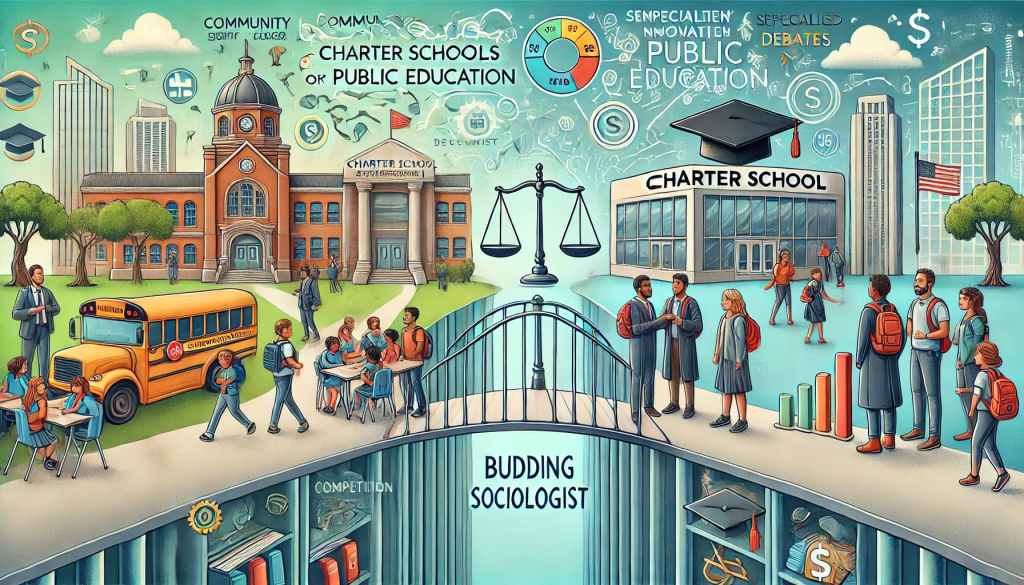
Charter schools have emerged as a significant component of the American education system, offering an alternative to traditional public schools. These institutions receive public funding but operate with greater autonomy, allowing for more flexibility in curriculum development, staffing, and instructional approaches. Supporters believe that charter schools enhance education by fostering innovation, increasing competition, and improving accountability. However, critics argue that they divert funding from traditional public schools and exacerbate educational inequalities. The impact of charter schools on public education is multifaceted, with both positive and negative consequences shaping the broader educational landscape.
One major way charter schools affect public education is through competition. Their presence encourages traditional public schools to improve their academic programs, teacher training, and overall effectiveness to retain students. In some cases, this has led to positive changes in public school performance. However, the impact varies across different districts, as some schools struggle to implement necessary reforms or retain qualified educators due to budget limitations. Additionally, charter schools often attract highly motivated students and families, leading to concerns about “cream-skimming,” where high-achieving students leave traditional public schools, potentially increasing disparities in educational outcomes.
Funding is another critical concern in the charter school debate. Since these schools receive public funds based on student enrollment, traditional public schools may experience financial shortfalls when students transfer to charter institutions. This reduction in funding can lead to cuts in staff, programs, and resources for students who remain in district schools. Critics argue that this disproportionately affects schools in low-income areas, which often rely on stable enrollment numbers to maintain essential services. On the other hand, proponents believe that public funds should follow students to the schools that best meet their educational needs, encouraging a more student-centered approach to funding allocation.
Charter schools are also recognized for introducing innovative teaching methods. Many have adopted specialized curricula, project-based learning, STEM-focused programs, and language immersion models that challenge conventional education practices. These innovations have demonstrated success in certain settings and have prompted discussions about incorporating effective charter school strategies into the broader public education system. However, the flexibility that allows charter schools to experiment with new approaches also raises concerns about oversight and accountability, as they do not always adhere to the same standards as traditional public schools.
Equity remains a significant issue in the charter school discussion. While some charter schools have successfully addressed educational disparities in underserved communities, others have faced criticism for not adequately serving students with disabilities, English language learners, or those with behavioural challenges. Factors such as admission policies, transportation limitations, and enrollment practices can create barriers for disadvantaged students, making access to charter schools unequal. Additionally, research suggests that charter schools may contribute to racial and socio-economic segregation, as families with more resources often have better access to information and options.
Academic performance comparisons between charter and traditional public schools have yielded mixed results. Some studies indicate that well-managed charter schools, particularly in urban areas serving low-income students, produce better educational outcomes than nearby public schools. However, other research has found little to no difference in performance, and some charter schools have underperformed compared to district schools. The variation in quality highlights the need for strong oversight and accountability to ensure that charter schools fulfill their mission of providing high-quality education. States with robust regulations tend to have more successful charter school systems, while those with weak oversight face challenges related to mismanagement and inconsistent academic results.
In summary, charter schools have had a significant influence on public education in the United States. They have introduced competition, fostered innovation, and expanded educational opportunities for many students. However, they have also raised concerns regarding funding distribution, equity, and accountability. Policymakers face the challenge of balancing school choice with the need to ensure all students receive a high-quality education. As charter schools continue to evolve, their role in shaping the future of public education will remain a subject of debate and ongoing policy consideration.
The Origins of Charter Schools
Charter schools emerged in the late 20th century as a response to concerns about the effectiveness, equity, and overall quality of public education in the United States. The idea was initially introduced in the 1970s by Ray Budde, an education professor at the University of Massachusetts Amherst. He envisioned a system where independently operated schools could experiment with innovative teaching methods while still being held accountable to public standards.
The movement gained significant momentum in the late 1980s, supported by educators and policymakers looking for alternatives to traditional public schools. Albert Shanker, who led the American Federation of Teachers at the time, initially endorsed the concept of charter schools as a way for teachers to develop new instructional strategies to support struggling students. However, as many charter schools began to move away from union oversight, teachers’ unions shifted from being early supporters to some of the most vocal critics of the charter school system.
Key Legislation and Growth of Charter Schools
Minnesota became the first state to pass a law allowing the establishment of charter schools in 1991, marking a major milestone in education reform. The first charter school, City Academy, was launched in St. Paul, Minnesota, in 1992. This pioneering initiative encouraged other states to follow suit, leading to a nationwide expansion of charter schools throughout the 1990s and early 2000s.
Federal policies played a crucial role in accelerating the growth of charter schools. The No Child Left Behind Act (NCLB) of 2002 and the Race to the Top initiative (2009) introduced funding incentives that encouraged states to embrace school choice, including charter school expansion. These initiatives aimed to improve academic performance, particularly in urban areas where public schools had struggled to meet educational standards.
As of 2024, the charter school sector has expanded significantly:
- More than 3.7 million students are enrolled in charter schools, representing roughly 7% of K-12 public school students.
- Over 7,800 charter schools are in operation across 45 states and Washington, D.C. (excluding states such as Montana, Nebraska, North Dakota, South Dakota, and West Virginia, where charter school laws are either absent or recently enacted).
- Enrollment in charter schools continues to grow, particularly in cities like New Orleans, Detroit, and Washington, D.C., where they serve a large portion of the student population.
The expansion of charter schools reflects a broader shift in educational policy toward greater school choice and flexibility. However, the debate over their impact on public education remains ongoing, with supporters emphasizing innovation and improved student outcomes, while critics highlight concerns about funding, accountability, and equitable access.
Types of Charter Schools
Charter schools in the United States operate under different models, each with distinct administrative structures, educational goals, and funding mechanisms. While they all function independently of traditional public school districts, their variations lie in how they are managed, financed, and specialized. Below is an overview of the primary types of charter schools and their characteristics:
1. Independent Charter Schools: Independent charter schools function autonomously, without affiliation to a larger network or organization. They receive charters from state education boards, local school districts, or independent authorizing bodies and are responsible for designing their own curricula, setting disciplinary policies, and making staffing decisions. These schools are often founded by educators, parents, or community groups aiming to address specific educational needs. Because they operate independently, they must handle their own administrative and financial matters, which can sometimes pose challenges. Despite this, independent charters often focus on innovative teaching approaches, such as Montessori education or classical learning methods. Notable examples include City Academy in Minnesota, the first charter school in the U.S., and Roxbury Preparatory Charter School in Massachusetts, which is known for its strong academic outcomes in underserved communities.
2. Charter Management Organizations (CMOs): CMOs are nonprofit entities that oversee multiple charter schools, ensuring uniformity in operations, curriculum, and administration. By managing a network of schools, CMOs can streamline educational practices and provide centralized teacher training and leadership development. These organizations often aim to expand successful educational models to serve a larger student population, particularly in urban areas. Some of the most well-known CMOs include KIPP (Knowledge Is Power Program), which emphasizes college readiness for students from low-income backgrounds, and Uncommon Schools, which focuses on closing the academic achievement gap in underserved communities. While CMOs have demonstrated success in boosting student performance, critics argue that their structured approach can sometimes limit teacher autonomy and local community engagement.
3. Education Management Organizations (EMOs) – For-Profit Charter Schools: Unlike CMOs, Education Management Organizations (EMOs) are for-profit companies that operate charter schools. These organizations manage school operations while generating revenue, often by providing curriculum development, staffing, and administrative services. However, their profit-driven nature has led to concerns about financial transparency and educational quality. Critics argue that cost-cutting measures—such as reducing teacher salaries or minimizing classroom resources—can negatively affect student learning experiences. Some for-profit charter schools have also faced scrutiny over their accountability and student performance. Major EMOs include Academica, a company that operates many charter schools in Florida, and Stride, Inc. (formerly K12 Inc.), which specializes in online charter education but has been criticized for low student engagement and poor academic outcomes. While EMOs provide an alternative education model, their role in public education continues to be a contentious issue.
4. Virtual (Online) Charter Schools: Virtual charter schools deliver education primarily through online platforms, allowing students to complete coursework remotely rather than attending physical classrooms. This model offers flexibility, making it ideal for students with non-traditional schedules, such as athletes, performers, or those with medical conditions. However, online charter schools have faced criticism due to concerns about low graduation rates, student disengagement, and a lack of direct interaction between teachers and students. Research has shown that students in virtual charter schools often perform worse on standardized tests compared to their peers in traditional schools. Many virtual charters are operated by for-profit EMOs, raising further concerns about financial accountability and educational effectiveness. Notable providers in this category include Connections Academy and Stride, Inc., both of which have faced scrutiny over their student outcomes. Despite their shortcomings, virtual charter schools continue to attract families seeking flexible learning options.
5. Specialized and Thematic Charter Schools: Some charter schools focus on specific academic disciplines or teaching philosophies, catering to students with particular interests or educational needs. These schools may emphasize subjects such as science, technology, engineering, and mathematics (STEM); performing arts; language immersion; or college preparation. STEM-focused charter schools, such as BASIS Charter Schools, provide rigorous coursework in math and science, preparing students for careers in technology and engineering. Performing arts charter schools, such as the Chicago High School for the Arts, integrate intensive arts training with traditional academic instruction. Language immersion charter schools, like the International Charter School of Atlanta, offer bilingual education to help students achieve fluency in multiple languages. Additionally, some schools, such as Success Academy in New York, focus on preparing students for higher education through strict academic standards and extensive test preparation. While specialized charter schools offer unique learning experiences, their admissions requirements and challenging curricula may limit accessibility for some students.
6. Conversion Charter Schools: Conversion charter schools are public schools that transition into charter schools to gain greater autonomy in curriculum development, staffing, and budgeting. These schools often undergo conversion as part of an effort to improve academic performance and operational efficiency. Unlike newly established charter schools, conversion charters typically retain their existing student populations but implement new governance structures. One of the largest-scale conversions occurred in New Orleans, where the public school system became an all-charter district after Hurricane Katrina. While some converted schools have demonstrated academic gains, others have faced challenges in maintaining consistency and ensuring equitable access to quality education. The success of conversion charter schools largely depends on the strength of their leadership, the involvement of local communities, and the policies governing their operation.
7. Hybrid Charter Schools (Blended Learning): Hybrid charter schools, also known as blended learning schools, integrate online instruction with traditional classroom learning. In this model, students complete part of their coursework through digital platforms while attending in-person sessions for hands-on activities, group discussions, and teacher support. This approach allows for greater flexibility while still maintaining direct interaction between students and educators. Blended learning models have gained popularity in recent years, particularly in schools that aim to personalize instruction based on student needs. Some well-known hybrid charter schools include Rocketship Public Schools, which uses technology to enhance individualized learning, and Summit Public Schools, which employs data-driven teaching methods to track student progress. While hybrid charter schools offer potential benefits, they require significant investment in technology infrastructure and teacher training, which can pose challenges for some institutions.
Conclusion: The charter school sector in the United States includes a wide variety of models, each with its own strengths and challenges. Independent charter schools offer localized, innovative approaches to education, while CMOs scale successful practices across multiple locations. For-profit EMOs and virtual charter schools remain controversial due to concerns about financial motives and student performance. Specialized charter schools provide focused learning experiences, while conversion and hybrid models seek to reform existing educational structures. The debate over charter schools continues, with proponents emphasizing their potential for innovation and critics questioning their impact on public education. As policymakers and educators assess these schools, the challenge remains to ensure that all students, regardless of background, have access to high-quality educational opportunities.
Factors Driving the Expansion of Charter Schools
The rapid proliferation of charter schools in the United States is the result of a combination of educational, economic, political, and social influences. Parents, educators, policymakers, and philanthropists have all contributed to the expansion of these schools, viewing them as an alternative to traditional public education. The following are the key reasons behind the increasing number of charter schools across the country:
1. Dissatisfaction with Traditional Public Schools: One of the primary reasons parents seek out charter schools is frustration with the performance and structure of traditional public schools. Many communities, particularly in urban areas, struggle with overcrowded classrooms, outdated teaching methods, and underfunded programs. In some districts, families are concerned about consistently low standardized test scores and high dropout rates, prompting them to explore alternative schooling options. Additionally, public schools often operate under rigid bureaucratic structures, making it difficult for them to implement changes that could enhance student learning. Concerns over safety, including issues like bullying and gang activity, also contribute to families seeking environments that prioritize discipline and structure. Charter schools, with their greater autonomy, offer parents the hope of a more tailored and effective educational experience for their children.
2. Increased Parental Choice and School Competition: The expansion of charter schools is closely tied to the broader school choice movement, which advocates for giving parents the ability to select schools that best align with their children’s needs. Unlike traditional public schools, which assign students based on residential zones, charter schools allow families to enroll their children regardless of location. This freedom gives parents greater control over their child’s education, particularly in areas where public schools have historically underperformed. Additionally, the presence of charter schools creates competition, encouraging traditional public schools to improve their offerings to retain students. As a result, public schools may adopt reforms such as extended instructional time, innovative teaching methods, or performance-based assessments to remain competitive. Advocates argue that this dynamic ultimately benefits students by fostering improvements across all types of schools.
3. Autonomy and Educational Innovation: One of the defining features of charter schools is their ability to operate independently of many of the regulations that govern traditional public schools. This autonomy allows them to experiment with new instructional strategies, specialized curricula, and alternative scheduling structures. Some charter schools focus on specific areas such as science, technology, engineering, and mathematics (STEM), while others emphasize the arts, bilingual education, or college preparation. Many also implement longer school days or extended academic calendars to maximize learning opportunities. Additionally, charter schools often have more flexibility in hiring teachers based on expertise and instructional effectiveness rather than seniority, enabling them to cultivate a teaching staff aligned with their educational vision. This adaptability has made charter schools an attractive option for families seeking a more personalized and innovative learning experience for their children.
4. Support from Government Policies and Legislation: Legislative efforts at both the state and federal levels have played a significant role in the expansion of charter schools. The first charter school law was enacted in Minnesota in 1991, and since then, nearly every state has developed policies permitting their operation. Federal initiatives have also promoted charter school growth by tying funding to the expansion of school choice options. The No Child Left Behind Act (2002) emphasized accountability and encouraged the development of alternatives for students in underperforming schools. The Race to the Top program (2009) provided financial incentives to states that expanded high-quality charter schools, further accelerating their growth. The Every Student Succeeds Act (2015) continued to support these schools by allocating grants to states for charter school development. Additionally, some states have introduced independent authorizing bodies to oversee charter schools, helping to ensure quality and accountability while maintaining their operational independence.
5. Financial and Philanthropic Investments: The rapid expansion of charter schools has been facilitated by significant financial support from both public and private sources. Like traditional public schools, charter schools receive per-pupil funding from the government, though the allocation process varies by state. However, charter schools often face challenges in securing funding for facilities and infrastructure, leading them to rely on private donations and grants. Several high-profile philanthropic organizations have invested heavily in charter school networks, particularly in underserved communities. For example, the Bill & Melinda Gates Foundation has contributed to technology-enhanced learning models, while the Walton Family Foundation has funded charter schools in low-income neighbourhoods. The Eli and Edythe Broad Foundation has also supported leadership training and the replication of high-performing charter schools. Additionally, corporate donors and venture capital firms have invested in some charter school initiatives, particularly those operating on a for-profit model. While this financial backing has allowed for rapid expansion, it has also raised questions about the role of private interests in public education and the need for transparency in charter school operations.
6. Urban Renewal and Education Reform Initiatives: In many cities, charter schools have been positioned as a strategy for revitalizing struggling education systems and improving opportunities for students in low-income communities. A notable example is New Orleans, where the education system underwent a dramatic transformation following Hurricane Katrina in 2005. The city moved to an almost entirely charter-based system, with the goal of improving academic outcomes and increasing school choice. Similar efforts have taken place in other urban areas, such as Detroit, Chicago, and Washington, D.C., where public education systems have faced long-standing challenges. In some gentrifying neighbourhoods, middle-class families who might otherwise opt for private schools or suburban districts have chosen charter schools instead, further increasing demand. While these reforms have led to improvements in some areas, they have also sparked debates over issues such as school closures, community displacement, and the equitable distribution of educational resources.
7. Political and Ideological Influence: The growth of charter schools has been supported by leaders from both sides of the political spectrum, though for different reasons. Many conservative policymakers advocate for charter schools as part of a broader effort to introduce market-driven principles into education, arguing that school choice fosters efficiency and accountability. These policymakers often push for reduced government oversight and increased competition between schools. On the other hand, some liberal and progressive leaders support charter schools as a way to address educational disparities, particularly for students in historically underfunded districts. While teachers’ unions and some Democratic politicians have criticized charter schools for diverting funds from traditional public schools and lacking sufficient regulation, others, including past Democratic presidents such as Bill Clinton and Barack Obama, have endorsed charter school expansion under certain conditions. The bipartisan appeal of charter schools has contributed to their continued presence in national education policy debates.
Conclusion: The rise of charter schools in the United States is driven by multiple factors, including dissatisfaction with public school performance, the demand for more educational choices, the flexibility and innovation offered by charter models, supportive government policies, and financial backing from philanthropic organizations. While charter schools have created new opportunities for many students, they remain a subject of debate, with ongoing discussions about their accountability, funding structures, and long-term impact on public education. As the charter school sector continues to evolve, its success will depend on maintaining high academic standards, ensuring transparency, and addressing concerns about educational equity.
Positive Impacts of Charter Schools on Public Education
Charter schools have introduced new dynamics into the U.S. public education system, offering alternatives to traditional public schools and influencing educational policies and practices. While their impact is debated, several positive contributions have emerged, particularly in terms of school choice, competition, innovation, and student achievement. Below are key ways in which charter schools have positively influenced public education in the United States:
1. Increased Educational Choice for Families: One of the most significant impacts of charter schools is the increased choice they provide for families. Unlike traditional public schools, which assign students based on their residential address, charter schools allow parents to select schools that best fit their children’s needs. This flexibility is particularly beneficial for families in underperforming school districts, as it gives them access to better educational opportunities without the financial burden of private schooling.
2. Encouragement of Healthy Competition Among Schools: The presence of charter schools creates competition within the public education system, compelling traditional public schools to improve their academic programs, teacher effectiveness, and student outcomes. In response, many school districts have introduced reforms such as curriculum enhancements, teacher training initiatives, and student support programs. The idea is that when public schools face the risk of losing students to charters, they are motivated to implement best practices that enhance overall educational quality.
3. Innovation in Teaching Methods and Curriculum Design: Charter schools have the flexibility to experiment with new teaching methods, curriculum designs, and instructional models. Many focus on specialized areas such as STEM (Science, Technology, Engineering, and Math), performing arts, bilingual education, or project-based learning. This innovation not only benefits students within charter schools but also serves as a model for public school districts looking to modernize their approaches to education. Successful programs piloted in charter schools have often been adopted by traditional schools to improve student engagement and learning outcomes.
4. Better Academic Outcomes in Some Charter Networks: While charter school performance varies, some high-performing networks like KIPP, Success Academy, and Uncommon Schools have demonstrated substantial academic gains, particularly for low-income and minority students. Studies by organizations such as the Center for Research on Education Outcomes (CREDO) at Stanford University have found that students in high-performing charter schools often outperform their traditional public school peers in subjects like math and reading. These success stories highlight the potential of well-managed charter schools to close achievement gaps and provide high-quality education.
5. Longer School Days and Extended Learning Opportunities: Many charter schools operate on extended schedules, offering longer school days or additional academic sessions during weekends and summer breaks. This increased instructional time provides students with greater opportunities to master challenging subjects, receive individualized attention, and engage in extracurricular learning experiences. Extended learning opportunities are particularly beneficial for students from disadvantaged backgrounds who may lack access to additional academic support outside of school.
6. Flexibility in Teacher Hiring and Instructional Approaches: Unlike traditional public schools, which must follow rigid hiring and tenure policies, charter schools have more freedom in recruiting teachers based on their expertise, teaching philosophy, and alignment with the school’s mission. This flexibility allows for the recruitment of talented educators who may not have followed traditional certification pathways. Additionally, charter schools can implement merit-based teacher evaluations and offer performance incentives, ensuring that high-quality instruction is prioritized.
7. Personalized and Student-Centered Learning Models: Charter schools often incorporate personalized learning strategies, where instruction is tailored to meet the unique needs of individual students. Many use adaptive learning technology, small group instruction, and differentiated lesson plans to cater to varying skill levels within the same classroom. These approaches help engage students who may struggle in a traditional public school setting and ensure that they receive the support needed to succeed academically.
8. Stronger Community and Parental Engagement: Charter schools often emphasize close collaboration with parents and the local community, fostering a sense of shared responsibility in student success. Many charter schools require parental involvement in school activities, decision-making, and academic planning. This level of engagement has been linked to improved student behaviour, attendance, and overall academic achievement, as students benefit from an educational environment where teachers, parents, and administrators work together to support their development.
9. Introduction of Alternative Accountability Measures: Charter schools are held accountable through performance-based contracts that require them to meet specific academic and operational goals. Unlike traditional public schools, which primarily rely on standardized testing for assessment, charter schools may use a combination of student portfolios, project-based evaluations, and teacher assessments to measure progress. This accountability model encourages a results-driven approach to education and helps ensure that charter schools remain focused on delivering high-quality learning experiences.
10. Influence on Public Education Policies and Reforms: The charter school movement has played a significant role in shaping education policy and reform efforts across the country. Policymakers have taken note of successful charter school practices, such as data-driven instruction, rigorous teacher training, and innovative school governance structures, and have implemented similar strategies within traditional public schools. Additionally, discussions surrounding charter school effectiveness have led to broader conversations about equitable funding, school accountability, and educational access for underserved communities, ultimately driving improvements in the overall public education system.
Conclusion: While the debate over charter schools continues, their impact on public education is undeniable. They have introduced competition, innovation, and alternative educational models that have influenced both student outcomes and broader education policies. Ensuring that these benefits extend across all schools—charter and traditional alike—requires ongoing oversight, funding equity, and policies that encourage collaboration rather than division.
Challenges and Criticisms of Charter Schools
While charter schools were introduced as a way to improve educational outcomes and provide more school choice, they have faced significant criticisms and challenges. These concerns primarily revolve around funding, academic performance, equity, and governance. Following are key issues:
1. Financial Strain on Public Schools: One of the biggest criticisms of charter schools is their impact on the financial health of traditional public schools. Since funding is allocated on a per-pupil basis, when students leave public schools for charters, their funding follows them. However, public schools still bear fixed costs like teacher salaries, infrastructure maintenance, and administrative expenses. This creates budget shortfalls, leading to staff reductions, program cuts, and, in some cases, the closure of neighbourhood schools, disproportionately affecting lower-income communities.
2. Mixed Academic Performance: The academic outcomes of charter schools are highly variable. While some high-performing charter networks, like KIPP and Success Academy, demonstrate strong student achievement, many charter schools perform on par with or worse than traditional public schools. Research indicates that charter school effectiveness depends on state policies, school governance, and local oversight. Some charter schools fail to deliver on academic promises, leading to their closure, which disrupts students’ education and forces families to seek alternatives.
3. Unequal Access for Students with Disabilities: Charter schools often serve fewer students with disabilities compared to traditional public schools. This can be due to several factors, including a lack of special education resources, selective admission practices, or an unwillingness to accommodate high-needs students. Critics argue that some charter schools subtly discourage students with disabilities from enrolling by not providing adequate support services, leaving public schools with a disproportionate responsibility to educate these students.
4. Limited Support for English Language Learners (ELLs): Many charter schools under-enroll English Language Learners (ELLs), a group that requires specialized instruction to succeed academically. Some charter schools lack bilingual teachers, adequate ELL programs, or culturally inclusive curricula, making it difficult for non-English-speaking students to thrive. This lack of accessibility raises concerns about whether charter schools are truly open to all students or whether they cater primarily to those who require fewer educational resources.
5. “Creaming” and Student Selection Concerns: Critics argue that some charter schools engage in “creaming,” where they selectively enroll high-achieving or well-behaved students while subtly discouraging or pushing out those who struggle academically or behaviourally. This can happen through strict admission processes, academic entrance requirements, or policies that make it difficult for struggling students to stay enrolled. As a result, traditional public schools are left to serve a higher proportion of at-risk students, making fair comparisons between charter and public schools difficult.
6. Exacerbation of Racial and Socio-economic Segregation: Although charter schools were initially intended to provide greater school choice and access to quality education, they have sometimes contributed to racial and socio-economic segregation. Many charter schools cater to specific communities, and because they are not bound by district zoning, they may create environments where students are less exposed to diverse peers. Studies show that in some regions, charter schools have led to increased racial isolation, as they often attract families from similar socioeconomic and ethnic backgrounds.
7. Lack of Accountability and Oversight: Charter schools operate independently of local school districts, meaning oversight can be inconsistent. Weak regulatory frameworks in some states have allowed financial mismanagement, fraud, and underperformance to go unchecked. Cases of embezzlement, inflated enrollment numbers, and misallocation of taxpayer funds have raised concerns about transparency. Without proper accountability measures, some charter schools prioritize profits or administrative costs over student outcomes, undermining their intended purpose.
8. For-Profit Charter School Controversies: In some states, for-profit companies are allowed to manage charter schools, raising ethical concerns. Unlike nonprofit charter organizations, for-profit operators have financial incentives that may conflict with educational priorities. These companies sometimes cut costs by hiring inexperienced teachers, using outdated materials, or limiting extracurricular programs. Critics argue that education should not be treated as a business, as profit-driven motives can compromise the quality of instruction and student support services.
9. High Teacher Turnover and Job Insecurity: Charter schools often have higher teacher turnover rates than traditional public schools. Many charter schools do not offer tenure or union protections, leading to lower job security and increased workloads. Teachers in charter schools may be expected to work longer hours, including weekends, without additional compensation. The demanding work environment leads to burnout, making it difficult to retain experienced educators. High turnover rates can disrupt student learning and hinder the long-term development of school culture.
10. Inconsistent School Closures and Student Disruptions: Unlike public schools, which rarely close due to poor performance, charter schools can be shut down if they fail to meet academic, financial, or operational standards. While this accountability mechanism is intended to ensure quality, it also creates instability for students and families. When charter schools close abruptly, students are left scrambling to find new schools, often mid-year, which disrupts their education. In some cases, charter school closures disproportionately affect low-income and minority students who may already face barriers to quality education.
Conclusion: The challenges facing charter schools highlight the complexities of balancing educational innovation, equity, and accountability. While charter schools have the potential to provide high-quality alternatives to traditional public education, they must address concerns related to funding, inclusivity, governance, and sustainability. Policymakers need to implement stronger oversight mechanisms, equitable funding structures, and inclusive enrollment policies to ensure that charter schools genuinely serve all students while complementing—not undermining—public education.
Policy Considerations and Future Outlook
As the charter school movement continues to evolve, policymakers must address both its strengths and challenges to ensure that charter schools contribute positively to the overall education system. The future of charter schools depends on striking a balance between autonomy and accountability, ensuring equitable access, and maintaining a sustainable funding structure that supports both charter and traditional public schools. Below are key policy considerations and their potential impact on the future of charter schools and public education in the U.S:
1. Strengthening Oversight and Accountability: A major issue with charter schools is the inconsistency in oversight, which has led to cases of financial mismanagement and poor academic performance. To address this, policymakers should implement standardized accountability measures, including regular financial audits and academic evaluations. Schools that fail to meet established benchmarks should face stricter consequences, such as intervention or closure. Requiring transparency in financial operations and governance will help ensure that charter schools remain committed to their educational mission and responsible use of public funds.
2. Ensuring Fair and Sustainable Funding: The funding model for charter schools often creates financial strain on traditional public schools, as funding is allocated on a per-student basis. When students move to charter schools, public school districts may experience budget shortfalls that affect staff, programs, and infrastructure. To create a more sustainable system, policymakers should develop funding models that balance resources between charter and traditional public schools. Additional state-level financial support can help mitigate the impact of enrollment shifts and ensure both school systems remain viable.
3. Promoting Inclusive Enrollment Policies: Charter schools have been criticized for not adequately serving students with disabilities, English language learners, and those from low-income backgrounds. Some schools have enrollment practices that unintentionally or deliberately limit access for these groups. To address this, regulations should ensure that charter schools actively recruit and retain a diverse student body. State support for transportation and accessibility programs can further help make charter schools a viable option for all families, regardless of socioeconomic status.
4. Expanding High-Performing Charter Models: While some charter schools underperform, others have achieved impressive academic results, particularly in underserved communities. Policymakers should prioritize the replication of successful charter school models with a track record of improving student achievement. Encouraging partnerships between high-performing charter schools and public schools could help spread effective teaching strategies and management practices across the broader education system. Government incentives for innovation and research-based teaching methods can further strengthen both charter and traditional public schools.
5. Improving Teacher Retention and Support: Teacher turnover is a persistent challenge in charter schools, partly due to longer working hours, lower salaries, and fewer benefits compared to traditional public schools. To build a stable workforce, charter schools should offer competitive salaries and benefits while ensuring sustainable workloads. Professional development opportunities and mentorship programs can also help educators refine their skills and advance in their careers. Addressing teacher burnout through better working conditions will lead to more effective teaching and improved student outcomes.
6. Encouraging Collaboration Between Charter and Public Schools: Rather than fostering competition, policymakers should encourage cooperation between charter and traditional public schools. Collaboration could take the form of shared training programs for educators, joint curriculum development, and facility-sharing agreements. By working together, both school systems can learn from each other’s strengths, leading to overall improvements in student learning experiences. Encouraging partnerships in professional development and best practices can also create a more unified and effective education system.
7. Data-Driven Policy Decisions: Education policies should be informed by data rather than ideological debates. Policymakers should support independent research and long-term studies to evaluate the effectiveness of charter schools in different regions and demographics. Regular assessments of student achievement, teacher retention, and financial efficiency can guide decision-making on whether to expand, modify, or regulate charter schools. Public access to performance data will also enable parents and communities to make informed choices about their children’s education.
8. Expanding Charter Schools Beyond Urban Centers: While charter schools are primarily concentrated in urban areas, there is growing interest in expanding them to rural and suburban communities. In many rural regions, educational options are limited, and students may lack access to specialized programs. Carefully designed charter schools in these areas could provide alternative learning opportunities tailored to local needs, such as vocational training or technology-focused education. However, expansion must be done thoughtfully to avoid straining existing public schools in these communities.
9. Balancing Autonomy and Regulation: One of the defining characteristics of charter schools is their independence from many traditional bureaucratic constraints. However, this autonomy must be paired with sufficient oversight to ensure schools operate in the best interest of students. Regulations should be designed to prevent financial mismanagement and poor academic performance without stifling innovation. Addressing concerns about for-profit charter school operators will also be crucial in maintaining public trust and ensuring educational quality.
10. Adapting to Changing Educational and Political Trends: The landscape of charter schools is influenced by shifts in political priorities and evolving educational needs. Changes in state and federal administrations often result in adjustments to funding, regulations, and expansion policies. To ensure long-term success, education policies should focus on student achievement rather than political ideologies. Additionally, as technology and personalized learning models gain prominence, policymakers should explore how charter schools can integrate these innovations to enhance student engagement and academic success.
Conclusion: Charter schools have introduced both opportunities and challenges within the American education system. While they provide increased choice, flexibility, and innovation, they also raise concerns about equity, funding, and accountability. Moving forward, well-designed policies must ensure that charter schools work alongside traditional public schools rather than in direct competition. A balanced approach that prioritizes student outcomes and equitable access will be essential in shaping the future of education in the U.S.
References:
Charter Schools and the Corporate Makeover of Public Education: What’s at Stake?, by Michael Fabricant , Michelle Fine, https://amzn.to/4bkA0sx
Charter Schools at the Crossroads: Predicaments, Paradoxes, Possibilities, by Chester E. Finn Jr. , Bruno V. Manno , Brandon L. Wright, https://amzn.to/41ClxET