- Introduction
- The Origins and Evolution of Cancel Culture
- Key Drivers of Cancel Culture in the U.S.
- Positive Effects of Cancel Culture
- Negative Effects of Cancel Culture
- Cancel Culture and the Free Speech Debate
Introduction
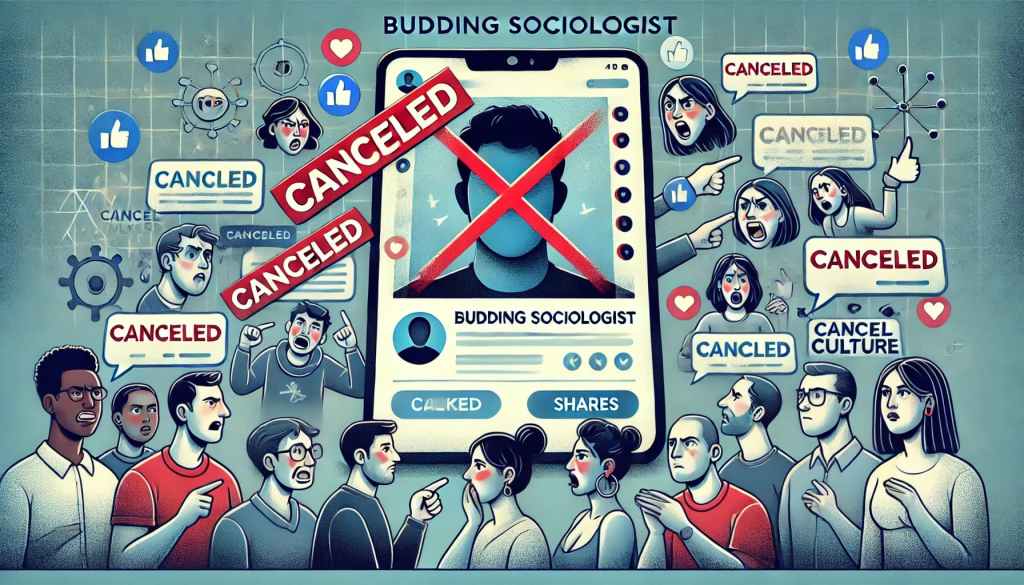
Cancel culture has become a significant and widely debated phenomenon in the United States, shaping social and political discourse over the past decade. It refers to the practice of holding individuals, businesses, or organizations accountable for offensive, unethical, or controversial actions by withdrawing public support. This often results in reputational damage, job loss, or social exclusion. While the concept of accountability is not new, the advent of social media has magnified its impact, allowing public opinion to influence real-world consequences at an unprecedented speed. Once limited to private discussions or institutional actions, these debates now unfold in highly visible online spaces, where viral posts can rapidly determine someone’s social or professional standing.
The rise of cancel culture is closely linked to broader social justice movements, particularly in areas such as racial equality, gender rights, and political accountability. It has empowered marginalized communities to call attention to injustices and challenge individuals in positions of power who previously may have escaped scrutiny. Movements like #MeToo and Black Lives Matter have demonstrated the effectiveness of collective digital activism in addressing issues of sexual misconduct, racial discrimination, and systemic oppression. However, cancel culture has also expanded beyond these movements, affecting public figures, professionals, and even everyday individuals whose past or present statements are revisited through a modern ethical lens.
Despite its role in amplifying important social causes, cancel culture has sparked controversy over issues of fairness and due process. Critics argue that it often lacks proportionality, leading to harsh consequences based on incomplete information, misinterpretations, or past behaviours that were considered acceptable at the time. The fear of public backlash has also contributed to self-censorship, discouraging open discussions on sensitive or complex issues. Some view cancel culture as a form of social media-driven justice, while others see it as a form of mob mentality that punishes individuals without an opportunity for redemption or nuanced discussion.
Moreover, the implications of cancel culture extend to free speech and democratic engagement. In a society that values diverse perspectives, the threat of being “canceled” may discourage people from expressing their views, even when intended in good faith. Supporters argue that it serves as a necessary check on those who abuse their influence or fail to acknowledge harmful behaviour. However, opponents warn that it can foster an environment of intolerance, where disagreements turn into public shaming rather than meaningful dialogue.
As cancel culture continues to evolve, it remains a divisive issue that reflects deeper ideological and generational divides. Whether viewed as a tool for accountability or an excessive response to mistakes, its impact on American society is undeniable. Understanding cancel culture requires examining its origins, key drivers, and broader societal consequences, as well as the ongoing debate about how to balance justice with fairness in an increasingly interconnected world.
The Origins and Evolution of Cancel Culture
Cancel culture, as it is recognized today, is rooted in historical social practices, activism and the growing influence of digital communication. While the terminology is recent, the practice of publicly denouncing individuals or institutions for perceived wrongdoing has existed for centuries. Over time, these methods evolved from traditional boycotts and societal exclusion into a widespread cultural force shaped by online platforms.
1. Historical Foundations: Boycotts and Public Shaming: The concept of canceling individuals or groups can be traced back to earlier forms of social punishment, including public humiliation and economic boycotts. In early American and European societies, public shaming was commonly used to enforce moral behaviour. Practices such as placing individuals in stocks, branding them, or forcing them to undergo public punishment were meant to deter misconduct. These historical practices share similarities with modern-day digital cancellations, where people face reputational damage for violating social norms.
Boycotts have also played a crucial role in shaping societal movements. Historical events like the Boston Tea Party (1773) and the Montgomery Bus Boycott (1955–56) were early examples of collective action against perceived injustices. Additionally, the Hollywood blacklist of the 1940s and 1950s saw entertainment professionals lose their careers due to alleged communist ties. This politically motivated ostracization, often based on suspicion rather than concrete evidence, mirrors some aspects of contemporary cancel culture, where public figures can face severe consequences based on social pressure and public sentiment.
2. The Role of Digital Media in Amplifying Cancel Culture: The rise of the internet and social media platforms revolutionized how individuals hold others accountable for their actions. Previously, mainstream media controlled public discourse, limiting the reach of activism. However, platforms such as Twitter, Instagram, and TikTok have enabled people to challenge powerful figures, expose unethical behaviour and mobilize collective action at unprecedented speeds. This digital shift has made it easier to highlight injustices and demand accountability, often leading to swift consequences for those involved.
One defining moment in the growth of cancel culture was the emergence of the #MeToo movement in 2017. This movement exposed sexual harassment and misconduct in various industries, particularly Hollywood, and led to significant repercussions for high-profile figures. Social media played a key role in amplifying survivor testimonies, ensuring that their voices were heard on a global scale. This wave of accountability demonstrated the effectiveness of online activism in enforcing consequences for inappropriate behaviour.
Similarly, the resurgence of the Black Lives Matter (BLM) movement following the 2020 killing of George Floyd intensified scrutiny over racist behaviour, past and present. Public figures, corporations, and historical narratives were reassessed, leading to widespread calls for changes in branding, hiring practices, and the removal of controversial monuments. During this period, cancel culture shifted from focusing solely on individuals to questioning and reshaping institutional structures.
3. From Individual Accountability to Cultural and Institutional Change: Cancel culture initially targeted individuals accused of misconduct, but over time, it evolved into a movement demanding broader cultural and institutional changes. What began as a method of calling out offensive behaviour expanded to include corporations, media content, and historical legacies. Companies faced public scrutiny for unethical practices, discriminatory policies, or perceived political misalignment, prompting many to revise their policies to align with evolving societal expectations.
In the entertainment industry, films, TV shows and literary works have been reexamined for outdated and offensive content. For example, classic films that once went unchallenged have come under scrutiny for racial or gender-based stereotypes. The publishing industry has also responded by discontinuing certain books or issuing revised editions to address problematic portrayals. These changes illustrate how cancel culture has moved beyond individual accountability to influence broader cultural narratives.
Additionally, the removal of Confederate statues and renaming of buildings linked to controversial historical figures reflect a growing movement to reassess and redefine societal values. While some view these actions as necessary progress, others argue that erasing history rather than learning from it is counterproductive.
4. Political and Ideological Divisions: Cancel culture has become a highly divisive topic, particularly in the realm of politics. While some see it as a form of social justice, others argue that it suppresses free speech and creates an environment where individuals fear expressing dissenting opinions. The debate has grown along political lines, with progressives often advocating for accountability and conservatives warning against excessive censorship.
Many critics believe cancel culture disproportionately punishes individuals for past mistakes without allowing room for growth or redemption. They argue that fear of public backlash leads to self-censorship, where people avoid expressing controversial opinions to protect their reputations. Conversely, supporters contend that cancel culture is not about silencing voices but about ensuring that harmful rhetoric and behaviour do not go unchecked.
This ideological clash has played out in numerous high-profile cases. For instance, former President Donald Trump was permanently banned from Twitter after the January 6, 2021, Capitol riot, a move that his supporters viewed as political censorship while his critics saw it as a necessary step to prevent further violence. Similarly, comedian Dave Chappelle faced backlash for comments on transgender issues in his Netflix special, igniting debates over artistic freedom versus social responsibility. These examples illustrate how cancel culture has become a battleground for broader discussions on speech, accountability, and societal values.
Conclusion: The evolution of cancel culture has been shaped by historical precedents, social movements, and technological advancements. While it originally served as a tool for exposing wrongdoing, it has expanded to influence corporations, media representation, and political discourse. Supporters view it as a necessary means of holding people and institutions accountable, while critics warn of its potential to foster a culture of fear and intolerance for differing opinions. As society continues to grapple with the implications of cancel culture, the challenge lies in balancing accountability with fairness, ensuring that justice is served without stifling open dialogue and personal growth.
Key Drivers of Cancel Culture in the U.S.
Cancel culture has emerged as a powerful social force, influencing public discourse, corporate policies, and individual reputations. It is shaped by a combination of social media activism, shifting moral values, political divisions, and corporate decision-making. While some view it as a necessary tool for accountability, others argue that it leads to excessive public shaming. Below are the major factors contributing to the rise of cancel culture in the United States:
1. The Influence of Social Media and Digital Activism: Social media has transformed the way people engage with social and political issues. Unlike traditional media, which was once the main channel for shaping public opinion, digital platforms such as Twitter, Facebook, and TikTok provide a space for individuals to voice their concerns instantly. Hashtag movements, such as #MeToo and #BlackLivesMatter, have demonstrated the power of online activism in exposing injustices and mobilizing communities. The viral nature of these platforms allows information to spread rapidly, sometimes leading to immediate backlash against individuals or organizations. However, the speed at which controversies escalate can also result in unfair or uninformed judgments before all the facts are considered.
2. Growing Awareness of Social Justice Issues: As discussions surrounding race, gender, LGBTQ+ rights and workplace ethics have gained traction, there is an increased expectation for individuals and institutions to uphold progressive values. Many people are now more conscious of how language, behaviour and historical actions contribute to systemic inequality. This heightened awareness has led to greater scrutiny of public figures and businesses, pushing them to align with socially responsible standards. However, this shift has also sparked debates about whether cancel culture allows room for growth and change or simply punishes past mistakes without considering context.
3. Political and Ideological Divides: The United States has become deeply polarized, with cancel culture often being used as a tool to silence opposing views. Many on the political left see it as a means of holding people accountable for harmful rhetoric or actions, while those on the right frequently criticize it as an attack on free speech. This division is further amplified by news media and social media algorithms, which reinforce ideological echo chambers. As a result, cancel culture is often weaponized by different political groups, leading to selective outrage based on affiliations rather than consistent ethical standards.
4. Corporate Accountability and Reputation Management: Companies today face growing pressure to demonstrate social responsibility, as consumers increasingly support brands that align with their values. Businesses often take preemptive action to avoid controversy, whether by severing ties with public figures, issuing public apologies, or adjusting their policies. This responsiveness to public opinion has led some to question whether corporate actions are driven by genuine ethical concerns or simply by fear of financial losses. Additionally, the rise of “boycott culture” has made it clear that companies risk losing customers if they fail to respond swiftly to social and political issues.
5. Reassessment of Historical Figures and Cultural Works: Society has begun re-evaluating historical figures, media, and cultural symbols through a contemporary moral lens. Monuments honouring individuals linked to racism, colonialism, or other injustices have been removed or renamed, while classic books, films, and TV shows have come under scrutiny for outdated stereotypes. While this movement seeks to foster a more inclusive society, it also raises questions about how history should be preserved and whether figures from the past should be judged by modern ethical standards. The debate continues over whether such actions represent necessary progress or excessive revisionism.
6. The Role of Influencers and Online Communities: Online influencers and digital communities play a significant role in cancel culture by amplifying controversies and mobilizing followers. Many social media personalities use their platforms to call out individuals or brands they perceive as problematic, often sharing past posts or videos as “receipts” to support their claims. This trend, sometimes referred to as “call-out culture,” ensures that public figures are held accountable but can also result in harsh, disproportionate consequences. In some cases, cancel culture is used strategically to gain followers, engagement, or social credibility rather than to promote genuine accountability.
7. Media Sensationalism and Amplification: While social media plays a key role in cancel culture, traditional media also contributes by extensively covering and sometimes exaggerating controversies. News outlets often highlight cancelation events to attract viewership, framing them in ways that align with their political stance. This selective reporting can escalate public backlash and make it harder for individuals to recover from reputational damage. Moreover, media narratives often simplify complex situations, making it difficult for audiences to distinguish between genuine accountability and exaggerated outrage.
8. Fear of Professional and Social Consequences: As cancel culture has become more prevalent, many professionals, particularly in entertainment, academia, and journalism, have become increasingly cautious about what they say and do. The fear of being “canceled” has led to a rise in self-censorship, where individuals avoid discussing controversial topics, even when their perspectives are thoughtful or nuanced. This has sparked concerns that cancel culture discourages open dialogue and intellectual diversity, creating an environment where people feel pressured to conform rather than engage in meaningful discussions.
9. Permanent Digital Footprints and Past Controversies: The internet has made it possible to document nearly everything a person has said or done online. Old tweets, interviews, and social media posts can resurface years later, often without considering the context in which they were made. This has raised ethical concerns about whether individuals should be held accountable for past mistakes indefinitely, especially if they have since changed their views. While some argue that past actions should have consequences, others believe that people should be given the opportunity to grow and learn from their past behaviour.
10. The Business of Outrage and Engagement Algorithms: Outrage has become a profitable commodity in the digital era. Social media platforms prioritize high-engagement content, meaning controversial topics are more likely to trend. Similarly, media outlets capitalize on outrage-driven headlines to attract clicks and advertising revenue. This creates an environment where cancel culture is continuously fueled, as users engage with and amplify negative content. Some critics argue that this dynamic makes it difficult to distinguish between genuine calls for accountability and outrage manufactured for profit or attention.
Conclusion: Cancel culture is driven by a complex mix of digital activism, evolving social norms, political conflicts, corporate interests, and media influence. While it has been effective in addressing social injustices and holding individuals accountable, it also raises concerns about fairness, free expression, and the long-term consequences of public shaming. As society navigates these challenges, the debate over cancel culture’s role in public life will likely continue, shaping how accountability and discourse evolve in the digital age.
Positive Effects of Cancel Culture
Cancel culture, though widely debated, has played a pivotal role in shaping modern society by holding individuals and institutions accountable for their actions. While some see it as a force for justice, others argue it can be overly punitive. Following is an exploration of its ten key positive impacts, demonstrating how it has influenced various aspects of public life:
1. Promoting Accountability: One of the most significant benefits of cancel culture is its ability to hold people and organizations responsible for unethical behaviour. In the past, those in power often escaped consequences for misconduct due to their status or influence. However, public scrutiny now ensures that harmful actions—ranging from discrimination to corruption—are exposed and addressed. Movements such as #MeToo have highlighted serious issues like sexual harassment, leading to real-world consequences for perpetrators. This cultural shift has reinforced the importance of ethical behaviour across industries.
2. Strengthening the Voices of Marginalized Communities: Historically, marginalized groups such as racial minorities, women, and LGBTQ+ individuals have struggled to have their concerns taken seriously. Cancel culture has given these communities a platform to challenge discrimination and injustice. Through social media, people from diverse backgrounds can amplify their experiences and push for change. For example, activism surrounding racial justice has led to increased awareness of systemic issues and forced institutions to take action against discriminatory practices.
3. Encouraging Institutional and Cultural Changes: Public criticism has pushed businesses, entertainment industries, and other institutions to rethink their policies and practices. Many companies have introduced stronger diversity initiatives, anti-discrimination policies, and ethical business strategies in response to consumer expectations. In the entertainment sector, there has been a greater effort to ensure fair representation and eliminate harmful stereotypes. These cultural and institutional shifts contribute to a more inclusive and socially conscious society.
4. Raising Awareness on Social Issues: Cancel culture has contributed to widespread discussions about issues such as racism, gender inequality, and mental health. Controversies often spark conversations that lead to deeper public understanding and education. For example, debates over historical symbols, offensive language, and workplace discrimination have encouraged many people to reflect on societal norms and reassess their own perspectives. This ongoing dialogue has been instrumental in shaping a more informed and empathetic society.
5. Encouraging Ethical Behaviour Among Public Figures: Celebrities, politicians and influencers are now more mindful of their actions and statements, knowing that inappropriate behaviour can lead to public backlash. This heightened accountability has encouraged public figures to act more responsibly, both in their personal lives and professional careers. Many individuals who have faced criticism have taken the opportunity to apologize, learn from their mistakes, and support positive social movements. This shift in behaviour contributes to a culture where ethical conduct is prioritized.
6. Holding Businesses Accountable for Social Responsibility: Companies are increasingly expected to take a stand on social and political issues. Consumers today are more likely to support brands that align with their values, and businesses that fail to address societal concerns risk losing public trust. Many corporations have responded by promoting diversity, environmental sustainability, and ethical labour practices. By demanding accountability from businesses, cancel culture has played a role in encouraging corporate social responsibility and ethical decision-making.
7. Providing Support for Victims of Injustice: In many cases, cancel culture has empowered victims of harassment, discrimination, and other forms of mistreatment to speak out without fear of being ignored. Social media activism has helped shed light on long-overlooked injustices, leading to legal action, policy reforms, and public acknowledgment of wrongdoing. By giving a voice to those who have been silenced, cancel culture has contributed to a greater sense of justice and empowerment for victims.
8. Encouraging More Inclusive Media Representation: Public demand for fair and accurate representation has led to significant changes in media and entertainment. Harmful stereotypes and offensive portrayals are being reassessed, and greater efforts are being made to include diverse voices in storytelling. For instance, certain outdated books, films, and television shows have been reevaluated to ensure they do not perpetuate discrimination. These efforts help create a media landscape that is more reflective of society’s evolving values.
9. Promoting Integrity in Leadership: Political leaders and corporate executives are increasingly held accountable for their past and present actions. Misconduct, dishonesty, or discriminatory behaviour can lead to widespread criticism, pressuring leaders to uphold higher ethical standards. In some cases, public backlash has resulted in resignations, policy changes, or formal apologies. This level of scrutiny ensures that those in positions of power are more conscious of their decisions and their impact on society.
10. Encouraging Personal Growth and Social Reflection: Finally, cancel culture has led many individuals to reflect on their past behaviours and beliefs. When someone is criticized for offensive remarks or actions, it often prompts a broader discussion about why certain behaviours are harmful. Some individuals use these experiences as opportunities for personal growth, issuing apologies and working toward positive change. This culture of reflection fosters greater social awareness and encourages people to be more mindful of their words and actions.
Conclusion: Cancel culture has had a profound impact on society by promoting accountability, amplifying marginalized voices, and encouraging ethical change in various industries. While it has its challenges, when used responsibly, it serves as a powerful tool for justice and progress. By fostering awareness and driving meaningful conversations, cancel culture continues to shape a more socially conscious world.
Negative Effects of Cancel Culture
Cancel culture, while often intended to promote accountability, comes with several drawbacks that impact individuals, businesses, and society as a whole. Although it can shed light on social injustices, it sometimes results in disproportionate punishment, suppresses free speech, and fosters division rather than constructive dialogue. Below are ten significant negative effects of cancel culture.
1. Lack of Context and Fairness: One of the main criticisms of cancel culture is that it frequently disregards context, leading to hasty judgments without a thorough examination of the facts. People often face backlash based on accusations, past statements, or social media posts, regardless of their intent or personal growth over time. Unlike legal systems, which require a fair investigation and allow individuals to defend themselves, cancel culture operates on public outrage, offering little opportunity for clarification or redemption. This lack of due process results in harsh consequences that may not always be justified.
2. Fear of Speaking Freely: Many people are hesitant to express their views openly, even on topics that require open discussion, for fear of being misinterpreted or attacked online. This self-censorship is particularly noticeable in educational institutions, journalism and the arts, where professionals often avoid discussing controversial subjects. Even those with well-intentioned perspectives may choose to remain silent rather than risk potential backlash. The result is a decline in open discourse and critical thinking, as people prioritize protecting their reputations over engaging in meaningful conversations.
3. Online Mob Mentality: Cancel culture is often driven by mass outrage on social media, where individuals quickly join in on public shaming without fully understanding the situation. This form of collective punishment can escalate rapidly, leaving little room for nuance or fair discussion. In many cases, misinformation spreads before the truth is uncovered, leading to reputational damage that may be irreversible. Instead of fostering thoughtful debate, social media often amplifies emotional responses, turning accountability into public humiliation.
4. Excessive Punishment for Minor Mistakes: Another downside of cancel culture is that it frequently treats all offenses with the same level of severity, whether they are serious misconduct or minor mistakes. People have lost jobs, social standing, and opportunities due to comments or actions that were not intended to be harmful. There is often little recognition that individuals can change and grow over time. The lack of distinction between deliberate wrongdoing and simple errors creates an unforgiving environment where mistakes carry lifelong consequences.
5. Misuse for Personal or Political Gains: Cancel culture is sometimes weaponized as a means of silencing opponents or gaining an advantage in personal or political conflicts. Instead of being used to address genuine injustices, public shaming is occasionally manipulated to damage reputations, eliminate competition, or discredit individuals. In some cases, people or organizations amplify outrage selectively, not out of genuine concern but as a tactic to advance their own agendas. This misuse undermines the credibility of real social justice movements, making it harder to differentiate between valid criticism and strategic attacks.
6. Psychological and Emotional Harm: Being subjected to cancel culture can take a serious toll on an individual’s mental health, leading to anxiety, depression, and even suicidal thoughts. Public shaming on a massive scale can cause deep emotional distress, as individuals face relentless criticism, social isolation, and professional setbacks. Unlike constructive criticism, which allows people to learn and improve, cancel culture often offers no path to redemption. The emotional burden of widespread condemnation can have lasting consequences on a person’s well-being.
7. Destruction of Careers and Financial Stability: Cancel culture has led to the loss of careers, income, and financial security for many individuals. Public backlash often results in people being fired from their jobs, losing sponsorships, or having business opportunities revoked. Even if accusations turn out to be exaggerated or false, the damage is often irreversible. Employers and companies are often quick to distance themselves from controversy to avoid backlash, leaving little room for individuals to recover professionally. This raises concerns about whether social media outrage should have the power to dictate someone’s financial future without due process.
8. Fear-Based Behaviour Rather Than Real Change: Rather than encouraging genuine understanding and growth, cancel culture often results in performative apologies and fear-based behaviour. People and companies may change their messaging or policies, not because they truly understand the issue, but to avoid negative attention. This creates a culture where individuals and organizations make surface-level changes without addressing the deeper issues at hand. Instead of fostering meaningful progress, cancel culture can lead to performative activism, where people say what is expected of them rather than what they truly believe.
9. Restriction of Free Speech and Open Discussion: A society thrives on diverse viewpoints and open discussions, even when opinions differ. However, cancel culture has contributed to a climate where people feel they must conform to popular opinions or risk being ostracized. Many individuals hesitate to challenge mainstream narratives, even when they have valid concerns or alternative perspectives. When fear replaces honest conversation, society loses opportunities for debate, growth, and understanding. This suppression of differing views weakens democratic principles and discourages independent thinking.
10. Increased Social and Political Division: Cancel culture has played a role in deepening societal and political divides, reinforcing an “us versus them” mentality. Instead of bringing people together for productive conversations, it often fuels hostility and resentment between different groups. Political ideologies and social movements frequently use cancel culture as a tool to discredit opponents rather than engage in meaningful dialogue. This growing polarization makes it harder to find common ground on important issues, as people become more focused on punishment rather than progress.
Conclusion: While cancel culture seeks to promote accountability, its negative effects raise serious concerns. The lack of due process, the suppression of free speech, and the tendency to impose extreme punishments create an environment of fear rather than progress. Instead of fostering meaningful change, cancel culture often leads to division, resentment, and lost opportunities for constructive dialogue. A more balanced approach—one that encourages accountability while allowing for personal growth and redemption—would be more effective in creating a fair and just society.
Cancel Culture and the Free Speech Debate
Cancel culture has become a controversial topic in the United States, raising questions about free speech, accountability, and social justice. It refers to the widespread practice of calling out individuals or organizations for offensive actions or statements, often resulting in public backlash, boycotts, or career consequences. Supporters view it as a means of holding people responsible for their words and behaviour, while critics argue that it suppresses open discussion and fosters a culture of fear. This debate explores whether cancel culture promotes social progress or limits free expression, as well as its broader impact on society, institutions, and democracy.
1. Free Speech vs. Social Consequences: The First Amendment of the U.S. Constitution safeguards individuals from government censorship, ensuring the right to free expression. However, it does not shield people from social or economic repercussions that may arise due to their statements or actions. Cancel culture functions in this space, where individuals, celebrities, and businesses can face public backlash, job losses, or diminished reputations for their words or behaviour. While some view this as a way for society to hold people accountable, others argue it creates an environment where expressing controversial or unpopular views becomes dangerous.
2. The Chilling Effect on Open Discourse: One major concern surrounding cancel culture is its tendency to discourage open discussion. Individuals in academia, journalism, and entertainment may hesitate to voice opinions for fear of being targeted. This atmosphere of self-censorship can suppress constructive dialogue and prevent important but difficult conversations from taking place. When people are reluctant to speak openly, the diversity of thought diminishes, potentially harming democratic discourse and intellectual progress.
3. Criticism vs. Censorship: A central point of contention is whether cancel culture is an extension of free speech or a method of suppression. Supporters argue that people have the right to call out problematic behaviour and withdraw support from individuals or companies they find objectionable. However, critics contend that cancel culture often results in disproportionate punishment, where individuals are publicly shamed, boycotted, or even removed from their positions. The debate revolves around whether this form of accountability strengthens society or creates a culture of intimidation.
4. Effects on Public Figures and Institutions: High-profile individuals—including politicians, entertainers, and scholars—often bear the brunt of cancel culture. While some face consequences for serious wrongdoing, others are penalized for past statements or actions taken out of context. Institutions such as universities and corporations frequently find themselves under pressure to sever ties with individuals deemed controversial, sometimes making hasty decisions to protect their public image. This raises questions about whether such actions genuinely serve justice or if they prioritize optics over fairness.
5. Social Media as a Court of Public Opinion: Digital platforms have become a powerful tool for amplifying public outrage, enabling cancel culture to spread quickly. Unlike legal proceedings, social media verdicts are often swift, with little room for nuance or fact-checking. The rapid nature of these campaigns can cause lasting reputational damage before an individual has the opportunity to respond or provide context. This dynamic fosters concerns that online activism sometimes prioritizes immediate emotional reactions over fairness and due process.
6. Political and Ideological Divisions: Cancel culture has become a flashpoint in the broader ideological divide within American society. Many progressives see it as a necessary tool for holding powerful figures accountable, particularly in cases of discrimination or abuse. Conversely, conservatives frequently argue that cancel culture disproportionately affects individuals with traditional or right-leaning views, leading to concerns about bias in public discourse. This polarization fuels a broader culture war, where both sides accuse each other of attempting to suppress dissenting perspectives.
7. Corporate and Institutional Responses: Businesses and institutions often react quickly to controversies involving their employees, endorsers, or partners. Fearing consumer backlash or reputational harm, many organizations distance themselves from individuals at the center of cancel culture debates—sometimes before fully investigating the situation. This raises ethical concerns about whether companies prioritize public perception over fairness. Additionally, selective enforcement of cancel culture in corporate settings—where some cases receive swift action while others are ignored—highlights inconsistencies in how accountability is applied.
8. Judging the Past by Today’s Standards: A frequent issue in cancel culture discussions is whether individuals should be condemned for views or actions that were considered acceptable in the past but are now seen as problematic. Social norms evolve over time, and while it is important to acknowledge past injustices, some argue that applying present-day moral standards retroactively is unfair. Others believe that historical accountability is necessary to address systemic injustices and prevent similar mistakes in the future. The challenge lies in determining the appropriate balance between learning from history and penalizing individuals for outdated beliefs.
9. The Question of Redemption: One of the most debated aspects of cancel culture is whether those who have been “canceled” can make amends and reintegrate into public life. Some individuals manage to recover through sincere apologies and changed behaviour, while others remain ostracized indefinitely. There is no universally accepted standard for what constitutes a sufficient apology or atonement, making the outcomes of cancel culture unpredictable. This inconsistency leads to questions about whether cancel culture is truly about accountability or if it functions as a form of social exclusion without a path to redemption.
10. Legal and Ethical Considerations: While cancel culture does not violate free speech laws, it raises concerns about fairness, mob justice, and the ethical implications of mass public shaming. Critics argue that cancel culture allows online outrage to replace due process, where individuals face consequences without a formal review of their actions. Additionally, the role of corporations and social media platforms in moderating speech has sparked debates over whether cancel culture amounts to unofficial censorship. Some advocate for clearer guidelines on content moderation and professional accountability, while others fear such measures could stifle legitimate activism.
Conclusion: Cancel culture’s impact on free speech and public discourse is complex. While it serves as a means of holding individuals accountable for harmful behaviour, it also carries risks of excessive punishment, ideological bias, and suppression of open discussion. Navigating these issues requires a nuanced approach that balances accountability with fairness, ensuring that free expression remains protected while promoting ethical behaviour in society.
References and Readings:
The Canceling of the American Mind: How Cancel Culture Undermines Trust, Destroys Institutions, and Threatens Us All, by Greg Lukianoff , Rikki Schlott , https://amzn.to/4iuPe0y
The Cancel Culture Panic: How an American Obsession Went Global, by Adrian Daub , https://amzn.to/4inTbUu