- Introduction
- Impact on Families and Communities
- Economic and Workforce Impact
- Public Health and Social Services Burden
- Racial and Socio-economic Disparities
- Criminal Justice System and Policy Responses
- Stigma and Social Perception of Addiction
Introduction
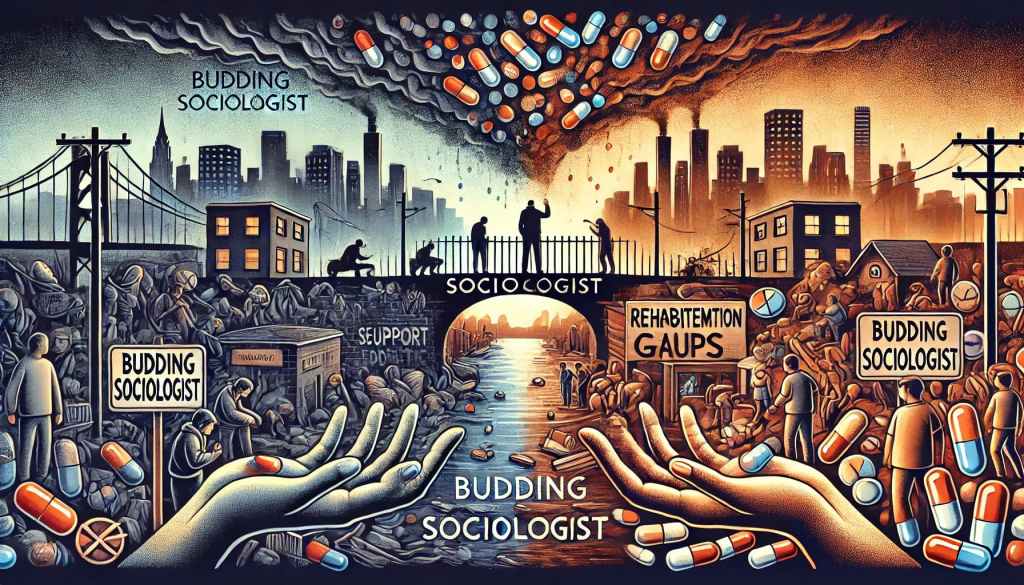
The opioid epidemic in the United States is a major public health crisis caused by the widespread misuse of opioids, leading to addiction, overdoses, and fatalities. The crisis emerged in the late 1990s when pharmaceutical companies reassured medical professionals that opioid pain relievers had a low risk of addiction. As a result, doctors increasingly prescribed medications like oxycodone and hydrocodone, leading to widespread dependency. Many individuals who became addicted to prescription opioids later turned to more affordable and potent alternatives, such as heroin and synthetic opioids like fentanyl. This crisis has had severe social and economic impacts, including rising healthcare costs, lost productivity, and increased drug-related crimes. Efforts to address the epidemic involve stricter prescription regulations, expanded access to addiction treatment, and the distribution of naloxone, a medication that can counteract opioid overdoses. Despite these initiatives, the opioid crisis continues to be a serious challenge in the U.S., requiring continued policy efforts and community-based support programs.
The opioid epidemic in the United States has profoundly altered social dynamics, influencing families, communities, and institutional frameworks. The widespread use of prescription opioids, followed by an increase in illicit opioid consumption, has led to shifts in caregiving responsibilities. Many children are placed in foster care or under the guardianship of extended family members due to parental substance use. Social services have expanded their role, offering more intervention and long-term support. Schools and community organizations have also adapted by introducing programs that provide emotional and educational resources to children affected by family instability.
The crisis has also affected workforce participation, as opioid use has contributed to absenteeism and reduced productivity. Many industries, particularly those reliant on manual labour, have had to implement drug screening measures and rehabilitation support to address these challenges. Law enforcement and public health agencies have modified their strategies, incorporating rehabilitation initiatives alongside enforcement. Courts have introduced alternative sentencing programs, focusing on treatment rather than punishment for individuals struggling with addiction.
Public attitudes toward addiction have evolved, influencing legislation and healthcare policies. Increased awareness has led to the expansion of harm reduction initiatives, improving access to treatment programs and overdose prevention resources. Medication-assisted treatment has become more widely available, and the distribution of opioid reversal drugs has increased. Government funding for public health initiatives has risen, supporting research and intervention programs aimed at mitigating the crisis’s long-term effects.
Community responses to the epidemic have varied, with advocacy groups pushing for policy changes and improved support services. Local governments have implemented measures to regulate prescription distribution while expanding treatment options. Media coverage has also played a role in shaping public perception, influencing how addiction and recovery are viewed. These societal adjustments continue to shape how the nation addresses the opioid crisis, affecting policies, institutions, and social structures across the country.
Impact on Families and Communities
The opioid epidemic has severely disrupted families and communities across the United States. As addiction spreads, it creates ripple effects that touch multiple aspects of social life, leading to family breakdown, increased child welfare interventions, rising crime rates, and declining neighbourhood stability. The crisis is particularly severe in economically distressed areas, where opioid abuse has become deeply entrenched.
1. Disruption of Family Structure and Parental Neglect: The opioid crisis has profoundly affected family dynamics, particularly by disrupting parental roles. Many individuals battling opioid addiction struggle to provide consistent care for their children, leading to cases of neglect and instability. Basic needs such as food, hygiene, and supervision are often compromised, resulting in emotional and psychological distress for children. In some cases, addiction-related negligence has led to tragic outcomes, including accidental overdoses among children or their exposure to hazardous environments.
2. Increased Dependence on Foster Care Services: As opioid misuse renders many parents unable to care for their children, the demand for foster care placements has surged. Several states, particularly in the Midwest and Appalachia, have reported an unprecedented rise in child welfare cases linked to opioid use. Overburdened foster care systems struggle with limited resources, leading to an insufficient number of foster homes and case workers managing excessive workloads. In some instances, children are placed in institutional care due to the lack of available foster families, further straining social services.
3. Grandparents and Relatives Assuming Caregiving Roles: With many parents either incapacitated by addiction or involved in the criminal justice system, grandparents and extended family members have increasingly taken on the responsibility of raising children. This shift has placed financial and emotional burdens on older caregivers, many of whom live on fixed incomes. Without formal custody, these caregivers often face difficulties in accessing educational and healthcare services for the children. The stress of raising a new generation while coping with the struggles of their addicted family members creates additional hardships for these caregivers.
4. Health Risks for Infants with Neonatal Abstinence Syndrome (NAS): The crisis has also led to a rise in Neonatal Abstinence Syndrome (NAS), a condition affecting newborns exposed to opioids in the womb. Babies born with NAS experience withdrawal symptoms such as irritability, poor feeding, and respiratory difficulties, requiring specialized medical care. Hospitals, especially in rural regions, have seen an increase in the number of infants needing intensive treatment due to NAS. These children may also face long-term developmental challenges, adding to the financial and emotional burden on families and healthcare systems.
5. Surge in Crime and Public Safety Concerns: Communities with high levels of opioid addiction often experience a rise in criminal activity, particularly in theft and drug-related offenses. Many individuals struggling with opioid dependence resort to crimes such as shoplifting or burglary to sustain their drug use. Additionally, the illegal opioid trade has fueled violence among dealers and traffickers competing for control. Law enforcement agencies have had to allocate substantial resources to address opioid-related crimes, diverting attention from other public safety priorities.
6. Increase in Overdoses in Public Spaces: The widespread misuse of opioids has led to frequent overdoses in public locations, including parks, libraries, and shopping centers. The potency of synthetic opioids like fentanyl has contributed to an increase in fatal overdoses, overwhelming emergency response teams. First responders frequently administer naloxone (Narcan) to reverse overdoses, often encountering the same individuals multiple times. Some businesses and public facilities have begun to stock naloxone to manage overdoses on their premises, reflecting the severity of the crisis.
7. Weakening of Community Ties and Social Isolation: As addiction spreads, it erodes social cohesion within communities. Families struggling with opioid-related issues often become isolated due to stigma, leading to a decline in neighbourhood connections and community engagement. Many communities have lost essential figures such as teachers, parents, and local workers due to opioid-related deaths, incarceration, or incapacity. This weakening of social bonds makes it more challenging for communities to collectively address the crisis and support affected individuals.
8. Negative Economic Effects and Workforce Challenges: The opioid epidemic has taken a toll on local economies, particularly in regions that were already economically struggling. Many employers report difficulties in hiring and retaining workers due to high rates of substance abuse among job applicants. In industries such as construction and manufacturing, opioid-related impairments have led to workplace accidents, absenteeism, and job losses. Declining economic activity and increased crime have further discouraged investment and business growth, deepening financial distress in affected areas.
9. Lack of Access to Treatment and Support Services: Despite growing recognition of opioid addiction as a public health emergency, access to treatment remains unequal across different regions. Many rural and low-income communities lack sufficient rehabilitation centers, counseling services, and medication-assisted treatment (MAT) programs. In some areas, harm reduction strategies such as needle exchange programs and supervised injection sites are available, but funding limitations and stigma prevent their widespread adoption. Limited access to these resources exacerbates the cycle of addiction and hinders recovery efforts.
10. Long-Term Social Consequences for Future Generations: The impact of the opioid crisis extends beyond the current generation, affecting children raised in households with substance abuse. Many of these children experience unstable living conditions, educational disruptions, and psychological trauma, increasing their vulnerability to addiction in adulthood. Entire communities suffer from the loss of productive members due to opioid-related deaths, incarceration and disability. Addressing this crisis requires long-term strategies that include expanding access to healthcare, strengthening economic opportunities, and implementing comprehensive social support programs to rebuild affected families and communities.
The opioid crisis has deeply affected families and communities, leading to family breakdown, increased crime, economic struggles, and weakened social bonds. Many children enter foster care due to parental addiction, while grandparents often take on caregiving roles. Public spaces see frequent overdoses, straining emergency responders. Workforce shortages and business declines further destabilize affected areas. Limited access to treatment worsens the crisis, leaving many without necessary support. The long-term consequences impact future generations, increasing risks of addiction and instability. Addressing this issue requires comprehensive solutions, including expanded healthcare, economic recovery efforts, and community-based interventions to restore stability and hope.
Economic and Workforce Impact
The opioid epidemic has significantly affected the U.S. economy and labour force by reducing workforce participation, increasing disability claims, straining healthcare and public assistance systems, and creating financial burdens for businesses and communities. These economic consequences extend beyond individual workers to entire industries and regional economies, particularly in areas heavily impacted by addiction.
1. Decline in Workforce Participation: The opioid crisis has significantly reduced the number of working-age adults (25-54) who remain in the labour force. Many individuals affected by opioid dependency struggle to maintain stable employment, which has contributed to labour shortages in various industries. This issue is particularly pronounced in physically demanding jobs such as construction and manufacturing, where opioid use often begins as a treatment for work-related injuries. The decrease in available workers hinders economic growth and productivity.
2. Workplace Productivity Loss and Job Disruptions: Opioid addiction negatively affects employee performance by increasing absenteeism, decreasing efficiency, and raising the likelihood of workplace mistakes. Individuals struggling with substance use may be unable to meet job expectations, leading to terminations and frequent turnover. Many businesses face operational challenges due to an unreliable workforce, while some have been forced to relocate or shut down due to an inability to sustain their workforce needs.
3. Increase in Workplace Injuries and Disability Claims: The use of opioids, especially when misused, can impair motor skills and cognitive functions, making workplace accidents more common. As a result, there has been an increase in disability claims and workers’ compensation costs. Many individuals who initially use prescription opioids for pain management after a workplace injury become dependent on them, making it difficult to return to work. This dependency further exacerbates the cycle of unemployment and disability reliance.
4. Financial Burdens on Employers and Business Operations: The widespread impact of opioid addiction has placed a financial strain on businesses, increasing costs related to healthcare benefits, safety concerns, and employee turnover. Many companies have had to implement stricter drug screening policies, which can reduce the pool of available job candidates. Additionally, businesses must allocate resources to retraining new employees and addressing workplace safety concerns, further increasing operational expenses.
5. Loss of Economic Productivity and Wages: The opioid crisis has resulted in substantial losses in economic productivity. Individuals suffering from opioid addiction either leave the workforce entirely or are unable to perform at their full capacity. The loss of wages due to job loss, incarceration, or overdose-related deaths affects families and reduces overall consumer spending. Estimates suggest that the crisis has led to significant economic losses due to reduced productivity, making it a major concern for long-term economic stability.
6. Strain on Healthcare and Emergency Medical Services: The economic burden of opioid-related healthcare expenses is staggering, with hospitals and emergency departments facing a surge in overdose incidents and illnesses linked to opioid use. A significant number of people struggling with opioid addiction lack sufficient health insurance coverage, which shifts much of the financial strain onto public programs like Medicaid. Additionally, the need for addiction treatment and recovery services frequently outpaces the resources available, further straining an already overstretched healthcare system.
7. Economic Challenges in Rural and Former Industrial Areas: The opioid crisis has hit rural communities and regions facing industrial decline especially hard. Places like Appalachia and certain parts of the Midwest and South, where job losses were already a significant issue, have borne the brunt of this epidemic. The dual challenges of economic hardship and widespread opioid abuse have resulted in shrinking tax revenues, shuttered businesses, and worsening economic instability in these areas.
8. Strain on Public Assistance and Social Welfare Programs: The rise in opioid addiction has led to fewer job opportunities for many people, resulting in a growing dependence on public assistance programs. There has been a noticeable increase in the number of individuals seeking help from government initiatives that offer food aid, housing assistance, and disability benefits. This heightened demand has put significant pressure on both federal and state budgets. Additionally, the foster care system has faced considerable challenges, as more children are being placed under state care due to parental neglect linked to opioid abuse.
9. Increased Costs for the Criminal Justice System: The opioid crisis has resulted in an increase in arrests and incarcerations related to drug offenses, creating significant financial strain on law enforcement, judicial systems, and correctional institutions. Many individuals held in jails and prisons are in need of medical care rather than imprisonment, which adds complexity to how resources are distributed. To address this, certain areas have implemented drug courts and alternative programs focused on rehabilitation. However, these initiatives demand further investment in public health and legal infrastructure to be effective.
10. Long-Term Economic Consequences and Policy Challenges: The opioid crisis will have lasting economic impacts that will persist for years, deeply affecting families, communities, and the broader economy. Children growing up in homes impacted by opioid addiction often encounter challenges in education and financial stability, which can lead to higher risks of poverty and potential substance abuse later in life. To effectively tackle this issue, policymakers need to prioritize strategies centered on treatment, prevention, and fostering economic growth in the hardest-hit regions. Without a well-rounded approach, the opioid epidemic will continue to hinder economic recovery and undermine the stability of the workforce.
Conclusion: The opioid crisis has taken a heavy toll on the U.S. economy, leading to a decline in workforce participation, rising healthcare expenses, and slower economic growth at both local and national levels. To tackle this issue effectively, a comprehensive strategy is needed. This includes improving access to treatment programs, helping individuals reenter the workforce, and directing resources toward communities hardest hit by the epidemic to lessen its lasting economic and social effects.
Public Health and Social Services Burden
The opioid crisis has created significant challenges for public health and social services throughout the United States. Hospitals, emergency responders, addiction treatment facilities, mental health providers, and public health organizations are all feeling the impact. With the surge in overdose cases, increasing need for treatment, and associated problems like homelessness and the spread of infectious diseases, the healthcare system is under immense pressure to address the far-reaching consequences of this epidemic.
1. Strain on Emergency Rooms and Healthcare Facilities: The rising tide of opioid overdoses is putting immense strain on emergency rooms and hospitals nationwide. Medical teams are constantly dealing with patients experiencing overdoses, withdrawal, and infections caused by opioid misuse, which has led to overcrowded facilities and stretched resources. Hospitals are also facing heavy financial pressures, as many individuals struggling with opioid addiction don’t have sufficient health insurance. On top of this, healthcare workers are increasingly facing burnout due to the emotional and physical toll of handling opioid-related cases.
2. Barriers to Addiction Treatment and Rehabilitation: The need for addiction treatment services has grown significantly, yet many people still struggle to access effective care. In rural and low-income communities, the lack of rehabilitation centers makes it hard for individuals to get the help they need when they need it. The steep costs of treatment programs add to the problem, as many insurance plans don’t fully cover long-term addiction care. On top of these barriers, the stigma surrounding addiction and fears of legal or social consequences often prevent people from seeking help. This delay in treatment can lead to prolonged substance use and a higher likelihood of life-threatening overdoses.
3. Impact on Maternal and Infant Health: Pregnant women struggling with opioid addiction encounter significant health challenges, and their babies are at a greater risk of developing Neonatal Abstinence Syndrome (NAS), a condition caused by exposure to opioids in the womb. Babies born with NAS frequently need prolonged hospitalization and specialized care. The rising number of NAS cases has put extra pressure on neonatal care facilities and driven up healthcare expenses. Additionally, many of these infants end up in foster care because their parents are unable to offer a stable home, further burdening child welfare systems.
4. Connection Between Opioid Use and Mental Health Issues: People struggling with opioid addiction often face additional challenges due to co-occurring mental health issues like depression, anxiety, or post-traumatic stress disorder (PTSD). This combination of addiction and mental health disorders makes recovery more difficult, as focusing solely on substance abuse without tackling the root mental health problems frequently leads to relapse. Unfortunately, there’s a lack of integrated treatment programs that address both addiction and mental health simultaneously, which slows down progress. Additionally, those with limited financial resources often struggle to access psychiatric care, leaving them without the comprehensive support necessary for a successful recovery.
5. Spread of Infectious Diseases Due to Drug Injection: The rise in opioid addiction has led to a surge in infectious diseases like Hepatitis C and HIV, primarily because of the reuse of contaminated needles among people who inject drugs. Areas with high rates of opioid use, especially in certain states, have seen outbreaks of these illnesses, putting additional pressure on already overburdened healthcare systems. In response, some communities have implemented harm reduction strategies, such as needle exchange programs, to curb the spread of infections. However, these efforts often encounter resistance from policymakers and residents who worry that such programs might promote drug use instead of mitigating health risks.
6. Expansion of Harm Reduction Programs and Naloxone Access: To address the increasing number of overdose deaths, efforts to expand harm reduction initiatives, such as naloxone (Narcan) distribution programs, have been intensified. Naloxone, a life-saving medication that can reverse opioid overdoses, is now accessible to first responders, healthcare professionals, and the general public. Additionally, certain cities have introduced supervised consumption spaces and medication-assisted treatment (MAT) programs, offering safer options for those battling opioid addiction. While these strategies have proven effective, they often encounter pushback from policymakers and community members who worry that such measures might appear to condone or normalize drug use.
7. Increase in Homelessness and Housing Insecurity: Opioid addiction often leads to significant challenges, including job loss, financial struggles, and damaged family ties, which can push individuals into homelessness. In cities where opioid abuse is prevalent, the number of people without stable housing has risen, placing greater demands on shelters and social support systems. Those who are homeless face increased dangers, such as overdose risks, exposure to violence, and difficulty accessing medical care. To tackle homelessness linked to addiction, a dual approach of providing supportive housing and ensuring access to treatment is essential. However, many regions struggle with insufficient funding for these critical programs.
8. Impact on Child Welfare Systems and Family Stability: The opioid epidemic has significantly contributed to a rise in incidents of child neglect and abuse, as addiction frequently undermines parents’ ability to provide proper care for their children. As a result, many of these children are placed in foster care, putting immense pressure on child welfare systems. In many cases, grandparents and other relatives step in to take on caregiving roles, often facing financial and emotional challenges without sufficient resources. The increasing need for social services has stretched caseworkers thin, making it harder to offer the necessary assistance to families grappling with opioid addiction.
9. Government Regulations and Prescription Monitoring Efforts: To address the growing issue of opioid misuse, both federal and state governments have implemented prescription monitoring programs (PDMPs). These systems are designed to track opioid prescriptions and combat “doctor shopping,” a practice where patients visit multiple doctors to obtain opioid medications. While these measures have successfully limited access to prescription opioids, they have also led to a rise in the use of illegal alternatives like heroin and fentanyl, as individuals turn to these substances to meet their needs. Striking a balance between providing effective pain management and preventing opioid abuse continues to be a complex challenge for healthcare professionals and policymakers alike.
10. Public Education Campaigns and Changing Attitudes Toward Addiction: The opioid epidemic has shifted the way society views substance use disorders, emphasizing them as a public health priority rather than just a criminal justice problem. To address this, public education campaigns have been introduced to raise awareness about the risks of opioid misuse, the critical role of naloxone in saving lives, and the treatment resources available for those struggling with addiction. Schools, workplaces, and healthcare facilities are now integrating opioid education into their programs to help prevent misuse, particularly among at-risk groups. However, despite these steps forward, the stigma tied to addiction remains a significant barrier, often preventing individuals from seeking the help they need due to fear of being judged or treated unfairly.
Conclusion: The opioid crisis has significantly impacted public health and social services, putting immense pressure on healthcare systems, contributing to rising homelessness, and overloading child welfare programs. Although harm reduction efforts and policy changes have shown some positive results, there are still hurdles to overcome, such as expanding access to treatment, combating stigma, and tackling the underlying factors driving addiction. To effectively address the long-term consequences of the opioid epidemic and create better outcomes for society, a holistic strategy is needed—one that combines healthcare, mental health support, housing assistance, and public awareness campaigns.
Racial and Socio-economic Disparities
The opioid crisis in the United States has disproportionately affected various racial and socio-economic groups, revealing stark disparities. Although it is often depicted as a problem primarily impacting white, working-class Americans, its consequences for minority communities and economically vulnerable populations have been profound and multifaceted. The varying experiences and treatment of different racial and economic groups in the context of opioid addiction highlight underlying systemic challenges within healthcare, law enforcement, and social support systems.
1. Economic Hardships and Opioid Use in Rural Areas: The opioid epidemic has hit hardest in areas already facing economic challenges, especially in rural parts of the country like Appalachia and the Midwest. As factories shut down and traditional industries declined, many people lost their jobs, creating significant financial strain. In these communities, where physical labour is common, opioids were often prescribed to treat injuries sustained on the job. Aggressive marketing by pharmaceutical companies in these regions contributed to a surge in prescriptions, which later fueled a cycle of addiction for countless individuals.
2. Poverty and Substance Use Disorder: Economic uncertainty has been a major factor driving the rise in opioid abuse, as financial pressures and limited job prospects often push people toward substance dependence. Those battling addiction frequently struggle to hold down steady employment, worsening their financial situation. This can trap them in a vicious cycle: addiction leads to unemployment, and unemployment fuels further substance use. Areas heavily affected by opioid misuse often experience economic downturns, with local businesses suffering and public services becoming overburdened.
3. Racial Disparities in Pain Management and Prescriptions: Studies have revealed that Black and Latino patients are less likely to receive opioid prescriptions than white patients. This disparity is often linked to implicit biases in healthcare, including the false assumption that Black individuals feel pain differently or are more likely to misuse medications. Initially, these lower prescription rates meant that Black and Latino communities were somewhat shielded from the early stages of the opioid epidemic. However, as the crisis evolved and illicit opioids such as heroin and fentanyl became more widespread, these communities saw a sharp increase in opioid-related fatalities.
4. Contrasting Government Responses to Drug Epidemics: The opioid crisis is widely viewed as a public health emergency, prompting a focus on treatment and harm reduction strategies. This approach stands in sharp contrast to how the crack cocaine epidemic of the 1980s and 1990s was handled, which disproportionately impacted Black communities. During the crack crisis, the response was heavily punitive, characterized by harsh sentencing laws and mass incarceration, driven by policies like the War on Drugs. This disparity in responses underscores deep racial inequities in drug policy, where opioid users, who are predominantly white, are often met with empathy and support, while Black individuals affected by earlier drug epidemics faced criminalization and punishment.
5. Unequal Criminal Justice Outcomes: Black and Latino communities experience higher rates of arrest and incarceration for drug-related crimes compared to their white counterparts, despite similar levels of drug use. While white individuals struggling with opioid addiction are often steered toward treatment and recovery programs, people of colour are more likely to end up in prison. This imbalance highlights deep-rooted racial biases within the criminal justice system. Although drug courts and rehabilitation initiatives have become more common, their benefits have disproportionately favoured white individuals. Meanwhile, many Black and Latino neighbourhoods continue to be subjected to harsh policing and punitive measures.
6. Fentanyl and Rising Overdose Deaths in Minority Communities: While the early waves of the opioid crisis were largely concentrated in white populations, Black and Latino communities have seen a rapid increase in opioid-related deaths in recent years. The growing presence of fentanyl, a powerful synthetic opioid, has been a major contributor to this trend. Despite the rise in overdoses among people of color, harm reduction strategies such as supervised injection sites, naloxone distribution, and needle exchange programs remain less accessible in these communities compared to predominantly white areas.
7. Barriers to Treatment for Minority Populations: Black and Latino communities face greater challenges in accessing opioid addiction treatment. Many neighbourhoods with a high percentage of racial minorities lack facilities offering medication-assisted treatment (MAT), which has been proven effective for opioid use disorder. Programs such as methadone and buprenorphine treatment are more readily available in suburban and rural white communities, making it harder for racial minorities to receive the help they need. Additionally, financial barriers, including lack of health insurance, further limit access to treatment.
8. Cultural and Language Barriers in Addiction Care: Treatment programs often fail to address the specific cultural and linguistic needs of Black, Latino, and immigrant populations. In some communities, there is a deep stigma surrounding addiction, which can discourage individuals from seeking help. Language barriers also prevent many non-English speakers from receiving adequate treatment, as many addiction services lack bilingual staff. Furthermore, culturally competent care is limited, making it harder for minority groups to feel understood and supported in their recovery journey.
9. Health Insurance Gaps and the Impact of Medicaid Expansion: Access to healthcare plays a crucial role in whether individuals can seek treatment for opioid addiction. Many low-income people, particularly racial minorities, rely on Medicaid for their healthcare needs. While Medicaid expansion has improved access to addiction treatment in some states, several states with high opioid overdose rates initially rejected expansion, leaving many without coverage. The financial burden of private treatment programs makes it difficult for those without adequate insurance to receive the necessary care.
10. Addressing Inequities in the Opioid Epidemic Response: A fair and effective response to the opioid crisis must address the racial and economic disparities that shape addiction and treatment access. Expanding Medicaid, increasing the availability of treatment centers in Black and Latino communities, and ensuring culturally sensitive addiction care are essential steps. Additionally, reforming the criminal justice system to eliminate racial sentencing disparities and provide equal access to drug courts can help address systemic inequities. Public health strategies, such as distributing naloxone and implementing harm reduction programs, must be extended to all communities to prevent further loss of life.
Conclusion: The opioid epidemic has revealed significant racial and economic inequalities in the United States. While much of the crisis has been framed as affecting white, working-class Americans, Black, Latino, and low-income populations have suffered greatly, often without the same access to treatment and resources. To combat this issue effectively, policies must prioritize equity in healthcare, criminal justice reform, and harm reduction strategies, ensuring that all individuals—regardless of race or socio-economic status—receive the support they need to recover.
Criminal Justice System and Policy Responses
The opioid epidemic has forced significant changes in the U.S. criminal justice system, shifting the approach from punitive measures to rehabilitation and harm reduction. Historically, drug-related offenses led to mass incarceration, but the widespread nature of opioid addiction—affecting diverse racial and socioeconomic groups—has prompted policymakers and law enforcement agencies to adopt alternative strategies. However, challenges remain in balancing enforcement, public health initiatives, and the need for comprehensive treatment programs.
1. Shifting from Punishment to Rehabilitation: In the past, drug-related crimes in the U.S. often resulted in widespread incarceration, disproportionately affecting certain populations. However, the opioid epidemic has influenced a shift toward treatment-based approaches. Instead of strict punitive measures, many states are focusing on rehabilitation through drug courts, diversion programs, and alternative sentencing to help individuals overcome addiction rather than simply punishing them.
2. Growing Role of Drug Courts: Drug courts have emerged as a vital alternative to traditional incarceration for individuals charged with nonviolent drug offenses. These courts prioritize recovery by mandating structured rehabilitation programs that include counseling, drug testing, and continuous monitoring. Research indicates that drug courts help lower repeat offenses and support long-term recovery, making them a more effective and cost-efficient solution than imprisonment.
3. Diversion Programs and Legislative Reforms: Many states have launched initiatives that steer individuals struggling with substance use away from incarceration and toward treatment services. Some have decriminalized possession of small amounts of opioids, recognizing addiction as a medical condition rather than a crime. Additionally, “Good Samaritan” laws have been implemented in various regions, ensuring that individuals who call for medical assistance during an overdose are not prosecuted, thereby encouraging life-saving interventions.
4. Law Enforcement’s Role in Public Health Efforts: Police departments across the country are adapting their approach to opioid-related issues by incorporating harm reduction strategies. Many officers are now trained to administer naloxone, an overdose-reversing drug, and are working alongside healthcare professionals and social workers to connect individuals with support services. This shift aims to reduce overdose fatalities and break the cycle of addiction-related crime.
5. Expanding Naloxone Access and Overdose Prevention: Making naloxone more widely available has become a central focus in efforts to combat opioid overdoses. Emergency responders, law enforcement officers, and even community members are now being equipped with the medication. However, funding challenges have limited access in some areas, highlighting the need for additional resources to ensure that naloxone is readily available in high-risk communities.
6. Holding Pharmaceutical Companies and Traffickers Accountable: Legal actions against pharmaceutical companies have intensified as their role in the opioid crisis becomes clearer. Companies like Purdue Pharma and Johnson & Johnson have faced lawsuits resulting in massive settlements, with funds allocated to addiction prevention and treatment programs. Meanwhile, law enforcement agencies have intensified efforts to curb the distribution of illicit opioids, particularly fentanyl, which has been a major contributor to overdose deaths.
7. Addressing Treatment Gaps in Prisons: Despite growing recognition that addiction is a disease, many correctional facilities still lack comprehensive treatment programs. Medication-assisted treatment (MAT), which includes the use of medications like methadone and buprenorphine, remains unavailable in many jails and prisons, increasing the risk of relapse and overdose after release. Expanding access to treatment within correctional institutions is essential for improving recovery outcomes and reducing repeat offenses.
8. Reintegration Challenges and Post-Incarceration Support: Individuals recovering from opioid addiction often face numerous obstacles when reentering society after incarceration. Many struggle with securing employment, stable housing, and access to continued healthcare, all of which increase the risk of relapse. To support successful reintegration, programs offering job training, housing assistance, and ongoing treatment are crucial in helping former offenders rebuild their lives.
9. Federal and State Policy Initiatives: Government policies at both the federal and state levels have been introduced to address the opioid epidemic. The SUPPORT Act of 2018, for instance, increased funding for prevention, treatment, and law enforcement efforts. Many states have also strengthened prescription monitoring programs and expanded Medicaid coverage for addiction treatment. However, policies such as supervised injection sites remain controversial, with some policymakers arguing that they promote drug use while others view them as essential harm reduction strategies.
10. Balancing Law Enforcement and Public Health Approaches: The opioid crisis has underscored the need for a balanced approach that considers both public safety and public health. While law enforcement continues efforts to reduce drug trafficking and related crimes, there is a growing acknowledgment that addiction must be treated as a medical issue rather than just a legal one. Expanding access to treatment, reforming outdated drug laws, and addressing economic and social factors contributing to addiction are all critical to achieving long-term solutions. By fostering collaboration among law enforcement, healthcare providers, and policymakers, a more effective and compassionate response to the opioid epidemic can be developed.
The opioid epidemic has significantly altered the U.S. criminal justice system, leading to a transition from punitive measures to treatment-based solutions. Drug courts, diversion programs, and harm reduction strategies have helped address addiction while reducing incarceration rates. Law enforcement agencies now incorporate overdose prevention efforts, including naloxone distribution and rehabilitation-focused policing. Despite progress, challenges remain in expanding treatment access, improving prison rehabilitation, and supporting post-incarceration reintegration. Legal actions against pharmaceutical companies and stricter drug enforcement continue, but a balanced approach—combining public health initiatives with criminal justice reforms—is essential for a long-term, effective response to the crisis.
Stigma and Social Perception of Addiction
The stigma surrounding addiction, particularly opioid use disorder (OUD), has significantly shaped public discourse, policy responses, and the willingness of individuals to seek treatment. Stigma manifests in multiple ways—social, structural, and self-imposed—each of which creates barriers to effective solutions and exacerbates the opioid epidemic. Despite increasing awareness of addiction as a medical condition, deep-seated biases continue to influence how society perceives and treats those struggling with opioid dependence.
1. Moral Judgment and Personal Responsibility: Many people view opioid addiction as a personal choice rather than a medical condition, leading to widespread blame and moral criticism. Those struggling with opioid use disorder (OUD) are often perceived as lacking discipline or character, which fosters negative stereotypes and discourages individuals from seeking treatment. This societal judgment creates barriers to recovery and contributes to feelings of shame among those affected.
2. Media Influence on Public Perception: News outlets and entertainment media have played a critical role in shaping how the public views opioid addiction. In many cases, addiction has been portrayed as a criminal or reckless behaviour, reinforcing negative biases. While more recent media coverage has emphasized the human side of the opioid crisis, particularly in middle-class and rural communities, the historical portrayal of substance use as a sign of moral weakness continues to influence societal attitudes.
3. Racial Disparities in Response to Addiction: The societal reaction to opioid addiction has varied depending on the racial and socio-economic background of those affected. The current opioid crisis, which has disproportionately impacted white communities, has prompted more healthcare and policy-driven solutions, whereas previous drug epidemics—such as the crack cocaine crisis of the 1980s—led to punitive measures and mass incarceration, particularly in Black and Latino communities. This disparity reflects deep-seated racial biases in how addiction is addressed by the legal system and public health institutions.
4. Bias Within the Healthcare System: Stigma within the healthcare field can lead to inadequate treatment for individuals with OUD. Some medical professionals hesitate to prescribe medication-assisted treatment (MAT) due to misconceptions about its effectiveness or concerns about dependence. Patients with a history of opioid use may also struggle to receive proper pain management, as they are often suspected of seeking drugs rather than legitimate medical care. These biases create obstacles to recovery and contribute to a lack of trust between patients and healthcare providers.
5. Challenges in Employment and Economic Stability: Many individuals in recovery face difficulties in finding and maintaining jobs due to employer concerns about relapse or perceived unreliability. Workplace policies often do not accommodate those undergoing treatment, particularly individuals on MAT, which can lead to job loss or discrimination. The stigma surrounding addiction in professional environments can prevent people from rebuilding their lives, making long-term recovery more difficult and contributing to financial instability.
6. Legal Consequences and Criminal Justice Bias: Despite growing recognition of addiction as a health issue, many individuals with opioid dependence continue to face punitive legal consequences. Criminal records related to drug use can make it difficult for people to secure jobs, housing, or social services, limiting their opportunities for reintegration into society. While some jurisdictions have introduced drug diversion programs that emphasize treatment over incarceration, stigma within the criminal justice system remains a significant barrier to recovery.
7. Psychological Impact of Internalized Stigma: Many individuals struggling with opioid addiction internalize societal judgment, leading to feelings of self-blame and worthlessness. This internalized stigma can discourage them from seeking help, worsen mental health conditions like depression and anxiety, and increase the likelihood of relapse. Support networks, counseling, and education about addiction as a treatable condition can help reduce self-stigma and encourage recovery.
8. Effects on Families and Social Relationships: The stigma surrounding opioid addiction extends to the families of those affected, who often face social judgment and isolation. Parents, spouses, and children of individuals with OUD may experience blame or criticism from their communities, which can add stress to already difficult situations. Fear of social stigma may also prevent families from openly discussing addiction or seeking support, further isolating them and delaying necessary interventions.
9. Changing Perceptions Through Public Awareness: Efforts to shift public attitudes toward opioid addiction have gained traction through advocacy, education, and policy changes. Awareness campaigns that emphasize the science of addiction, personal recovery stories, and harm reduction strategies have helped counter outdated narratives. However, deeply ingrained biases remain, and continued education is necessary to foster a more compassionate approach to addiction treatment.
10. Future Strategies for Reducing Stigma: Addressing stigma is crucial to improving treatment access and long-term recovery outcomes. Expanding MAT programs, decriminalizing substance use disorders, and increasing mental health resources can help change public perception. Harm reduction initiatives, such as naloxone distribution and safe consumption sites, have been effective in reducing overdose deaths and shifting the conversation toward treatment rather than punishment. Moving forward, a cultural shift is needed to fully recognize addiction as a medical condition and ensure that those affected receive the support they need without fear of judgment.
Conclusion: The stigma surrounding opioid addiction remains a major challenge, influencing societal attitudes, healthcare access, and legal policies. Many still view addiction as a moral failing rather than a medical condition, leading to discrimination and barriers to recovery. Although awareness efforts have helped shift perspectives, misconceptions persist. Addressing this issue requires continued education, policy changes, and harm reduction initiatives to ensure that individuals struggling with opioid use receive the support they need. By promoting empathy and understanding, society can move toward a more inclusive and effective approach, breaking down stigma and fostering long-term recovery opportunities for those affected.
References and Readings
Dreamland: The True Tale of America’s Opiate Epidemic, by Sam Quinones, https://amzn.to/3F2AFCL
Dark Paradise: A History of Opiate Addiction in America, by David T. Courtwright, https://amzn.to/3FeFbxW
Pain Killer: An Empire of Deceit and the Origin of America’s Opioid Epidemic, by Barry Meier, https://amzn.to/4ihpS5Y